It’s 2026, and the world of robotics is really moving. You see robots everywhere now, from huge factories to helping out in warehouses. It feels like just yesterday we were talking about robots as futuristic ideas, but now, many robotics companies are making them a normal part of business. We’ve got the big players still doing their thing in industrial automation, but there are also a lot of newer companies coming up with cool ideas, especially with AI. It’s a pretty exciting time to see what these robotics companies are up to.
Key Takeaways
- The robotics market is booming, with established companies like ABB, FANUC, and KUKA leading industrial automation, while startups are bringing fresh ideas.
- Collaborative robots (cobots) are becoming more accessible, with companies like Standard Bots offering affordable options for smaller businesses.
- Humanoid and mobile robots are making strides, with Boston Dynamics showcasing agility and Agility Robotics focusing on logistics applications.
- Specialized robotics companies are emerging to serve niche markets, from space exploration (Honeybee Robotics) to social interaction (Furhat Robotics).
- Key trends include AI-driven adaptability, lower costs for automation, and a focus on specialized applications, making robotics more available than ever.
Giants of Industrial Automation
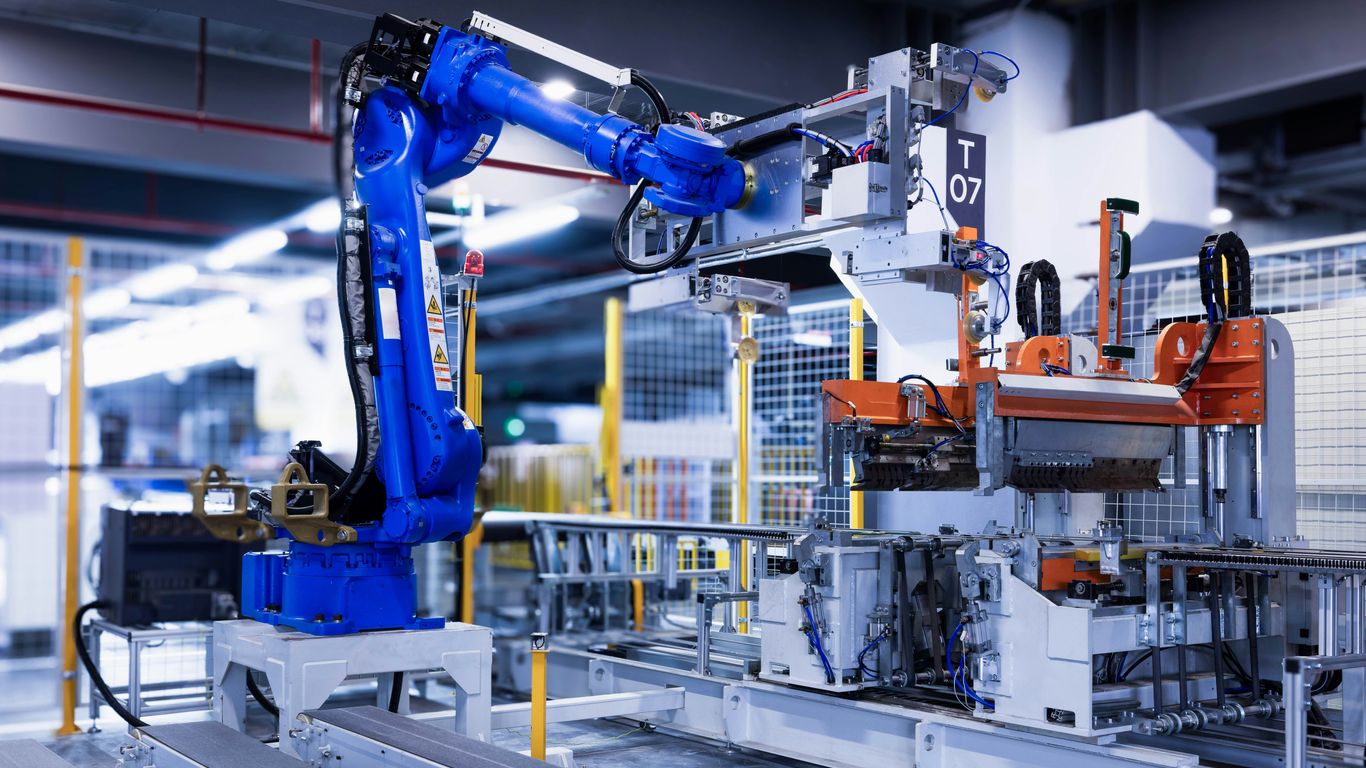
When you think about robots in factories, the big names that come to mind are usually the ones that have been around for a while, building machines that do the heavy lifting and repetitive tasks. These companies aren’t just making robots; they’re practically building the backbone of modern manufacturing.
ABB: Powering Global Manufacturing
ABB, a company with roots in Switzerland, is a massive player in the automation world. You’ll find their robots everywhere, from car plants to electronics assembly lines. They’re known for their strong, high-payload robots that can handle serious weight – some models can lift over 800 kilograms. Their IRB series is pretty much a standard for tasks like welding, painting, and moving heavy parts around. If you’re a big manufacturer looking for reliable tech with a huge support network, ABB is definitely on the list. They’ve been doing this for decades, so they know how to keep things running, especially when downtime isn’t an option.
FANUC: Reliability in Every Application
Over in Japan, FANUC is another name that pops up constantly. They’ve shipped over a million robots, which is pretty wild when you think about it. Their machines are famous for being tough and dependable, especially in the automotive and electronics sectors. FANUC offers a huge range of robots, from tiny ones for intricate work to big ones for heavy welding. What really sets them apart is how well their systems are built to run non-stop. If a factory needs to operate 24/7, you’ll often see FANUC robots humming away. They’re all about consistency and making sure their equipment lasts a long time, which is a big deal for manufacturers who don’t want to constantly upgrade.
KUKA: Flexible Automation Solutions
KUKA, a German company, is easily spotted by its signature bright orange robots, especially in car factories around the globe. They’ve got robots for all sorts of jobs, from delicate electronics assembly to stacking heavy pallets. But they’re not just sticking to the old ways. KUKA has also been pushing into collaborative robots, like their LBR iisy, which is designed to work alongside people in smaller spaces. They also provide software to help connect all these robots and systems, giving factories more control. While their history is deeply tied to the automotive industry, KUKA is showing it can adapt, offering more flexible solutions for different manufacturing needs.
Innovators in Collaborative Robotics
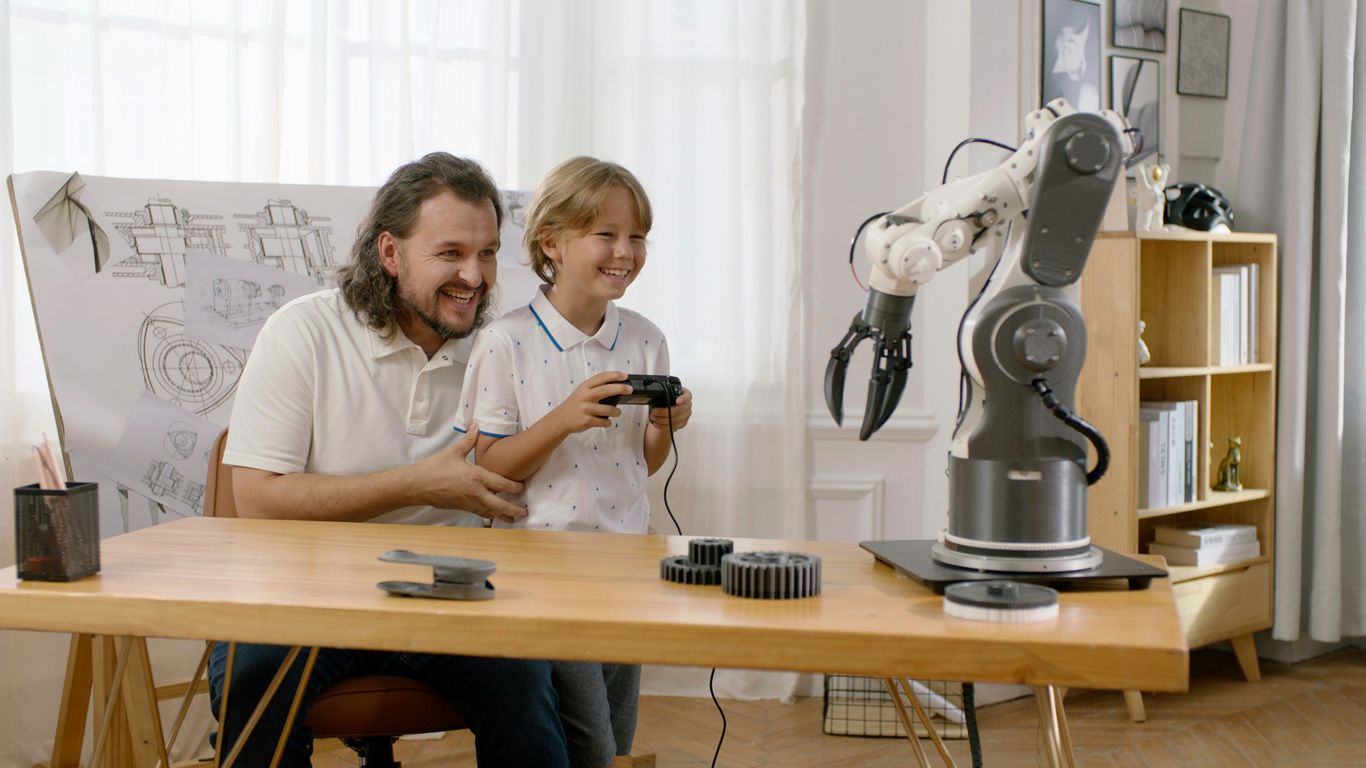
Collaborative robots, or cobots, are really changing the game for a lot of businesses. They’re designed to work safely alongside people, which is a big deal. This means you don’t need those huge safety cages you see around traditional industrial robots. It makes automation way more accessible, especially for smaller operations that might not have the space or budget for a full factory overhaul.
Standard Bots: Accessible Cobots for All
Standard Bots is making waves by focusing on making cobots that are easier to get and use. Their main product, the Core, comes in at a list price of $37,000. That might still sound like a lot, but compared to many other cobots out there, it’s a more approachable figure. This cobot has a decent reach and can handle payloads up to 18 kilograms, with pretty good precision for tasks like tending machines or putting parts together. What really sets them apart is their use of AI to simplify programming, which is a huge help for companies that don’t have a team of robotics experts on staff. This approach is helping to bring automation to a wider range of businesses.
Doosan Robotics: Expanding Cobot Portfolios
Doosan Robotics is another big player in the cobot space, and they’re really pushing to offer a wide variety of options. They’ve been expanding their global reach, which is great for companies looking for reliable automation partners. Their cobots are known for being flexible and can be adapted for many different jobs. They’re not just sticking to one type of robot either; they’re developing new models all the time to meet different industry needs. This constant innovation means they’re a company to watch if you’re looking for the latest in collaborative automation. You can find out more about how robotics is shaping industries at robotics growth in 2026.
Pioneers in Humanoid and Mobile Robotics
Boston Dynamics: Unmatched Agility and Mobility
Boston Dynamics has long been a name synonymous with impressive robotic movement. Their robots, like Spot and Atlas, aren’t just for show; they’re pushing the boundaries of what mobile robots can do. Spot, the quadruped robot, is already out there doing real work, like inspecting industrial sites and gathering data. It’s pretty amazing how it can navigate rough terrain, climb stairs, and generally move around like a real animal. Atlas, on the other hand, is more of a research platform, but its advanced bipedal locomotion and incredible agility hint at future possibilities for robots that can perform complex physical tasks in human environments.
- Spot: Primarily used for inspection and data collection in challenging locations.
- Atlas: A research robot showcasing advanced dynamic movement and manipulation.
- Focus: Developing robots with exceptional mobility and adaptability.
Agility Robotics: Humanoids for Logistics
Agility Robotics is taking a different path, focusing specifically on humanoid robots for practical applications, especially in logistics. Their robot, Digit, is designed to walk on two legs and handle tasks like moving boxes in warehouses. It’s already being tested in real-world scenarios, helping with things like sorting packages and working alongside people. The idea is to create robots that can fit into existing human workflows without needing massive overhauls of the workspace. This focus on general-purpose humanoids for dynamic settings is a key differentiator.
| Robot Name | Primary Use | Key Feature |
|---|---|---|
| Digit | Logistics, Warehousing | Bipedal locomotion |
| Package Handling | Human-like movement | |
| Tote Transfer | Adaptable to tasks |
Specialized Robotics for Niche Markets
While the big players grab headlines with factory automation and warehouse logistics, a whole other world of robotics is quietly thriving. These companies aren’t aiming for mass production lines; instead, they’re building robots for very specific jobs, often in places where regular robots just wouldn’t cut it. It’s a fascinating area where innovation meets unique challenges.
Honeybee Robotics: Extreme Environment Specialists
When you think about robots, you probably picture them in factories or maybe helping out in a warehouse. Honeybee Robotics thinks differently. They build robots designed to work in places that are, well, pretty extreme. Think deep space, harsh industrial sites, or even underwater. They’ve got a long history of working with NASA, developing systems for Mars rovers and other space missions. Their focus is on creating machines that can handle tough conditions, like high radiation or the crushing pressure of the deep sea. It’s not about mass-produced arms; it’s about custom solutions for environments where standard industrial robots simply can’t go. They’re the go-to for projects that push the boundaries of where robots can operate.
Furhat Robotics: Engaging Social Interactions
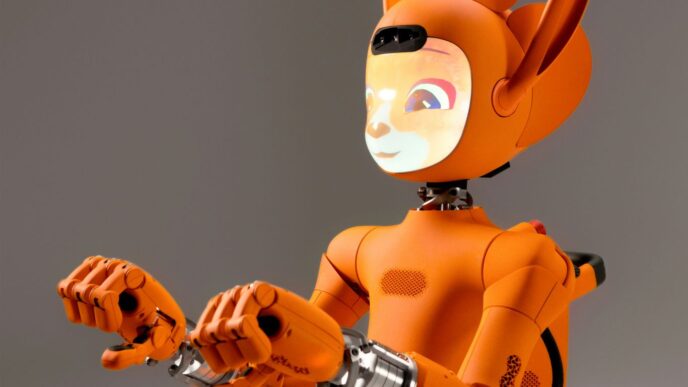
Moving from extreme environments to human interaction, Furhat Robotics is making waves with its social robots. Their main creation, the Furhat robot, has a remarkably human-like face that can display a wide range of emotions and expressions. This makes it ideal for applications in healthcare and education. Imagine a robot that can genuinely connect with patients or help students learn in a more engaging way. They’re not just building machines; they’re crafting companions and educators. The goal is to create robots that can interact with people naturally, making technology feel more approachable and helpful in everyday life.
UBTECH Robotics: Humanoids in Education and Service
UBTECH Robotics is another company focusing on humanoids, but with a strong emphasis on education and service roles. They have a significant presence in Asia and are expanding their reach globally. Their robots are designed to be interactive and educational, often found in classrooms or assisting in service industries. Think of robots that can teach coding, help with administrative tasks, or even provide customer support. UBTECH is working to integrate robotics into daily life, making them accessible tools for learning and assistance. Their approach highlights how humanoid robots can fill important roles beyond just industrial tasks, bringing a new level of interaction to various sectors.
Here’s a quick look at what makes these specialized robots stand out:
- Honeybee Robotics: Custom solutions for space, deep sea, and hazardous industrial sites.
- Furhat Robotics: Social robots with expressive faces for healthcare and education.
- UBTECH Robotics: Humanoid robots designed for teaching, learning, and service applications.
These companies show that the robotics field is much broader than just assembly lines. They’re tackling unique problems and creating robots that can do amazing things in specialized areas. It’s a testament to the adaptability and growing potential of robotic technology. The future of robotics isn’t just about efficiency; it’s also about specialized intelligence and interaction, especially in areas like healthcare robotics.
The Evolving Landscape of Robotics Companies
The world of robotics isn’t just about the big players anymore. Sure, companies like ABB and FANUC are still powering factories, but things are really shaking up with new ideas and more accessible tech. It feels like every week there’s a new startup doing something pretty wild, pushing the boundaries of what robots can do.
AI-Driven Adaptability in Robotics
One of the biggest shifts we’re seeing is how much artificial intelligence is changing robots. They’re not just programmed to do one thing anymore. Now, robots can actually learn and adapt. Think about it: a robot that can figure out how to handle a new object it’s never seen before, or adjust its movements based on a changing environment. This is thanks to advancements in what’s called agentic AI, which lets robots make more complex decisions on their own. It’s a huge leap from the old days of robots just following a strict set of commands.
Affordable Automation for Small Businesses
For a long time, getting into robotics felt like a huge investment, only really feasible for big corporations. But that’s changing fast. Smaller companies are now building robots that are way more affordable and easier to use. This means even small manufacturers or workshops can start automating tasks without breaking the bank. We’re seeing robots with simpler interfaces and lower price tags, making automation a real possibility for a lot more businesses.
Emerging Robotics Startups to Watch
Beyond the big names and the trend towards affordability, there’s a whole wave of exciting startups. These companies are often focusing on very specific areas. Some are building humanoid robots designed for tasks like moving packages in warehouses, while others are creating robots for social interaction or even for use in extreme environments like space. It’s this mix of specialized innovation and broader accessibility that’s really defining the current robotics scene. The market is growing like crazy, and it’s going to be interesting to see which of these newer players really take off.
The Road Ahead
So, looking at where things are in 2026, it’s pretty clear robotics isn’t just for the big players anymore. We’ve got the usual giants like ABB and FANUC still doing their thing in factories, but it’s the newer companies, like Standard Bots and Agility Robotics, that are really shaking things up. They’re making robots smarter with AI and, importantly, more affordable. This means even smaller shops can start using automation to get more done. It feels like we’re at a point where robots are becoming more common, moving beyond just assembly lines into warehouses and even helping out in other areas. The next few years are going to be interesting to watch as this technology keeps evolving and finding new ways to fit into our daily work.
Frequently Asked Questions
What are the biggest robot companies in 2026?
In 2026, major players like ABB, FANUC, and KUKA are still leading the way in factory robots. But new companies like Standard Bots and Agility Robotics are making waves too, with robots that can work alongside people or even walk around like humans. It’s a mix of the old guard and exciting new ideas!
Are there any new robot companies that are becoming really popular?
Yes, definitely! Companies like Standard Bots are making robots called ‘cobots’ that are easier to use and cost less, which is great for smaller businesses. Agility Robotics is also getting a lot of attention for its walking robots designed to help out in warehouses.
Which robot companies are based in the United States?
Several top U.S. robot companies include Standard Bots, known for its accessible cobots, and Boston Dynamics, famous for its agile and mobile robots like Spot. Agility Robotics is also a key player, focusing on human-like robots for jobs like moving packages.
Why are robots becoming more affordable for smaller businesses?
Many smaller robot companies are creating ‘cobots’ that are simpler to set up and program. Plus, their prices are much lower than the big industrial robots used to be. This means even small workshops can now use robots to help with tasks and become more productive.
What kinds of jobs can robots do in 2026?
Robots are doing all sorts of jobs! Big industrial robots handle tough tasks in factories, like building cars. Cobots work safely next to people on assembly lines. Humanoid robots are starting to help in warehouses, and even social robots are being used to teach kids or keep people company. They’re getting good at many different things!
How is Artificial Intelligence (AI) changing the robot world?
AI is making robots much smarter and more adaptable. Robots with AI can learn new tasks more easily and adjust to different situations. This means they can do more complex jobs and work more effectively, even in places that aren’t perfectly set up for them.