China is really stepping up its game when it comes to growing food. Forget just fields and farms; they’re looking at new ways to get food onto our plates. One of the most exciting areas is china vertical farming. It’s basically growing crops indoors, stacked up high, using smart tech. This isn’t just a small experiment; it’s becoming a big deal for feeding cities and using resources better. Let’s check out what’s happening.
Key Takeaways
- China is investing heavily in vertical farming as a modern agricultural solution.
- Vertical farming helps address food security challenges in rapidly urbanizing areas.
- Advanced technologies like hydroponics, LED lighting, and automation are central to china vertical farming.
- These farms aim for high efficiency in water and land use, reducing environmental impact.
- The growth of china vertical farming is creating economic opportunities and changing how people get their food.
Revolutionizing Agriculture: China’s Vertical Farming Innovations
The Rise of Vertical Farming in China
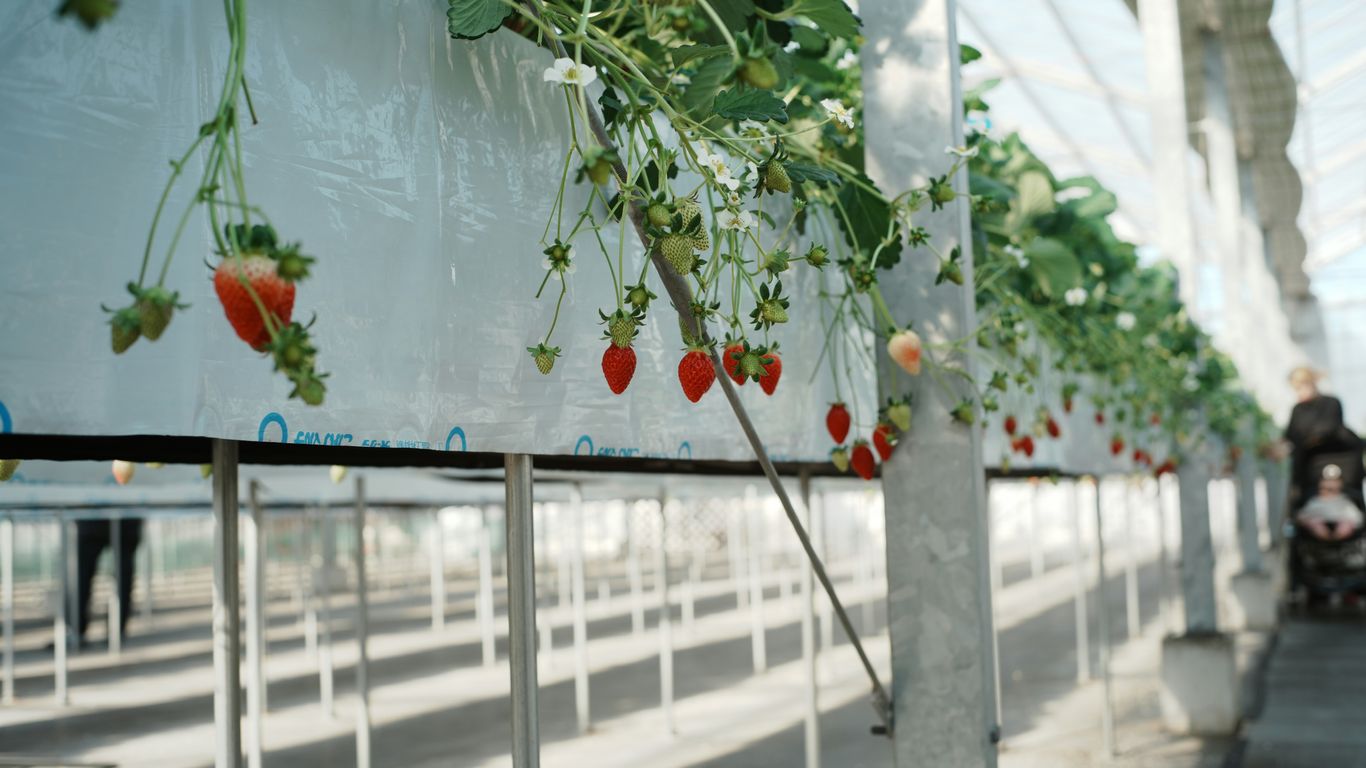
China is really stepping up its game when it comes to farming, and vertical farming is a big part of that. It’s not just about growing crops in fields anymore. We’re talking about growing food indoors, in stacked layers, often right in the middle of cities. Think of it like a farm in a skyscraper! This approach is becoming super important because China is getting more and more urbanized. With so many people living in cities, getting fresh food to them can be a challenge. Vertical farming helps solve this by bringing food production closer to where people live. This means less travel time for food, which cuts down on costs and also helps the environment.
Addressing Urban Food Security Challenges
As China’s cities continue to grow, making sure everyone has enough to eat is a major concern. Traditional farming methods often require a lot of land and water, resources that are becoming scarcer, especially near urban centers. Vertical farming offers a smart solution. By growing crops in controlled indoor environments, we can produce food year-round, regardless of the weather outside. This stability is key for food security. Plus, these farms use way less water and land compared to regular farms. It’s a pretty neat way to make sure city dwellers have consistent access to fresh produce.
Technological Foundations of China Vertical Farming
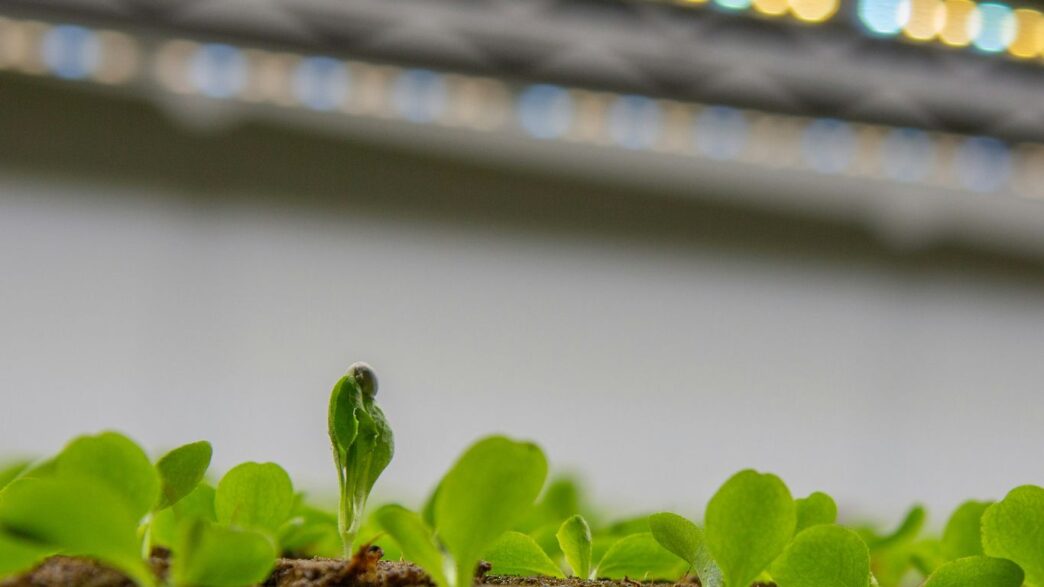
So, what makes these vertical farms tick? A lot of it comes down to some pretty advanced tech. We’re seeing a big push in areas like hydroponics, which is a way to grow plants without soil, using nutrient-rich water instead. Then there’s the lighting. Instead of relying on sunlight, these farms use special LED lights that are tuned to give plants exactly what they need to grow. This precise control over the growing environment is what allows for such high yields in a small space. Automation and robotics are also playing a huge role, helping with everything from planting seeds to harvesting crops, making the whole process more efficient and less labor-intensive.
Key Technologies Driving China Vertical Farming
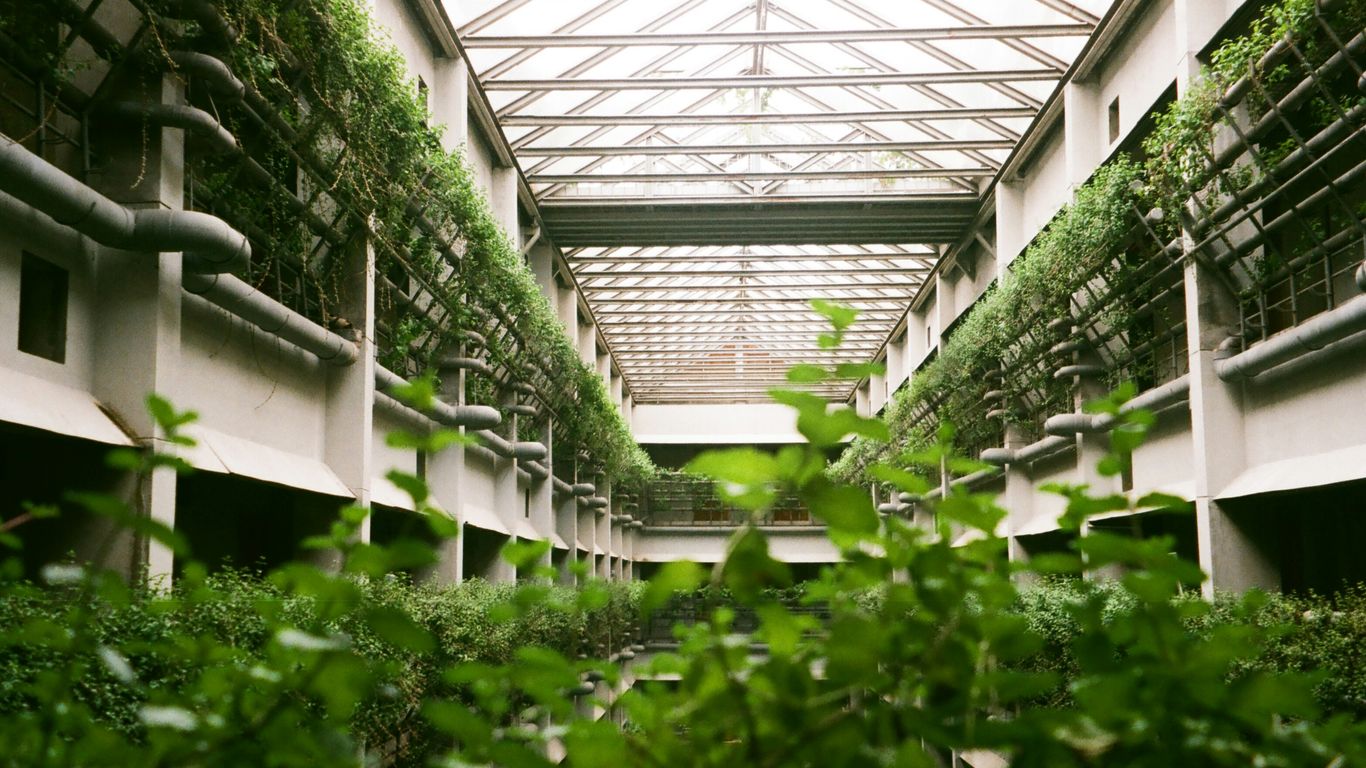
So, what exactly makes these vertical farms tick? It’s a mix of some pretty neat tech that lets them grow a lot of food in a small space, often right in the city. Think of it as farming, but with a futuristic twist.
Hydroponics and Nutrient Delivery Systems
Forget soil. A lot of Chinese vertical farms use hydroponics. This means plants grow with their roots sitting directly in nutrient-rich water. It’s a pretty efficient way to feed the plants exactly what they need, when they need it. Different systems exist, but the basic idea is to deliver a carefully balanced mix of minerals and water to the plant roots. This avoids the issues that come with soil, like pests and diseases, and also means you don’t need to worry about soil quality. It’s a big change from traditional farming where you’re totally dependent on the land.
Advanced LED Lighting Solutions
Since these farms are indoors, they need their own light source. That’s where advanced LED lighting comes in. These aren’t your average light bulbs. They’re specifically designed to give plants the right spectrum of light they need to grow, kind of like how sunlight works, but controlled. This precise control over light means plants can grow faster and healthier, regardless of the season or weather outside. Different crops might need different light recipes, and LEDs can be adjusted to meet those specific needs. It’s a huge step up from older lighting methods that were less efficient and generated more heat.
Automation and Robotics in Cultivation
To keep things running smoothly and efficiently, automation and robotics are playing a bigger role. Think about tasks like planting seeds, moving trays of crops, monitoring plant health, and even harvesting. Robots can do a lot of this work. This not only speeds things up but also reduces the need for manual labor, which can be hard to find or expensive. Sensors are also a big part of this, constantly collecting data on things like temperature, humidity, and nutrient levels. This data helps the automated systems make adjustments on the fly, keeping the growing environment just right for the plants. It’s all about making the whole process as hands-off and precise as possible.
Efficiency and Sustainability in Chinese Vertical Farms
Optimizing Water and Land Use
Vertical farming in China is really making waves when it comes to using resources smarter. Think about it: instead of vast fields, we’re talking about stacked layers of crops, often right in the city. This means a lot less land is needed. One of the biggest wins here is water conservation. Traditional farming can be pretty thirsty, but vertical farms use closed-loop systems, like hydroponics, where water is recirculated. This can cut water use by up to 95% compared to field farming. It’s a huge deal, especially in areas where water is scarce.
Reducing Environmental Footprint
Beyond saving water, these farms are cutting down on other environmental impacts too. Because they’re often located in or near urban centers, the need for long-distance transportation of produce is drastically reduced. This means fewer trucks on the road, less fuel burned, and lower carbon emissions. Plus, by growing indoors, farmers can avoid using pesticides and herbicides, which is better for the environment and for the food we eat. The controlled environment also means less food waste from spoilage during transit.
Maximizing Crop Yields Year-Round
One of the most impressive aspects of Chinese vertical farms is their ability to produce food consistently, no matter the season or weather. Inside these high-tech facilities, conditions like temperature, humidity, and light are precisely managed. This allows for multiple harvest cycles throughout the year, leading to significantly higher yields per square meter compared to traditional agriculture. For example, lettuce yields in vertical farms can commonly range from 60 to 105 kg per square meter annually, a figure that’s hard to match outdoors.
Here’s a quick look at how resource use stacks up:
| Feature | Vertical Farming (Typical) | Field Farming (Typical) |
|---|---|---|
| Water Use Efficiency | Very High | Low |
| Land Use | Minimal | Extensive |
| Pesticide Use | None | Varies |
| Transportation Needs | Low | High |
The Impact of Vertical Farming on Chinese Society
Localizing Food Production in Urban Centers
China’s rapid urbanization means more people are living in cities than ever before. This shift creates a big challenge: how do we feed everyone when farmland is getting further away? Vertical farming is stepping in to help. By setting up farms right in or near urban areas, we can grow food much closer to where people live. This means less travel time for produce, which can lead to fresher food for consumers and lower transportation costs. It’s like having a local grocery store that grows its own produce right down the street, but on a much larger scale.
Economic Opportunities in AgTech
This new way of farming isn’t just about growing plants; it’s also creating jobs and new businesses. The development and operation of vertical farms require a range of skills, from engineers who design the systems to technicians who maintain them, and even people to manage the crops. It’s a growing field, often called AgTech, that’s attracting investment and innovation. Think about the people who design the LED lights, build the automated systems, or develop the nutrient solutions – they’re all part of this expanding industry. This technological push is opening doors for new careers and economic growth within China’s cities.
Consumer Acceptance and Market Growth
At first, people might have been a bit unsure about food grown in a high-tech, indoor environment. But as more vertical farms pop up and people see the benefits – like consistent availability and potentially fewer pesticides – acceptance is growing. Consumers are starting to understand that this isn’t just a novelty; it’s a practical way to get fresh, healthy food. As more people try and trust these products, the market for vertically farmed goods is expanding. This increased demand, in turn, encourages more investment and development in the sector, creating a positive cycle.
Future Prospects for China Vertical Farming
Scaling Up Vertical Farming Operations
China’s vertical farming scene is still growing, but the plans are pretty big. We’re talking about moving from smaller, experimental setups to massive farms that can really make a dent in the country’s food supply. The idea is to build these farms right in or near major cities. This way, fresh food gets to people faster, cutting down on transport costs and all that fuel burned. It’s a smart move, especially with so many people living in urban areas now. They’re looking at ways to make these farms more efficient, using less energy and water, and getting more crops out of them. It’s not just about having more farms, but about making them work better.
Integration with Smart City Initiatives
Vertical farms are starting to fit into the bigger picture of smart cities. Imagine these farms being connected to the city’s power grid, maybe even using waste heat from other buildings or recycling water. They could also be linked to city logistics, so produce gets delivered automatically. Think about sensors in the farm talking to sensors in the city about air quality or traffic, all working together. This kind of integration means the farms aren’t just isolated food factories; they’re part of the city’s living system. It’s about making everything work together smoothly, from energy use to waste management to getting food to your table.
Global Leadership in Agricultural Technology
China is really pushing to be a leader in new farming tech, and vertical farming is a big part of that. They’re investing a lot in research and development, trying to find new ways to grow crops better, faster, and with fewer resources. This isn’t just about feeding their own people; it’s about showing the world what’s possible. They’re sharing their knowledge and technology, which could help other countries facing similar challenges with food security and limited land. The goal is to set the standard for how food will be grown in the future, both in China and around the globe. It’s a bold vision, but with the progress they’re making, it seems achievable.
Looking Ahead
So, what does all this mean for the future? China’s push into vertical farming isn’t just about growing more food; it’s about growing it smarter and more sustainably. They’re tackling big challenges like feeding a growing urban population and using resources like water and land more wisely. While there are still hurdles to overcome, like energy use, the progress is undeniable. It really feels like we’re getting a peek at what food production might look like down the road, and China is definitely a major player shaping that future. It’s pretty exciting to see how technology is changing the way we grow our food.
Frequently Asked Questions
What exactly is vertical farming?
Imagine growing plants not in fields, but in stacked layers, like floors in a building! Vertical farming is a way to grow food indoors, often in cities, using special technology. It’s like a high-tech farm that can fit into a small space.
Why is China investing so much in vertical farming?
China has a lot of people living in cities, and they need a lot of food. Vertical farming lets them grow food right where people live, which is super convenient. It also helps make sure there’s always enough food, even when the weather is bad outside.
What kind of technology is used in these farms?
These farms use cool tech like special LED lights that help plants grow, systems that feed plants water and nutrients without soil (called hydroponics), and robots that help with planting and harvesting. It’s all about making farming super efficient.
Is vertical farming good for the environment?
Yes, it can be! Vertical farms use way less water and land than traditional farms. Because they are often in cities, food doesn’t have to travel as far, which cuts down on pollution from trucks and planes.
Can vertical farms grow all sorts of food?
They are great for growing things like leafy greens, herbs, and even some fruits like strawberries and tomatoes. While they might not grow big crops like corn or wheat yet, they’re getting better all the time.
What does the future look like for vertical farming in China?
China aims to build even bigger vertical farms and connect them with smart city plans. They want to be leaders in this new way of farming, showing the world how to grow food efficiently and sustainably for a growing population.