ASU Robots Revolutionizing Agriculture
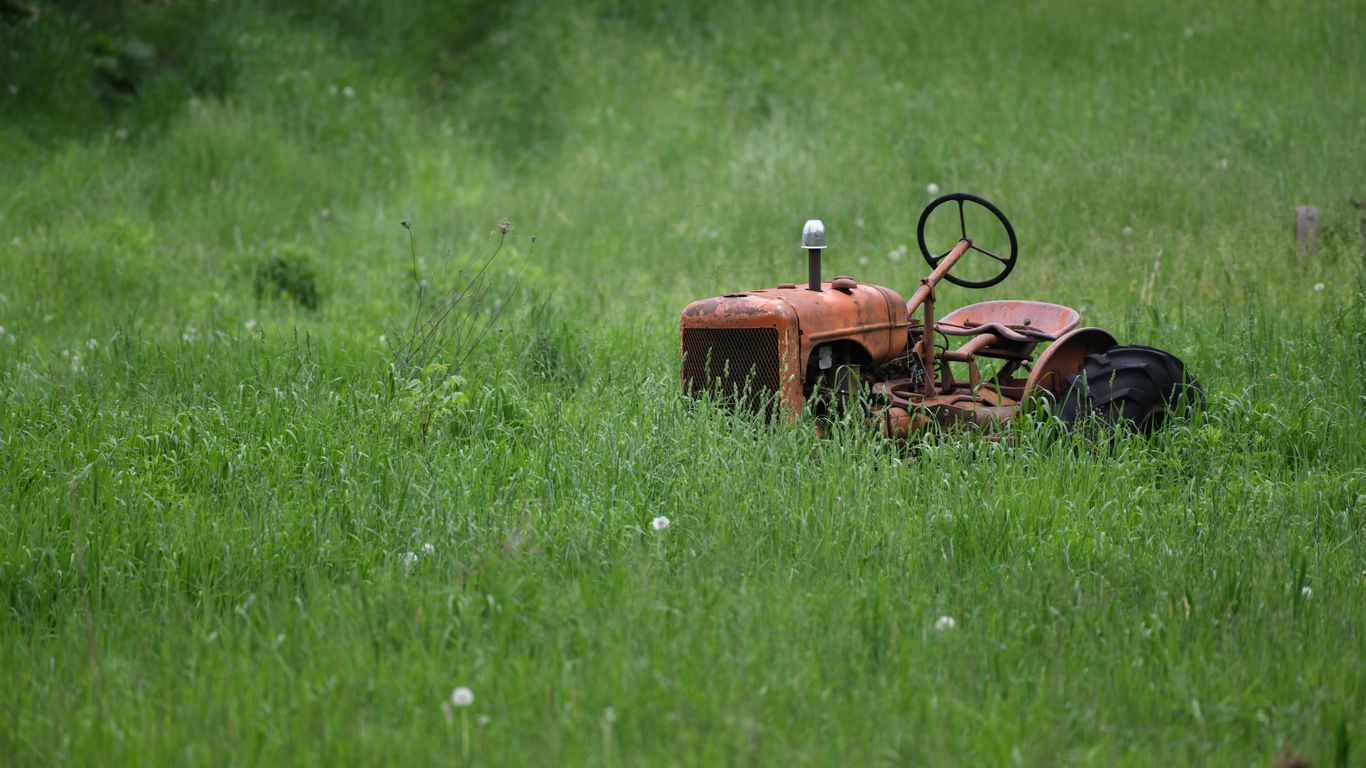
Farming is a tough business, and lately, it’s gotten even tougher. Farmers are dealing with fewer people willing to do the work and costs that just keep climbing. That’s where ASU’s innovation comes in, with robots starting to make a real difference in how we grow our food.
AI-Powered Farming Solutions
Think about fields that can be tended by machines. ASU alums are at the forefront of this, creating smart robots that use artificial intelligence to help out on the farm. These aren’t just simple machines; they’re designed to tackle specific jobs. For instance, some robots can act like a high-tech scarecrow, keeping pests away without any chemicals. Others are equipped with mechanical arms that can precisely pull weeds, something that used to take a lot of manual labor. This AI integration means farms can operate more efficiently, even with fewer hands on deck.
Addressing Labor Shortages with Automation
The agricultural industry has been feeling the pinch of labor shortages for a while now. It’s hard to find people for demanding jobs like planting, weeding, and harvesting. ASU’s work in robotics offers a practical solution. By automating tasks that are repetitive or physically demanding, these robots help fill the gap. This allows farmers to maintain their operations and even increase their yields. It’s about using technology to support the people who feed us.
Innovative Agrobotics from ASU Alums
It’s pretty cool to see ASU graduates taking what they learned and building companies that are changing an entire industry. One example is Padma Agrobotics, founded by an ASU alum. They’re working directly with farmers, bringing AI-driven robots into the fields. Their technology is helping farms adapt to the current challenges. The Arizona Farm Bureau has noted that the farming community is actually embracing this new wave of automation. It’s a clear sign that these innovations are not just theoretical; they’re practical and needed.
Advancements in ASU Robotics for Daily Life
It feels like robots are everywhere these days, but when it comes to helping out around the house, things have been a bit slower to catch up. ASU researchers are working on changing that, though. Think about those simple chores that just eat up your weekend – wouldn’t it be great if a robot could handle them?
Robots Assisting with Household Chores
One of the big goals is to get robots to do more than just vacuum. We’re talking about robots that can actually help with tasks like tidying up or even loading the dishwasher. Professor Heni Ben Amor and his team have been developing AI that can help robots learn and adapt to different situations. They even worked with Google DeepMind on a robot that’s pretty good at ping pong, but the real aim is to make robots useful partners in our homes. Imagine a robot, maybe named Rosie like in "The Jetsons," that could actually lend a hand with everyday tasks. It’s not quite there yet, but the progress is definitely exciting.
AI Companions for Enhanced Living
Beyond just chores, robots could also become companions. This isn’t about replacing human interaction, but about providing support. For example, AI systems could help manage schedules, provide reminders, or even offer a bit of company for those who might be living alone. The idea is to make daily life a little easier and more connected through smart technology.
The Future of Domestic Robotics
So, what does the future hold? It’s a mix of practical help and new possibilities. We’re seeing robots that can learn and perform tasks that were once thought too complex for machines.
Here are a few things to keep in mind about where this is headed:
- Learning and Adaptation: Robots will get better at understanding and adapting to different home environments and user needs.
- Cooperation: The focus is on robots working alongside people, not replacing them.
- Gradual Integration: We’ll likely see robots taking on specific tasks first, before becoming more general-purpose helpers.
It’s a slow process, for sure, but ASU is definitely pushing the boundaries to bring more helpful robots into our daily lives.
ASU’s Role in National Research Projects
Supporting Manufacturing and Materials Processing
ASU’s Fulton Schools are really getting involved in some big national projects, especially when it comes to making things and processing materials. Think about the Los Alamos National Laboratory – students from ASU’s School of Manufacturing Systems and Networks are working right alongside them. It’s not just busy work; they’re actually contributing to the lab’s progress in areas like manufacturing and how we handle different materials. This includes work on materials for things like nuclear reactors and even medical uses. It sounds pretty important, and honestly, it’s a great way for these students to get real-world experience that goes way beyond what they learn in a classroom. It’s like they’re getting a head start on their careers while helping out with national-level research.
Student Engagement in National Laboratories
It’s not just manufacturing, either. ASU students are finding their way into various national labs, which is pretty cool. For example, the Interplanetary Laboratory at ASU has been around for five years, and it’s been a launchpad for students working on all sorts of engineering projects. Some of these projects even involve outside business partners. We’re talking about students getting hands-on experience that’s directly contributing to research and development. It’s a big deal because it gives them a chance to learn and apply their skills in ways that have a broader impact. Plus, it helps them build connections and figure out what they want to do after graduation. It seems like ASU is really pushing for these kinds of opportunities.
ASU Engineering Expertise in Defense Applications
ASU’s engineering smarts are also being tapped for some pretty serious national initiatives. Take the CHIPS Act, for instance. Arizona has been getting a lot of federal money for semiconductor research, and ASU is right in the middle of it. The university has been planning for years, growing its student numbers, and getting more research funding, all to advance semiconductor technology. Dean Kyle Squires mentioned that ASU has a lot of engineering students, which is exactly what the semiconductor industry needs. They’re also building new facilities, like the Interdisciplinary Science and Technology 12 building, to train the next generation of engineers. This kind of work is not only boosting Arizona’s economy but also making sure the US stays competitive in high-tech manufacturing and defense applications. It’s a whole ecosystem of research, education, and industry working together.
Pioneering ASU Robotics in Healthcare
ASU is really making waves in how robots can help people when it comes to their health. It’s not just about futuristic ideas; they’re building things that doctors can use right now.
3D Printed Heart Models for Surgical Planning
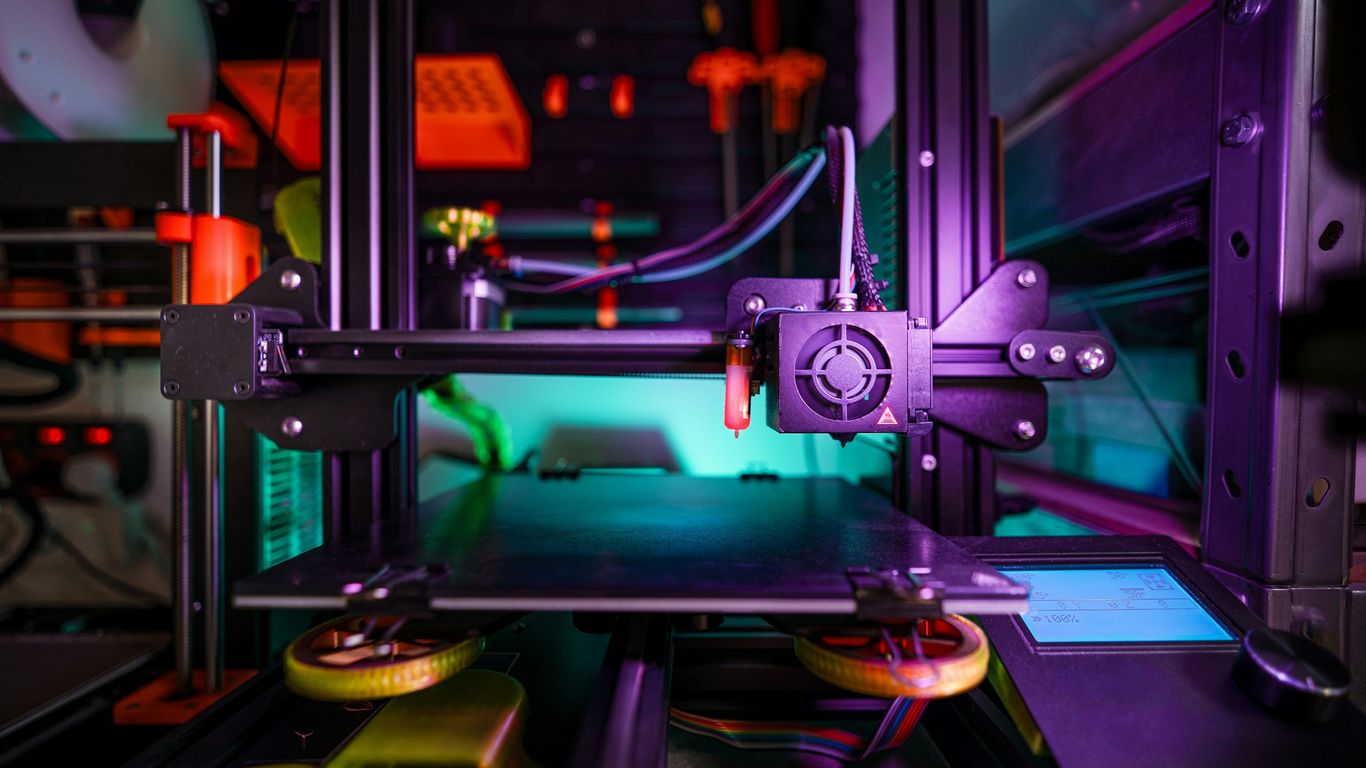
Imagine a surgeon about to operate on a heart. Instead of just looking at scans, they can now hold a perfect, 3D-printed replica of the patient’s actual heart. This is a game-changer. Researchers like those in the School of Biological and Health Systems Engineering have been working on ways to create these detailed models. They start with patient scans and then use advanced 3D printing to build a physical copy. This allows surgeons to practice the procedure beforehand, getting a feel for the unique anatomy and planning the best approach. It’s like having a practice run for a really high-stakes operation, which can lead to better outcomes and fewer surprises during surgery.
Biomedical Engineering Innovations
Beyond heart models, ASU’s biomedical engineers are involved in a lot of other cool stuff. They’re developing new ways to help the body heal itself, like creating engineered tissues. Some startups, born from ASU research, are even working on ways to stop the body from rejecting transplanted cells, which is a big hurdle in treatments. There’s also work happening in making health monitoring more accessible. Think about devices that can track your vital signs using your phone – that’s partly thanks to ASU’s work in bioelectronics and sensors. It’s all about using technology to make healthcare more effective and easier to get.
ASU’s Contribution to Medical Technology
It’s clear ASU is a hub for medical tech advancements. They’re not just doing theoretical research; they’re turning ideas into real tools. Here’s a quick look at some areas:
- Personalized Medicine: Creating patient-specific models and treatments.
- Regenerative Medicine: Developing ways to repair damaged tissues and organs.
- Remote Monitoring: Building devices and apps for easier health tracking at home.
- Biomaterials: Innovating materials used in medical devices and implants.
This focus on practical applications means ASU is directly impacting how medical care is delivered, making it more precise and potentially more affordable for everyone.
The Cutting Edge of ASU Robot Technology
Robotic Dogs for Risky Environments
ASU researchers are pushing the boundaries with robots designed to go where humans can’t, or shouldn’t. Think about disaster zones or areas with dangerous chemicals. These aren’t your average Roombas; we’re talking about sophisticated robotic platforms, sometimes even resembling dogs, that can navigate tough terrain. These machines are equipped with advanced sensors and AI to map out environments, identify hazards, and even perform basic tasks, all while keeping human responders safe. It’s about getting eyes and hands into places that are too risky for people.
AI Systems for Pipeline Inspection
Checking miles and miles of pipelines, whether for oil, gas, or water, is a huge job. ASU is developing AI systems that can work with robotic tools to make this process much more efficient and thorough. Instead of relying solely on manual inspections, these AI-powered systems can analyze data from sensors on robots moving through or around the pipelines. They can spot tiny cracks, corrosion, or leaks that might be missed by the human eye. This means quicker repairs and a safer infrastructure for everyone.
ASU’s Autonomous Agents and Intelligent Robots Lab
At the heart of much of this innovation is ASU’s Autonomous Agents and Intelligent Robots Lab. This is where a lot of the theoretical work meets practical application. Researchers here are focused on creating robots that can not only perform tasks but also learn and adapt. They’re exploring how AI can make robots more independent and capable of complex decision-making. This lab is a hub for developing the next generation of intelligent machines, from those that can help around the house to more specialized industrial applications.
ASU Robotics in Disaster Response and Safety
When disaster strikes, every second counts. ASU is working on ways to use robots and AI to help out when things go wrong, making response efforts quicker and safer. Think about situations where it’s just too dangerous for people to go in – like after an earthquake or a chemical spill. That’s where robots can step in.
AI-Powered Disaster Preparedness
ASU researchers are teaming up with state emergency services to use AI for better disaster planning. The idea is to get ahead of problems. This means using smart systems to spot potential threats before they become major issues. It’s about analyzing data to figure out where resources might be needed most and how to get them there fast. This proactive approach could save lives and reduce damage.
Robots for Hazardous Environments
There are places too risky for humans. Robots can be sent into these areas to gather information or even perform tasks. Imagine robots that can check for structural damage in a collapsed building or detect hazardous materials. They can operate in conditions that would be impossible for people, like extreme heat, toxic fumes, or areas with high radiation. This keeps human responders out of harm’s way while still getting the job done.
Safety in Physical AI Systems
As robots get smarter, we also need to make sure they’re safe to be around. This is especially true when they’re working in unpredictable environments or alongside people. Researchers at ASU are looking into how to prevent AI systems from making mistakes or developing biases that could cause harm. It’s a complex challenge, but it’s important work to make sure these advanced machines are reliable and secure when we need them most.
The Road Ahead
It’s pretty clear that ASU’s work with robots is going way beyond just cool science projects. We’ve seen how these machines are already starting to help out on farms, tackling tough jobs like weeding and making things easier for farmers dealing with fewer workers. And it’s not just about the fields; there’s a lot of effort going into making robots that can help us at home, doing chores or even assisting people in ways we haven’t fully imagined yet. From helping surgeons prepare for operations with 3D models to inspecting pipelines to keep our infrastructure safe, the applications are really spreading out. It feels like we’re just scratching the surface of what these smart machines can do, and it’s exciting to think about how they’ll continue to change our daily lives and industries in the coming years.