The Internet of Things, or IoT, is really changing how we do things, not just in our homes but in big industries too. It’s all about connecting everyday objects to the internet so they can send and receive information. This might sound simple, but it’s opening up a bunch of new possibilities for making our lives easier and businesses run better. We’re seeing applications of IoT pop up everywhere, from making sure your doctor knows how you’re doing when you’re not in the office, to helping factories run more smoothly. It’s pretty wild how much this technology is impacting our world.
Key Takeaways
- IoT is making healthcare more accessible through remote monitoring and real-time patient data.
- In factories, IoT helps predict when machines need fixing and automates production lines.
- Smart cities use IoT to manage traffic better and use resources like water and energy more wisely.
- The energy sector is using IoT to manage power grids and integrate renewable sources more effectively.
- Transportation and logistics benefit from IoT with better fleet tracking and route planning.
Revolutionizing Healthcare Through Connected Devices

It’s pretty wild how much technology is changing the way we handle health these days. Think about it – instead of just seeing your doctor when something feels really wrong, we’ve got all these connected gadgets now. They’re basically keeping an eye on us all the time, sending information back to the pros.
Remote Patient Monitoring and Diagnostics
This is a big one. You know how people with ongoing conditions like heart problems or diabetes often need to go to the doctor a lot? Well, with IoT, they can wear devices – like smartwatches or special patches – that track things like heart rate, blood pressure, or glucose levels right from home. This constant stream of data means doctors can spot issues early, sometimes before the patient even feels sick. It can mean fewer trips to the clinic and quicker adjustments to treatment plans. It’s like having a doctor’s office on your wrist, but way less intrusive.
Enhanced Patient Care with Real-Time Data
Beyond just monitoring, these devices give doctors a much clearer picture of what’s going on. Imagine a smart inhaler that tells your doctor how often you’re actually using it and if you’re getting the full dose. Or a connected glucose monitor that sends readings directly to your endocrinologist. This isn’t just about collecting numbers; it’s about using that information to make better decisions for each person. It helps tailor treatments more precisely, which should lead to better results and a smoother recovery if you’re sick.
Improving Healthcare Operations and Accessibility
It’s not just about patients at home, either. Hospitals are getting smarter too. Think about tracking medical equipment so it’s always where it needs to be, or systems that help manage patient flow more efficiently. This can cut down on wasted time and resources. Plus, for people living in rural areas or those with mobility issues, remote monitoring and telehealth appointments made possible by IoT can make a huge difference in getting the care they need without having to travel long distances. It really opens up access for a lot more people.
Transforming Industrial Operations with IoT
It’s pretty wild how much the Internet of Things (IoT) is changing the way factories and other industrial places work. We’re talking about connecting machines, sensors, and systems so they can talk to each other and share information. This isn’t just about making things fancier; it’s about making them work better, last longer, and cost less to run. The real game-changer is the ability to collect and use data from every corner of the operation.
Predictive Maintenance for Equipment Longevity
Remember when machines would just break down, stopping everything? IoT is helping us move past that. By putting sensors on equipment, we can watch things like temperature, vibration, and pressure in real-time. If a machine starts acting weird, like vibrating a bit too much or getting hotter than it should, the system flags it. This means we can fix a small issue before it becomes a big, expensive problem that shuts down the whole line. It’s like giving your machines a regular check-up, but way more advanced.
Here’s a quick look at what we monitor:
- Vibration levels
- Temperature fluctuations
- Pressure readings
- Energy consumption patterns
Smart Factories and Automated Production
This is where things get really automated. In a smart factory, different machines and systems are all linked up. They can share data and make decisions on their own. For example, if one machine finishes its part, it can automatically tell the next machine to start. This makes the whole production process flow much smoother and faster. It also means factories can change what they’re making more easily, adapting to what customers want without a huge hassle. It’s all about making production more flexible and efficient.
Optimizing Supply Chains with Real-Time Tracking
Getting products from where they’re made to where they need to go can be complicated. IoT helps by putting tracking devices on shipments and vehicles. This way, everyone involved knows exactly where everything is at any given moment. If a truck is delayed or a shipment is going off course, people get an alert right away. This helps avoid problems, makes sure deliveries are on time, and generally makes the whole process of moving goods much more reliable. It cuts down on lost items and makes planning deliveries a lot less guesswork.
Enhancing Urban Living with Smart City Applications
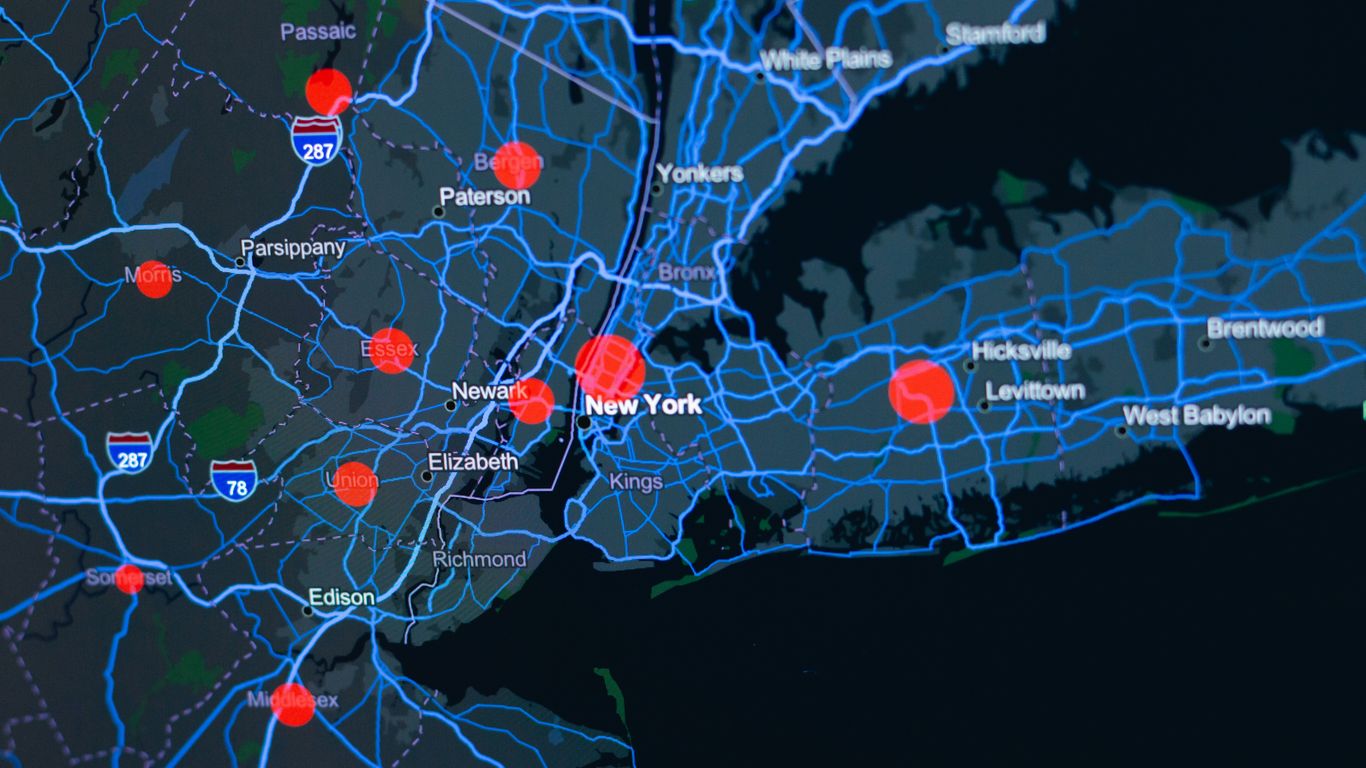
Cities are getting bigger, and with that comes a whole host of challenges. Think traffic jams that never seem to end, resources stretched thin, and keeping everyone safe. That’s where the Internet of Things, or IoT, steps in to help make urban life a bit smoother. IoT devices are basically sensors and gadgets that talk to each other, collecting information to help city managers make better decisions.
Intelligent Traffic Management Systems
Nobody likes being stuck in traffic. IoT helps by putting sensors on roads and at intersections. These sensors can tell how much traffic there is and where it’s heaviest. This information can then be used to adjust traffic light timings in real-time. Imagine lights changing just as a big wave of cars approaches – it could really cut down on those frustrating delays. It’s also about making public transport more reliable. By tracking buses and trains, cities can give people accurate arrival times and even reroute vehicles if there’s a problem on the road. This kind of data-driven approach can make getting around town a lot less of a headache. For a look at some of these innovative solutions, you can check out ten smart city solutions.
Efficient Utility and Resource Management
Cities use a ton of resources, from water and electricity to waste disposal. IoT can help manage these more effectively. Smart meters, for example, can track how much electricity or water is being used in homes and businesses. This data helps utility companies understand demand better and can even help identify leaks or inefficiencies. When it comes to waste, sensors in trash bins can signal when they’re full. This means garbage trucks only need to go to bins that actually need emptying, saving fuel and time. It’s all about using what we have more wisely.
Improving Public Safety and Services
Keeping citizens safe is a top priority. IoT plays a role here too. Connected cameras and sensors can help monitor public spaces, providing real-time information to emergency services. If there’s an incident, response times can be quicker because authorities have a better picture of what’s happening. IoT can also be used for environmental monitoring, like detecting high levels of air pollution or potential flood risks. This allows cities to warn residents and take preventative measures. It’s about using technology to create a more secure and responsive urban environment for everyone.
Driving Efficiency in Energy and Utilities
The energy and utilities sector is undergoing a massive shift, and the Internet of Things (IoT) is right at the heart of it. Think about it: managing power grids, water systems, and gas distribution is incredibly complex. IoT is stepping in to make all of this much smarter and, frankly, less wasteful.
Smart Grid Management for Distribution
Remember the old days of power outages and unpredictable energy flow? IoT is changing that with smart grids. These systems use sensors all over the place to keep an eye on electricity generation and distribution in real-time. They can figure out where demand is high and adjust supply accordingly. Plus, they’re pretty good at spotting problems before they cause a blackout. This means more reliable power for everyone. The global IoT in utilities market is growing fast, showing just how much this tech is being adopted.
Automated Controls for Energy-Efficient Buildings
Buildings, especially large ones, use a ton of energy for heating, cooling, and lighting. IoT systems can automate these functions. Imagine lights dimming when no one’s in a room or the heating adjusting based on the outside temperature and how many people are inside. These systems learn and adapt, cutting down on wasted energy and, as a nice bonus, lowering utility bills. It’s about making our living and working spaces more intelligent.
Integrating Renewable Energy Sources
We’re all trying to use more green energy, right? Solar panels and wind turbines are great, but they can be a bit unpredictable. IoT helps manage these variable sources. It monitors how much energy is being produced and helps integrate it smoothly into the main power grid. This way, we can make the most of clean energy without messing up the power supply. Systems are being developed to improve solar energy utilization with real-time data collection and analysis.
Here’s a quick look at how IoT helps:
- Real-time Monitoring: Sensors track energy production and consumption constantly.
- Predictive Analytics: Helps forecast energy needs and potential issues.
- Automated Adjustments: Systems can make changes automatically to balance the grid.
- Fault Detection: Quickly identifies problems in the network.
Innovations in Transportation and Logistics
The way we move goods and people is changing, and a lot of that has to do with the Internet of Things, or IoT. It’s not just about fancy self-driving cars, though that’s part of it. Think about all the trucks on the road, the ships at sea, and the planes in the air – IoT is making them all smarter and more efficient.
Connected Fleets for Smarter Logistics
Companies that manage large groups of vehicles, like delivery services or trucking companies, are really benefiting from connected fleets. Basically, sensors and devices are put into each vehicle. These devices send back information in real-time. This means managers can see exactly where each truck is, how it’s being driven, and even its fuel level. This constant stream of data helps prevent delays and makes sure deliveries happen on time. It also helps cut down on wasted time when vehicles are just sitting around.
Vehicle Diagnostics and Performance Tracking
Beyond just knowing where a vehicle is, IoT is also about keeping it running well. Sensors inside the engine and other parts can monitor things like temperature, oil pressure, and how much fuel is being used. This information is super useful. Instead of waiting for a vehicle to break down, mechanics can get an alert when something looks like it might be a problem. This means they can fix it before it becomes a big, expensive issue, keeping the vehicles on the road and working.
Optimized Routes for Efficient Deliveries
Getting from point A to point B isn’t always straightforward. Traffic jams, road construction, and unexpected events can throw a wrench in the best-laid plans. IoT-powered navigation systems are way smarter than your average GPS. They look at live traffic information, weather reports, and even data from other connected vehicles to figure out the best way to go. This not only makes deliveries faster but also uses less fuel, which is good for the company’s wallet and the environment.
Advancing Agriculture with IoT Solutions
Farming is getting a serious tech upgrade, and it’s all thanks to the Internet of Things, or IoT. Gone are the days when farming was just about manual labor and guesswork. Now, we’re seeing a shift towards what’s often called smart farming, where connected devices and data play a huge role. This technology helps farmers make better decisions, use resources more wisely, and ultimately grow more food. It’s pretty amazing how sensors and software can transform fields and farms.
Precision Farming for Optimized Crop Yields
Think about your crops. Instead of watering everything the same way, imagine knowing exactly how much water each section of your field needs. That’s where precision farming comes in. IoT sensors are placed throughout the fields to measure things like soil moisture, nutrient levels, and even the health of the plants themselves. This information is sent back to the farmer, who can then use it to adjust irrigation and fertilization precisely where and when it’s needed. This means less wasted water and fertilizer, healthier plants, and, hopefully, a much bigger harvest. It’s a big change from just looking at the sky and hoping for the best. This approach helps farmers achieve better efficiency and resource management, contributing to significant advancements in farming. You can learn more about how smart farming leverages IoT applications with sensors to gather real-time environmental data here.
Resource Management in Agricultural Settings
Beyond just water and fertilizer, IoT helps manage all sorts of resources on the farm. This includes things like energy usage for equipment, tracking the condition of storage facilities, and even monitoring the effectiveness of pest control measures. For example, sensors can detect if a storage silo’s temperature is rising, alerting the farmer to a potential spoilage issue before it becomes a problem. Automated systems can also be programmed to turn on and off irrigation pumps only when necessary, saving electricity. It’s all about using what you need, when you need it, and not a drop or a watt more.
Monitoring Livestock and Environmental Conditions
It’s not just about the crops. IoT is also making waves in livestock management. Farmers can use wearable devices on their animals to keep track of their health, location, and activity levels. If a cow is acting strangely or wanders off, the farmer gets an alert. This can help catch illnesses early, prevent animals from getting lost, and generally improve herd management. On top of that, environmental sensors can monitor weather patterns, air quality, and even detect early signs of disease outbreaks in the surrounding area. This kind of constant vigilance helps protect the entire farm operation, from the smallest seedling to the largest animal.
The Road Ahead for IoT
So, we’ve seen how the Internet of Things isn’t just a fancy tech buzzword anymore. It’s really out there, making our homes smarter, our industries run better, and even helping keep us healthier. From tracking packages to managing power grids, IoT is quietly weaving itself into the fabric of our daily lives and work. It’s not always perfect, and there are definitely things to figure out, like keeping all that data safe and making sure different devices can talk to each other nicely. But one thing’s for sure: IoT is here to stay, and it’s only going to get more integrated into everything we do. The future looks pretty connected, and honestly, that’s kind of exciting.
Frequently Asked Questions
What exactly is the Internet of Things (IoT)?
Think of IoT as a giant network where everyday objects, like your fridge or a factory machine, are connected to the internet. These objects have tiny sensors that collect information and can even talk to each other or to you through an app. It’s like giving a voice and a brain to things that were usually silent and unthinking.
How does IoT help make homes smarter?
In smart homes, IoT makes things like lights, thermostats, and security cameras connect to the internet. This means you can control them with your phone, even when you’re not home. For example, you could turn on the lights before you get home or adjust the temperature to save energy.
Can IoT really help factories work better?
Yes, absolutely! In factories, IoT helps machines talk to each other. This means if one machine is about to break, it can warn others or even stop the line before a big problem happens. It also helps track products as they’re made, making everything run smoother and faster.
How does IoT help with things like traffic or city services?
In cities, IoT can make traffic lights smarter, so they change based on how many cars are actually there, reducing jams. It can also help manage trash pickup more efficiently by knowing which bins are full, or make sure water and electricity are used wisely by tracking usage.
What’s the benefit of using IoT in farming?
IoT in farming, sometimes called ‘precision farming,’ uses sensors to check the soil, weather, and plant health. This helps farmers know exactly when and where to water or add fertilizer, making sure crops grow their best while using less water and fewer resources.
Is IoT safe to use, or are there risks?
Like any technology, IoT has risks, especially when it comes to keeping your information private and secure. Companies are working hard to make these devices safer, but it’s always a good idea to be aware of what information your connected devices are collecting and how it’s being used.