In today’s world, getting noticed online is pretty important for businesses. There are so many ways to connect with people through the internet, and it can be a bit much to figure out. This guide is here to break down the different forms of digital marketing, making it easier to see how they all fit together. We’ll look at the main ways companies get their message out there online, from search engines to social media and beyond.
Key Takeaways
- Search engine optimization (SEO) helps people find your website when they search online.
- Content marketing involves creating useful stuff like blog posts or videos to get people interested.
- Social media marketing is about using platforms like Facebook or Instagram to connect with customers.
- Email and SMS marketing are direct ways to talk to people who already know your brand.
- Paid ads, like pay-per-click, can quickly get your message in front of potential customers.
Understanding the Core Forms of Digital Marketing
Search Engine Optimization For Visibility
So, you’ve got a website, that’s great. But how do people actually find it? That’s where Search Engine Optimization, or SEO, comes in. Think of it as making your website super attractive to search engines like Google. When people type in keywords related to what you offer, you want your site to pop up near the top of the results. It’s not just about stuffing keywords everywhere, though. It’s about creating good content that people actually want to read and making sure your website is easy for search engines to understand and for visitors to use. A well-optimized site means more eyes on your business, plain and simple. It’s a big part of getting noticed online.
Content Marketing For Engagement
Okay, so people found your site. Now what? You need to give them a reason to stick around and come back. That’s the job of content marketing. This means creating stuff that your audience finds interesting, helpful, or entertaining. We’re talking blog posts, videos, infographics, maybe even a podcast. The goal is to build a connection with your audience by providing value, not just by constantly pushing sales. When you consistently put out good content, people start to see you as an authority in your field. This builds trust, and trust is what turns casual visitors into loyal customers. It’s about building relationships through what you share.
Social Media Marketing For Connection
Let’s face it, most people are on social media these days. Platforms like Facebook, Instagram, Twitter, and LinkedIn are where a lot of conversations are happening. Social media marketing is all about joining those conversations and building a community around your brand. It’s not just about posting pretty pictures; it’s about interacting with your followers, responding to comments, and sharing content that sparks discussion. You can also use social media to run targeted ads, reaching specific groups of people who are likely to be interested in what you do. Building a strong social media presence helps you connect with your audience on a more personal level. It’s a dynamic way to stay in touch and keep your brand top-of-mind.
Leveraging Direct Communication Channels
Sometimes, you just need to talk directly to your customers, right? That’s where direct communication channels in digital marketing come in. Instead of hoping people stumble upon your message, you’re actively sending it to them. It’s like having a one-on-one chat, but on a much bigger scale. This approach is super useful for building relationships and getting people to take a specific action.
Email Marketing For Nurturing Leads
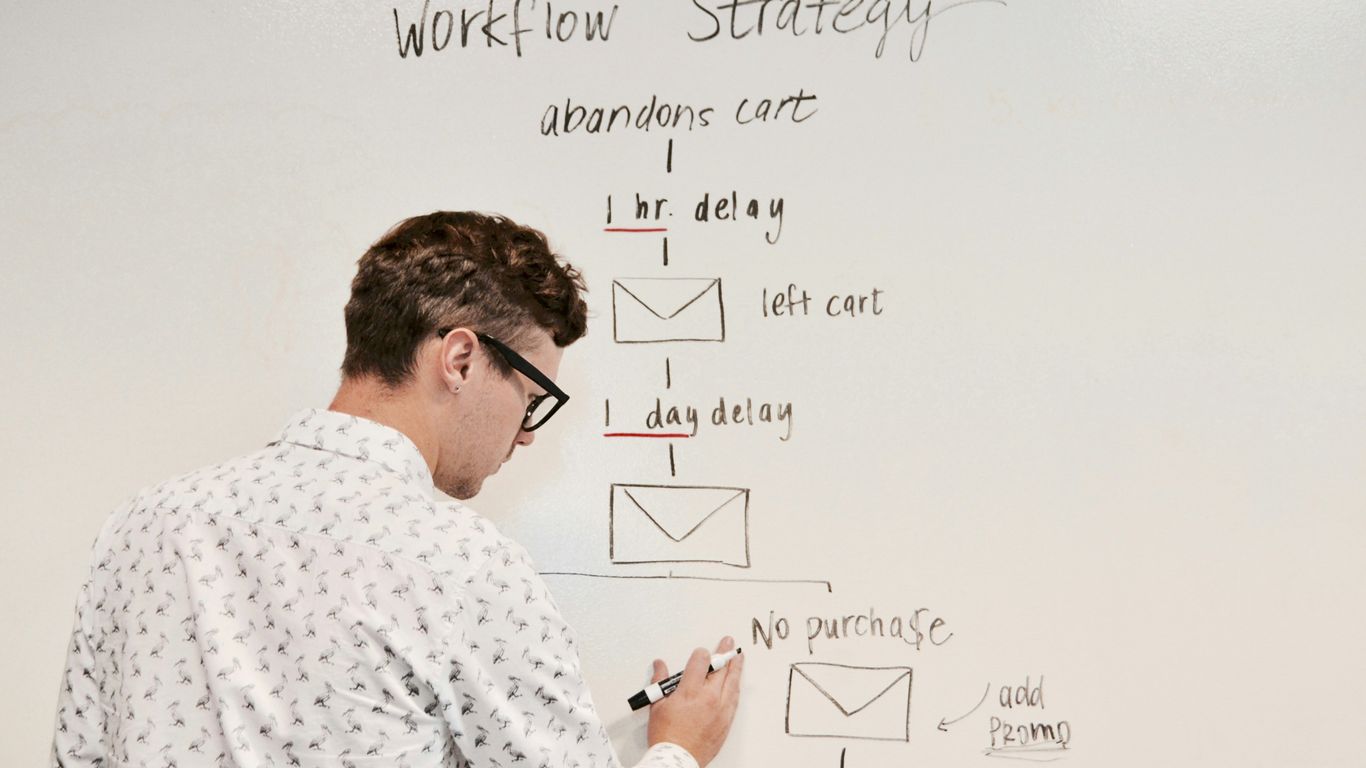
Email marketing is still a big deal, and honestly, it’s pretty effective. It lets you send personalized messages straight to someone’s inbox. Think of it as a way to keep in touch with people who have shown interest in what you offer. You can send them welcome emails when they first sign up, remind them if they left something in their online cart, or even suggest products they might like based on what they’ve looked at before. It’s all about keeping your brand top-of-mind and guiding them along the path to becoming a customer. The key is to send emails that people actually want to read, not just more spam.
Here’s a quick look at what makes email marketing work:
- Personalization: Using their name and tailoring content to their interests.
- Segmentation: Grouping your audience so you send the right message to the right people.
- Automation: Setting up emails to send automatically based on certain actions (like signing up).
- Clear Call to Action: Telling people exactly what you want them to do next.
SMS Marketing For Immediate Reach
Then there’s SMS marketing, which is all about getting a message out now. Since most people have their phones on them all the time and check texts frequently, SMS can be a really fast way to get attention. It’s great for time-sensitive offers, like a flash sale happening today only, or important updates, like a change in store hours. Because SMS messages are so direct, it’s important to use them sparingly and make sure the message is really worth sending. You don’t want to annoy people by flooding their inboxes with texts. It’s a powerful tool for direct marketing when used thoughtfully.
Driving Immediate Results with Paid Strategies
Sometimes, you just need to get your message out there now. That’s where paid strategies come in. Unlike waiting for search engines to notice you or hoping people share your content, paid advertising puts your brand directly in front of potential customers, often within minutes of launching a campaign. It’s like setting up a direct line to the people you want to reach.
Pay-Per-Click Advertising Fundamentals
Pay-Per-Click, or PPC, is a model where you pay a fee each time someone clicks on your ad. Think of it as buying a visit to your website. The most common place you’ll see this is on search engines like Google. When you search for something, you’ll notice ads at the top or bottom of the results page – those are usually PPC ads. You bid on specific keywords that people are searching for, and when your ad matches a search, it can show up.
Here’s a quick rundown of how it works:
- Keyword Bidding: You decide which search terms (keywords) you want your ads to appear for. The more popular the keyword, the higher the bid might need to be.
- Ad Creation: You write the ad copy and choose where it will link on your website (your landing page).
- Payment: You only pay when someone actually clicks on your ad. This makes it pretty predictable for budgeting.
- Targeting: You can get really specific about who sees your ads – by location, time of day, device, and even what they’ve searched for before.
The big advantage here is control and speed. You can see results almost instantly, and you can adjust your spending and targeting on the fly. It’s a great way to test offers or drive traffic for a specific promotion.
Programmatic Advertising Explained
Programmatic advertising is basically using automated technology to buy and sell digital ad space. Instead of a human negotiating with a publisher for ad spots, software does it in real-time. It’s like an auction happening in milliseconds every time someone loads a webpage or app.
Think about it: there are billions of ad impressions happening every day across the internet. Programmatic advertising helps sort through all that noise to find the right audience for your ads.
Here’s a simplified look at the process:
- User Visits a Site: Someone browses a website or opens an app.
- Ad Auction: An auction happens instantly for the ad space on that page.
- Your Ad is Served: If your bid wins, your ad is shown to that specific user.
This technology allows for incredibly precise targeting. You can reach people based on their online behavior, demographics, interests, and even where they are in their buying journey. It’s a more sophisticated way to ensure your ad budget is spent reaching the most relevant people, rather than just casting a wide net. While it sounds complex, the goal is to make ad buying more efficient and effective.
Expanding Reach Through Influencer and Affiliate Marketing
Sometimes, you just need to get your product or service in front of more eyes, and that’s where influencer and affiliate marketing really shine. It’s like tapping into someone else’s established audience, people who already trust that person or platform. It can be a really smart way to grow without having to build everything from scratch yourself.
Collaborating With Influencers
Think of influencers as modern-day word-of-mouth marketers, but on a much bigger scale. These are people who have built up a following on social media, blogs, or YouTube, and their followers really listen to what they say. When an influencer talks about your product, it feels more genuine than a regular ad. It’s all about finding the right fit, though. You don’t just want someone with a ton of followers; you want someone whose followers are actually interested in what you offer. It takes some digging to find those people.
Here’s a quick look at what goes into it:
- Finding the Right People: Look beyond just follower numbers. Check out who their audience is, how much people interact with their posts, and if their vibe matches your brand. A beauty influencer might be great for a makeup brand, but probably not for a construction company.
- Building Relationships: It’s often better to work with influencers for a while, not just a single post. This lets them really get to know your product and talk about it more naturally over time. It builds more trust with their audience.
- Tracking What Works: You’ll want to see if their posts actually lead to people checking out your site or buying something. Using special links or discount codes can help figure this out.
The Power of Affiliate Partnerships
Affiliate marketing is a bit different but works on a similar idea: getting others to promote you. With affiliates, you set up a system where people (or other businesses) get a commission for every sale or lead they send your way. It’s a performance-based deal, meaning you only pay when you get results. This can be super cost-effective.
Here’s how it generally works:
- Setting Up Your Program: You need a way to track who sent the customer and then pay them. This involves choosing an affiliate platform or building your own system.
- Recruiting Affiliates: You’ll need to find people or websites that want to promote your stuff. This could be bloggers, review sites, or even other businesses in a related field.
- Paying Commissions: Decide how much you’ll pay. It could be a percentage of the sale or a set amount per lead. Making sure payments are accurate and on time is key to keeping affiliates happy.
It’s a win-win. They get paid for helping you make sales, and you get more customers without a huge upfront advertising cost. It’s a solid way to expand your reach.
Optimizing for User Experience and Conversions
So, you’ve got people visiting your website – that’s great! But are they actually doing what you want them to do? That’s where optimizing for user experience (UX) and conversions comes in. It’s all about making your website easy and pleasant to use, so visitors stick around and take action, whether that’s buying something, signing up for a newsletter, or filling out a contact form.
Conversion Rate Optimization Techniques
Conversion Rate Optimization (CRO) is basically the art and science of getting more visitors to complete a desired action on your site. It’s not just about getting more traffic; it’s about getting the right traffic and making sure your site is set up to turn them into customers or leads. The goal is to make the path to conversion as smooth as possible.
Here are some common ways to boost your conversion rates:
- A/B Testing: This is where you test two versions of something (like a button color or a headline) to see which one performs better. You show version A to half your visitors and version B to the other half, then see which one gets more clicks or sign-ups.
- User Journey Analysis: Think about how someone moves through your site. Where do they click? Where do they get stuck? Understanding this helps you fix any roadblocks that might be stopping them from converting.
- Landing Page Improvements: Your landing pages are super important. They’re often the first page someone sees after clicking an ad or a link. Making sure these pages are clear, compelling, and have a strong call to action is key.
- Form Optimization: Long, confusing forms can scare people away. Simplifying them and only asking for necessary information can make a big difference.
Website Design For Digital Success
Your website’s design is more than just how it looks; it’s about how it works for the people using it. A good design makes it easy for visitors to find what they need and understand your message. It builds trust and makes them feel comfortable interacting with your brand. Think about it: if a website looks outdated or is hard to navigate, you’re probably not going to stick around, right?
Key elements of good website design for digital success include:
- Clear Navigation: People should be able to find their way around your site without getting lost. Menus should be logical and easy to understand.
- Mobile Responsiveness: Most people browse on their phones these days. Your website needs to look and work great on any screen size.
- Fast Loading Speed: Nobody likes waiting for a page to load. Slow sites frustrate users and can lead them to leave before they even see what you have to offer. Optimizing images and code can help speed things up.
- Strong Calls to Action (CTAs): Tell people what you want them to do next! Buttons like "Shop Now," "Sign Up Today," or "Get a Free Quote" should be prominent and clear.
By focusing on making your website user-friendly and guiding visitors effectively, you’re setting yourself up for much better results. It’s about creating a positive experience that encourages people to engage and convert, ultimately contributing to your digital marketing success.
Emerging Forms of Digital Marketing
Digital marketing isn’t a static thing; it’s always changing. New ways to reach people pop up, and what worked last year might not be the best approach today. It’s like trying to keep up with the latest tech gadgets – there’s always something new on the horizon. Two areas that are really gaining traction and changing how businesses connect with customers are voice search optimization and interactive content.
Voice Search Optimization
Think about how often you use your phone or smart speaker to ask a question instead of typing it out. That’s voice search. People are talking to their devices more and more, and search engines are getting better at understanding natural language. This means businesses need to think about how their content sounds when spoken, not just how it looks on a screen.
- Focus on conversational keywords: Instead of just "best running shoes," people might ask, "What are the best running shoes for flat feet?" Your content should answer these kinds of questions directly.
- Aim for featured snippets: Search engines often pull answers directly from web pages for voice queries. Getting your content to appear as a featured snippet is a big win.
- Improve site speed: Voice search users expect fast answers. A slow website means they’ll likely move on to someone else.
Optimizing for voice search is about making your content easy for both search engines and people to understand quickly. It’s less about stuffing keywords and more about providing clear, concise answers to common questions.
Interactive Content Strategies
Remember when marketing was mostly one-way? You put out an ad, and people saw it. Interactive content flips that. It’s all about getting the audience involved, making them click, play, or answer questions. This makes the experience more memorable and can give you a lot of information about what your audience likes.
Here are a few types of interactive content that are working well:
- Quizzes and Polls: These are super popular. They’re fun for users and give you insights into their preferences. Think "What’s Your Marketing Style?" or "Which Product is Right for You?"
- Calculators and Tools: If you offer a service or product that involves numbers, a calculator can be incredibly useful. For example, a mortgage calculator or a savings goal planner.
- Contests and Giveaways: Who doesn’t like a chance to win something? These can generate a lot of buzz and collect user-generated content or email sign-ups.
When people actively participate with your content, they tend to remember your brand better and feel more connected to it. It’s a way to build relationships rather than just broadcast messages. As these technologies and approaches continue to develop, keeping an eye on them will be key for staying ahead in the digital marketing game.
Wrapping It Up
So, we’ve looked at a bunch of ways businesses can get noticed online, from making sure people find them on Google to chatting with them on social media and sending out emails. It’s a lot, right? But the main thing is that all these different parts work together. You can’t just do one thing and expect magic. It’s about figuring out what works for your specific customers and then putting those pieces together. The online world changes fast, so what works today might need a tweak tomorrow. The businesses that do well are the ones that keep an eye on things, try new stuff, and aren’t afraid to adjust their plans. It’s all about connecting with people where they are, and these days, that’s mostly online.
Frequently Asked Questions
What is digital marketing?
Digital marketing is like using the internet and online tools to tell people about a business or product. Think of it as advertising, but online, using websites, social media, emails, and search engines to reach customers.
Why is SEO important?
SEO, or Search Engine Optimization, helps your website show up higher when people search for things on Google. It’s like making your store easier to find in a big online mall so more people can visit.
How does social media marketing help businesses?
Social media marketing is about using platforms like Facebook or Instagram to talk to customers, share interesting stuff, and build a community around your brand. It helps people get to know and like your business.
What’s the point of email marketing?
Email marketing lets businesses send messages directly to people who have signed up to hear from them. It’s a great way to share news, special offers, or helpful tips to keep customers interested.
What is Pay-Per-Click (PPC) advertising?
PPC advertising means you pay a small amount each time someone clicks on your ad, which usually shows up when people search online. It’s a way to get immediate attention and drive traffic to your website.
Why is content marketing useful?
Content marketing is about creating helpful and interesting things like blog posts, videos, or guides that people want to read or watch. It helps attract customers by offering value and showing that your business knows a lot about its topic.