
Ever wonder how those logos you see every day came to be? It’s not just about pretty pictures; the advertising age logo has a really long history. Think about it, branding started way back when people used seals. Now, it’s all about digital stuff. We’re going to take a look at how logos and advertising have changed over time, from ancient times all the way to what we see now. It’s a pretty wild ride, honestly, and shows how much things have shifted.
Key Takeaways
- The idea of branding and visual identity goes way back, starting with ancient seals and medieval heraldry before modern advertising even existed.
- The Industrial Revolution really kicked things off for logos, making companies need clear ways to stand out with mass production.
- The ‘Golden Age’ of advertising, with radio and TV, brought in creative agencies and made logos more about emotion and lifestyle.
- Design systems and adaptive logos, like MTV’s, showed that logos could be part of a bigger picture and change with the times.
- Today, logos are super distilled and rely on psychology and data, especially with the huge impact of the digital world and social media.
The Genesis Of The Advertising Age Logo
Before we had slick digital designs and catchy slogans, advertising was a much simpler affair. Think back to a time when brands weren’t really a thing in the way we understand them today. It all started with basic identification, a way for people to know who was selling what. This early stage laid the groundwork for everything that came after.
Ancient Seals And The Dawn Of Branding
Long before logos, people used seals. These weren’t for branding products, but more for marking ownership or authenticity. Imagine a potter stamping their unique mark onto a clay pot. It was a personal signature, a way to say, "I made this." This practice, going back thousands of years, is a really early ancestor to the idea of a brand mark. It’s about distinguishing one item from another, a fundamental concept in advertising history. These early marks were often simple symbols or initials, etched into materials like clay, metal, or wax. They served a practical purpose, but they also hinted at the power of a unique identifier. The concept of a unique mark is something that would eventually become central to how businesses present themselves.
Medieval Heraldry: Precursors To Modern Logos
Fast forward to the Middle Ages. Heraldry, with its coats of arms and family crests, took the idea of unique symbols a step further. Knights and noble families had their own distinct symbols, displayed on shields, banners, and armor. These weren’t just pretty pictures; they represented lineage, status, and allegiance. While not directly advertising goods, heraldry established a visual language for identity. It showed how symbols could communicate complex information quickly and powerfully. Think of a knight’s crest – you knew who they were and where they came from just by looking at it. This visual shorthand is a direct precursor to how logos function today, acting as instant identifiers in a crowded visual landscape. The structured nature of heraldic design also influenced later design principles, emphasizing balance and clear representation.
The Printing Press And Early Advertisements
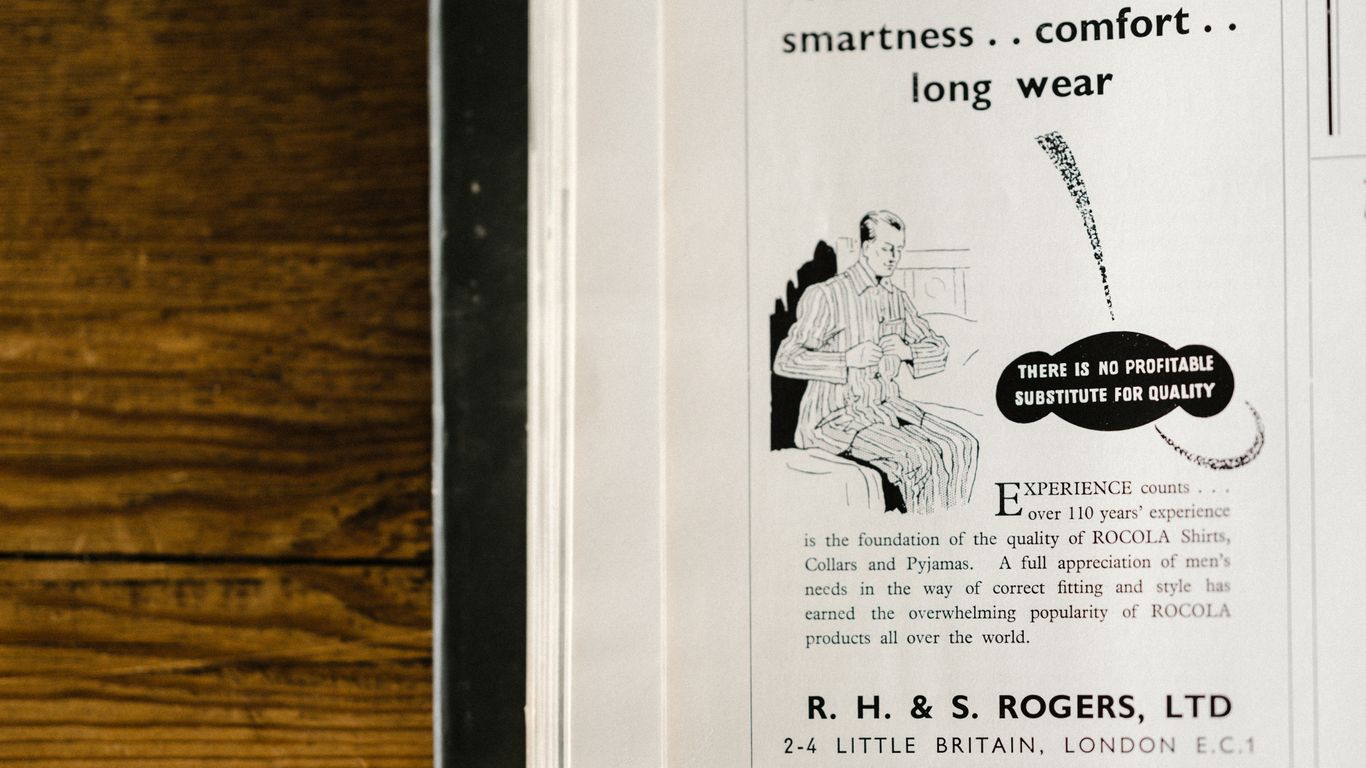
The invention of the printing press in the 15th century was a game-changer. Suddenly, information could be reproduced and distributed on a scale never before possible. Early advertisements started appearing in printed materials, mostly simple notices in newspapers or flyers. These were often text-heavy, announcing sales, services, or events. While not visually sophisticated by today’s standards, they marked a significant shift. For the first time, businesses could reach a wider audience with a consistent message. This was the beginning of mass communication in advertising. These early printed ads were the first steps towards what we now recognize as advertising, moving beyond simple word-of-mouth or static signs. The ability to print multiple copies meant that a business could present the same information to many people, a foundational element for building brand recognition. The evolution of printing technology directly fueled the growth of advertising, paving the way for more complex and visually engaging forms of communication in the centuries to come. The journey of technology, from early tools to modern AI, has always shaped how we communicate, and advertising is no exception. See key milestones in technology.
The Industrial Revolution And The Birth Of Brand Identity
So, the Industrial Revolution really kicked things into high gear for how businesses presented themselves. Before this, things were mostly made by hand, and you knew who made what. But then, BAM! Factories started churning out goods like crazy. Suddenly, there were tons of similar products flooding the market, and it became a real challenge to tell one from another. This is where the whole idea of brand identity really started to take shape.
Companies realized they needed a way to stand out, to make their stuff recognizable. It wasn’t just about making a good product anymore; it was about making people remember your product. This led to the widespread use of logos, trademarks, and catchy slogans. Think about it: if you’re a shopper, and you see a familiar symbol or name on a box, you’re more likely to grab that one, right? It’s like a shortcut for trust and quality, even if it’s just in your head. This whole shift was a pretty big deal for the history of branding.
Here’s a look at some key changes:
- Mass Production: Factories meant more goods, but also more competition. Businesses had to find ways to differentiate themselves.
- Need for Recognition: Logos and trademarks became visual shortcuts for consumers, helping them identify preferred brands.
- New Media: As more people could afford manufactured goods, advertising started appearing in new places, reaching broader audiences.
This era laid the groundwork for much of what we see in advertising today. It was all about creating that initial connection and making sure people could find you again in a sea of sameness. The emergence of logos and slogans was a direct response to this new, crowded marketplace.
The Golden Age Of Advertising And Iconic Visuals
Radio Jingles And Early Television Commercials
This period, roughly from the 1920s to the 1960s, really changed how companies talked to people. Before this, ads were mostly in newspapers or on posters. Then, radio arrived, and suddenly, you could hear ads right in your living room. Think catchy tunes and voices that stuck with you. It was a whole new way to grab attention. The introduction of television took things even further, adding pictures to the sound. Suddenly, ads weren’t just heard; they were seen. Companies could show their products in action, tell little stories, and create memorable visuals. It was like a mini-movie designed to sell something.
The Rise Of Advertising Agencies And Creativity
With these new, powerful media, a new kind of business popped up: the advertising agency. These places were full of creative minds – writers, artists, and strategists – all working together. They figured out how to make ads that didn’t just list features but actually connected with people. It was about crafting messages that people would remember and respond to. This era saw the birth of many advertising leaders who understood the psychology behind selling. They knew that a good ad needed to do more than just inform; it had to persuade.
Emotional Appeal And Lifestyle Association
Advertisers started realizing that people buy things not just because they need them, but because of how they make them feel. So, ads began focusing less on the nuts and bolts of a product and more on the lifestyle it represented. Think about ads that showed happy families using a certain brand of soda or successful people driving a particular car. They were selling an idea, a feeling, a way of life. This shift towards emotional connection and associating products with desirable lifestyles became a hallmark of this era and influenced iconic mid-century campaigns that still get talked about today.
Shaping Corporate Identity: The Power Of Design Systems
Back in the day, companies often struggled to keep their image consistent. It was a bit of a mess, honestly. But then, things started to shift. The idea of a "design system" began to take hold, which meant unifying all the visual stuff a company put out there. This wasn’t just about a logo anymore; it was about creating a whole visual language. Think of it like this: a logo is a single word, but a design system is the entire dictionary and grammar that makes sense of it.
Wiener Werkstätte’s Unified Visual Language
One of the earliest examples of this kind of thinking comes from the Wiener Werkstätte, a group in Vienna that started way back in 1903. Long before "corporate identity" was even a term, these designers and craftspeople were all about consistency. They didn’t just have a logo; they had a whole system. It included things like:
- A signature rose symbol.
- Monograms for the Werkstätte itself and for individual designers or producers.
- A specific shade of blue they called ‘Wiener Werkstätte blue’.
- A recurring square motif used everywhere.
They applied this to everything, from fancy letterheads to invoices and even the little details like the handle on a cupboard key. It was about creating a complete, immersive brand experience. This dedication to a unified look was pretty groundbreaking for its time and showed how powerful a consistent visual approach could be.
Paul Rand And The Masters Of Identity Design
Fast forward a bit, and you have designers like Paul Rand, Milton Glaser, and Alan Fletcher. These guys were absolute wizards who really defined what corporate identity meant in the latter half of the 20th century. Paul Rand, for instance, designed some of the most recognizable logos out there, and his work for IBM became a standard for the industry. They understood that a logo wasn’t just a standalone graphic; it was part of a much larger picture. Their work helped accelerate brand growth by making sure that every touchpoint a customer had with a company felt cohesive and professional. It was about building trust and recognition through a deliberate, unified visual strategy.
The Logo As Part Of A Broader System
So, what does this mean for the logo itself? It means the logo became just one piece of a bigger puzzle. Instead of just being a mark on a product, it became the anchor for a whole identity. This system approach helped companies, especially as they got bigger and more complex, to project a clear and consistent image. It’s like how Google designers use specific visual elements to build a consistent experience for their AI. The logo is still important, but its power comes from how it fits into the overall design strategy. This shift from a single mark to a comprehensive system was a major step in how we think about branding today.
The Television Era And Adaptive Logo Design
So, television really changed the game for logos, didn’t it? Before this, most logos were pretty much set in stone, meant to be seen on paper or maybe a sign. But TV? That was a whole different beast. It was all about motion, speed, and grabbing attention fast. This era saw logos break free from their static boxes and start to move.
Think about MTV. They totally shook things up in the early 80s. Their logo wasn’t just a static image; it was constantly changing, shattering, reforming, and playing with the screen. It was designed to fit right into the fast-paced, visual language of television. This showed everyone that logos didn’t have to be rigid. They could be flexible, adapting to the medium they were in. It was a pretty big shift from the old way of thinking about brand identity.
Here’s how things started to change:
- Embracing Motion: Logos began to be animated, appearing in station IDs and commercials in dynamic ways.
- Shattering Static Notions: The idea that a logo must always be presented in the exact same way was challenged. Brands realized their logos could be more fluid.
- Fitting the Medium: Designers started thinking about how a logo would look and behave on a television screen, not just on a printed page.
This was a big step towards the more dynamic branding we see today, moving beyond simple product marks to something much more alive. It was a time when the nature of graphic identity started to shift dramatically with new media.
The Brand Era: Logos As Distilled Essence
So, we’ve seen logos go from simple marks to complex visual systems. Now, in what some are calling the "Brand Era," the logo’s job has shifted again. It’s not just about identifying a product anymore; it’s about capturing the whole idea, the whole feeling of a company. Think about it – companies aren’t just selling stuff; they’re selling a lifestyle, a set of values, a whole world.
From Product Mark To Visual Abstraction
Back in the day, a logo was pretty straightforward. It was like a stamp of approval on your product, saying, "Yep, this is ours, and it’s good quality." But things changed. As companies grew and competition heated up, the logo had to do more. It started to become less about the nuts and bolts of what the company made and more about the abstract idea it represented. It’s like the difference between a blueprint and a painting. The logo became a symbol, a shorthand for everything the brand stood for, even if that was just a feeling or an aspiration. This shift is a big part of the history of branding.
Nike’s Swoosh And The Power Of Branding
Take Nike, for example. Their little swoosh is everywhere, right? It’s on shoes, shirts, ads – you name it. But what does it really mean? It’s not just about athletic wear anymore. For many people, that swoosh represents achievement, pushing your limits, maybe even a kind of transcendence. The logo became a powerful symbol, absorbing all the meaning and emotion that Nike built around its athletes and its message. It’s a great example of how a simple mark can become incredibly potent, representing something much bigger than the physical product itself. It’s a whole concept, really.
The Logo’s Evolving Role In Consumer Culture
This whole idea of brands becoming bigger than their products has really changed how we interact with them. It’s not just about buying something; it’s about aligning yourself with a brand’s identity. We see this everywhere, from people getting tattoos of brand logos to how we talk about brands as if they were people.
Here’s a quick look at how the logo’s role has changed:
- Early Days: Primarily a mark of origin and quality.
- Mid-20th Century: Became a key part of corporate identity, often tied to specific products.
- The Brand Era: Transformed into a distilled essence of the brand’s values, aspirations, and emotional appeal.
- Today: Acts as a gateway to a larger brand experience, often transcending the physical product.
It’s fascinating to see how a simple graphic element can carry so much weight in our culture. The evolution of the logo is really a story about how we, as consumers, connect with companies on a deeper level, looking for meaning beyond just the transaction. It’s a big part of understanding the evolution of branding.
The Digital Revolution And The Advertising Age Logo
The late 1990s really shook things up, didn’t they? Suddenly, the internet wasn’t just for email and chat rooms; it became this massive new place for ads. This whole digital shift meant logos had to start thinking differently. They couldn’t just sit pretty on a billboard or a magazine page anymore. They needed to work on tiny phone screens, website banners, and all sorts of online spaces. It was a big change from the days when the AdAge logo was mostly seen in print.
Internet Advertising And Real-Time Measurement
This was a game-changer. Companies could suddenly reach people all over the world, not just in their local town. And the best part? They could actually see if their ads were working, like, right away. Before, you’d run a TV ad and just hope for the best. Now, you could track clicks, views, and all sorts of data. This meant advertising got way more precise. You could target specific groups of people who were actually interested in what you were selling. It was like going from shouting into a crowd to having a one-on-one chat.
Social Media’s Impact On Brand Communication
Then came social media. Facebook, Twitter, Instagram – these platforms changed everything again. Brands could talk directly to their customers, build communities, and get instant feedback. It wasn’t just about pushing out a message anymore; it was about having a conversation. This made logos feel more personal, more part of people’s everyday lives. They started showing up everywhere, from profile pictures to shared posts, becoming a constant visual cue in the digital world. The need for logos to be adaptable across these new platforms became really clear, as highlighted by the evolution of logo design for digital spaces.
Influencer Marketing And Authentic Reach
And let’s not forget influencers. People started following individuals they trusted online, and brands realized they could tap into that trust. Working with influencers felt more real, more like a recommendation from a friend than a traditional ad. This meant logos got associated with personalities, adding another layer to how they were perceived. It was all about finding that authentic connection with audiences, and logos played a part in making those connections visible and memorable.
Modern Branding: Psychology, Data, And The Future
So, where are we now with logos and branding? It’s a wild ride, honestly. We’ve moved way beyond just slapping a symbol on a product. Today, it’s all about how a logo makes people feel and what it makes them think. Think about it: why do some colors just feel right for certain brands? That’s psychology at play. Red might make you feel excited or urgent, like when you see a fast-food sign, while green often signals something natural or healthy. It’s not accidental; designers pick these colors on purpose to get a specific reaction. The goal is to build a connection, to make the brand feel like a friend or an aspiration.
Psychology In Logo Design And Brand Association
This is where things get really interesting. Brands spend a lot of time figuring out what makes us tick. They use what we call color theory and typography – basically, the study of how colors and fonts affect us. A sleek, minimalist logo might suggest innovation and elegance, like Apple’s famous bitten fruit. On the other hand, a more playful, rounded logo could aim for approachability and fun. It’s about creating a whole vibe. The logo becomes a shortcut for all these feelings and ideas we associate with a brand. It’s like a tiny symbol that carries a huge amount of meaning, built up over years of advertising and customer experiences. This is why a simple shape can become so powerful; it’s been carefully crafted to tap into our subconscious.
Data-Driven Advertising Strategies
But it’s not just about feelings anymore. We’re also swimming in data. Companies are collecting information like never before, figuring out what we click on, what we buy, and even what we look at for a few seconds too long. This data helps them make smarter choices about their advertising and, by extension, their logos. They can see what designs are getting noticed and what messages are getting through. It’s a constant cycle of testing and refining. For example, they might notice that a certain shade of blue in their logo performs better in online ads targeted at younger audiences. This kind of feedback loop means logos aren’t static; they can evolve based on real-world performance. It’s a far cry from the old days when a logo was just designed and then set in stone. This approach helps brands stay relevant and connect with people more effectively in a crowded market. It’s all about understanding the audience better, and data gives us a clearer picture than ever before.
The Evolving Advertising Age Logo In A Globalized World
And then there’s the whole globalization thing. Brands aren’t just local anymore; they’re everywhere. This means a logo has to work across different cultures and languages. What looks good and means one thing in the US might mean something totally different, or just fall flat, in Japan or Brazil. So, designers have to think about universal appeal. They aim for simplicity and clarity, making sure the logo can be understood and appreciated by as many people as possible. It’s a balancing act, trying to maintain a unique identity while also being globally accessible. This push for broader appeal is a big part of why we see so many simple, abstract logos today. They’re designed to be easily recognizable and adaptable, no matter where you are in the world. It’s a challenge, for sure, but it’s also what makes modern branding so fascinating. The quest for effective modern logos continues, focusing on simplicity and memorability across diverse audiences [0fd7].
The Never-Ending Story of the Advertising Age Logo
So, we’ve seen how the Advertising Age logo has really changed over time. It started out pretty basic, just a way to get noticed, and then it grew into something much bigger. Think about the shift from simple signs to those flashy TV ads, and now to everything we see online. Each step shows how advertising itself was changing, trying to keep up with new tech and what people wanted. It’s pretty wild to think about how a logo can tell a whole story about where we’ve been. And honestly, with how fast things move today, who knows what the logo will look like next year, let alone in another decade. It’s definitely not going anywhere, though; it’ll just keep adapting, just like it always has.
Frequently Asked Questions
When did advertising start?
Advertising has been around for a very long time! Even in ancient times, people used simple signs and word-of-mouth to tell others about things for sale. When the printing press was invented, ads started appearing in newspapers, which was a big step forward.
How did the Industrial Revolution change advertising?
The Industrial Revolution was a game-changer. Factories started making lots of products, so companies needed ways to make their stuff stand out. This is when logos and catchy slogans became important for telling products apart. Advertising also started reaching more people through newspapers and posters.
What was the ‘Golden Age of Advertising’?
This was a super creative time, roughly from the 1920s to the 1960s. With new tools like radio and then TV, advertisers could tell stories and connect with people in exciting new ways. Think catchy jingles and memorable TV commercials!
How did TV change logos?
TV was a big deal! The MTV logo, for example, was revolutionary because it could change and move. It showed that logos didn’t have to be stuck in one form; they could be animated and adapt to the fast-paced world of television.
What is the ‘Brand Era’?
This is the time we’re in now, where brands are more than just products. Think of Nike’s swoosh – it represents a whole idea or feeling. Logos in this era are like a simplified picture that captures the main idea of a company.
How does technology affect advertising today?
Technology has totally transformed advertising. The internet lets us measure ads instantly, and social media allows brands to talk directly with customers. Now, companies use lots of data to figure out exactly who to show their ads to, making them more personal and effective.