China is really stepping up its game when it comes to growing food indoors. They’ve been pushing hard on vertical farming, which is basically growing crops in stacked layers, often inside buildings. It’s a pretty smart way to deal with having lots of people in cities and not much farmable land. This whole vertical farming in China thing is moving fast, thanks to new tech and government backing. Let’s look at what’s happening.
Key Takeaways
- China has launched its first fully automated, unmanned vertical farm, showcasing advanced robotics and AI for crop production.
- The country is heavily investing in vertical farming as part of a national strategy to ensure food security and manage urban growth.
- Innovations in LED lighting and AI-driven environmental controls are making vertical farming more efficient and productive.
- The vertical farming market in China is experiencing rapid growth, driven by government support, technological advancements, and increasing demand for local produce.
- Future developments in China’s vertical farming sector include expanding crop varieties beyond leafy greens and integrating farms into urban buildings.
China’s Pioneering Vertical Farming Initiatives
Unveiling the First Unmanned Vertical Plant Factory
China has made a significant leap forward with the creation of its first fully unmanned vertical plant factory. Located in Chengdu, Sichuan Province, this impressive 20-story structure was developed by the Institute of Urban Agriculture, part of the Chinese Academy of Agricultural Sciences. It’s a big deal because it shows how serious China is about using technology to grow food, especially in places where land is scarce. Think about it: stacking crops up high instead of spreading them out wide. This approach is a game-changer for cities.
Addressing Urban Agriculture Challenges
Growing food in cities presents some unique problems. Land is expensive and limited, and getting fresh produce to people quickly can be tough. Traditional farming methods just don’t fit well into dense urban landscapes. Vertical farming offers a solution by maximizing the use of vertical space, allowing for more food to be grown per square meter. However, making sure plants get enough light and water when they’re stacked high has always been a hurdle. The team behind this new factory seems to have figured out some clever ways around that.
AI-Driven Growth and Harvesting
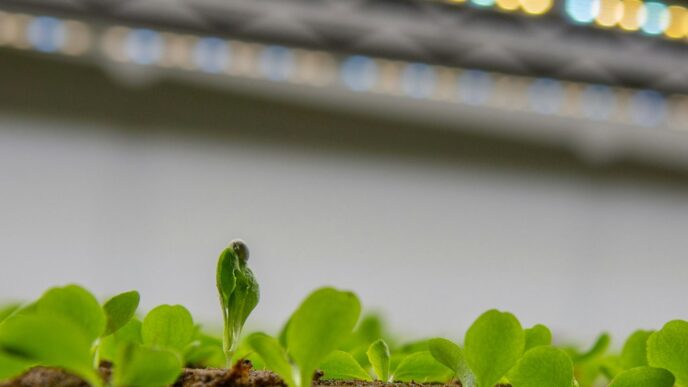
What really sets this new facility apart is its heavy reliance on artificial intelligence and robotics. Robots are already being used to grow and harvest crops, like lettuce, in as little as 35 days. This is made possible by an AI-powered control system that constantly monitors and adjusts everything inside the farm. This system uses special light formulas, mixing different colors of light at various stages of a plant’s life to get the best growth. They’ve even built a database with 1,300 different light combinations for 72 types of crops. It’s all about making sure each plant gets exactly what it needs, when it needs it, without human hands getting in the way.
Technological Innovations Driving Vertical Farming
Advanced Lighting Formulas for Optimal Growth
Forget those old-school grow lights. Today’s vertical farms are using super-specific LED light recipes. These aren’t just about brightness; they’re about wavelengths. Different colors of light, like red and blue, do different things for plants. Red light helps with flowering and fruiting, while blue light is great for leafy growth. Scientists are figuring out the exact mix and timing for each type of crop. This means plants get exactly what they need, when they need it, leading to faster growth and better quality. It’s like giving plants a perfectly tailored diet, but with light.
Robotics in Cultivation and Harvesting
Manual labor is a big bottleneck in farming, right? Well, not so much in these high-tech vertical farms. Robots are starting to do a lot of the heavy lifting. We’re talking about machines that can plant seeds with precision, move trays around, and even harvest the crops. This isn’t just about saving on labor costs, though that’s a big part of it. Robots can work 24/7 without getting tired, and they can perform tasks with a level of accuracy that’s hard for humans to match consistently. This means fewer mistakes and more predictable yields.
AI-Powered Environmental Control Systems
Imagine a farm that knows exactly what every single plant needs, all the time. That’s where AI comes in. Sensors all over the farm are constantly collecting data – things like temperature, humidity, CO2 levels, and nutrient concentrations in the water. AI systems take all this information and make tiny adjustments in real time. If the humidity is a bit too high, the system might adjust the ventilation. If a plant needs more nitrogen, the nutrient mix is tweaked automatically. This constant fine-tuning creates the perfect growing environment, minimizing waste and maximizing plant health. It’s a smart system that learns and adapts, making sure crops are always growing at their best.
Government Support and Policy Acceleration

China isn’t just letting vertical farming happen; they’re actively pushing it forward. It’s a big part of their plan to make sure everyone has enough to eat, especially with cities growing so fast and not a lot of farmland to go around. The government sees this tech as a way to solve some serious problems.
National Strategy for Food Security
Think of it this way: China has a massive population and limited land for traditional farming. Vertical farming offers a solution to grow food right where people live, cutting down on transportation and making sure fresh produce is available year-round. This focus on local, controlled food production is a cornerstone of their national food security strategy. It’s about building a more reliable food system that isn’t so dependent on imports or unpredictable weather.
Incentives for Ag-Tech Development
To get this whole vertical farming thing off the ground, the government is putting its money where its mouth is. They’re offering a bunch of incentives, like grants and tax breaks, to companies that are developing and implementing new agricultural technologies. This helps startups and established businesses invest in the fancy equipment and research needed to make these farms work efficiently. It’s like a big push to get the best minds and the best tech working on growing food indoors.
Integrating Vertical Farms into Urban Planning
This is where it gets really interesting. Instead of just letting vertical farms pop up anywhere, China is looking at how to build them right into the fabric of cities. This means thinking about where they fit in new buildings, how they connect to local markets, and how they can be part of a sustainable urban environment. It’s about making these farms a normal, everyday part of city life, not just some experimental project. They’re even looking at zoning laws and city design to make sure vertical farms have a place to grow, literally.
Market Growth and Investment Trends
Rapid Expansion of the Vertical Farming Market
The vertical farming scene in China isn’t just growing; it’s really taking off. It’s moved past being a small, experimental idea to a full-blown business sector. Think about it: more people want fresh food that hasn’t traveled miles, and there’s a lot more money going into farming tech. This combination means the industry is set for some serious expansion.
Globally, the market was worth about $3.76 billion back in 2021. Projections show it could hit $26.37 billion by 2030, and some forecasts even suggest it might reach a massive $96.33 billion by 2035. China is a big part of this, with its market expected to grow at a rate of nearly 28% annually between 2024 and 2029. That’s a huge jump.
Key Drivers of Industry Growth
So, what’s pushing all this growth? A few big things are at play:
- Urbanization: As more people move into cities, the need for food grown locally becomes more important. Vertical farms can be built right where people live, cutting down on transport.
- Climate Change: Unpredictable weather makes traditional farming harder. Controlled environments in vertical farms mean crops can be grown year-round, no matter what’s happening outside.
- Resource Efficiency: These farms use less land and water compared to traditional methods. They’re a smart way to produce food in places with limited space or water.
- Government Support: China, in particular, has made food security a national priority. This includes backing new farming technologies with policies and money.
Regional Market Dynamics
While the whole world is getting into vertical farming, China’s situation is a bit unique. The country has limited farmland but a huge population, making local food production a challenge. This is where vertical farming steps in. The government is actively supporting these initiatives, setting up tech parks and offering incentives for companies to innovate. This isn’t just about growing lettuce, either. The focus is on creating a stable, local food supply chain. Investment is pouring in, not just from local sources but also from international players looking to tap into this rapidly developing market. Startups are finding ways to make these farms more efficient, using data and smart systems to get the best results. It’s a dynamic landscape, with new farms popping up and existing ones scaling up to meet demand.
The Future of Vertical Farming in China
Crop Diversification Beyond Leafy Greens
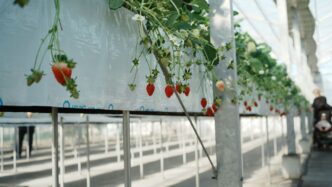
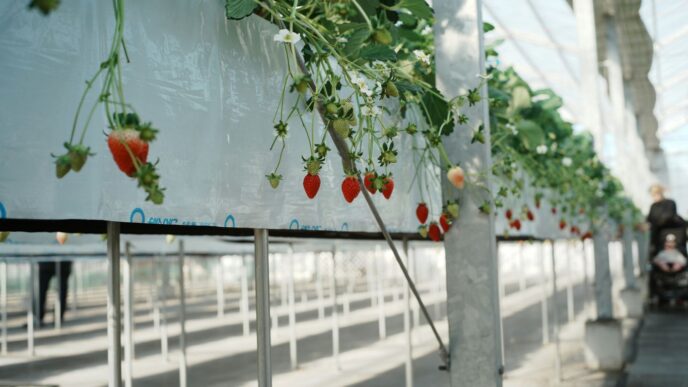
For a while there, vertical farms were mostly known for growing things like lettuce and kale. It was kind of their thing. But that’s changing, and fast. We’re seeing more and more farms start to grow a wider variety of produce. Think tomatoes, peppers, strawberries, and even some herbs. Tomatoes, for instance, are already a big deal, making up a good chunk of the market’s earnings. This shift is happening because the technology is getting better. We’ve got smarter lighting and ways to deliver nutrients that can handle more complex plants. This means vertical farms can offer more to consumers and become more stable businesses.
Integration into Urban Architecture
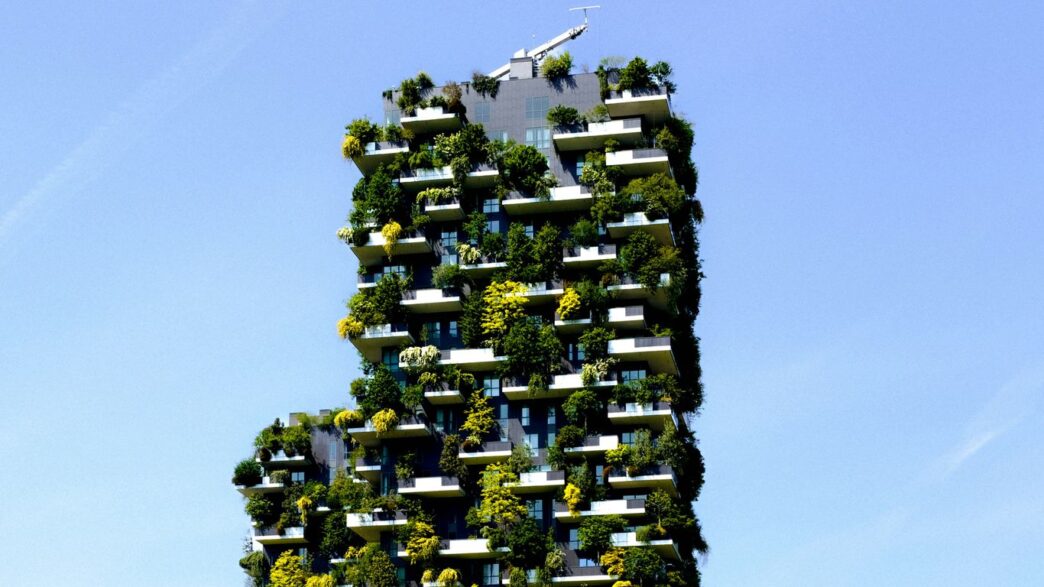
Imagine buildings that grow their own food. That’s the direction we’re heading. Vertical farms are starting to be built right into apartment complexes, offices, and public spaces. This "grow-it-where-you-live" idea cuts down on how far food has to travel, making it fresher for us and using less energy for transport. In China, this is already becoming part of how cities are planned. It’s a smart way to use space, especially in crowded areas, and it helps make sure people have access to fresh food right in their neighborhoods. It’s a pretty neat way to connect people more directly with where their food comes from.
Enhancing Food System Resilience
So, what does all this mean for the bigger picture? Vertical farming is becoming a key piece in making our food supply more dependable. With unpredictable weather patterns and a growing global population, relying solely on traditional farming is getting riskier. Vertical farms offer a controlled environment, meaning they can produce food consistently, year-round, regardless of what’s happening outside. This ability to grow food locally, in controlled conditions, helps reduce our dependence on long supply chains that can be easily disrupted. It’s about building a food system that can better handle challenges and keep us all fed.
Looking Ahead
So, it’s pretty clear that China is really pushing forward with vertical farming. They’ve got these super high-tech, robot-run farms now, which is kind of wild to think about. It’s not just about growing lettuce anymore; they’re figuring out how to grow all sorts of things, faster and with less space. With cities getting bigger and land getting scarcer, this kind of farming makes a lot of sense. It seems like a big part of their plan to make sure everyone has enough food, especially in urban areas. We’ll definitely be seeing more of these high-tech farms popping up, not just in China, but likely around the world too, as we all try to figure out how to feed ourselves more sustainably.
Frequently Asked Questions
What exactly is vertical farming?
Vertical farming is like growing plants in a tall building, with crops stacked up in layers. It’s a smart way to grow food in cities where there isn’t much land. Think of it as a super-efficient indoor farm that can grow food all year round, no matter the weather outside.
Why is China investing so much in vertical farms?
China has a lot of people and not much farmable land. Vertical farming helps them grow more food right in the cities, making sure everyone has enough to eat. It’s also part of their plan to be more self-sufficient and use new technology to solve food problems.
What kind of technology makes these farms work?
These farms use cool tech! They have special lights that give plants exactly what they need to grow fast. Robots help plant and pick the crops, and smart computers control the temperature, water, and air to make sure everything is perfect for the plants.
Can vertical farms grow more than just lettuce?
Yes! While they started with leafy greens like lettuce, they are now growing other things like tomatoes, peppers, and strawberries. Scientists are figuring out how to grow even more types of food, like fruits and vegetables that grow underground.
How does vertical farming help the environment?
Vertical farms use much less water than regular farms, sometimes up to 90% less! They also don’t need pesticides because they are indoors, and growing food closer to cities means less pollution from long-distance shipping.
Will we see vertical farms in our cities soon?
It’s very likely! Some cities are already starting to build farms into buildings, like apartments or offices. This means you could get super fresh food grown right in your neighborhood, making food systems stronger and more reliable for everyone.