
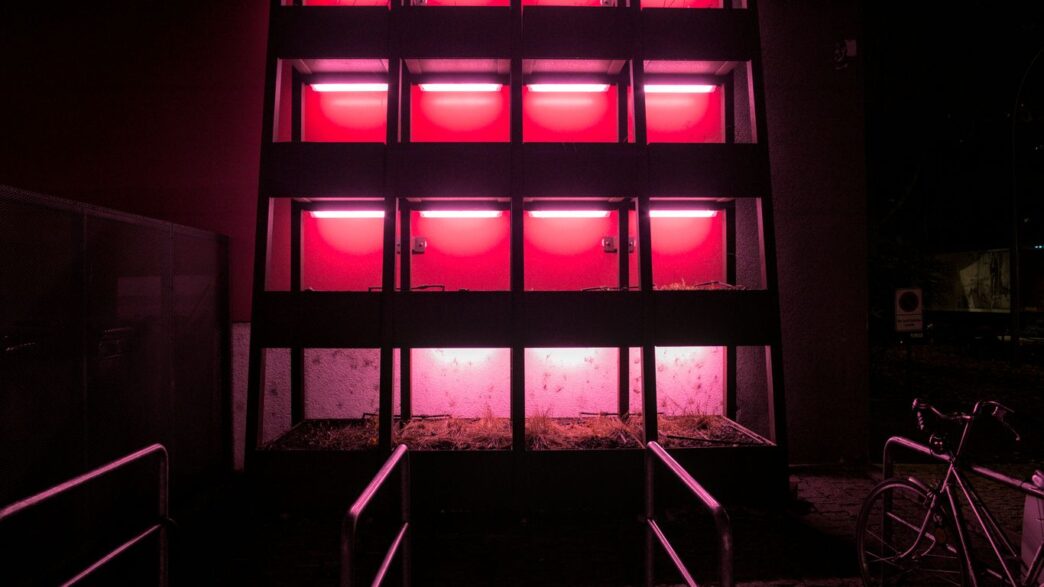
Farming is changing, and not just in the fields. We’re seeing a big shift towards using technology to grow our food, and one of the most interesting ideas out there is the cubic farm. Think of it as farming, but stacked up and controlled. It’s a way to grow more food in less space, using smart systems. This article looks at what cubic farm technology is all about and where it might be heading.
Key Takeaways
- Cubic farm systems use stacked layers and controlled environments to grow crops, making better use of space.
- Automation and AI play a big role in cubic farms, helping to manage everything from watering to lighting for optimal growth.
- These farms can save resources like water and land compared to traditional farming, and they can grow food all year.
- While the technology is promising, the initial cost and getting people to accept new farming methods are hurdles to overcome.
- Cubic farms can help make food production more local and reliable, which is important for food security.
Revolutionizing Agriculture With Cubic Farm Technology
The Core Principles of Cubic Farm Systems
So, what exactly makes Cubic Farm systems different? It’s all about stacking up the growing space. Instead of spreading out across acres of land, these farms grow crops in layers, kind of like a multi-story building for plants. This means you can grow a lot more food in a much smaller footprint. This approach is a big deal for places where land is scarce or expensive. They use controlled environments, which means things like temperature, light, and humidity are all managed precisely. This helps plants grow better and faster, no matter what’s happening outside.
Integrating Technology for Sustainable Growth
These farms aren’t just about stacking; they’re packed with tech. Think LED lights that give plants the exact spectrum of light they need, and hydroponics, where plants grow in nutrient-rich water instead of soil. This method uses way less water than traditional farming – sometimes up to 90% less. Plus, it cuts out the need for pesticides and herbicides, which is good for the environment and for us. It’s a smart way to grow food that uses resources more carefully.
Efficiency Through Automation and AI
Automation is a huge part of this. Robots and AI systems handle a lot of the work, from planting seeds to monitoring plant health. This precision means less waste and more consistent results. Data is collected constantly, helping farmers make better decisions about watering, feeding, and harvesting. It’s like having a super-smart assistant for every plant, making sure everything runs smoothly and efficiently.
The Cubic Farm Advantage in Modern Cultivation
Maximizing Yields in Controlled Environments
So, what makes these cubic farms so special? Well, for starters, they’re all about getting the most food out of the smallest space. Think about it – instead of spreading crops out over acres, you’re stacking them up, layer by layer. This means you can grow a whole lot more produce in the same footprint. It’s like turning a single-story building into a high-rise for plants. Because everything is inside and controlled, you don’t have to worry about the weather messing things up. No droughts, no floods, no unexpected frosts. This consistency means plants can grow faster and produce more, year-round. It’s a pretty big deal when you consider how much traditional farming relies on good weather.
Resource Conservation in Cubic Farm Operations
Beyond just growing more, cubic farms are also really good at not wasting stuff. Water is a big one. Traditional farming can use a ton of water, much of which just evaporates or runs off. In a cubic farm, especially with systems like hydroponics, the water is recirculated. This means you can use way less water – sometimes up to 90% less, which is pretty wild. Plus, since you’re not using soil, you don’t need pesticides or herbicides. This is better for the environment and means the food you get is cleaner. It’s a win-win, really. Less water, fewer chemicals, and still plenty of food.
Scalability and Modular Design Benefits
One of the coolest things about cubic farms is how they’re built. Many of them use a modular design, kind of like building with LEGOs. You can start with a few units, maybe a shipping container or two stacked up, and then add more as you need them. This makes it really flexible. If you want to grow more, you just add more modules. If you want to try growing something new, you can adjust the setup. This also means you can put these farms pretty much anywhere, even in urban areas where land is scarce. It’s not like you need a giant open field. You can fit them into existing buildings or set them up as standalone units. This adaptability is a huge plus for getting fresh food closer to where people live.
Innovations Driving the Cubic Farm Future
So, what’s really making these cubic farms tick? It’s not just stacking boxes; it’s a whole bunch of smart tech working together. Think of it like a high-tech greenhouse, but way more controlled and efficient.
Agrivoltaics and Renewable Energy Integration
One of the coolest things happening is combining solar power with farming. This is called agrivoltaics. Basically, solar panels are placed above or around the growing areas. They generate electricity to power the whole operation – the lights, the pumps, the climate control – all that stuff. This means cubic farms can run on clean energy, cutting down on their carbon footprint significantly. It’s a win-win: you get your crops grown and you’re also producing clean power.
Hydroponics and Advanced Water Management
Forget soil. Most cubic farms use hydroponics, which means growing plants in nutrient-rich water. This method is super water-wise. Instead of water just soaking into the ground and getting lost, it’s recirculated. This can save up to 90% of the water compared to traditional farming. Plus, you don’t need pesticides or herbicides because there’s no soil to carry pests. It’s all about giving the plants exactly what they need, when they need it, in a closed loop system.
Exploring Future Technologies for Cubic Farms
The innovation doesn’t stop here. People are looking at all sorts of new ideas. We’re talking about things like:
- Vertical Wind Turbines: Small turbines that could generate even more clean energy right on-site.
- Advanced Water Recycling: Going beyond current hydroponics to capture and purify even more water.
- Plant Sensors: Tiny sensors that can tell us exactly how a plant is feeling – if it needs more light, water, or nutrients, in real-time.
- AI for Pest Detection: Using artificial intelligence to spot potential problems before they become big issues.
It’s all about making these farms even more self-sufficient and productive, using less and less from the outside world.
Addressing Challenges in Cubic Farm Adoption
So, getting these high-tech farms up and running isn’t exactly a walk in the park. There are definitely some hurdles to clear before everyone can just start stacking these cubic farms everywhere.
The Cost Factor of Cubic Farm Implementation
Let’s be real, the biggest thing stopping a lot of folks is the price tag. Setting up a cubic farm system, especially a larger one, can cost a pretty penny. We’re talking millions of dollars for a decent setup, and that doesn’t even include the land you’ll need to put it on. It’s a huge upfront investment, and not every farmer or business has that kind of cash lying around. It makes you wonder how small operations are supposed to get in on this.
| System Size | Estimated Cost | Notes |
|---|---|---|
| Small Modular Unit | $50,000 – $150,000 | Suitable for research or small-scale commercial use. |
| Medium Farm (e.g., 26 modules) | $4.4 million+ | Excludes land and installation. |
| Large-Scale Operation | Varies significantly | Dependent on automation, capacity, and location. |
Navigating Regulatory Landscapes for Vertical Farms
Then there’s the whole red tape situation. Different towns and regions have different rules about where you can put a farm, what kind of structures you can build, and what environmental standards you need to meet. For example, some places are still figuring out how to deal with things like light pollution from the farm’s LEDs or noise from ventilation systems. It can be a real headache trying to get all the permits and approvals needed, and sometimes the regulations just aren’t clear yet for this new type of farming.
- Zoning Bylaws: Many municipalities are still developing specific zoning rules for vertical farms.
- Agricultural Land Reserves (ALR): Regulations around using ALR land for vertical farms can be complex and vary by region.
- Environmental Standards: Meeting requirements for water discharge, energy use, and waste management.
Overcoming Perceptions of Technology-Enabled Farming
Honestly, some people just don’t see these high-tech setups as ‘real’ farming. They’re used to seeing fields and tractors, not rows of plants under LED lights in a building. There’s a bit of a "reverse prejudice," as some call it, where technology-driven agriculture is viewed with suspicion. It’s a challenge to change that mindset and show that these methods can be just as productive, if not more so, than traditional farming, while using fewer resources. We need to educate people that farming is evolving, and technology is a big part of that evolution.
The Role of Cubic Farms in Food Security
Local Food Production and Reduced Wastage
Cubic farms are really changing the game when it comes to getting fresh food to people. Because these farms can be set up right in or near cities, they cut down on the long trips food usually takes from farms to our tables. Think about it: less travel time means less fuel used and, importantly, less food getting spoiled along the way. This is a big deal for reducing food waste, which is a massive problem globally. When you can harvest produce and have it on a store shelf or at your door within hours, not days, the quality is just better, and more of it actually gets eaten.
Year-Round Cultivation Capabilities
One of the most impressive things about cubic farm technology is its ability to grow food no matter the weather outside. Unlike traditional farms that are stuck with seasons, these controlled environments can operate 365 days a year. This means a steady supply of fresh produce, like leafy greens and herbs, is available even in the dead of winter or during extreme weather events. This consistent production helps stabilize food availability and can make prices more predictable for consumers. It’s like having a personal, indoor garden that never sleeps.
Enhancing Agricultural Resilience
Farming today faces a lot of challenges, from unpredictable weather due to climate change to global supply chain hiccups. Cubic farms offer a way to build more resilience into our food systems. By decentralizing food production and making it less dependent on external environmental factors, we create a more robust network. If one traditional farm is hit by drought or a flood, other cubic farms can keep producing. This ability to maintain output regardless of external conditions is key to ensuring that communities have access to food when they need it most. It’s about having backup systems in place so that disruptions don’t lead to shortages.
Research and Development in Cubic Farm Systems
Laser Technology’s Impact on Seed Germination
So, I was reading about how lasers are being tested on seeds before they even get planted. It sounds a bit sci-fi, right? But apparently, giving seeds a quick zap with a laser might actually help them grow better and faster. Think of it like giving them a little wake-up call. Researchers are looking into this for different types of lettuce, seeing if a 15, 30, or even 60-second laser treatment makes a difference compared to seeds that just get planted normally. They’re measuring things like how much the plants weigh and how tall they get over a few weeks. It’s all happening in these super controlled indoor farms, which makes sense because you want to isolate just the laser effect. So far, the results are a bit mixed, with no huge jumps in growth from the laser, but they’re still digging into the data to see if there are any subtle benefits or if it works better for certain plant types.
AI Applications for Optimized Growing
Artificial intelligence is really starting to show up everywhere, and farms are no exception. In cubic farms, AI isn’t just about fancy robots; it’s about making smart decisions. Think about it: the farm is constantly collecting data – temperature, humidity, nutrient levels, light intensity. AI can crunch all that information way faster than any person could. It can spot tiny changes that might signal a problem before it gets serious, or figure out the perfect recipe of light and nutrients for a specific crop at a specific stage of growth. This means less guesswork and more consistent results. It’s like having a super-smart assistant who knows exactly what each plant needs, all the time.
Data-Driven Decision Making in Cubic Farms
This whole idea of data-driven farming is pretty neat. Instead of just going by what farmers have always done, cubic farms are set up to gather tons of information. We’re talking about:
- Real-time monitoring of environmental conditions (temperature, humidity, CO2 levels).
- Tracking nutrient delivery and water usage.
- Recording plant growth rates and yield data.
All this data gets analyzed, often with the help of AI, to figure out the best way to grow things. For example, if the data shows that a certain light spectrum leads to faster growth for basil, they can adjust the lighting accordingly. Or, if water usage is higher than expected, they can investigate why. It’s about using facts and figures to make farming more efficient and productive, cutting down on waste and making sure crops are as healthy as possible. This constant feedback loop is key to improving operations over time.
Looking Ahead
So, what does all this mean for the future of how we grow food? It’s pretty clear that technology like what Cubic Farm offers is going to play a bigger role. We’re talking about farms that use less water, less land, and can grow food right where people live, cutting down on transport. While there are still hurdles, like the cost and getting people to accept these new ways of farming, the push towards smarter, more sustainable agriculture is definitely on. It’s exciting to think about how these innovations could help feed more people, more reliably, and with a lighter touch on our planet.
Frequently Asked Questions
What exactly is Cubic Farm technology?
Imagine farming, but stacked up high! Cubic Farm technology is a way to grow plants indoors, in special stacked layers or ‘cubes.’ It uses smart technology to control light, water, and temperature, making it easier to grow food all year round, no matter the weather outside.
How does this technology help save resources like water?
Cubic farms often use a method called hydroponics, where plants grow in nutrient-rich water instead of soil. This way, they use way less water than regular farms – sometimes up to 90% less! Plus, the water is often recycled, so nothing goes to waste.
Is this type of farming expensive to set up?
Setting up a Cubic Farm can cost more at first compared to traditional farming. Think of it like buying a high-tech gadget – it costs more upfront. However, because it’s so efficient and can grow more food in less space, it can save money in the long run.
Can Cubic Farms grow all kinds of food?
Cubic farms are really good at growing things like leafy greens, herbs, and small vegetables. While they can grow other things too, they are especially great for crops that don’t need a lot of space or deep roots. It’s perfect for bringing fresh greens right to your city.
How does automation and AI play a role in Cubic Farms?
Robots and smart computer programs (AI) help run these farms. They can plant seeds, check on the plants, and even harvest them. This makes farming faster, more precise, and helps reduce mistakes or waste. It’s like having a super-smart farming assistant!
Will Cubic Farms help make sure we always have enough food?
Yes, Cubic Farms can really help! Because they can grow food anywhere, anytime, they help make sure we have fresh food locally, even when it’s cold outside or if there are problems with traditional farms. This means less food gets wasted during shipping and more people get healthy food.