The Evolution of Zebra Robot Technology
Zebra Technologies has really been making some moves in the robotics space, and it all kind of started with their big acquisition of Fetch Robotics back in mid-2021. They dropped about $290 million for Fetch, which was already doing some interesting work with autonomous mobile robots, or AMRs, specifically for helping warehouse workers pick items more efficiently. It wasn’t just a simple buy, though; Zebra has been busy tweaking both the robots themselves and the software that runs them, calling the whole setup Zebra Symmetry Fulfillment.
Acquisition of Fetch Robotics
So, this Fetch Robotics deal was a pretty significant step. Fetch had this idea of using AMRs to work alongside people, making the whole process of grabbing items off shelves smoother. Zebra saw the potential here and decided to bring that technology into their own lineup. It was a clear signal that they were serious about getting into the warehouse automation game in a big way.
Focus on Fulfillment Workflows
After the acquisition, Zebra didn’t just keep things as they were. They really zeroed in on what makes fulfillment centers tick. Instead of trying to be a jack-of-all-trades for warehouse automation, they decided to concentrate on the specific challenges of fulfillment. This means they’ve been developing solutions that directly address the pain points in getting orders out the door, like the time workers spend walking around.
Enhancing Warehouse Automation
Since bringing Fetch Robotics into the fold, Zebra has been pretty active in making things better. A big update happened in January 2025 when they introduced a new feature that lets the robot’s cart detach. This is a pretty neat trick because it means the robot doesn’t have to wait around with the cart. They also improved the software to better direct the robots, getting them ahead of the human pickers to speed things up. It’s all about making the warehouse run more smoothly and getting orders out faster.
Revolutionizing Fulfillment with Zebra Robots
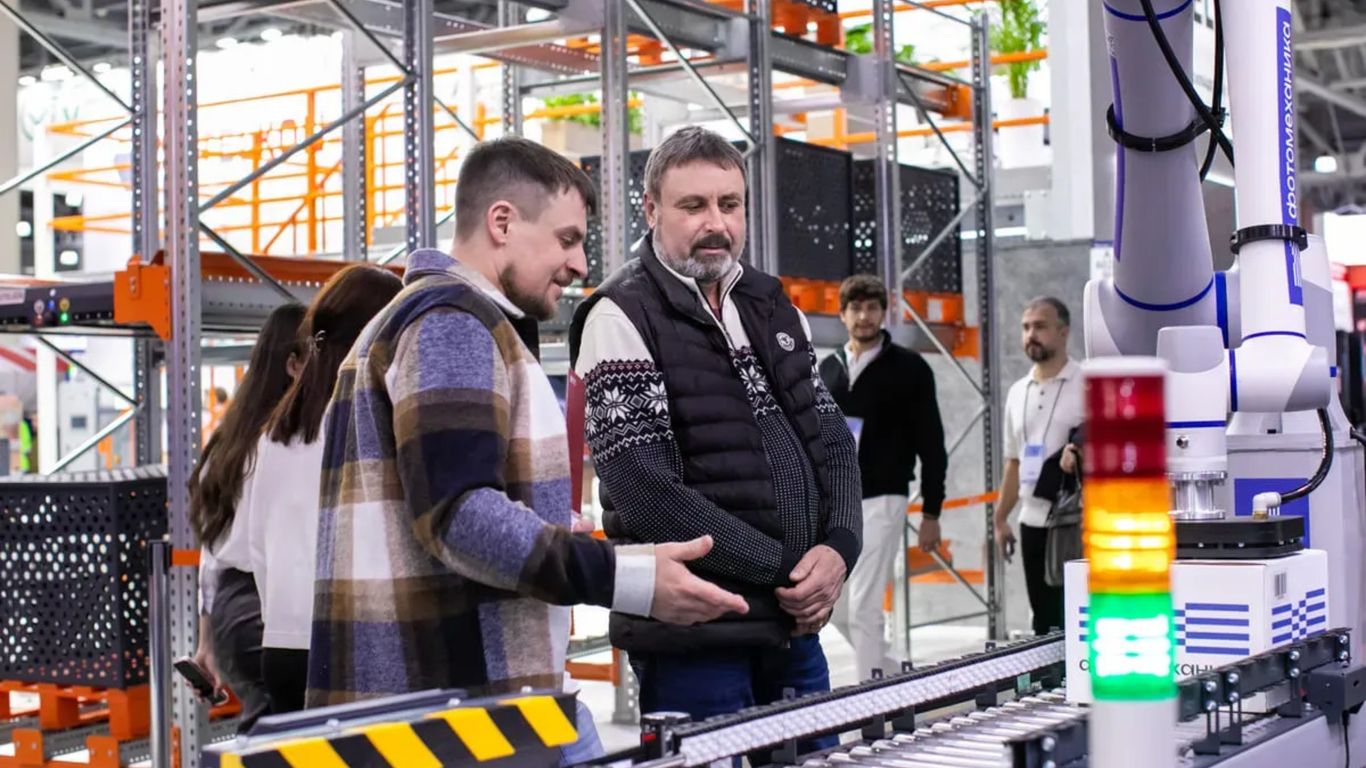
Zebra’s approach to warehouse automation isn’t just about adding more machines; it’s about rethinking how robots and people work together, especially in the busy world of fulfillment. They’ve really zeroed in on the specific challenges of getting orders out the door, which is often where a lot of time and money gets spent. It’s not just generic automation; it’s built for the nitty-gritty of picking and packing.
Decoupling Autonomous Mobile Robots from Carts
One of the biggest changes Zebra has brought to the table is separating the robots from the carts they carry. Think about it: normally, a robot has to stay with its cart, sometimes waiting around while a human worker finishes a task. Zebra’s system lets the robot drop off the cart and go do something else. This means robots aren’t just sitting idle.
- Robots can handle more tasks because they aren’t tied to a single cart.
- Fewer robots are needed overall, which saves money.
- The flow of goods through the warehouse speeds up.
This decoupling is a pretty big deal. It means warehouses can potentially use about 30% fewer robots and still get more work done. That’s a significant cost saving, and for finance departments, it makes the investment in automation look a lot more attractive.
Reducing Robot Fleet Size
Because the robots are smarter and more flexible, you don’t need as many of them. Instead of having a robot for every cart, or a bunch of robots waiting around, Zebra’s system makes sure the robots are always busy with something useful. This isn’t just about having fewer robots; it’s about making the ones you have work harder and smarter. When you have a large fleet, managing them and keeping them running can get complicated and expensive. By reducing the fleet size, you simplify operations and cut down on maintenance and charging needs.
Increasing Operational Throughput
When robots are always moving and working, and when human pickers are directed to their next task without delay, the whole operation gets faster. Orders get picked, packed, and shipped out more quickly. This boost in speed, or throughput, is what businesses are really after. It means they can handle more orders without needing more staff or more space. It’s about getting more done with the resources you already have, making the entire fulfillment process more efficient and profitable.
Team Intelligence: Orchestrating Human and Robot Collaboration
Seamless Task Allocation for Pickers
Think about how frustrating it is when you’re waiting around for something to do at work. That’s pretty much what Zebra’s Team Intelligence system aims to fix in warehouses. Instead of just assigning tasks randomly or in big batches, this system figures out what needs to be done next and, more importantly, who is best positioned to do it. It’s all about making sure that as soon as a picker finishes one job, they’re immediately given the next one, and that next job is conveniently located nearby. This constant flow of directed tasks keeps everyone moving and productive. It’s like having a smart assistant for every worker, guiding them through their day without them having to think too hard about what’s next.
Minimizing Unnecessary Movement
One of the biggest time sinks in a warehouse is just plain walking. Workers spend a lot of time going from one spot to another, sometimes covering a lot of ground. Team Intelligence tackles this head-on. By assigning tasks that are close to the worker’s current location, it cuts down on all that extra travel. Imagine a picker finishing up at aisle 5 and their next task is also in aisle 5, or maybe just a few steps away in aisle 6. This isn’t just about saving steps; it’s about saving minutes, which add up fast. Less walking means more time spent actually picking items, which directly impacts how many orders can get out the door.
Real-Time Operational Insights
This system isn’t just about telling people what to do; it’s also about understanding what’s happening in the warehouse at any given moment. By digitizing both the robots and the human workers, Zebra gets a clear picture of all the activity. This means managers can see where things are happening, how efficiently tasks are being completed, and if there are any bottlenecks forming. This kind of real-time data is super useful for making quick adjustments. If one area is suddenly swamped, the system can re-route tasks or workers to help out. It’s about having the information you need, right when you need it, to keep the whole operation running smoothly.
Strategic Focus on Fulfillment Efficiency
You know, warehouses have always been busy places, but the actual process of picking individual items for orders? That’s where a ton of time and effort goes. Zebra Robotics really zeroed in on this. Instead of trying to automate everything everywhere, they decided to tackle the parts of fulfillment that are the biggest headaches for businesses, especially when it comes to labor.
Addressing Labor-Intensive Picking Functions
Think about it: a worker has to walk to a shelf, find the right item, grab it, and then move on to the next. Repeat that thousands of times a day. It’s a lot of walking and searching. Zebra’s approach is all about cutting down that wasted movement. They’ve developed systems that help direct pickers more effectively, making sure they’re always heading to the next task that’s closest and most logical. This focus on the ‘each picking’ function, where individual items are handled, is where they see the biggest opportunity to make a real difference in how quickly and cheaply orders can be fulfilled.
Tailored Solutions for Fulfillment Challenges
It’s not just about throwing robots at the problem. Zebra’s been smart about it, using what they learned from different warehouse setups to build tools specifically for fulfillment. They figured out that a lot of the time, robots were just waiting around, attached to carts. So, they came up with a way to detach the robots from the carts. This means the robots can go do their job of moving things without being stuck waiting at a station. It’s a pretty neat trick that lets them use fewer robots overall while still getting more work done.
Here’s a quick look at how this helps:
- Fewer Robots Needed: By decoupling robots from carts, warehouses can potentially operate with up to 30% fewer robots. This is a big deal for cost savings.
- Less Waiting Time: Robots aren’t idle as long because they can drop off a cart and immediately go get another task. This keeps things moving.
- Smoother Workflow: Human workers and robots can work together more smoothly without bottlenecks at loading or unloading points.
Driving Cost-Effectiveness in Logistics
Ultimately, it all comes down to making things cheaper and more efficient. When you can get more done with fewer robots and less wasted movement from your human team, that directly impacts the bottom line. Zebra’s focus on fulfillment means they’re creating solutions that are more accessible, too. They’re not asking companies to buy all new specialized carts; they’re often designed to work with standard warehouse carts. This makes the investment easier to justify, especially for businesses that are feeling the pressure to cut costs and improve their operations without massive upfront spending.
The Future Financial Impact of Zebra Robot Investments
When we talk about bringing robots into the warehouse, it’s not just about making things move faster. It’s really about the money, right? Companies are looking at how these investments actually help the bottom line. Zebra’s approach, especially with their Symmetry Fulfillment solution, seems built with this in mind. They’re not just adding more robots; they’re trying to make the ones they have work smarter.
Think about it this way: if you can use fewer robots but get more work done, that’s a direct cost saving. Zebra’s idea of decoupling the autonomous mobile robots (AMRs) from their carts is a big part of this. Instead of a robot being stuck with a cart, waiting around, it can drop off a full cart and immediately go grab another. This means the robots are moving more, doing more, and not just sitting idle. This kind of efficiency is exactly what Chief Financial Officers (CFOs) are looking for these days. They want to see clear returns on investment, and reducing the number of robots needed while boosting output is a pretty compelling argument.
Here’s a quick look at how this plays out:
- Reduced Capital Expenditure: By needing fewer robots to achieve the same or better results, the initial cost of automation goes down.
- Increased Throughput: More efficient robot utilization means more orders processed, leading to higher revenue potential.
- Lower Operational Costs: Less robot downtime and optimized workflows can translate to savings on maintenance, energy, and even labor management.
It’s a shift from just buying more equipment to optimizing the equipment you have. This focus on making each robot work harder and smarter is what can really make a difference in a company’s financial health. It’s about getting more bang for your buck, and that’s a language everyone in business understands.
Zebra Robot Solutions in Action
Deployment with Third-Party Logistics Providers
Zebra’s robotic solutions are making real waves in the logistics world, especially with companies that handle shipping and storage for others. Take ODW Logistics, for example. They’ve been using Zebra’s autonomous mobile robots (AMRs) that come with a neat detachable cart feature. This setup means the robots can drop off a cart and immediately go grab another one, instead of waiting around. It’s a smart way to keep things moving.
Enhancements in Robot and Software Capabilities
Since acquiring Fetch Robotics back in 2021, Zebra has been busy improving both the robots themselves and the software that controls them. The Zebra Symmetry Fulfillment solution, as it’s now called, got a big update in early 2025. This update included that detachable cart function we just talked about. Plus, the software got smarter, able to route the robots ahead of human workers. This means the robots are already where they need to be, ready to go.
Enabling Faster Picking Processes
What does all this mean for getting orders out the door? It means faster picking. By decoupling the robots from the carts and making the software smarter about routing, Zebra is cutting down on wasted time. Workers don’t have to wait as long for a robot, and the robots aren’t stuck waiting for a human. This whole system is designed to keep the workflow going, reducing the time it takes to pick items and get them ready for shipping. The goal is to get more done with fewer robots, which is a big win for efficiency and the bottom line.
Here’s a quick look at how the system works:
- Task Assignment: Workers get their next task assigned to them, and it’s usually the closest one available.
- Robot Routing: AMRs are directed to pick up empty carts and bring them to workers, or take full carts to packing stations.
- Continuous Flow: The system keeps both people and robots moving, minimizing idle time.
Wrapping Up: What’s Next for Warehouse Robots?
So, we’ve looked at how Zebra’s robots are changing things in warehouses, especially with that smart idea of separating the robots from the carts. It seems like a big step towards making warehouses run smoother and maybe even needing fewer robots to get the job done. The focus on making picking easier for people and robots working together is pretty interesting too. While the future of Zebra’s specific robotics business is still being figured out, the ideas they’ve brought to the table, like better robot use and smarter task management, are definitely shaping how we think about automation in logistics. It’s clear that robots are going to keep playing a bigger role, and companies are going to keep looking for ways to make them work smarter, not just more.