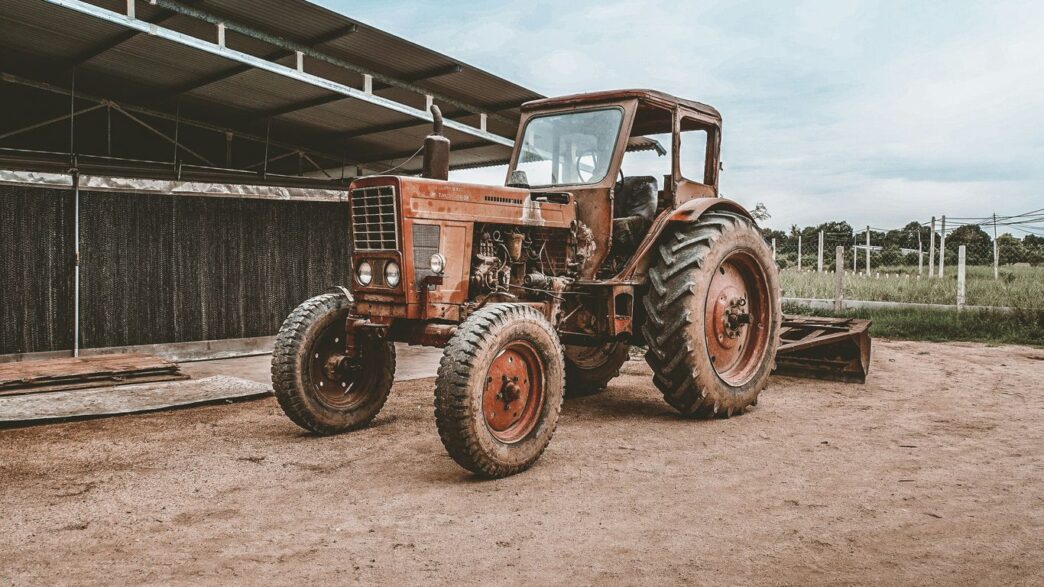
It’s pretty wild how farming is changing, right? We’re not just talking about tractors in big fields anymore. Companies like 80 Acres Farms are really shaking things up with their indoor growing setups. They started small, like in a shipping container, and now they’re building these huge, high-tech farms. It’s all about growing food closer to where we live, using less water, and making sure we get fresh produce all year round. Let’s take a look at what makes 80 acre farms so interesting.
Key Takeaways
- 80 Acres Farms started with a vision to grow food differently and has grown from a small research setup to large-scale operations.
- The company uses a unique system called the Infinite Acres Loop, combining hardware, software, and biology for efficient growing.
- Sustainability is a big focus, with efforts to reduce environmental impact through smart resource use and year-round local food production.
- Their journey shows how technology can scale farming, moving from basic containers to advanced facilities that can help address global food challenges.
- Beyond growing food, 80 acre farms are creating jobs and contributing to local economies, offering new career paths in agriculture.
Revolutionizing Agriculture With 80 Acres Farms
It feels like just yesterday that farming meant wide-open fields and tractors. But things are changing, and 80 Acres Farms is right at the front of that change. They started with a pretty simple idea: grow fresh food closer to where people live, all year round. It wasn’t always easy, though. The company actually began its life inside a shipping container, which sounds wild, right? That’s where they tinkered and tested, figuring out how to make vertical farming work.
Founding Vision and Early Growth
Mike Zelkind and Tisha Livingston kicked off 80 Acres Farms back in 2015. Their initial goal was to create systems that could handle the pressures of a growing population, shrinking farmland, and a changing climate. They learned a lot from those early days, refining their methods. This careful approach led them to open their first big farm in Hamilton, Ohio – a place longer than a football field with ten levels of growing space stacked up. It was a huge step from that first shipping container.
Scaling Operations for Consumer Demand
As more people wanted fresh, local produce, 80 Acres Farms had to grow. They’ve been busy building larger, high-tech farms to keep up. Their facility in Boone County, Kentucky, for example, is a massive 200,000 square feet. It’s all about getting their food to more people while keeping it fresh and healthy. They’ve raised a good chunk of money, over $250 million, and a lot of that has gone into making these farms bigger and better, and also into helping the communities where they operate.
Investment in Advanced Facilities
These aren’t your grandpa’s farms. 80 Acres Farms puts a lot of money into making their facilities super advanced. Think of it like a giant, high-tech lab for growing plants. They’ve invested heavily in things like:
- Hardware: The physical structures, lighting, and climate control systems.
- Software: The brains behind the operation, managing everything from watering to temperature.
- Biology: Understanding exactly what each plant needs to thrive.
This combination allows them to grow food consistently, no matter the weather outside. It’s a big shift from traditional farming, and it’s how they’re making fresh food more accessible.
The Technology Driving 80 Acres Farms
80 Acres Farms isn’t just growing plants; they’re building a whole system around it. It’s like they’ve figured out a secret recipe for farming, and the main ingredient is technology. They’ve got this thing called the "Infinite Acres Loop System," which sounds pretty fancy, but basically, it’s the brain of their whole operation. This system pulls together hardware, software, and the actual biology of the plants.
Think of it this way:
- Hardware: This includes all the physical stuff – the grow towers, the lights, the climate control systems. It’s all designed to work together perfectly.
- Software: This is the digital side, managing everything from watering schedules to light cycles. It’s constantly collecting information.
- Biology: This is where they focus on what the plants actually need to thrive, using all the data from the hardware and software.
By combining these three, they’re able to learn more about plants than ever before. They collect tons of data from every single crop they grow. This data helps them tweak things, making the plants grow better, faster, and taste even more delicious. It’s a continuous cycle of growing, learning, and improving. They started small, even experimenting in shipping containers, but they’ve used what they learned to build these massive, high-tech farms. It’s all about using smart tech to grow food efficiently and consistently, no matter the weather outside.
Sustainability at the Core of 80 Acres Farms
It’s pretty clear that 80 Acres Farms isn’t just about growing food; they’re really trying to do it in a way that’s kinder to the planet. Think about it – no deforestation, no chemical fertilizers. That’s a big deal when you look at the problems traditional farming can cause. They even have someone whose whole job is sustainability, which tells you they’re serious about it. They’re constantly looking for ways to use less water, cut down on waste, and get more food out of less space. As the CEO, Mike Zelkind, puts it, "We’re trying to make farming as sustainable as possible, but we know there’s always more to do. The more efficient we become, the better it is for our planet and our business."
Reducing Environmental Impact
One of the biggest wins here is how they’re cutting down on the usual environmental footprint of farming. By growing indoors, they avoid the need for pesticides and herbicides, which can end up in our water systems. Plus, they’re not clearing forests to make room for fields. It’s a different approach that seems to work.
Efficient Resource Management
This is where the tech really shines. They’ve figured out how to use way less water than traditional farms – sometimes up to 97% less. That’s huge, especially in areas where water is scarce. They also manage their nutrients carefully, making sure the plants get exactly what they need without a lot of excess runoff. It’s all about being smart with what you use.
Here’s a quick look at some of the resource savings:
- Water Usage: Up to 97% less water compared to conventional field farming.
- Land Use: Significantly more produce grown per square foot.
- Waste Reduction: Optimized growing conditions and supply chains minimize spoilage.
Year-Round Local Produce
Because their farms are indoors and controlled, they can grow food no matter the weather outside. This means fresh produce is available locally all year long. You don’t have to wait for a specific season to get your favorite greens or herbs. It also cuts down on the long-distance shipping that adds to carbon emissions. So, you get fresher food, and it’s better for the environment too. It’s a win-win, really.
Innovation and Scalability in Farming
From Shipping Container to Large-Scale Farms
It’s pretty wild to think that 80 Acres Farms started out in a humble shipping container. Seriously, just a container where they tinkered with ideas and tested different ways to grow plants indoors. That early experimentation was all about figuring out how to make vertical farming work efficiently. It wasn’t just about stacking plants; it was about building systems that could actually produce food reliably. This hands-on approach, learning from every little test, eventually led them to build their first proper farm in Hamilton, Ohio. That place was huge, longer than a football field, and had ten levels of crops. It proved their concept worked on a bigger scale, and from there, they kept expanding, like that massive facility in Kentucky that came online in late 2022. It’s a clear example of how a small idea can grow into something really significant.
Controlled Environment Agriculture Principles
The whole idea behind 80 Acres Farms is built on controlled environment agriculture, or CEA. This isn’t your grandpa’s farming. Instead of relying on weather and soil, they create the perfect conditions for plants inside their farms. Think of it like a giant, high-tech greenhouse, but even more precise. They manage everything: the light, the water, the nutrients, even the air. This means they can grow crops year-round, no matter what’s happening outside. It also helps them avoid pests and diseases, so they don’t need to use pesticides. The goal is to take what works in nature and replicate it, but in a way that’s super controlled and predictable. This allows them to grow a consistent product every single time.
Addressing Global Agricultural Challenges
Farming today faces some pretty big problems. We’ve got a growing population that needs more food, but we’re also losing farmland and dealing with climate change making growing conditions unpredictable. 80 Acres Farms is trying to tackle these issues head-on. By growing food indoors, they can use less land and water compared to traditional farming. Plus, since their farms are often located near cities, they can reduce the distance food travels from farm to table, cutting down on transportation emissions and getting fresher produce to people faster. Their model shows a way to produce food more sustainably and reliably, even as the world changes. It’s about finding smarter ways to feed everyone without further damaging the planet.
Economic and Community Impact
It’s not just about growing food, right? 80 Acres Farms is also doing some pretty cool things for the local economy and the people who live there. They’ve poured a lot of money, like over $250 million, into building these farms, and a good chunk of that goes right back into the communities where they set up shop. Think about their big facility in Kentucky – that alone was a $95 million investment. That’s a lot of money creating jobs and supporting local businesses.
Creating High-Quality Jobs
These farms aren’t just automated boxes; they need people to run them. We’re talking about jobs for folks who operate the machines, manage the systems, and even analyze all the data the farms collect. It’s a year-round operation, which means steady work, not just seasonal gigs. Plus, they seem to be focused on giving people opportunities to move up and learn new skills. It’s more than just a job; it’s a career path.
Supporting Local Economies
When a company like 80 Acres Farms builds a big facility, it’s a win for the local area. They’re not just hiring people; they’re buying supplies, using local services, and generally putting money into the local economy. It’s like a ripple effect. And because they’re growing food right there, it means fresher produce for the people in those communities, cutting down on long-haul shipping and all that jazz.
Opportunities for Advancement
What’s interesting is how they’re setting things up for people to grow within the company. It’s not a dead-end job situation. They’re talking about training and development, so employees can take on more responsibility and learn new things. This is pretty important because it means people can build a future for themselves right there in their community, rather than having to move away to find better work. It’s a nice change from how some industries operate.
Looking Ahead
So, what’s next for 80 Acres Farms? They’re not just sitting back. The plan is to keep growing, literally, and bring their fresh produce to even more people. It’s all about using their smart tech to make farming better for us and the planet. They’re even thinking about how their plant science could help in other areas, not just food. It’s pretty cool to see how they’re using data and smart systems to figure out plants in a whole new way. They’ve shown their tech works, and now it’s about making it bigger, but doing it the right way. The future looks pretty green for them, and that’s good news for all of us.
Frequently Asked Questions
What is 80 Acres Farms?
80 Acres Farms is a company that grows fresh food indoors using advanced technology. They started small, like in a shipping container, and have grown into big, high-tech farms that can grow produce all year round, right near where people live.
How does 80 Acres Farms grow food differently?
Instead of using regular farms, they use indoor farms with special lights, water, and nutrients. This ‘controlled environment’ helps them grow plants perfectly without needing harsh chemicals or pesticides. They also use a smart system called the Infinite Acres Loop to constantly learn and get better at growing.
Is 80 Acres Farms good for the environment?
Yes, they focus a lot on being eco-friendly. Growing indoors means they don’t need to cut down forests, and they use much less water than traditional farms. Plus, by growing food locally, they cut down on the pollution from transporting it long distances.
What kind of technology do they use?
They use a mix of smart machines (hardware), computer programs (software), and knowledge about plants (biology). All these parts work together in their farms. They collect lots of information to understand exactly what plants need to grow best.
Does 80 Acres Farms help the local community?
Absolutely! They create jobs for people in their area, from running machines to analyzing data. They also make sure fresh, healthy food is available locally all year, which supports the community’s well-being.
What’s the goal for 80 Acres Farms in the future?
Their main goal is to grow even more and bring their fresh, healthy food to more people. They also want to keep improving their technology and might even use their plant-growing knowledge for things other than food, like creating new plant-based products.