When you think about greenhouses, you might picture something simple, maybe a small glass box in a backyard. But companies like Harnois Greenhouses are doing way more than that. They’re building these massive structures, like the MegaDome, and also really modern glass ones. It’s pretty interesting to see how they’ve changed over time and what they’re doing to help farmers grow more food. We’re going to look at what makes Harnois Greenhouses stand out, from their designs to how they help farming today.
Key Takeaways
- Harnois Greenhouses has moved beyond basic designs, creating large structures like the MegaDome and advanced glass greenhouses.
- The company has a history of evolving their greenhouse technology to meet the changing needs of agriculture and the environment.
- Harnois Greenhouses focuses on integrating technology to help farmers grow crops more efficiently.
- Their structures are versatile and used in many different ways in modern farming.
- Harnois Greenhouses is known for its commitment to quality and its role in improving crop yields and sustainability in farming.
Innovations in Harnois Greenhouses
The Harnois MegaDome: A Visionary Structure
Harnois’s MegaDome is more than just a shelter—it’s a shift in how people think about agricultural buildings. Its signature arched shape isn’t just visually different, but it also handles heavy snow loads and high winds rather well. Farmers say it stands up to wild weather better than most old-style structures. The flexible interior means users can switch between storage and growing space pretty easily.
Key features of the MegaDome include:
- Galvanized steel arches for sturdy support
- Quick assembly for minimal site disruption
- Adjustable widths and lengths to match any requirement
The MegaDome gets used for storing machinery, housing livestock, and even hosting events—making it much more adaptable than most farm sheds.
Exploring Harnois Greenhouses’ Architectural Advancements
Over the years, Harnois has gone from basic hoop houses to designs that feel more like high-tech labs. These days, the company’s greenhouses come with double-layer coverings and smart ventilation, all aimed at creating just the right environment for growing. Fans, screens, and vents work together to deal with heat and humidity. Some new models even have retractable roofs, letting growers adjust for changing sunlight.
Here’s a quick comparison of recent advancements:
| Feature | Old Designs | New Harnois Models |
|---|---|---|
| Structure Shape | Simple arches | Engineered domes/glass |
| Climate Control | Manual vents | Automated systems |
| Insulation | Single layer film | Double/triple glazing |
| Material | PVC/PE | Galvanized steel/glass |
Farmers say the new layouts save on energy and help crops grow in tough seasons.
Sustainable Design Principles in Harnois Greenhouses
Sustainability isn’t just a trendy word for Harnois—it’s built into their greenhouses from the start. The company tries to use recyclable materials whenever possible. Water and energy savings are also top priorities.
Some sustainable features you’ll find:
- Rainwater collection systems to keep irrigation costs down
- Efficient glazing to cut energy bills
- Locally sourced materials to shrink shipping pollution
A lot of these decisions make operating a Harnois greenhouse more affordable for small farms and serious growers alike. Plus, it means less waste ends up in landfills once structures reach the end of their lives.
Harnois keeps adjusting their designs, proving that greenhouses can get smarter, tougher, and greener all at the same time.
The Evolution of Harnois Greenhouses
From Traditional Structures to Modern Glass Designs
Harnois Greenhouses didn’t just appear overnight as the sleek, modern operations we see today. Like any company with a long history, they started somewhere simpler. Think back to the early days of agriculture – greenhouses were often basic, functional structures, built with wood frames and glass panes, designed to keep the worst of the weather out. They were a step up from open fields, sure, but a far cry from the controlled environments we have now. Harnois likely began with these kinds of designs, focusing on providing a reliable, albeit limited, way for growers to extend their seasons or protect delicate crops.
Over time, though, farming changed. Growers needed more space, better light, and more control over temperature and humidity. This pushed companies like Harnois to innovate. They started experimenting with different materials and shapes. Instead of just wood, they probably moved to stronger steel frames. The glass might have gotten bigger, or maybe they started using different types of coverings. The real shift came when they began to seriously consider how the structure itself could actively help the plants grow, not just shelter them. This meant looking at things like how much light got in, how well the structure held heat, and how easy it was to manage ventilation. It was a slow process, moving from simple shelters to more complex growing systems, but it laid the groundwork for the advanced structures they offer now.
Harnois Greenhouses: Pioneering Agricultural Solutions
Technological Integration in Harnois Greenhouses
Harnois Greenhouses isn’t just about building structures; it’s about creating smart environments for plants to thrive. They’ve really gotten into integrating technology that helps growers manage their crops better. Think about automated climate control systems that keep the temperature and humidity just right, no matter what’s happening outside. It’s like giving your plants their own personal weather service.
These systems can monitor things like CO2 levels, light intensity, and even soil moisture. All this data gets fed into a central control unit, which then makes adjustments automatically. This means less guesswork for the farmer and a more stable environment for the plants. This level of precision control is a game-changer for crop yields and quality.
Optimizing Crop Production with Harnois Innovations
When you combine advanced structures with smart technology, you get a serious boost in how much you can grow and how well it turns out. Harnois focuses on designs that maximize natural light while also offering options for supplemental lighting when needed. This flexibility is key, especially in regions with less consistent sunlight.
They also pay attention to air circulation. Good airflow is super important for preventing diseases and making sure plants get the carbon dioxide they need. Harnois structures are designed with ventilation in mind, often incorporating automated fan and vent systems. It’s all about creating the ideal conditions, day in and day out.
The Role of Harnois Greenhouses in Modern Farming
In today’s world, farming needs to be efficient and sustainable. Harnois Greenhouses plays a big part in that. Their structures allow for year-round cultivation, which means a more consistent supply of fresh produce. This is great for local food systems and can reduce the need for long-distance transportation.
Here are a few ways Harnois contributes to modern agriculture:
- Controlled Environments: Providing stable conditions that protect crops from pests and extreme weather.
- Resource Management: Systems can be designed to use water and energy more efficiently.
- Increased Yields: Optimized growing conditions lead to more produce from the same amount of space.
- Crop Diversity: Enabling the cultivation of a wider range of crops, even in challenging climates.
Basically, Harnois is helping farmers produce more food, more reliably, and often with fewer resources. It’s a pretty big deal for the future of how we grow our food.
Harnois Greenhouses: Beyond Traditional Cultivation
The Versatility of Harnois Greenhouse Structures
Harnois greenhouses aren’t just for growing tomatoes anymore. They’ve really evolved into adaptable spaces for all sorts of agricultural projects. Think beyond the typical farm field. These structures can be set up for everything from delicate flower nurseries to large-scale vegetable production, and even for research purposes. The design allows for a lot of customization, which is pretty neat.
Here’s a look at how versatile they can be:
- Specialty Crops: Growing high-value crops like herbs, mushrooms, or exotic fruits that need very specific environmental controls.
- Aquaculture: Some setups can even be adapted for fish farming, integrating water systems with plant growth.
- Educational Facilities: Universities and agricultural schools use them for teaching and experimenting with new growing techniques.
- Seedling Production: Nurseries rely on them to start millions of seedlings for reforestation or landscaping projects.
Case Studies of Harnois Greenhouse Applications
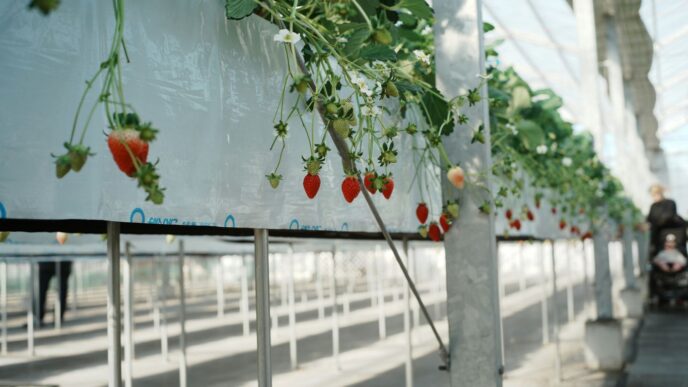
We’ve seen Harnois structures pop up in some pretty interesting places. For instance, a large operation in Quebec uses a series of MegaDomes to grow strawberries year-round, significantly boosting their output and extending their selling season. They managed to get consistent yields even through the colder months, which is a big deal for that region.
Another example is a research facility in Europe that needed a controlled environment to study disease resistance in various plant species. They opted for a custom glass structure from Harnois, which gave them the precise light, temperature, and humidity control needed for their sensitive experiments. The ability to fine-tune conditions is what makes these structures so valuable for specialized work.
Future Trends in Greenhouse Technology by Harnois
Looking ahead, Harnois seems to be focusing on integrating even more smart technology. We’re talking about automated climate control systems that learn and adjust based on weather forecasts and crop needs. They’re also exploring ways to improve energy efficiency, perhaps through better insulation materials or even solar integration. It feels like the future of greenhouses is all about making them more autonomous and sustainable, and Harnois is definitely pushing in that direction.
The Impact of Harnois Greenhouses on Agriculture
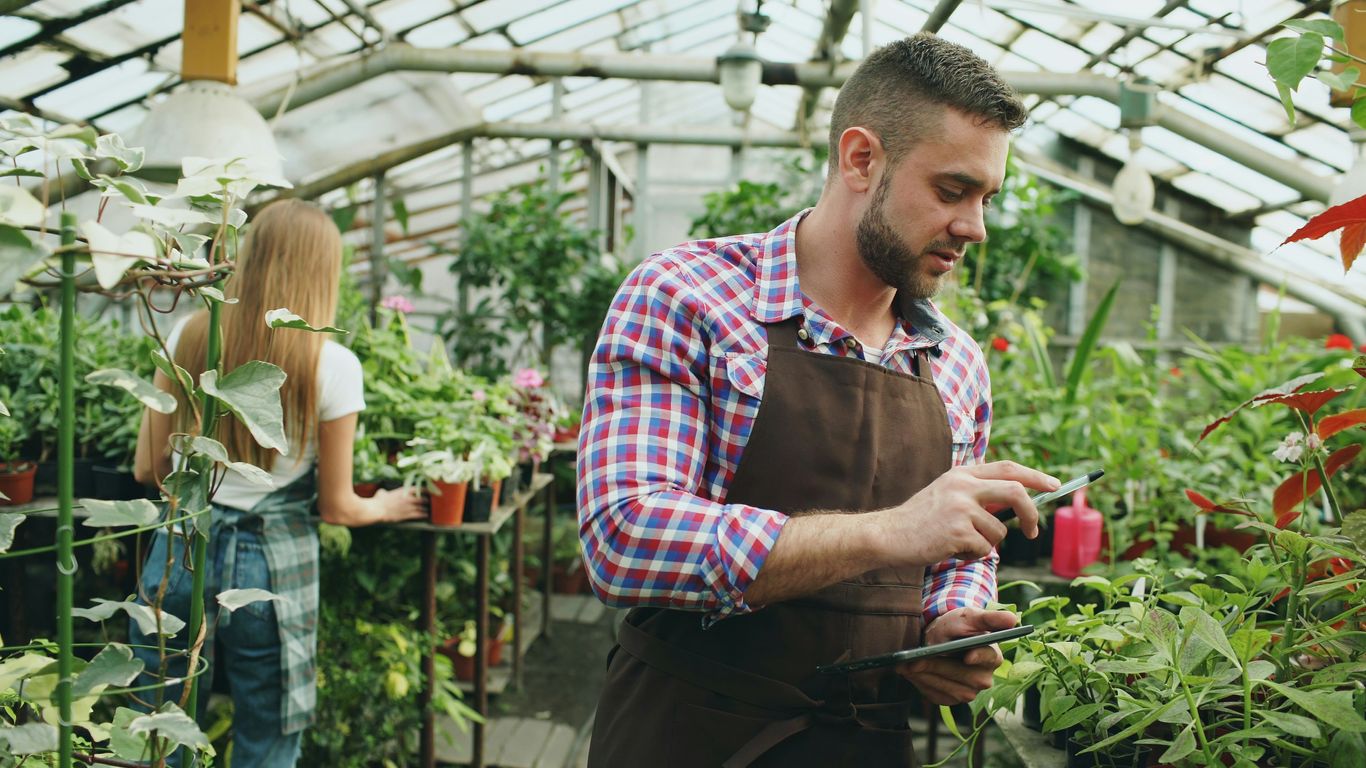
It’s pretty clear that Harnois Greenhouses aren’t just about building structures; they’re really changing how farming gets done. Think about it – you can grow more, and you can grow it better, even when the weather outside is doing its own thing. This ability to control the growing environment is a game-changer for farmers looking to get more from their land.
Enhancing Yields with Harnois Greenhouse Systems
Farmers using Harnois greenhouses often see a big jump in how much they can harvest. Because they can manage things like temperature, humidity, and light, crops don’t face as many setbacks. This means healthier plants and, you guessed it, more produce.
Here’s a quick look at why yields go up:
- Controlled Environment: No more worrying about frost, heatwaves, or pests ruining a whole crop. Everything is managed inside.
- Extended Growing Seasons: You’re not limited by the typical outdoor growing calendar. You can plant earlier and harvest later, sometimes year-round.
- Optimized Conditions: Harnois structures allow for precise adjustments, giving plants exactly what they need to thrive, from CO2 levels to nutrient delivery.
Environmental Benefits of Harnois Greenhouse Designs
Beyond just growing more food, these greenhouses can actually be kinder to the planet. Using a controlled system means less water is often needed compared to open-field farming, which is a big deal in many areas. Plus, by keeping pests and diseases contained, the need for chemical sprays can go way down.
Some of the environmental pluses include:
- Water Conservation: Drip irrigation and recirculating systems within greenhouses can drastically cut down on water usage.
- Reduced Pesticide Use: A closed system naturally keeps many pests out, and targeted treatments are more effective, meaning fewer chemicals overall.
- Land Use Efficiency: You can grow more food on less land, which can help preserve natural habitats elsewhere.
Harnois Greenhouses: A Commitment to Quality
When farmers invest in a Harnois greenhouse, they’re not just buying a building. They’re getting a system designed for consistent, high-quality output. The structures are built to last and to provide the best possible conditions for whatever is being grown. This focus on durability and performance means farmers can rely on their greenhouses season after season, leading to more stable businesses and better produce for everyone.
Looking Ahead
So, we’ve seen how Harnois Greenhouses has really changed things up over the years. They started with those big MegaDome structures, which were pretty impressive for their time, and now they’re doing all sorts of cool stuff with glass. It’s clear they’re not just sticking to one idea. They keep pushing to find new ways to build, whether it’s for big farms or maybe even for other uses we haven’t thought of yet. It makes you wonder what they’ll come up with next. It’s exciting to see a company that’s always looking for the next big thing in building, especially when it comes to creating spaces that work well and look good too.
Frequently Asked Questions
What makes Harnois greenhouses special?
Harnois greenhouses are known for their innovative designs, like the MegaDome, and their focus on creating structures that help plants grow well. They use advanced building techniques and think about how to be good to the environment.
How have Harnois greenhouses changed over time?
Harnois has gone from making older types of greenhouses to creating modern ones, including big glass structures. They’ve kept up with new farming ideas and environmental needs to make their greenhouses better.
Do Harnois greenhouses use technology?
Yes, they do! Harnois greenhouses often include new technology to help farmers grow crops better. This can mean systems that control the environment inside the greenhouse to give plants exactly what they need.
Can Harnois greenhouses be used for more than just growing plants?
Absolutely. Harnois structures are very flexible. They can be used for different kinds of farming and even other projects that need controlled environments. People have used them in many creative ways.
How do Harnois greenhouses help farmers grow more food?
By creating the perfect growing conditions, Harnois greenhouses help plants produce more. They can protect crops from bad weather and pests, leading to bigger harvests and better quality produce.
Are Harnois greenhouses good for the environment?
Harnois focuses on sustainable building. Their designs often aim to use resources wisely and reduce their impact on the environment, making them a good choice for eco-friendly farming.