The internet of things, or IoT, is changing how we live and work. It’s basically a bunch of everyday objects, like your fridge or your car, that can connect to the internet and talk to each other. This lets them collect and share information, making things more convenient and efficient. We’re seeing this everywhere, from our homes to big cities. Let’s look at some real-world internet of things iot example scenarios.
Key Takeaways
- Smart homes use connected devices for better security and easier management of appliances and home environments.
- Personal wellness is improving with wearable tech and smart devices that monitor health and assist with care.
- Connected vehicles are making driving safer and more efficient with features like remote control and performance tracking.
- Smart cities use IoT to manage traffic, optimize energy use, and improve urban living for residents.
- Industries and farms are becoming more efficient and safe through remote monitoring, automation, and data-driven resource management.
Smart Homes: Convenience and Security
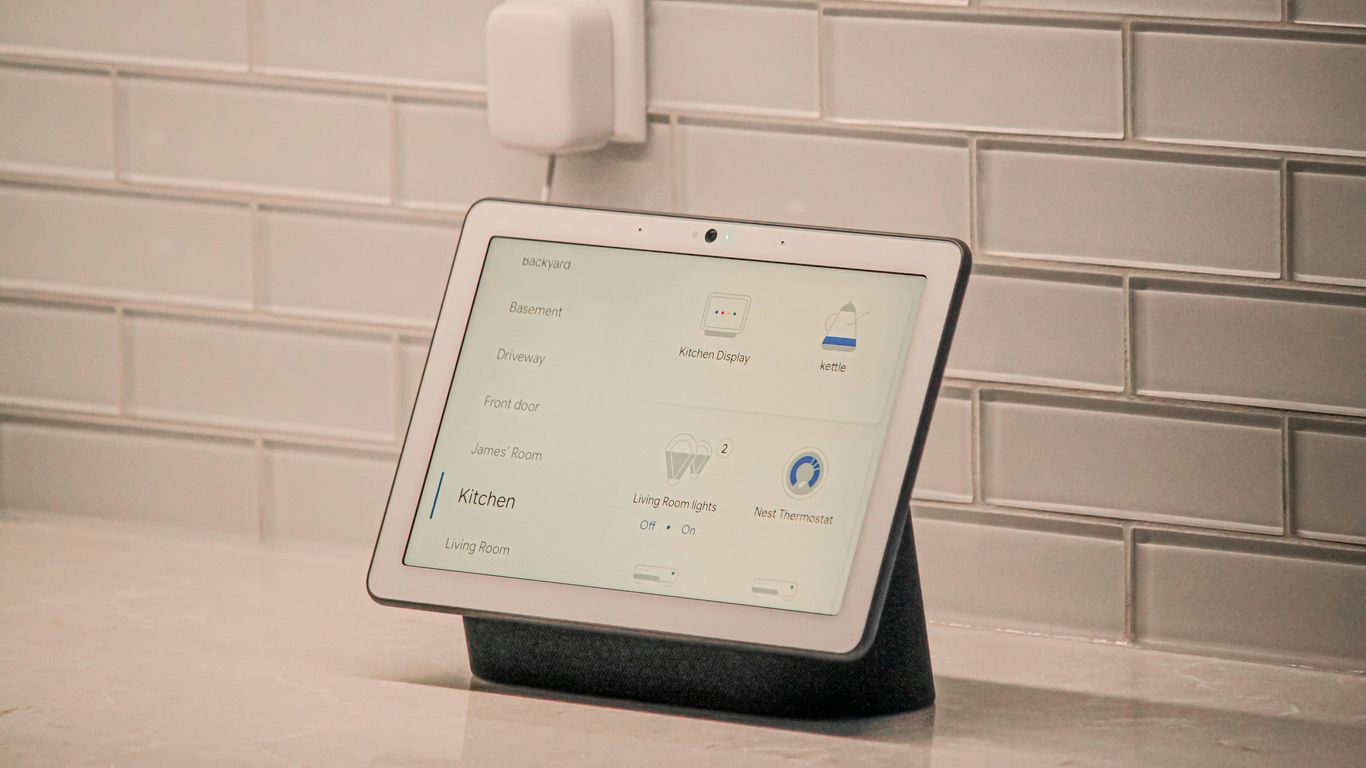
When we talk about the Internet of Things, smart homes are probably the first thing that comes to mind for most people. It’s where IoT really started to become a part of everyday life, making things easier and, hopefully, safer. Think about it: your lights turn on when you walk in a room, your thermostat learns your schedule, and you can check on your house from miles away. It’s pretty neat.
Connected Security Systems for 24/7 Monitoring
Home security has gotten a major upgrade thanks to IoT. Instead of just a noisy alarm, you can have cameras that stream video right to your phone, no matter where you are. Companies like Wyze offer cameras that you can stack for better coverage, and their app lets you see what’s happening at home anytime. Some systems even integrate with voice assistants, so you can arm or disarm your system with just your voice. Doorbell cameras are also a big deal now, letting you see and talk to visitors before you even open the door. It’s like having a security guard in your pocket.
Environmental Monitoring for a Safer Living Space
Beyond just security cameras, IoT is also looking out for the air you breathe and the general safety of your home. You can get smart smoke detectors and carbon monoxide monitors that send alerts straight to your phone if something’s wrong. Some systems even monitor water leaks, which can save you a ton of hassle and damage. There are also devices that keep an eye on air quality, letting you know if things like humidity or specific pollutants are getting too high. These environmental sensors work together to create a healthier and more secure living situation.
Smart Appliances and Door Locks
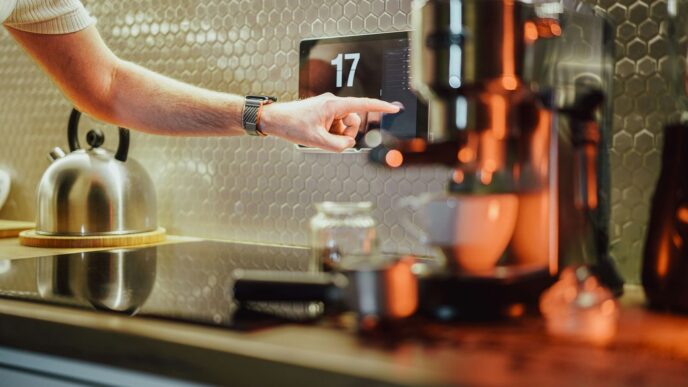
This is where convenience really shines. Smart appliances, like refrigerators and ovens from brands such as LG (with their ThinQ line) and Samsung, can do more than just their basic job. They can connect to apps, notify you when something needs attention (like a fridge door left open), or even suggest cooking times based on what you’re making. Smart door locks are another popular item. You can lock or unlock your door remotely, give temporary access to guests, and get notifications about who comes and goes. It’s a big step up from fumbling for keys in the dark.
Personal Wellness and Healthcare Innovations
It’s pretty amazing how the Internet of Things is changing the way we look after ourselves and our health. Gone are the days when you had to wait for a doctor’s appointment just to get a basic check-up on your vitals. Now, we have all sorts of gadgets that keep an eye on us, day in and day out.
Fitness Trackers and Vital Health Monitoring
Think about those wristbands everyone seems to be wearing. They’re not just for counting steps anymore. Many of these devices can track your heart rate, monitor your sleep patterns, and even estimate your blood oxygen levels. This constant stream of data gives us a clearer picture of our overall health. It’s like having a personal health assistant right on your wrist, helping you make better choices about your lifestyle. For those interested in the tech behind it, wearable technology is really leading the charge in patient monitoring and care [83e1].
Elderly Care and Medication Reminders
This is a big one, especially for families with aging loved ones. IoT devices can make a huge difference in keeping seniors safe and independent. Smart sensors can detect falls, and systems can send alerts to family members or caregivers if something seems wrong. Plus, remembering to take medication can be tough. Smart dispensers can remind people when it’s time for their pills and even track if they’ve taken them. It offers peace of mind for everyone involved.
Connected Medical Devices for Improved Accuracy
Beyond personal gadgets, the healthcare industry itself is benefiting a lot. Doctors can now use connected devices to monitor patients remotely. Imagine a device that tracks your blood pressure or glucose levels and sends that information straight to your doctor. This real-time data helps medical professionals catch potential problems much earlier than before. It means quicker interventions and potentially better outcomes for patients. It’s a significant step towards more proactive and precise medical care.
Connected Vehicles: The Future of Driving
Cars aren’t just for getting from point A to point B anymore. They’re becoming sophisticated hubs of technology, thanks to the Internet of Things (IoT). Think about it: your car can now talk to your phone, the road, and even other cars. It’s pretty wild when you stop and consider it.
In-Car Connectivity and Remote Control
This is probably what most people think of first. You can use your smartphone to check your car’s charge status, pre-cool or heat the cabin before you even step outside, or even get a rundown of how you’ve been driving lately. Audi’s connect® system is a good example of this, letting drivers manage a bunch of features right from their phone. It’s all about making life a bit easier and more comfortable. The ability to control vehicle functions remotely is changing how we interact with our cars daily.
Fleet Tracking and Driver Performance Monitoring
For businesses that manage a lot of vehicles, like delivery services or rental companies, IoT is a game-changer. Services like Zubie use GPS to track vehicles in real-time. But it’s not just about knowing where the car is. These systems also keep an eye on how the vehicle is being driven – things like sudden braking or rapid acceleration. This data helps companies:
- Schedule maintenance before a problem gets serious.
- Identify drivers who might need a bit more training.
- Figure out ways to save on fuel costs.
- Potentially prevent accidents by spotting risky driving habits.
Enhanced Safety Features Through Connectivity
Beyond convenience and business management, IoT is making our roads safer. One cool development is systems like HAAS Alert’s Safety Cloud. This technology sends real-time alerts to drivers about potential hazards ahead. Imagine getting a heads-up about:
- An accident scene just around the bend.
- An emergency vehicle approaching quickly.
- School children crossing the street to get on a bus.
Giving drivers this kind of advance notice means they can react sooner, slow down, or move over, which can help avoid secondary collisions and keep everyone safer. It’s like having an extra set of eyes looking out for trouble on the road.
Smart Cities: Enhancing Urban Living
Cities are getting bigger, and with that comes a whole host of challenges. Think about just getting around – traffic jams can be a daily headache, finding a parking spot feels like winning the lottery, and even basic services like trash pickup can be inefficient. That’s where the Internet of Things, or IoT, is stepping in to make urban life a bit smoother.
Intelligent Traffic Management Systems
Remember circling the block endlessly looking for parking? IoT is helping with that. Sensors placed in parking spots can tell drivers, through an app or a display, exactly where an open space is. This cuts down on the frustrating search, reduces traffic caused by circling cars, and even helps cities make better use of their parking areas. Beyond parking, IoT is also changing how traffic lights work. Instead of fixed timers, lights can adjust based on real-time traffic flow. This means less time spent waiting at red lights when no one is coming the other way. Plus, systems can even prioritize emergency vehicles, turning lights green as an ambulance approaches, getting help where it’s needed faster.
Optimized Street Lighting and Energy Usage
Streetlights might seem simple, but IoT is making them smarter. Instead of lights being on all night, every night, regardless of need, they can be controlled remotely. Lights can dim when there’s no activity and brighten when a car or pedestrian approaches, saving a lot of energy. This isn’t just about saving money; it also means less light pollution. Cities can also monitor energy use across different areas, identifying where consumption is high and looking for ways to cut back. Some systems can even detect when a light bulb burns out, alerting maintenance crews automatically so repairs happen quickly.
Smart Parking Solutions to Reduce Congestion
Finding a parking spot in a busy city can be a real pain. IoT sensors are changing that. These sensors, embedded in parking spaces, detect whether a spot is occupied or free. This information is then sent to a central system and can be displayed on apps or digital signs, guiding drivers directly to available spots. This not only saves drivers time and frustration but also significantly reduces the amount of traffic caused by people circling the block looking for parking. Less circling means less congestion, fewer emissions, and a generally more pleasant driving experience for everyone. It’s a simple idea, but it makes a big difference in the daily grind of city living.
Revolutionizing Agriculture with Smart Farming
Farming has always been about working with nature, but now, technology is giving farmers a whole new way to understand and manage their land. We’re talking about smart farming, where sensors and data help make growing crops and raising animals a lot more efficient. It’s not just about bigger harvests; it’s also about using resources wisely and taking better care of the environment.
Real-Time Monitoring of Soil and Crop Health
Imagine knowing exactly what your soil needs, right down to the last detail. That’s what smart farming brings to the table. Sensors placed in the fields can measure things like moisture levels, nutrient content, and even the temperature of the soil. This information is sent straight to the farmer’s phone or computer. So, instead of guessing when to water or fertilize, farmers can make precise decisions. This means crops get exactly what they need, when they need it, leading to healthier plants and better yields. Drones equipped with special cameras can also fly over fields, giving a bird’s-eye view of crop health and spotting any problems early on, like pests or diseases, before they spread.
Livestock Activity Tracking and Breeding Support
It’s not just about plants. Smart technology is also helping with livestock. Farmers can use lightweight sensors, often attached to an animal’s ear, to keep track of their activity. These sensors collect data on how much the animals are moving, their feeding habits, and even their body temperature. This helps farmers spot if an animal is sick or stressed before it becomes a serious issue. Knowing when an animal is in heat is also important for breeding, and these systems can help pinpoint the best times for that, too. Some systems even use GPS to track where the herd is, making it easier for ranchers to keep an eye on their animals, especially in large pastures.
Data-Driven Fertilizer and Resource Management
One of the biggest wins with smart farming is how it helps manage resources. By knowing the exact conditions of the soil and the needs of the crops, farmers can apply fertilizers and water much more precisely. This is a big change from older methods where resources might be spread evenly, leading to waste. With smart farming, the right amount of fertilizer goes only where it’s needed. This not only saves money on expensive inputs but also reduces the risk of chemicals running off into local waterways, which is better for the environment. It’s all about using data to make smarter choices that benefit both the farm’s bottom line and the planet.
Industrial IoT: Driving Efficiency and Safety
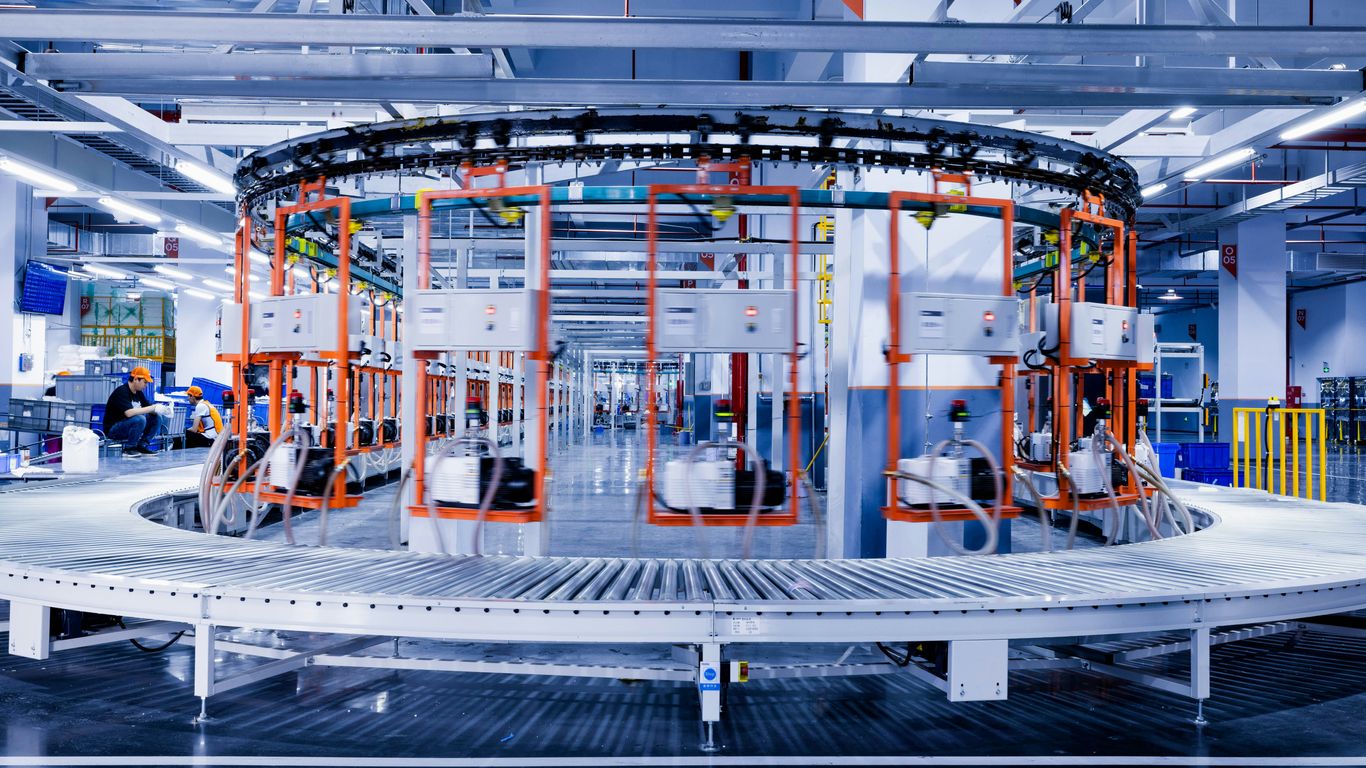
The industrial sector, often called Industrial IoT or IIoT, is where the Internet of Things really shines in making things work better and keeping people safe. Think about factories, mines, or chemical plants – places where things can get pretty risky. IIoT uses sensors everywhere to keep an eye on things like temperature, pressure, and if any dangerous chemicals are leaking. This constant watch means problems can be spotted way before they become big issues.
Remote Monitoring and Automation of Processes
One of the biggest wins with IIoT is being able to manage and control industrial processes from afar. Instead of having people right next to loud, hot, or potentially hazardous machinery, sensors and connected systems do the heavy lifting. This not only makes work safer by keeping people out of harm’s way but also frees them up to focus on more complex tasks that require human thought. It’s like having a remote control for your entire factory floor.
Supply Chain and Inventory Tracking
Keeping track of everything that goes into making a product and where it ends up is a huge job. IIoT makes this much simpler. From the raw materials arriving at the factory to the finished goods leaving for customers, sensors can track items every step of the way. This means less guesswork about what you have in stock and where it is, leading to smoother operations and fewer delays. Imagine knowing exactly how many widgets you have and where each one is, all without having to physically count them.
Machine Performance Monitoring for Optimization
Machines are the heart of many industries, and IIoT helps keep them running at their best. Sensors can monitor how machines are performing in real-time. They can detect small issues, like a part that’s wearing out faster than it should, or a temperature that’s a bit too high. This allows for what’s called ‘predictive maintenance’ – fixing something before it breaks. Some advanced machines can even fix minor operational glitches on their own using smart technology. This means less downtime, fewer costly repairs, and machines that last longer.
Retail Transformation Through IoT
The way we shop is changing, and a lot of that has to do with the Internet of Things. Retailers are using connected devices to make things smoother behind the scenes and to give shoppers a better experience. It’s all about using data from these devices to understand customers and manage inventory better.
Streamlining Operations with Smart Technology
Think about how stores keep track of what they have. Instead of manual counts, IoT sensors can monitor stock levels in real-time. This means less guesswork and fewer times when a popular item is suddenly out of stock. These systems can even alert staff when inventory is running low, so they can reorder before it becomes a problem. This also helps prevent overstocking, which ties up money that could be used elsewhere. It’s like having a super-efficient assistant keeping an eye on everything.
Automated Checkout and Inventory Management
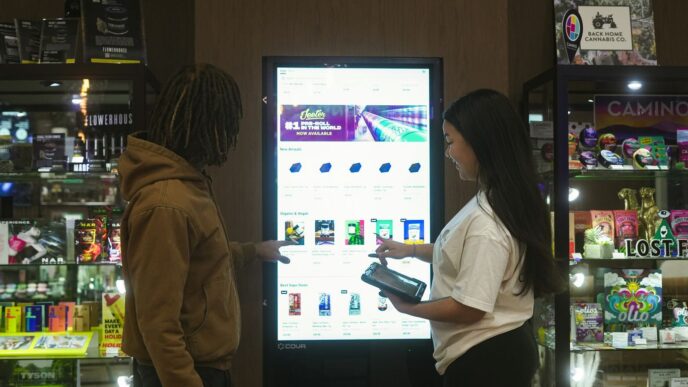
Remember those long checkout lines? IoT is helping to speed that up. Some stores are experimenting with systems where you can just grab what you want and walk out, with sensors and cameras automatically identifying your items and charging your account. It’s still pretty new, but the idea is to make shopping quicker and more convenient. For inventory, smart shelves can weigh items and detect when they’re removed, sending that information straight to the store’s system. This makes keeping track of what’s on the shelves much easier and more accurate than ever before.
Enhanced Customer Experience with Connected Services
IoT isn’t just about efficiency; it’s also about making shopping more enjoyable. Imagine walking into a store and getting personalized offers on your phone based on where you are and what you’ve bought before. Beacons and sensors can help with this. Some apps can even guide you to specific products within the store. For example, a customer might use an app to find a particular item, and the app, using store sensors, could show them the exact aisle and shelf location. This kind of connected service makes finding what you need a breeze.
Wrapping Up Our IoT Journey
So, we’ve looked at a bunch of ways the Internet of Things is already changing things, from making our homes a bit smarter to helping businesses run smoother and even making our cities work better. It’s pretty wild how many devices are out there now, all talking to each other and collecting information. It feels like we’re just scratching the surface, and honestly, it’s going to be interesting to see what pops up next. As more companies get on board, expect to see even more connected gadgets and systems popping up everywhere, making life, work, and everything in between a little different. It’s a trend that’s definitely not slowing down.
Frequently Asked Questions
What exactly is the Internet of Things (IoT)?
Think of the Internet of Things, or IoT, as a giant network where everyday objects can connect to the internet and talk to each other. These aren’t just computers or phones; they can be anything with a sensor, like your fridge, your car, or even a streetlamp. They collect information and share it, making things work smarter.
How do IoT devices actually work?
It’s like a team effort! Devices have sensors that gather information about their surroundings, like temperature or if something is moving. Then, they use the internet to send this information to other devices or a central system. Sometimes, they even act on the information automatically, like adjusting the heat when it gets too cold.
Can you give some simple examples of IoT I might see every day?
Absolutely! Your smart thermostat that learns your schedule, a fitness tracker that counts your steps and heart rate, or a security camera you can check from your phone are all great examples. Even some cars that let you control features from an app use IoT.
How does IoT help make our homes smarter?
In smart homes, IoT devices make life more convenient and secure. Imagine lights that turn on when you enter a room, a thermostat that saves energy by adjusting itself, or a security system that alerts you to any unusual activity, all controlled from your phone. It’s about making your home work for you.
Are there benefits of IoT beyond our homes?
Definitely! Cities use IoT for things like managing traffic lights to reduce jams, making streetlights more energy-efficient, and finding parking spots easily. Farmers use it to monitor soil and crops for better harvests, and factories use it to make sure machines are running smoothly and safely.
Is my personal information safe with so many connected devices?
That’s a really important question. Since IoT devices collect and share data, there can be privacy concerns. Companies are working on making these devices more secure, but it’s good to be aware of what information your devices are collecting and how it’s being used. Always check the privacy settings!