Innovations Shaping the Future of Robotics
It feels like robots are everywhere these days, doesn’t it? And it’s not just science fiction anymore. The way robots are being built and what they can do is changing super fast, thanks to some pretty big leaps in technology. We’re seeing robots move beyond just doing the same old thing over and over.
Artificial Intelligence and Machine Learning Integration
This is a huge one. Robots are getting smarter, way smarter, because they’re being packed with Artificial Intelligence (AI) and Machine Learning (ML). Think about it: instead of just following a set program, these robots can actually learn from their surroundings and make decisions on the fly. This means they can figure out how to do complex jobs, spot problems before they happen (like knowing when a machine needs maintenance), and even adjust what they’re doing based on what’s happening around them in real-time. It’s like giving them a brain, allowing them to adapt and improve as they work.
Here’s a quick look at what AI and ML are bringing to the table:
- Better Autonomy: Robots can now handle more complicated tasks, like planning out steps, recognizing patterns, and predicting when something might go wrong.
- Real-Time Adjustments: They can react instantly to changes in their environment, making them more useful in unpredictable situations.
- Smoother Communication: AI is helping robots talk and work with people more easily, making teamwork between humans and machines much simpler.
The Rise of Collaborative Robots
These are often called ‘cobots,’ and they’re changing how we think about robots in the workplace. Unlike the big, industrial robots of the past that needed to be kept separate for safety, cobots are designed to work right alongside people. They’re flexible, precise, and can be programmed without needing to be a tech wizard. This makes them great for smaller businesses or places where the work changes a lot. They’re not just about doing tasks faster; they’re about making work safer and more efficient for everyone involved.
Cobots are getting even better:
- More Independent: With better software and sensors, they can do more complex jobs and adapt on their own.
- Easier to Use: Simple programming means more people can use them, opening the door for small and medium-sized businesses.
- Safer Interactions: New safety features mean they can work closely with humans, even in potentially risky areas.
Sustainable Robotics and Energy Efficiency
As robots become more common, there’s a growing focus on making them environmentally friendly. This means looking at how they’re built and how much energy they use. Companies are starting to use materials that are better for the planet and designing robots that consume less power. The goal is to have robots that are not only effective but also kind to the environment. This includes everything from using recycled materials in their construction to developing smarter power management systems so they don’t drain energy unnecessarily. It’s about building a future where technology and nature can coexist more harmoniously.
Advancements in Robot Design and Functionality
Robots aren’t just getting bigger or stronger; they’re getting smarter and more adaptable. We’re seeing some pretty cool shifts in how they’re built and what they can do.
Humanoid Robots in Service Roles
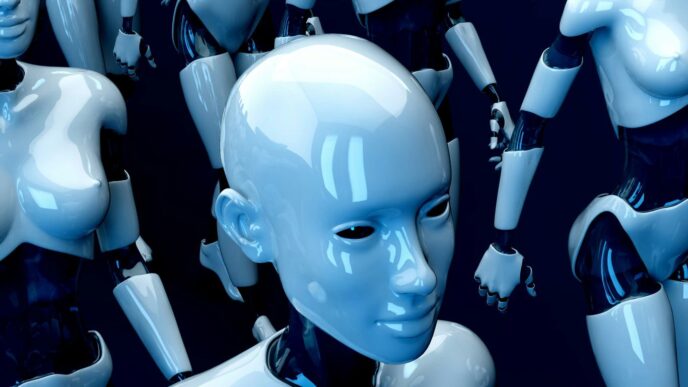
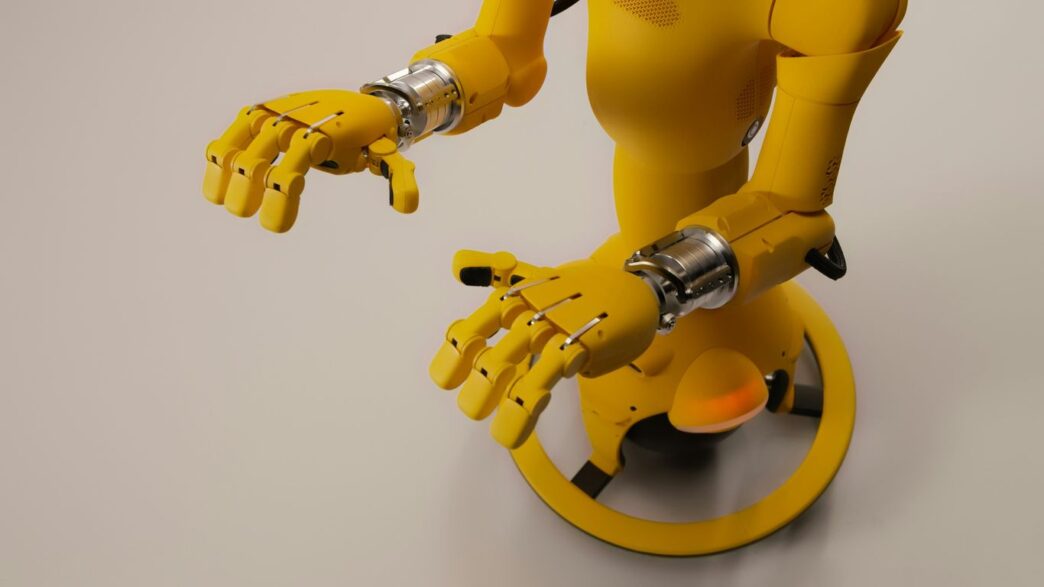
These aren’t the clunky robots of old. Today’s humanoid robots are much more agile, able to move around in complex spaces. Think about them helping out in hospitals, maybe delivering supplies or assisting patients with simple tasks. They’re also showing up in places where it’s just too risky for people, like inspecting damaged industrial sites. The big deal here is how they’re getting better at understanding and responding to specific needs, thanks to smarter AI.
Customization and Modularity in Robotic Systems
One size definitely doesn’t fit all anymore. Companies are asking for robots that can be tweaked for their exact jobs. This is where modular designs come in. Imagine a robot where you can swap out parts or modules to change what it does. Need it to weld one day and then move materials the next? A modular robot can be reconfigured. This makes them super flexible, especially for smaller businesses that can’t afford a whole fleet of specialized machines. Plus, setting them up is getting easier with user-friendly software.
The Role of Digital Twins in Robotics
This is a bit like having a virtual copy of a robot. Before you even build the real thing, you can create a digital version. This lets you test out all sorts of scenarios without any risk. You can see how it might perform, find potential problems, and tweak its functions to make it work better. It’s also a big help for maintenance. By watching the digital twin, you can often predict when a part might fail, so you can fix it before it breaks down completely. It really speeds up development and cuts down on costly mistakes.
Robotics Across Diverse Industries
It’s pretty wild how robots are showing up everywhere these days, not just in factories anymore. They’re really starting to change how different businesses operate, and honestly, it’s kind of exciting to see.
Transforming Healthcare with Robotic Assistance
Think about hospitals and doctor’s offices. Robots are doing more than just moving supplies around, though that’s a big help too. They’re assisting surgeons with super precise movements, helping people in physical therapy get back on their feet, and even making sure medications get to the right patients without a hitch. During the whole pandemic mess, robots were even busy filling test tubes and making masks. It’s clear that robots are becoming indispensable partners in patient care and medical procedures.
Logistics and Manufacturing Automation
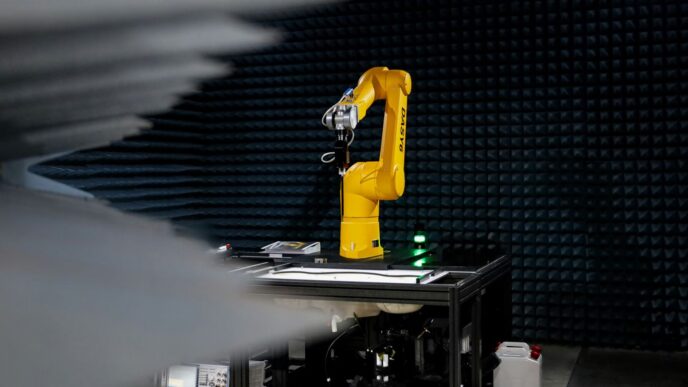
This is where robots really got their start, right? Manufacturing has been using robots for ages to do repetitive jobs like welding car parts or packing things. But now, it’s getting even more advanced. In warehouses, robots are zipping around stacking shelves and grabbing items, making sure your online orders get out the door faster. Companies are using them for everything from cutting steel to handling food products.
Robots in Construction and Agriculture
Even fields like building and farming are getting in on the robot action. In construction, there are robots being developed to help with heavy lifting and repetitive tasks on job sites, making things safer and quicker. And in agriculture, robots can help with planting, harvesting, and monitoring crops, which is a huge deal for feeding everyone. Some are even being tested for deliveries in remote areas, which is pretty neat.
The Evolving Landscape of Robotics

Robots as Cognitive Collaborators
It feels like just yesterday robots were mostly just doing repetitive tasks, you know, like on assembly lines. But things are changing fast. Thanks to smarter AI and better sensors, robots are starting to think for themselves, in a way. They’re not just following orders anymore; they’re actually learning and adapting. This means they can handle more complex jobs and even figure things out when the situation changes unexpectedly. We’re moving from robots as tools to robots as partners. Think about it: a robot that can spot a problem before it happens or adjust its approach on the fly. That’s a big leap.
Addressing Job Market Shifts
Okay, let’s talk about jobs. There’s a lot of chatter about robots taking over, and sure, some jobs will change. We might see fewer people doing the really tough, manual labor. But that doesn’t mean everyone’s out of work. Instead, we’re seeing a shift. New jobs are popping up – people needed to program these advanced robots, fix them when they break, and manage them. It’s more about upskilling and learning new things. Industries are always changing, and this is just the latest chapter. It’s not about robots replacing humans, but about humans and robots working together in new ways.
The Great Robot Race: Speed to Market and Compliance
Companies are really pushing to get their new robots out there. It’s like a race to be the first with the latest tech. But here’s the tricky part: while everyone’s trying to move fast, they also have to make sure their robots are safe and follow all the rules. This is especially true for robots that will be working closely with people or in public spaces. It’s a balancing act. You want to innovate quickly, but you can’t skip the important steps that keep everyone safe and make sure the technology is used responsibly. Getting this balance right is key for success in the robotics world right now.
Key Trends in Articles on Robots
Articles lately are really zeroing in on a few big ideas when it comes to robots. It feels like we’re moving past just the ‘wow, a robot!’ phase and getting into the nitty-gritty of how they actually work and what they’ll do.
Enhanced Autonomy and Real-Time Adaptation
One of the biggest themes popping up is how much smarter robots are getting. They’re not just following pre-programmed steps anymore. Think about it: robots are starting to figure things out on their own, making decisions based on what’s happening around them right now. This means they can handle unexpected situations much better. For example, a robot on a factory floor might have to adjust its path if a person walks by unexpectedly, or a delivery bot might need to find a new route if there’s road construction. This ability to adapt in real-time is a game-changer, making them more useful in unpredictable environments.
- Learning from Experience: Robots are getting better at learning from past tasks to improve future performance.
- Sensor Fusion: Combining data from multiple sensors (like cameras, lidar, and touch sensors) allows for a more complete picture of the environment.
- Predictive Maintenance: Robots can now often predict when a part might fail and alert technicians before a breakdown occurs.
Improved Human-Robot Interaction
Another major point in the articles is how we’re going to work with robots. It’s not just about robots doing tasks humans can’t or won’t do; it’s about them becoming partners. This means robots need to be easier to understand and interact with. We’re seeing a lot of discussion about how robots can communicate their intentions clearly, whether through gestures, lights, or even simple voice commands. The goal is to make working alongside robots feel natural and safe, not awkward or dangerous. This is especially important for collaborative robots, or ‘cobots,’ designed to work closely with people.
| Interaction Type | Description |
|---|---|
| Verbal Communication | Robots responding to and initiating spoken conversations. |
| Gesture Recognition | Robots understanding and responding to human hand and body movements. |
| Shared Workspace | Robots safely and efficiently operating in close proximity to humans. |
Eco-Friendly Materials and Energy Optimization
There’s also a growing focus on the environmental side of robotics. As robots become more common, their energy use and the materials they’re made from are becoming bigger considerations. Articles are highlighting efforts to make robots more energy-efficient, so they don’t consume massive amounts of power. Plus, there’s a push to use more sustainable materials in their construction, reducing the environmental impact of manufacturing and disposal. This trend reflects a broader societal shift towards sustainability, and it’s definitely making its way into the robotics world.
- Reduced Power Consumption: Designing robots that use less electricity during operation and standby modes.
- Recyclable Components: Using materials that can be easily recycled at the end of a robot’s lifespan.
- Biodegradable Materials: Exploring the use of materials that break down naturally, especially for robots used in outdoor or agricultural settings.
Wrapping Up: What’s Next for Robots?
So, looking at everything we’ve talked about, it’s pretty clear robots aren’t just science fiction anymore. They’re showing up everywhere, from helping out in factories to assisting us at home. Things like smarter AI and robots that can work alongside people are changing how we do things, making work faster and sometimes safer. While there are always worries about jobs, it seems like new roles are popping up too, needing people to build, fix, and manage these machines. Plus, with a focus on making robots more eco-friendly, it feels like the future is heading towards robots that are not only useful but also responsible. It’s going to be interesting to see how all these changes play out in the years to come.