Advancements in Applied Materials Machines for Enhanced Chip Performance
It’s pretty wild how much chip performance has improved, right? A lot of that comes down to the machines that put the materials down, especially when we’re talking about making things smaller and faster. Applied Materials has been doing some really interesting work here.
Atomic Layer Deposition for Precision Material Application
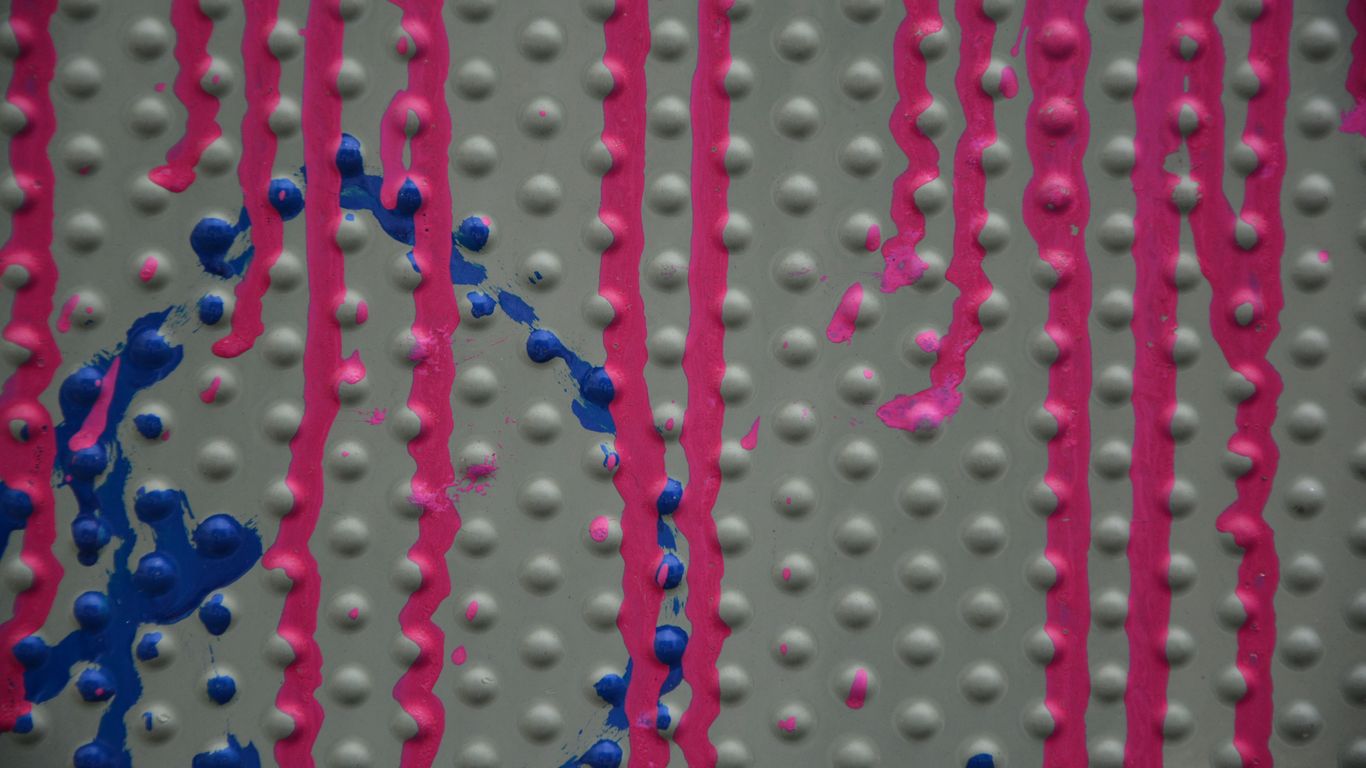
Think of Atomic Layer Deposition (ALD) like painting with atoms. Instead of just spraying material on, ALD builds up layers one atom at a time. This level of control is super important for making transistors work better and use less power. It’s a big deal for AI and machine learning chips that need to be really efficient.
3D Integration Technologies for Compact and Powerful Chips
We’re not just making chips flatter anymore; we’re stacking them up. Applied Materials is developing technologies that let manufacturers build chips that are not only smaller but also pack a bigger punch. This means more computing power in the same amount of space, which is key for everything from your phone to supercomputers.
Sustainable Manufacturing Processes for Reduced Environmental Impact
Making chips uses a lot of resources, and companies are starting to pay more attention to that. Applied Materials is working on processes that aim to cut down on waste and use less energy. It’s a good move for the planet and also meets what people are starting to expect from the companies they buy from.
Innovations in Applied Materials Equipment for Substrate Quality
Atomic Layer Deposition and Chemical Vapor Deposition Techniques
When we talk about making semiconductors, the starting point, the substrate, is super important. Applied Materials has some really neat ways to get these substrates just right. They use techniques like Atomic Layer Deposition (ALD) and Chemical Vapor Deposition (CVD). ALD is like painting with atoms, laying down material one single layer at a time. This gives you incredible control, which is a big deal when you’re dealing with things as small as transistors.
CVD is another workhorse. It involves using gases that react on the substrate surface to build up thin films. Both methods are key for creating the precise layers needed for modern chips. The accuracy these machines provide is what separates a good chip from a great one.
Enhanced Substrate Quality and Yield Rates
What does all this precision mean for the final product? Better substrate quality, plain and simple. When the base layers are laid down perfectly, it reduces defects. Fewer defects mean higher yield rates – that is, more working chips come off the production line. It’s a direct link between the equipment used and the profitability of manufacturing.
Think about it like building a house. If the foundation is uneven, the whole house can have problems. In chipmaking, the substrate is that foundation. Applied Materials’ equipment helps make that foundation rock solid.
Meeting the Demands of Nanometer-Sized Semiconductor Devices
Today’s chips are tiny. We’re talking about features measured in nanometers, which is just a few atoms across. To make these incredibly small devices, you need equipment that can work at that scale. ALD and advanced CVD systems from Applied Materials are designed precisely for this. They can deposit materials with atomic-level precision, which is absolutely necessary for creating the complex architectures found in cutting-edge processors and memory.
It’s a constant race to shrink things down while making them more powerful, and the quality of the substrate is a major part of winning that race. Applied Materials’ focus on these deposition techniques is a big reason why we keep seeing smaller, faster, and more capable chips.
Applied Materials Machines Addressing Interconnect Bottlenecks
As chips get smaller and more complex, especially for AI tasks, the wires connecting all those tiny transistors become a real problem. Think of it like trying to push a lot of water through really thin pipes – things slow down, and it takes more energy. This is what engineers call the ‘interconnect bottleneck,’ and it’s a major hurdle for making chips faster and more efficient. Simply making the wires smaller, which is what happens when you shrink the chip, actually makes this bottleneck worse.
Applied Materials is tackling this head-on with some clever material science. They’ve developed a new way to create wiring using a combination of ruthenium and cobalt. This new approach, used in their Endura system, allows them to make the necessary barrier layers much thinner.
Here’s a quick look at what that means:
- Reduced Line Resistance: By using less material for the barrier, the electrical resistance in the wires can drop by as much as 25%. This is a big deal for chip speed.
- Enabling Smaller Nodes: This improvement is key to making chips at the 2nm node and even smaller, pushing the boundaries of what’s possible.
- Material Engineering Solution: It’s a great example of how changing the materials used can solve a physics problem that’s hard to fix with just lithography (the process of printing the chip patterns).
This isn’t just about making wires thinner; it’s about finding smarter ways to build the connections that power our increasingly complex electronic world. It’s a critical step in keeping up with the demand for more powerful and efficient semiconductors.
Next-Generation Insulation Technologies in Applied Materials Machines
Black Diamond Low-k Dielectric Film for Reduced Capacitance
Chips are getting faster, but sometimes the wires connecting everything can slow them down. Think of it like a highway – even if the cars (transistors) are super fast, traffic jams (electrical resistance and capacitance) can cause delays. Applied Materials has been working on better ways to insulate these tiny highways. Their Black Diamond low-k dielectric film is a big deal here. It’s designed to lower capacitance, which is basically how much electrical charge a material can store. Less stored charge means signals can move more quickly between components. This is a key part of tackling the ‘RC delay’ problem that limits chip speed.
Superior Mechanical Strength for 3D Package Stacking
As chips get more complex, manufacturers are stacking them on top of each other to save space and improve performance. This is called 3D packaging. But stacking chips puts a lot of physical stress on the materials inside. The Black Diamond film isn’t just good at electrical insulation; it’s also built tough. It has better mechanical strength, meaning it can handle the pressure and vibrations that come with these stacked chip designs. This durability is super important for making sure these advanced packages don’t break down.
Foundational Deposition Technologies for Atomic-Scale Precision
How do they make these advanced materials? It all comes down to how they put the materials down, layer by atom. Applied Materials uses a bunch of different techniques for this, like Chemical Vapor Deposition (CVD), Physical Vapor Deposition (PVD), and Atomic Layer Deposition (ALD). ALD, in particular, is like painting with atoms, allowing for incredibly precise control over material thickness and uniformity, even down to a single atomic layer. This level of precision is what makes creating these next-generation insulation materials possible, forming the bedrock for all the advanced chip designs we’re seeing.
Applied Materials Solutions for Advanced Patterning Challenges
Addressing Stochastic Errors in EUV Lithography
Even with the amazing capabilities of Extreme Ultraviolet (EUV) lithography, things aren’t always perfect. You know how sometimes when you draw a really fine line, it gets a little wobbly? EUV can have similar issues, called stochastic errors. These are random variations and roughness in the printed lines, and they can really mess with chip performance and yield. Applied Materials has a neat trick up its sleeve with the Sym3® Y Magnum™ etch system. This machine is pretty cool because it can do both deposition and etching in the same chamber. It can actually deposit a bit of material right on the edges of those wobbly lines, smoothing them out before they’re permanently etched into the wafer. It’s like a digital eraser for tiny manufacturing mistakes.
Mitigating Complexity and Cost of Double Patterning
To get even more tiny components onto a chip, manufacturers sometimes have to use a technique called double patterning. Basically, you print a pattern, then you have to do a second printing step to get the density you need. It works, but it’s expensive and takes a lot of time. Applied Materials came up with the Centura® Sculpta® pattern-shaping system to help with this. Instead of a whole second printing step, this machine uses a special angled beam to stretch out the features from a single EUV print. This lets them pack things in tighter, similar to double patterning, but without all the extra cost and hassle. It also cuts down on energy use and the chances of alignment errors, which is a big win.
Pattern-Shaping Technology for Angstrom Era Chipmaking
As we push towards making chips with features measured in angstroms (that’s incredibly small!), the precision needed is mind-boggling. Applied Materials’ pattern-shaping technology is a big part of making this possible. It’s not just about printing the initial pattern; it’s about refining it. Think of it like a sculptor carefully shaping a piece of marble. Their tools can manipulate the patterns at an atomic level, fixing imperfections and getting the exact dimensions required for the next generation of processors. This kind of advanced control is what allows us to keep shrinking chips and packing more power into smaller spaces, meeting the demands of everything from AI to next-gen mobile devices.
Applied Materials Machines Driving Semiconductor Manufacturing Efficiency
It feels like every day there’s a new demand for faster, smaller, and more powerful chips. Keeping up with that pace is a huge challenge for semiconductor makers. Applied Materials is stepping up with machines designed to make the whole process smoother and quicker. They’re really focused on cutting down the time it takes to get new chips from the drawing board to your hands, all while making sure more of them actually work right.
Precision Patterning, Deposition, and Etching Solutions
Think of chip manufacturing like building something incredibly intricate, layer by tiny layer. Applied Materials’ equipment is all about making those building steps more accurate. Their deposition tools lay down material with atomic-level control, which is pretty wild when you consider how small these components are. Then, their etching machines carve out the patterns with amazing precision. This isn’t just about making things look good; it means fewer mistakes and better performance.
Shortening Time-to-Market and Enhancing Yield Rates
When you can do things more precisely and reliably, you naturally speed things up. Applied Materials’ machines help manufacturers avoid common hiccups that can slow down production. This means fewer wasted wafers and a higher percentage of usable chips – that’s what "yield rates" are all about. Getting more good chips out the door faster is a big win for everyone.
Transforming Semiconductor Fabrication Processes
It’s not just about making individual machines better; it’s about how they all work together. Applied Materials is looking at the entire fabrication flow. They’re introducing systems that can handle more complex tasks and integrate different processes. This kind of holistic approach is what’s needed to really change how chips are made, moving towards more efficient and capable production lines.
The Role of Applied Materials in Future Semiconductor Innovations
The semiconductor world is moving fast, and keeping up means constantly finding new ways to make chips better and faster. Applied Materials is right in the middle of this, working on how materials and engineering come together to shape what’s next. They’re not just making machines; they’re figuring out the building blocks for future electronics.
Merging Material Science and Semiconductor Engineering
Think about it: the chips we use today are already pretty amazing, but the next generation will need even more. This is where the blend of material science and semiconductor engineering becomes really important. Applied Materials is looking at new materials that can do things current ones can’t, like handle more power or conduct electricity more efficiently. It’s about finding those special ingredients that make a big difference at the tiny scale of a chip.
Scaling Production Facilities to Meet Surging Demand
We all know there’s a huge demand for chips right now, and it’s only going to grow. This means factories need to make a lot more, and they need to do it without slowing down or messing up. Applied Materials is developing equipment that helps manufacturers ramp up production. This includes machines that can work faster and more reliably, so more chips get made without sacrificing quality. It’s a big challenge, but it’s key to keeping up with the world’s need for electronics.
Commitment to Progress in the Evolving Semiconductor Space
This industry doesn’t stand still. New ideas pop up all the time, and companies have to adapt. Applied Materials seems to be all in on pushing things forward. They keep investing in new research and development, which shows they’re serious about staying at the forefront. It’s like they’re saying, ‘We’re here to help build the future of semiconductors, no matter how much things change.’ They’re focused on making sure that as technology evolves, the tools and materials needed to create it are ready and waiting.
Applied Materials Platforms for the AI Era
The AI revolution is here, and it’s putting a huge strain on our current chip-making capabilities. We’re talking about needing chips that are way faster and use less power, and the old ways of just shrinking transistors aren’t cutting it anymore. Applied Materials is stepping up with some really smart platforms designed to tackle these new challenges head-on.
Addressing Key Manufacturing Bottlenecks with Materials Engineering
AI chips are incredibly complex, and they run into all sorts of roadblocks during manufacturing. Think about the tiny wires connecting everything – they’re getting so small that electrical resistance is becoming a major problem, slowing things down and using more energy. Applied Materials is working on new materials, like their Volta™ RuCo CVD, to make these connections better. They’re also dealing with issues in advanced patterning, like those tricky stochastic errors that pop up with EUV lithography. Their Sym3® Y Magnum™ Etch System is designed to fix these tiny imperfections right on the wafer, which is pretty neat.
Heterogeneous Integration Amplified by Intelligent Platforms
Modern AI chips aren’t just one big piece of silicon anymore. They’re more like a collection of specialized chips, or ‘chiplets,’ all put together. This is called heterogeneous integration, and it’s how we get more power and functionality into a smaller space. Applied Materials has a whole suite of tools for this, especially for things like hybrid bonding, which lets you connect these chiplets directly. Their Integrated Materials Solution® (IMS®) platform is designed to combine several steps into one system, cutting down on defects and speeding up the whole process. It’s all about making these complex 3D structures work reliably.
AIx Platform for Accelerating Process Research and Development
Developing new chip-making processes used to take ages. Now, with AI driving the need for faster innovation, Applied Materials has created the AIx® platform. This system uses a ton of sensors and machine learning to figure out the best settings for their machines much quicker. It’s like having a super-smart assistant that can test out thousands of possibilities and find the optimal recipe for making chips. This dramatically cuts down the time it takes to get new chip designs into production, which is a big deal when the AI market is moving so fast. They’re essentially using AI to build the machines that build the AI chips.
Wrapping It Up
So, it’s pretty clear that the world of making computer chips is changing fast, and companies like Applied Materials are right in the middle of it. They’re coming up with new ways to build smaller, faster, and more efficient chips, which is exactly what we need for things like AI and all the other tech that’s becoming a bigger part of our lives. Plus, they’re thinking about the environment, which is a big deal these days. It looks like the future of semiconductors is going to be built on these kinds of smart, innovative machines and materials. It’s exciting to see what they come up with next.