
Technology is everywhere these days, isn’t it? It feels like just yesterday we were marveling at flip phones, and now we’ve got computers in our pockets that can do pretty much anything. It’s changed how we talk to each other, how we get our news, even how we find out if it’s going to rain. But with all these cool gadgets and instant connections, it makes you wonder how it’s really affecting us, you know? This article is going to look at the big picture of the impact of technology on society, the good, the bad, and everything in between.
Key Takeaways
- Technology has totally changed how we connect with people, making it easier to talk across long distances and different cultures.
- Our healthcare is getting a boost with new tech like AI for finding problems and telehealth so you can see a doctor from home.
- Learning is more open now with online classes available to pretty much anyone, anywhere.
- New jobs and industries are popping up because of tech, and old jobs are getting more efficient, which helps the economy grow.
- We need to be careful about the downsides, like not everyone having access to tech, keeping our personal info safe, and making sure all this connectivity doesn’t leave us feeling more alone.
Transforming Communication and Connection
It’s pretty wild how much technology has changed the way we talk to each other, right? Gone are the days of waiting for letters or even faxes. Now, we’ve got devices in our pockets that connect us to pretty much anyone, anywhere, instantly. It’s like the whole world shrunk down to the size of a smartphone screen.
Bridging Geographic and Cultural Divides
This is a big one. Think about it – you can video call with family on the other side of the planet like they’re in the next room. It’s not just about talking; it’s about seeing faces, sharing moments, and feeling closer despite the miles. This constant connection helps us understand different cultures better too. We see snippets of daily life from places we might never visit, hear different music, and learn about traditions firsthand. It breaks down those old barriers that used to keep us apart.
Real-Time Global Interactions
Remember when news traveled slowly? Now, events unfold live on our screens. We can react, comment, and share information as it happens, creating a shared global experience. Social media platforms and instant messaging apps let us chat with friends, join communities with shared interests, or even follow public figures in real-time. It’s a constant stream of interaction, making the world feel more immediate and interconnected than ever before.
Facilitating Collaboration Across Continents
For work or projects, this is a game-changer. Teams scattered across different countries can now work together on documents simultaneously, have virtual meetings, and share ideas without ever being in the same physical space. Tools like shared online workspaces and video conferencing platforms make it possible to brainstorm, solve problems, and move projects forward efficiently. It’s opened up a whole new way for people to team up and get things done, no matter where they are located.
Revolutionizing Healthcare and Well-being
It’s pretty wild how much technology has changed the way we handle our health, right? Gone are the days when you absolutely had to trek to the doctor’s office for every little thing. Now, we’ve got tools that can spot problems before we even feel them and ways to get medical advice without leaving the couch. This shift is making healthcare more accessible and personal than ever before.
AI-Driven Diagnostics and Personalized Care
Artificial intelligence is really stepping up in the medical world. Think about it: AI can look at medical images, like X-rays or scans, and spot things that might be hard for the human eye to catch, or at least catch them much faster. This means quicker diagnoses for serious stuff like cancer or heart conditions. Plus, AI helps doctors figure out the best treatment plan for you specifically, not just a general approach. It looks at your unique health data to suggest what might work best, cutting down on trial-and-error.
Telemedicine and Remote Health Access
Telemedicine has been a game-changer, especially for folks who don’t live near big hospitals or have trouble getting around. You can chat with a doctor or nurse through a video call, get prescriptions sent to your pharmacy, and even have your vital signs monitored from home. This is a huge win for people in rural areas or those with chronic conditions who need regular check-ins. It’s all about making sure everyone can get the care they need, when they need it. A Global Strategy on Digital Health is working to make sure this kind of care reaches everyone, everywhere.
Predictive Analytics for Public Health
This is where technology gets really forward-thinking. By looking at huge amounts of health data – like what illnesses are popping up where, or even things like weather patterns – we can start to predict health trends. This means public health officials can get ahead of outbreaks, like flu season or other infectious diseases, and put measures in place before things get out of hand. It’s like having a crystal ball for public health, helping to keep communities safer and healthier.
Democratizing Education and Knowledge
It’s pretty wild how much technology has changed the way we learn, right? Suddenly, a whole world of information is just a few clicks away, which is amazing for pretty much everyone. No longer are we stuck with just the books in our local library or the classes offered at the nearest school. This shift is really opening doors for people who might have been left behind before.
Online Learning Platforms and Global Access
Think about it: you can now take a course from a university across the globe without ever leaving your couch. Platforms like Coursera, edX, and even YouTube offer lessons on everything from coding to ancient history. This means that someone in a small town in India can learn the same skills as someone in Silicon Valley. This global access to education is a game-changer for leveling the playing field. It’s not just about getting a degree, either. It’s about picking up new skills for a job, exploring a hobby, or just satisfying your curiosity about the world.
Personalized Learning Experiences
Beyond just access, technology is also making learning more tailored to each person. Remember those one-size-fits-all classes in school? Technology is moving past that. Adaptive learning software can figure out where you’re struggling and give you extra practice on those topics. It can also speed things up if you’re already getting it. This means less time wasted on stuff you already know and more focus on what you need to work on. It’s like having a tutor who knows exactly what you need, when you need it.
Empowering Lifelong Learning Opportunities
Learning doesn’t stop when you finish school anymore. With technology, it’s easier than ever to keep learning throughout your life. Need to update your skills for a new job? There’s an online course for that. Want to learn a new language before a trip? There are apps for that. This constant access to learning resources means people can adapt to a changing world and keep growing, both personally and professionally. It’s about staying relevant and curious in a world that’s always moving forward.
Driving Economic Growth and Innovation
Emergence of New Industries and Job Markets
Technology has really shaken things up when it comes to how we make a living. Think about it – just a few decades ago, jobs like "social media manager" or "app developer" didn’t even exist. Now, they’re huge. This constant wave of new tech creates entirely new fields, and with them, new kinds of work. It’s not just about tech companies either; these innovations ripple out, changing how other businesses operate and what skills they need. We’re seeing a big shift towards jobs that require digital know-how, problem-solving, and creativity. It’s a bit of a wild ride, honestly, as some old jobs fade away and new ones pop up.
Boosting Productivity Through Automation
One of the biggest impacts technology has had is on how much we can get done. Automation, using robots and smart software, is taking over a lot of repetitive tasks. This means factories can produce more, services can be delivered faster, and businesses can operate around the clock. This boost in efficiency is a major reason why economies grow. While some worry about jobs being lost to machines, it also frees up people to focus on more complex or creative work that machines can’t do. It’s a trade-off, for sure, but the productivity gains are undeniable.
Attracting Global Talent and Investment
When a country or region embraces new technology and fosters innovation, it becomes a magnet. Companies want to set up shop where they can access the latest tools and skilled workers. This, in turn, attracts investment from all over the world. Think of places that are known for their tech hubs – they’re constantly bringing in money and smart people. This creates a positive cycle: more investment leads to more innovation, which attracts even more talent and money. It’s how economies can really take off in the modern world.
Navigating the Challenges of the Digital Age
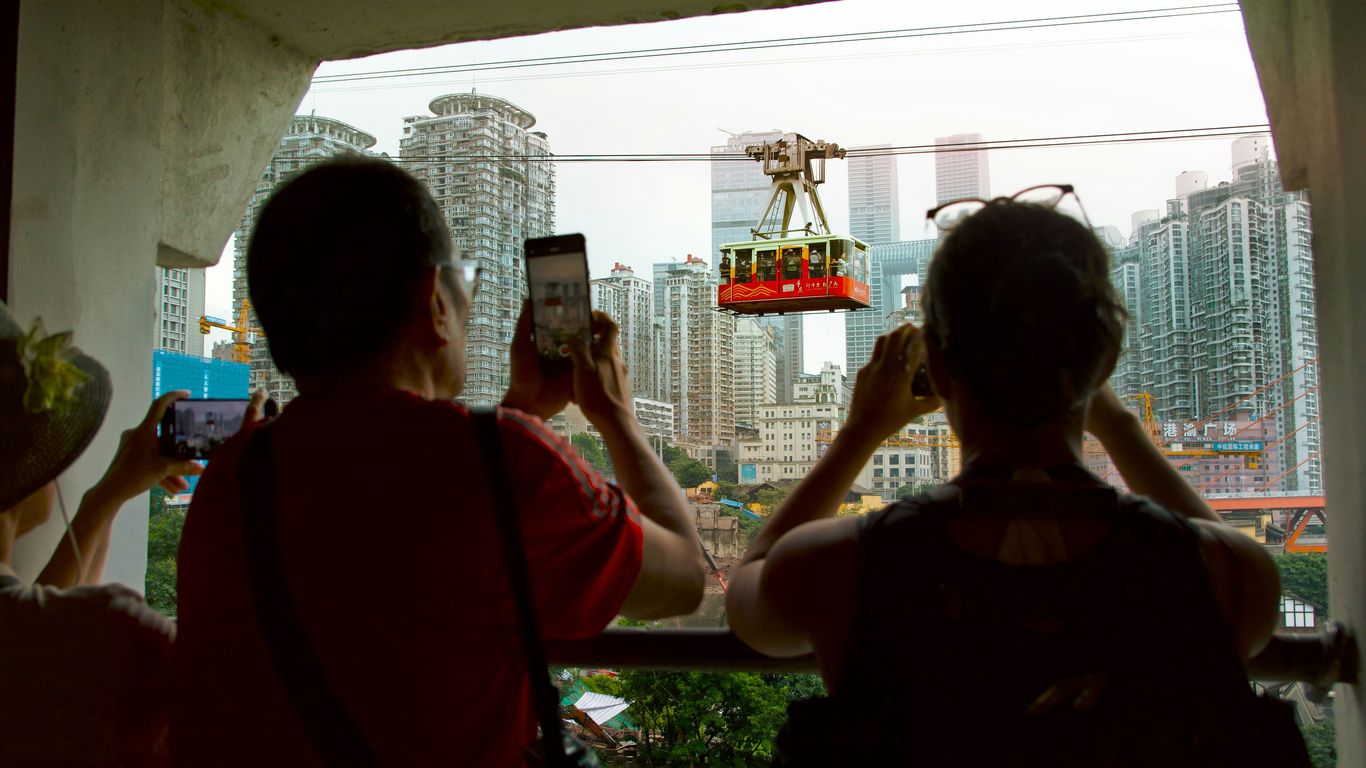
It’s easy to get caught up in all the amazing things technology lets us do, right? But we also have to be real about the downsides. Not everyone is on the same page when it comes to tech.
Addressing the Widening Digital Divide
This is a big one. We talk about how connected we all are, but that’s not the reality for everyone. There’s a gap, and it’s growing, between people who have easy access to the internet and devices, and those who don’t. This isn’t just about not being able to stream the latest show; it affects jobs, education, and even basic services. Think about applying for a job online or accessing health information – if you can’t get online, you’re immediately at a disadvantage. We need to make sure that access to technology isn’t a luxury, but something everyone can count on. It means more than just getting internet into rural areas; it’s also about making sure people can afford it and know how to use it.
Safeguarding Privacy in a Data-Driven World
Every click, every search, every post – it all creates data. And companies are collecting it. While this data can be used to improve services, it also raises serious questions about our privacy. Who has our information? What are they doing with it? It feels like we’re constantly trading personal details for convenience, and it’s not always clear what the long-term consequences are. We need clearer rules and more transparency about how our data is used, and frankly, more control over it ourselves.
Mitigating Risks of Social Isolation and Mental Health
It sounds counterintuitive, doesn’t it? We’re more ‘connected’ than ever, yet studies suggest people are feeling more alone. Spending hours online can sometimes replace real-world interactions. This can lead to feelings of isolation, and for some, it can really impact their mental well-being. Plus, the constant comparison on social media can be tough. It’s important to find a balance, to remember to put the phone down and connect with people face-to-face. Encouraging digital well-being practices is key, helping people manage their online time and maintain healthy relationships both online and off.
Technology’s Profound Impact on Cultural Dynamics
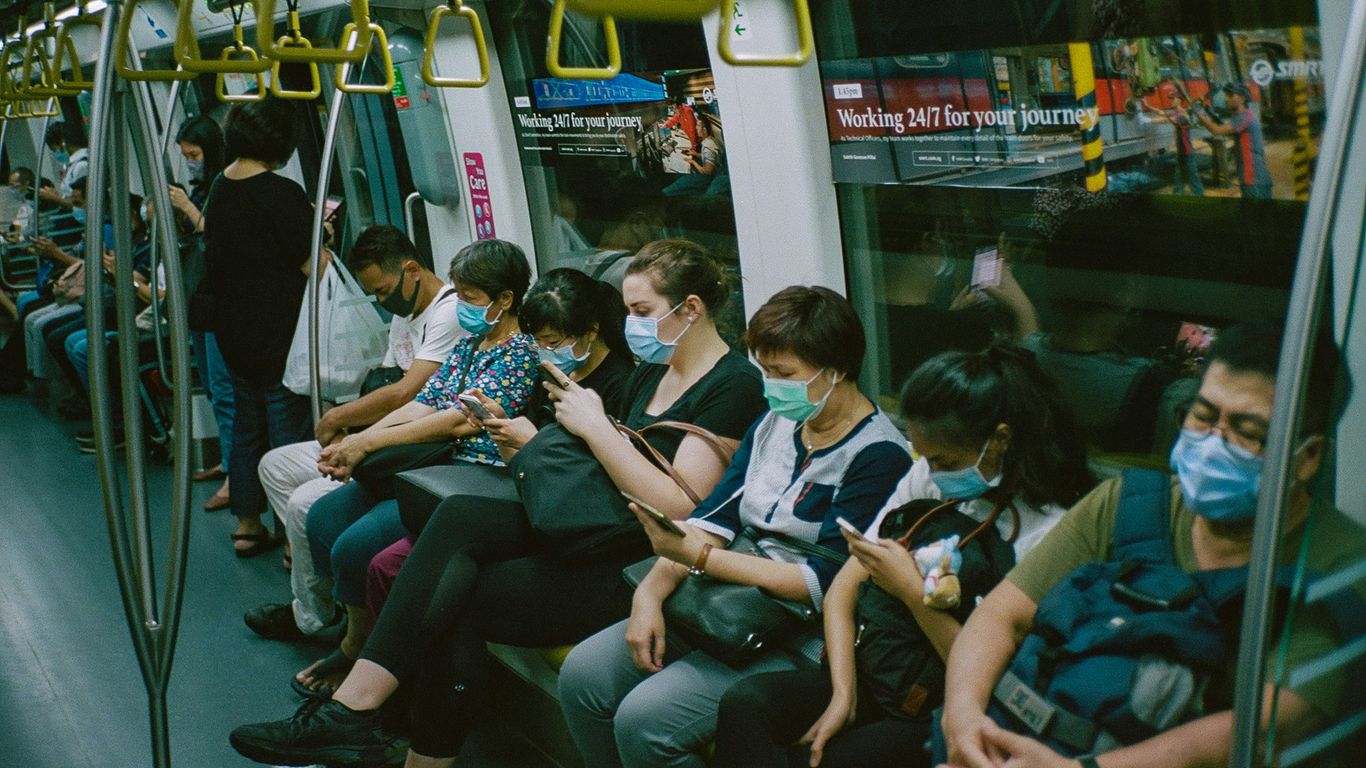
It’s pretty wild how much technology messes with our culture, right? Think about it. Things that used to be super local are now everywhere, and stuff from far away is suddenly in our living rooms. It’s like a giant, ongoing cultural mashup.
Cultural Exchange and Hybridization
This is where things get really interesting. Technology, especially the internet and social media, has basically blown the doors off how cultures interact. We’re seeing traditions blend in ways we never imagined. Music is a great example – you hear beats from one continent mixed with melodies from another, creating something totally new. Fashion does it too, mixing styles from different places. Even food is part of it, with global ingredients and cooking methods popping up everywhere.
- Global music genres blending: Think K-Pop incorporating Western pop elements or Latin rhythms showing up in electronic dance music.
- Fusion cuisine: Restaurants combining techniques and ingredients from vastly different culinary traditions.
- Online communities: People from all over the world connecting over shared niche interests, creating their own subcultures.
It feels like we’re living in a constant state of cultural remix.
Preserving and Transforming Traditions
On one hand, technology is a lifesaver for traditions that might otherwise fade away. Think about languages that are spoken by only a few people. Now, there are apps and websites dedicated to teaching and preserving them. Elders can record stories and share them with younger generations digitally, keeping history alive. But it’s not just about keeping old things the same. Technology also changes how traditions are practiced. Think about religious ceremonies that are now live-streamed so family members who can’t be there in person can still participate. It’s a double-edged sword, really.
Navigating Cultural Homogenization Risks
Here’s the flip side. With so much information and entertainment flowing globally, there’s a real worry that unique local cultures might get drowned out. It’s easy for the most popular, often Western, cultural products to become the default. This can make smaller, less dominant cultures feel like they have to conform or risk disappearing. Social media, while connecting us, can also amplify these dominant trends, making it harder for diverse voices to be heard. It’s something we need to be mindful of as we keep plugging more and more technology into our lives.
Shaping a Responsible and Equitable Future
As we look at how technology is changing everything, it’s super important we think about how to make sure it’s a good thing for everyone, not just a few. We need to be smart about how we build and use new tech so it helps us solve problems and doesn’t create new ones. This means thinking ahead and making sure everyone gets a fair shot at using these tools.
Promoting Responsible Innovation Practices
Building new tech is exciting, but we can’t just rush ahead without considering the consequences. It’s like building a house – you need a solid plan and good materials, or it might fall down later. We need to encourage companies and developers to think about the impact of their creations. This involves:
- Considering ethical questions from the start: Before a product is even finished, we should ask if it could be used unfairly or cause harm. This means looking at things like bias in AI or how data is collected.
- Being open about how things work: If people understand how a technology functions, they can trust it more. Hiding how algorithms make decisions, for example, just breeds suspicion.
- Focusing on long-term good: Instead of just chasing the next big thing, we should aim for innovations that genuinely improve lives and communities over time.
Ultimately, responsible innovation means building technology with people and society in mind.
Ensuring Equitable Access to Technology
It’s a real problem when some people have all the cool new gadgets and fast internet, while others are left behind. This digital divide can make existing inequalities even worse. We need to work on making sure everyone, no matter where they live or how much money they have, can get online and use technology.
Here are a few ways we can try to fix this:
- Expand internet infrastructure: This means getting reliable internet to rural areas and places that are currently underserved.
- Make devices affordable: Not everyone can afford the latest smartphone or computer. We need more options that are budget-friendly.
- Teach people how to use tech: Having the tools is one thing, but knowing how to use them effectively is another. Digital literacy programs are key.
Fostering Global Collaboration for Social Good
Big problems like climate change or pandemics don’t stop at borders, and neither should our solutions. Technology can be a massive help here, but only if we work together across countries. When scientists, governments, and even regular people share ideas and resources, we can achieve so much more.
Think about it:
- Sharing research: When breakthroughs in medicine or clean energy are shared openly, everyone benefits faster.
- Joint projects: Countries can team up on developing new technologies that help everyone, like better ways to manage water resources.
- Setting global standards: Agreeing on rules for things like data privacy or AI safety makes it easier for everyone to participate and reduces risks.
Working together on technology means we can use its power to tackle the world’s toughest challenges and build a future that’s better for all of us.
Wrapping It Up
So, looking back at everything, it’s pretty clear technology isn’t just a tool anymore; it’s woven into the fabric of our lives. It’s opened up amazing ways to connect, learn, and even get better healthcare. But yeah, it’s not all sunshine and rainbows. We’ve got to keep an eye on things like the digital divide and our privacy. The big takeaway here is that technology is a powerful thing, and how we use it really matters. It’s up to all of us – the folks making the tech, the people in charge, and just regular people like you and me – to make sure it’s helping us move forward in a good way.
Frequently Asked Questions
How has technology changed the way we talk to each other?
Technology lets us talk to people all over the world instantly! Think about video calls with family far away or texting friends. It breaks down big distances and makes it super easy to share ideas and work together, no matter where you are.
Can technology really help doctors and patients?
Yes, totally! Computers can help doctors figure out what’s wrong faster, and some doctors can even see you through a screen (that’s called telemedicine). This means people can get help more easily, even if they can’t easily go to a doctor’s office.
Is learning easier with technology?
Definitely! There are tons of websites and apps where you can learn almost anything. You can learn at your own speed and in a way that makes sense for you. It’s like having a personal tutor available anytime, anywhere.
Does technology create new jobs?
It sure does! New tech means new kinds of jobs that didn’t exist before. Plus, technology helps businesses work faster and smarter, which can lead to more growth and opportunities for people.
What’s the ‘digital divide’ everyone talks about?
The digital divide is like a gap. Some people have easy access to computers and the internet, while others don’t. This can make it harder for some people to get good education or jobs, which isn’t fair.
Can technology make people feel more alone?
Sometimes, yes. Even though we can connect online, spending too much time on screens or social media can sometimes make people feel lonely or stressed. It’s important to find a balance between online and real-life connections.