Sacramento’s urban scene is buzzing, and a big part of that is the rise of what you might call ‘indie capital’. It’s not just about big developers anymore; it’s about artists, small businesses, and communities shaping the city’s feel. This shift is changing how people live, work, and connect in the capital city, making it a really interesting place to watch right now.
Key Takeaways
- Midtown Sacramento is a hub for artistic expression and cultural happenings, with creative spaces popping up and influencing the city’s vibe.
- Sacramento is finding a balance between its old-school charm and new developments, with efforts to bring life back to downtown and make urban living more appealing.
- Compared to other parts of California, Sacramento offers more affordable housing and a lower cost of living, making it a smart choice for investment and for people looking to settle down.
- Community groups are playing a big role in growing and preserving neighbourhoods, focusing on making areas liveable and economically active rather than just historical sites.
- Sacramento’s cultural identity is shaped by working-class and non-white influences, often expressed in less formal, more migratory ways, moving beyond traditional cultural institutions.
The Ascendancy of Indie Capital in Sacramento
Midtown’s Artistic Pulse and Cultural Vibrancy
Midtown isn’t just a place; it’s a feeling. It’s where the city’s creative heart beats loudest, a vibrant mix of independent spirit and artistic expression. You can practically feel the energy buzzing through the streets, a stark contrast to more corporate areas. This is where Sacramento’s ‘indie capital’ really started to take root. It’s a neighbourhood that’s always been a bit of a maverick, attracting artists, musicians, and thinkers who want to do things their own way. The sheer number of galleries, small music venues, and quirky independent shops is a testament to this. It’s not about big chains or mass-produced culture here; it’s about authenticity and a DIY ethos that’s infectious.
Emergence of Artistic Neighbourhoods
Beyond Midtown, you can see this ‘indie capital’ idea spreading. It’s like a ripple effect, with artists and entrepreneurs looking for affordable spaces and finding them in areas that were perhaps overlooked before. These emerging neighbourhoods often have a distinct character, a raw charm that appeals to those looking to build something unique. They become hubs for creativity, drawing in people who appreciate a less polished, more genuine urban experience. It’s about finding potential where others might not see it, and cultivating it into something special.
Here’s a look at how these areas are developing:
- Affordable Rent: Lower commercial and residential rents allow artists and small businesses to set up shop without massive upfront costs.
- Unique Architecture: Often featuring older buildings with character, these areas provide inspiring backdrops and spaces for creative work.
- Community Support: A growing sense of shared purpose among residents and business owners helps to build a strong local network.
- Independent Spirit: A collective desire to avoid mainstream commercialisation and maintain a distinct local identity.
The growth of these pockets of creativity isn’t accidental. It’s driven by a conscious choice to build communities around shared values and artistic pursuits, often in areas that offer a more accessible entry point for new ventures.
The Role of Creative Spaces
Central to this rise of indie capital are the creative spaces themselves. These aren’t your typical office buildings or sterile galleries. Think converted warehouses, repurposed industrial sites, and even shared studio complexes. These places are incubators for new ideas, providing the physical environment for collaboration and innovation to flourish. They’re often community-run or collectively managed, reflecting the same independent spirit that defines the areas they inhabit. It’s about making do, making it work, and making it your own.
Sacramento’s Evolving Urban Landscape
Balancing Historic Charm and Modern Development
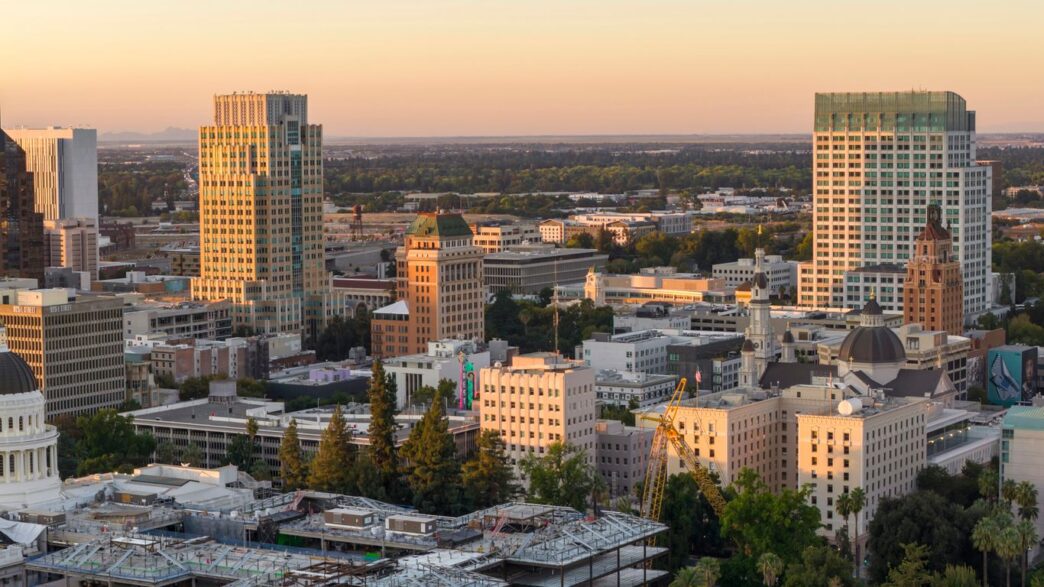
Sacramento’s got this interesting mix going on, where you see these really old, proper-looking buildings standing right next to shiny new developments. It’s not just about knocking things down and starting fresh; there’s a real effort to keep the city’s history alive while still making it work for today. You can wander down a street with grand old trees and Victorian houses, and then turn a corner to find a sleek apartment block or a modern office space. It feels like they’re trying to get the best of both worlds, you know? It’s a city that’s definitely growing, but it’s not forgetting where it came from.
Downtown Sacramento’s Revitalisation Efforts
Downtown Sacramento has been getting a lot of attention lately, and it shows. It used to be a bit quiet after office hours, but now there’s a real buzz. You’ve got more restaurants opening up, places with proper cocktails, and spots for live music. They’ve done a decent job of making it more appealing to live there too, with new flats going up in old buildings and some modern high-rises. Plus, it’s pretty handy for getting around, with the light rail and all, and being close to the State Capitol means there’s always a bit of activity.
- More independent shops popping up.
- Improved public spaces and parks.
- Increased evening and weekend foot traffic.
The Appeal of Urban Living
So, why are people choosing to live in the city centre these days? Well, it’s not just about being close to work. It’s the convenience, really. Everything you need is often within walking distance or a short bike ride away. Think about grabbing a coffee, meeting friends for lunch, or catching a show – it’s all right there. For younger professionals especially, this kind of lifestyle makes a lot of sense. It’s a different pace to living out in the suburbs, and for many, it’s exactly what they’re looking for.
The city is managing to attract people by offering a lifestyle that’s both convenient and connected, without the eye-watering price tags you find elsewhere in California. It’s a smart move, really, making the most of what’s already there while adding new things that people want.
| Feature | Description |
|---|---|
| Walkability | High, with many amenities nearby. |
| Public Transport | Well-connected via light rail and bus routes. |
| Entertainment | Growing number of restaurants, bars, and venues. |
| Housing Options | Mix of historic renovations and new builds. |
Affordability and Investment in Sacramento
Housing Market Dynamics and Opportunities
When you look at California, Sacramento really does stand out. It’s not San Francisco, and thank goodness for that, because the prices there are just wild. Here, you can actually afford to buy a place without selling a kidney. The median home price is sitting around £400,000, and renting a place will set you back about £1,400 a month. That’s a massive difference, right? It means people can actually save money and build a bit of a life here, rather than just working to pay rent.
Different parts of the city offer different things, of course. Places like East Sacramento and Land Park are lovely, with big old houses and leafy streets, but they cost more. If you’re looking for somewhere with more potential for growth, or just somewhere a bit cheaper to get on the property ladder, then you’ll want to look at the up-and-coming neighbourhoods. There are opportunities for all sorts of buyers, whether you’re after a family home, a flat, or even something new being built.
Sacramento offers a tangible financial advantage for those looking to settle in California.
Cost of Living Advantages
It’s not just housing that’s more reasonable. Generally, living costs in Sacramento are about 8% lower than the California average. That might not sound like a huge amount, but it adds up, especially on everyday things. Because it’s known as the Farm-to-Fork Capital, you can often get fresh, local food for less. Think about your weekly shop – if that’s cheaper, and your rent is cheaper, you’ve suddenly got more disposable income. It makes a real difference to your quality of life.
Here’s a quick look at where you might save:
- Housing: Significantly cheaper than coastal cities.
- Groceries: Access to fresh, local produce at better prices.
- Daily Expenses: Lower costs for things like transport and entertainment.
- Utilities: While summers can be hot and require air conditioning, milder winters help balance out annual utility bills.
The city’s climate does play a part in utility costs. Expect higher bills during the hot, dry summers when air conditioning is a must. However, the winters are generally mild, which helps to keep heating costs down. It’s a trade-off that many find manageable, especially when weighed against the savings in other areas.
Investment Potential in Emerging Neighbourhoods
So, where should you be looking if you want your money to grow? While the established areas are nice, the real buzz for investors is in the neighbourhoods that are starting to get noticed. These are the places where independent businesses are popping up, artists are moving in, and people are starting to see the potential. It’s a bit of a gamble, sure, but the rewards can be much bigger.
Think about areas that are seeing new life breathed into them. Maybe an old industrial area is being redeveloped, or a neighbourhood that was overlooked is suddenly becoming a hotspot for young families and creatives. These places often have a lower entry price, meaning you can buy more for your money, and then benefit from the appreciation as the area becomes more desirable. It’s about spotting the potential before everyone else does. It’s a bit like finding a hidden gem, and Sacramento has a few of those waiting to be discovered by savvy investors.
Community-Driven Growth and Preservation
The Sacramento Old City Association’s Origins
It’s fascinating how local groups can really shape a city’s direction, isn’t it? The Sacramento Old City Association, for instance, started with a pretty clear goal: to keep the heart of Sacramento beating strong. It wasn’t about stopping progress, but about making sure that as the city grew, its unique character wasn’t just bulldozed over. Think of it as a group of people who really cared about Sacramento’s history and its future, wanting to find a way for them to coexist. They saw potential where others might have just seen old buildings.
Repopulating Downtown Through Renovation
One of the big challenges for many city centres, including Sacramento’s, is getting people to actually live and work there. For a while, downtown areas could feel a bit empty outside of office hours. The idea here is to bring life back by fixing up older buildings. Instead of knocking them down, they’re being given a new lease of life, often turned into apartments or mixed-use spaces. This isn’t just about aesthetics; it’s about creating a vibrant community where people feel connected to where they live.
- Identifying underused or vacant historic buildings.
- Securing funding and partnerships for renovation projects.
- Adapting spaces for modern living while respecting historical features.
- Encouraging a mix of residential and commercial uses to create a lively atmosphere.
Neighbourhood Viability as Economic Spaces
It’s not just about the big downtown buildings, though. The thinking extends to smaller neighbourhoods too. The idea is that every area, with its own unique feel, can become a place where people want to spend time and money. This means supporting local businesses, creating spaces for artists and makers, and generally making neighbourhoods more appealing. When people invest their time and money locally, the whole community benefits. It’s about seeing these places not just as places to live, but as active economic hubs.
The shift towards community-driven growth means that development isn’t just top-down anymore. Local residents and organisations are playing a much bigger role in deciding what their city looks like and how it functions. This approach often leads to more sustainable and authentic urban environments.
| Aspect of Growth | Traditional Approach | Community-Driven Approach |
|---|---|---|
| Decision Making | Centralised, top-down | Decentralised, participatory |
| Focus | Large-scale development | Small-scale, neighbourhood-focused |
| Outcome | Standardised buildings | Unique, characterful spaces |
| Investment | External developers | Local residents and businesses |
Sacramento’s Unique Cultural Identity
Beyond Traditional Institutions
Sacramento’s cultural scene isn’t just about the big museums, though the Crocker Art Museum is pretty impressive, mind you. It’s more about the smaller, often unexpected places that really give the city its flavour. Think about the independent galleries tucked away in Midtown, or the community theatres putting on plays that tackle local issues. These spots are where you’ll find artists experimenting and voices that might not get heard in more established venues. It’s this grassroots energy that makes Sacramento feel so alive and authentic.
The Influence of Working-Class and Non-White Culture
It’s really important to acknowledge the deep roots of working-class and non-white communities in shaping Sacramento. These groups have brought so much to the city’s character, from the food you find in certain neighbourhoods to the music you hear spilling out of local bars. For ages, these contributions were often overlooked, but they’re now being recognised as a vital part of what makes Sacramento, well, Sacramento. It’s a history that’s woven into the fabric of the city, influencing everything from its architecture to its social gatherings.
The Migratory Nature of Cultural Expression
Sacramento’s culture isn’t static; it’s always on the move, much like the people who live here. People bring their traditions, their music, their food from all over, and they mix it all up here. This constant influx means the city’s cultural identity is always evolving. What’s popular today might be influenced by someone who just moved here from another state or even another country. It’s this dynamic mix that keeps things interesting and prevents the city from becoming too predictable. It’s a place where different influences can really take hold and grow.
Sacramento’s cultural identity is a living thing, constantly being shaped by the people who call it home. It’s a blend of old and new, local and global, and it’s this vibrant mix that gives the city its distinctive charm and appeal. It’s not something you can easily pin down, and that’s precisely its strength.
The Farm-to-Fork Influence on Urban Living
Sacramento’s reputation as America’s Farm-to-Fork Capital isn’t just a catchy slogan; it genuinely shapes how people live and interact within the city. This strong connection to agriculture means that fresh, local produce is readily available, influencing everything from daily meals to the city’s broader cultural identity. It’s a constant reminder of the region’s agricultural roots, weaving a narrative of sustainability and community right into the urban fabric.
Culinary Innovation and Community Bonds
The Farm-to-Fork ethos has sparked a real buzz in Sacramento’s food scene. Local chefs are constantly experimenting, using the bounty from nearby farms to create dishes that are both innovative and deeply rooted in the area’s heritage. This focus on fresh ingredients doesn’t just mean better food; it also builds stronger connections. Farmers’ markets and food festivals become social hubs, bringing people together to celebrate local produce and support regional growers. It’s a cycle that benefits everyone, from the farmer to the diner.
Access to Fresh, Local Produce
One of the most tangible benefits of Sacramento’s agricultural focus is the sheer availability of fresh food. You can find produce that’s travelled mere miles, not hundreds or thousands. This isn’t just about taste; it’s about supporting local economies and reducing the environmental impact of food transportation. Think about it: popping down to the local market for vegetables picked that morning. It makes a difference.
Here’s a look at how this plays out:
- Farmers’ Markets: Numerous markets operate throughout the week, offering a direct link to growers.
- Restaurant Menus: Many eateries highlight seasonal ingredients, often naming the farms they source from.
- Community Supported Agriculture (CSA): Schemes allow residents to subscribe directly to a farm’s harvest.
Seasonal Dishes and Agricultural Heritage
Sacramento’s culinary landscape is intrinsically tied to the seasons. The dishes you’ll find on menus change throughout the year, reflecting what’s currently being harvested. This approach not only ensures the freshest flavours but also educates residents about the agricultural calendar and the importance of supporting local farming practices. It’s a way of honouring the region’s past while building a more sustainable future.
The city’s commitment to its agricultural identity means that urban living here is often intertwined with the rhythms of the countryside. This connection is more than just about food; it’s about a shared appreciation for the land and the hard work that sustains the community.
The Road Ahead for Sacramento’s Indie Capital
So, what does all this mean for Sacramento? It’s clear the city isn’t just a place to live; it’s becoming a hub for creativity and independent ventures, especially in areas like Midtown. We’ve seen how people are drawn to its unique vibe, its more affordable lifestyle compared to other parts of California, and the growing opportunities for artists and entrepreneurs. While there are always challenges, like making sure these vibrant areas stay accessible and don’t just become exclusive enclaves, the energy is undeniable. Sacramento’s future looks bright, shaped by the people who are actively building their lives and businesses here, proving that you don’t need to be in a massive metropolis to make a real mark. It’s a city that’s growing, changing, and finding its own distinct voice, and it’s exciting to see what comes next.
Frequently Asked Questions
What is ‘Indie Capital’ and why is it important in Sacramento?
‘Indie Capital’ basically means money and effort coming from smaller, independent groups, often artists and creative people, rather than big companies. In Sacramento, this is important because it helps make neighbourhoods lively and unique, like Midtown, with its art galleries, cool shops, and music venues. It’s about people investing their own ideas and money to make places special.
How is Sacramento’s city centre changing?
Sacramento’s downtown is getting a makeover! After many people started working from home, the city is trying to bring life back to the centre. They’re focusing on making it a place where people want to live, not just work. This means more places to eat, fun things to do in the evenings and on weekends, and making it easier for people to call downtown home.
Is it expensive to live in Sacramento compared to other California cities?
Good news! Sacramento is generally more affordable than cities like San Francisco or Los Angeles. Your money goes further here, especially when it comes to housing. This makes it a great place for people who want to experience California living without the super high price tag.
What’s special about Sacramento’s culture?
Sacramento’s culture isn’t just about big, old buildings or fancy museums. A lot of its vibrant culture comes from everyday people, working-class communities, and people from different backgrounds. It’s often found in smaller, pop-up events, local music scenes, and community gatherings – things that are lively and changing, rather than set in stone.
How does the ‘Farm-to-Fork’ idea affect city life?
Being known as the ‘Farm-to-Fork Capital’ means Sacramento really values fresh, local food. This makes it easy to find delicious meals made with ingredients from nearby farms. It also brings people together through food festivals and farmers’ markets, connecting the city to its agricultural roots and creating a strong sense of community.
Are there good opportunities for artists and creatives in Sacramento?
Yes, definitely! Places like Midtown are known for their artistic vibe, with lots of galleries, studios, and performance spaces. While it might not have huge, famous institutions, there’s a growing scene where artists can create, share their work, and find inspiration. The city is becoming a place where independent creativity can really thrive.