

The Nanotechnology Revolution in Advanced Materials
It’s pretty wild to think about how much materials science has changed things, right? We’ve gone from basic tools to, well, manipulating stuff at the atomic level. That’s where nanotechnology comes in, and it’s totally shaking up what we can do with materials.
Engineering Materials at the Atomic Scale
Basically, nanotechnology is about working with materials that are incredibly tiny – think billionths of a meter. At this scale, materials start acting differently than they do in larger chunks. Scientists can arrange atoms and molecules precisely, almost like building with LEGOs, but way, way smaller. This lets them create materials with brand new properties that you just wouldn’t find otherwise. It’s like having a whole new toolbox for designing things.
Unique Properties of Nanomaterials
So, what makes these tiny materials so special? Well, they often have some pretty amazing characteristics. For example, they can be super strong but also really light. Some nanomaterials are fantastic at conducting electricity or heat, while others can be designed to interact with light in unique ways.
Here are a few examples:
- Carbon Nanotubes: These are like tiny tubes made of carbon. They’re incredibly strong, stronger than steel, but much lighter. This makes them a big deal for making things tougher.
- Quantum Dots: These are tiny semiconductor particles. They glow different colors depending on their size when light hits them, which is neat for displays and medical imaging.
- Graphene: A single layer of carbon atoms arranged in a honeycomb pattern. It’s super thin, incredibly strong, and a great conductor of electricity and heat.
Applications in Aerospace and Reinforcement
Because of these unique properties, nanotechnology is already making waves, especially in areas like aerospace. Imagine making airplane parts that are lighter but stronger – that means less fuel burned and longer flights. Nanomaterials can be added to plastics and metals to make them tougher and more resistant to wear and tear. This isn’t just for planes, either. Think about stronger sporting equipment, more durable car parts, or even buildings that can withstand more stress. The ability to fine-tune material properties at the nanoscale opens up possibilities we’re only just beginning to explore.
Innovations in Energy and Electronics
This section is all about how new materials are changing the way we power our lives and connect with each other. It’s pretty wild to think about, but the stuff we use to build things, from tiny computer chips to massive power grids, is getting a serious upgrade.
Materials for Clean Energy Transition
The big push for cleaner energy sources like solar and wind means we need better ways to capture, store, and use that power. Materials science is stepping up big time here. We’re talking about materials that can make solar panels way more efficient, so they soak up more sunlight. Think about new types of semiconductors or coatings that can capture a broader spectrum of light. It’s not just about making more power, though; it’s also about making sure we have it when the sun isn’t shining or the wind isn’t blowing.
High-Capacity Batteries and Solar Cells
Batteries are a huge part of this. For electric cars to really take over, they need batteries that last longer and charge faster. Researchers are looking at new battery chemistries and designs, moving beyond just lithium-ion. Solid-state batteries, for example, promise more energy density and better safety. On the solar cell front, we’re seeing advances in perovskite solar cells, which are cheaper to make and can be printed onto flexible surfaces. These advancements are key to making renewable energy practical and affordable for everyone.
Miniaturization in Advanced Electronics
Electronics are getting smaller and smarter, and that’s thanks to materials. Think about the phone in your pocket – it’s packed with incredibly tiny components. New materials like graphene and other 2D materials are super thin and have amazing electrical properties. This allows us to pack more power into smaller devices, making them more energy-efficient and capable of doing more things. We’re talking about processors that run cooler and devices that can last longer on a single charge.
Wearable Technology and Flexible Displays
This is where things get really futuristic. Flexible displays, once a sci-fi dream, are becoming a reality. Materials that can bend and fold without breaking are enabling things like rollable TVs and foldable smartphones. And then there’s wearable tech. Smartwatches are just the beginning. We’re looking at clothing that can monitor your health, sensors that can be integrated into everyday objects, and even medical devices that are so small and comfortable you barely notice them. It’s all about making technology more integrated into our lives, almost invisibly.
Smart, Adaptive, and Biomimetic Materials
Materials that can sense and react to their surroundings are no longer just science fiction. We’re talking about materials that can change shape, color, or even heal themselves when something happens to them. It’s pretty wild when you think about it.
Responsive Materials for External Stimuli
These are the "smart" materials. They’re designed to react to things like heat, light, pressure, or even electrical signals. Think about shape-memory alloys – you can bend them out of shape, but apply some heat, and poof, they go right back to how they were. Then there are piezoelectric materials. Squeeze them, and they make electricity. It’s like they have a built-in sense of touch and a way to communicate that feeling through an electrical pulse.
- Shape-Memory Alloys: Return to original form with heat.
- Piezoelectric Materials: Generate electricity under pressure.
- Thermochromic Materials: Change color with temperature.
- Photochromic Materials: Change color with light exposure.
Applications in Robotics and Healthcare
So, what do we do with all these clever materials? Well, in robotics, they can help create more lifelike movements or allow robots to adapt to different environments. Imagine a robot arm that can gently grip a delicate object or a soft robot that can squeeze through tight spaces. In healthcare, these materials are a game-changer. They can be used in things like artificial muscles for prosthetics or in sensors that monitor a patient’s vital signs without being intrusive. The ability of materials to respond to biological cues is opening up new avenues for medical treatments and diagnostics.
Nature-Inspired Material Design
This is where things get really interesting. Scientists are looking at nature – you know, plants, animals, all that stuff – and trying to copy how it works. It’s called biomimicry. For example, the way a lotus leaf repels water and stays clean has inspired self-cleaning surfaces. Or think about how a gecko’s feet can stick to almost anything; researchers are trying to replicate that for adhesives. Even self-healing materials, like skin that can repair itself, are being developed by studying biological processes. It’s all about learning from millions of years of evolution to create better, more efficient materials for our own use.
Sustainable Materials for a Greener Future
It’s pretty clear that the way we make and use stuff has a big impact on our planet. That’s where sustainable materials come in. The goal here is to create materials that are kinder to the environment, from how they’re made all the way through to what happens when we’re done with them. We’re talking about reducing waste, cutting down on pollution, and using resources more wisely. It’s a huge area of research, and thankfully, there are some really interesting developments happening.
Reducing Environmental Impact in Production
Making materials often uses a lot of energy and can create pollution. So, scientists are looking for ways to change that. This means finding new manufacturing processes that use less energy, or even renewable energy sources. They’re also trying to use fewer harmful chemicals and find ways to capture or reuse any waste products. Think about it like this:
- Less Energy Use: Developing methods that require lower temperatures or pressures during manufacturing.
- Cleaner Processes: Replacing toxic solvents or catalysts with safer alternatives.
- Waste Valorization: Turning byproducts from one process into useful materials for another.
- Recycling at the Source: Designing materials that are easier to recycle right from the start.
Biodegradable Plastics and Composites
Plastic waste is a massive problem, right? So, a lot of work is going into creating plastics that can break down naturally. This isn’t just about making them disappear, but about making sure they break down into harmless components. Biodegradable composites are also gaining traction. These often combine natural fibers with bio-based resins, offering a lighter and more sustainable alternative to traditional materials in many applications.
Some common sources for these materials include:
- Plant starches (like corn or potato)
- Cellulose from wood or cotton
- Sugars and proteins
- Algae
These can be molded into all sorts of shapes, from packaging to car parts. The trick is making sure they perform well enough for the job and break down when they’re supposed to, not too soon and not too late.
Eco-Friendly Construction Materials
Buildings use a lot of resources and energy. So, the construction industry is a big target for sustainable material innovation. We’re seeing a rise in materials made from recycled content, like reclaimed wood, recycled steel, and even crushed glass. There’s also a lot of interest in using natural, renewable resources, such as bamboo or engineered timber. And then there’s the idea of materials that help buildings be more energy-efficient, like better insulation or coatings that reflect heat. It’s all about building structures that have a smaller footprint on the planet, both during construction and throughout their lifespan.
Advanced Materials in Healthcare and Biotechnology
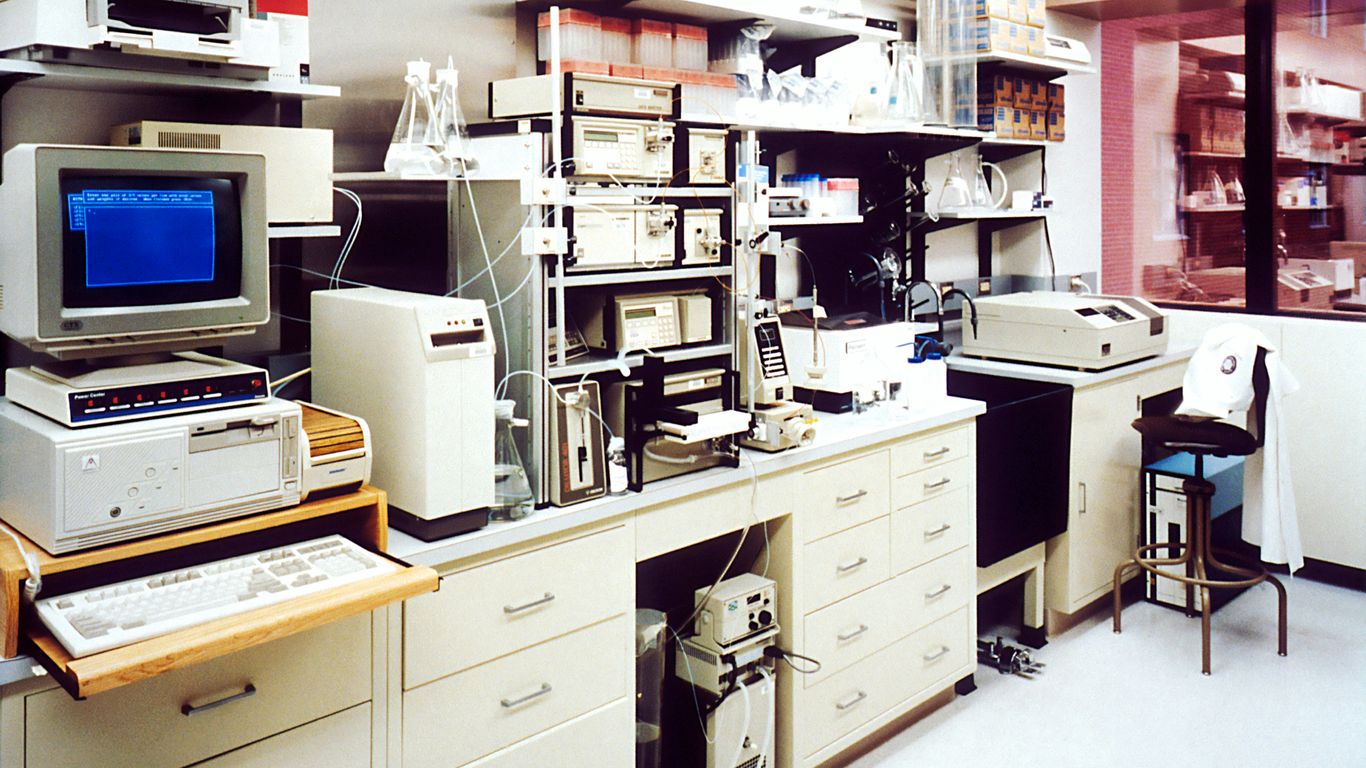
It’s pretty wild how much materials science is changing medicine and how our bodies work. We’re talking about stuff that can actually live inside us without causing problems. Think about artificial hips or knees – those are made from special materials that the body doesn’t reject. It’s not just about implants, though. These materials are also helping us get medicines exactly where they need to go in the body, which is a huge deal for treating diseases more effectively. And the really futuristic stuff? We’re looking at printing organs and tissues, which could totally change organ transplants.
Biocompatible Materials for Implants
When you need a medical implant, the last thing you want is for your body to fight it. That’s where biocompatible materials come in. These are substances designed to work with living tissue. They don’t cause bad reactions like inflammation or rejection. We’re seeing them used in everything from dental implants and pacemakers to artificial joints. The goal is to make these devices feel as natural as possible and last a long time.
- Titanium alloys: Strong, lightweight, and resistant to corrosion, making them great for bone implants.
- Ceramics: Often used for dental implants and joint replacements due to their hardness and wear resistance.
- Specialized polymers: Flexible and can be tailored for things like catheters or soft tissue replacements.
Precision Drug Delivery Systems
Getting the right amount of medicine to the right spot in the body at the right time is tricky. Advanced materials are making this much more precise. We’re talking about tiny capsules or particles that can carry drugs. These can be designed to release the medication slowly over time, or only when they reach a specific part of the body, like a tumor. This means fewer side effects and better treatment results.
Here’s a quick look at some approaches:
- Nanoparticles: Tiny particles that can encapsulate drugs and be guided to target sites.
- Hydrogels: Water-swollen polymer networks that can release drugs in response to body conditions.
- Microneedles: Small needles that deliver drugs through the skin, bypassing the digestive system.
3D-Printed Organs and Tissues
This is one of the most exciting frontiers. Scientists are using advanced materials, often called ‘bio-inks’, to 3D print living tissues and even simple organs. The idea is to create replacements for damaged or diseased body parts. While we’re still a ways off from printing complex organs like hearts, we’re already seeing progress with simpler tissues like skin and cartilage. This technology holds the promise of solving organ transplant shortages and revolutionizing regenerative medicine.
Transforming Aerospace, Transportation, and Infrastructure

It’s pretty wild how much advanced materials are changing the way we build things, from the planes we fly in to the roads we drive on. We’re talking about materials that are lighter, stronger, and last way longer than what we used to have.
Lightweight Composites for Aviation
Think about airplanes. Making them lighter means they use less fuel, which is good for the planet and our wallets. That’s where materials like carbon fiber composites come in. They’re incredibly strong but weigh a fraction of traditional metals. This isn’t just about saving a few bucks on fuel; it means planes can fly further and carry more. We’re seeing these composites used in everything from the fuselage to the wings, making air travel more efficient and sustainable. It’s a big deal for reducing emissions in the aviation sector.
Materials for Electric Vehicles
Electric cars are the future, right? Well, advanced materials are a huge part of making that happen. We need batteries that can hold a lot of power and charge quickly. New battery chemistries and designs are making this possible. Plus, just like with planes, making cars lighter with composites and advanced alloys helps them go further on a single charge and improves overall performance. It’s all about making EVs more practical and appealing for everyday drivers.
Self-Healing Concrete and Sustainable Construction
Infrastructure is another area getting a serious upgrade. Imagine bridges and buildings that can fix themselves! That’s the idea behind self-healing concrete. Tiny capsules or bacteria embedded in the concrete can repair cracks as they form, extending the life of structures and reducing maintenance costs. This is a game-changer for keeping our roads, bridges, and buildings safe and sound for longer. On top of that, there’s a big push for using recycled materials and more eco-friendly options in construction. This helps cut down on waste and the environmental impact of building new things. It’s a move towards building smarter and greener for the long haul.
Navigating Challenges in Materials Science
So, we’ve talked a lot about all the cool stuff advanced materials can do, right? From making planes lighter to printing organs. But it’s not all smooth sailing. There are some pretty big hurdles we need to jump over before we can just use these materials everywhere.
Ethical Considerations and Privacy
Think about those "smart" materials that can sense things. It’s neat for some applications, but what if they start collecting data we don’t want them to? We need to figure out how to innovate without accidentally creating a surveillance state in our homes or workplaces. It’s a tricky balance, for sure.
Environmental Impact and Resource Scarcity
Even though we’re trying to make things greener, making new materials can still mess with the environment. Mining for rare metals, for example, can cause a lot of damage. Plus, we’re using up some of these resources pretty fast. We’ve got to find ways to make stuff without trashing the planet and figure out what to do when we run out of certain ingredients.
Here’s a quick look at some materials we’re using a lot of:
| Material Type | Primary Use Cases | Scarcity Concern | Environmental Impact (Production) |
|---|---|---|---|
| Rare Earth Elements | Electronics, Magnets, Batteries | High | Significant |
| Lithium | Batteries | Growing | Moderate to High |
| Platinum Group Metals | Catalytic Converters, Electronics, Jewelry | Moderate | Moderate |
Regulatory Frameworks and Safety
Sometimes, the technology moves way faster than the rules. New materials pop up, and we don’t have clear guidelines on how to use them safely. This is especially true for things like nanomaterials. We need solid rules in place to make sure these materials don’t end up hurting people or the environment.
The Importance of Global Collaboration
Materials science doesn’t stop at borders. To really tackle these big challenges, like climate change or finding new resources, countries need to work together. Sharing what we learn and agreeing on standards makes everyone’s job easier and helps us move forward faster. It’s like a giant group project for the whole planet.
Looking Ahead
So, we’ve seen a lot of cool stuff happening in advanced materials. From tiny nanoparticles to super strong composites, it’s clear that what we can build with is changing fast. These new materials aren’t just for science labs; they’re showing up in our phones, our cars, and even in ways to help the planet. It’s pretty exciting to think about what’s next. As scientists keep figuring out new ways to make and use materials, our world is going to keep changing, hopefully for the better. It’s a field that’s always moving, and it’s definitely worth keeping an eye on.