So, you’re thinking about a GEM electric car, huh? It’s a bit different from your typical car, more like a specialized tool. It’s not really for long road trips or hauling a lot of stuff. But for zipping around town, running quick errands, or even getting around a big campus? It might just be the ticket. Let’s break down what this little GEM electric car is all about and if it fits your life.
Key Takeaways
- The GEM electric car is best suited for short, low-speed trips within urban areas or private communities, not for highway driving.
- Its small size is a big plus for parking and maneuvering in tight city spaces.
- While range is limited, it’s often enough for daily errands and commutes if you can charge it regularly.
- Consider the GEM electric car for specific tasks like local deliveries or campus transport, rather than as a primary vehicle.
- Ownership involves checking local regulations, understanding maintenance needs, and confirming insurance options, as these can vary.
Understanding The GEM Electric Car’s Place In The Market
Defining The GEM Electric Car As A Neighborhood Electric Vehicle
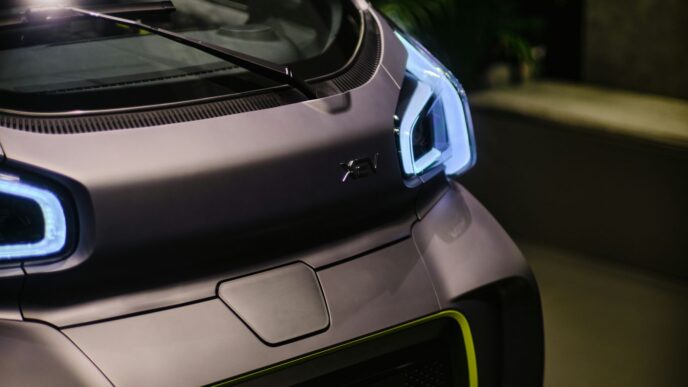
So, what exactly is a GEM electric car? It’s often categorized as a Neighborhood Electric Vehicle, or NEV. Think of it as a step up from a golf cart but not quite a full-sized car. These vehicles are designed for low-speed travel, typically on roads with speed limits of 35 mph or less. They’re not meant for highway cruising, and that’s okay because they fill a specific niche. GEM cars are built for short, local trips where speed isn’t the main concern. They’re street-legal in many places, but you’ll want to check your local regulations because rules can vary quite a bit from one town or state to another. They usually come with basic safety features like seatbelts, lights, and mirrors, making them a bit more robust than your average golf cart.
Assessing The GEM Electric Car’s Suitability For Urban Environments
When you look at city driving, especially in busy areas, a GEM car starts to make a lot of sense. Parking is usually a breeze; these little guys can fit into spots that larger cars can only dream of. Plus, their low speed means they’re generally safer in congested traffic where you’re constantly stopping and starting. They’re also pretty simple to operate, which can be a big plus if you’re not a car enthusiast. However, they aren’t perfect for every urban situation. If your commute involves any kind of faster road, or if you frequently deal with steep hills, a GEM might feel a bit underpowered. Also, weather protection can be limited, so think about how often you’ll be driving in rain or cold.
Comparing The GEM Electric Car To Other Micro-EVs
The world of small electric vehicles is growing, and GEM isn’t the only player. You’ve got options like the Citroën Ami in Europe, which is super compact and designed for city use, or the Nissan Sakura in Japan, which is a bit more like a traditional small car. Then there are others that might be more niche, like retro-styled three-wheelers. Compared to something like the Ami, a GEM often offers a bit more space and potentially a slightly higher top speed, though both are low-speed vehicles. The Sakura, on the other hand, is generally a more capable car, but also more expensive and not available everywhere. Here’s a quick look at how some of these stack up:
| Model | Approx. Top Speed | Approx. Range | Seating | Typical Region |
|---|---|---|---|---|
| GEM e2 | 35 mph | 70 mi | 2 | US |
| Citroën Ami | 28 mph | 50 mi | 1 | EU |
| Nissan Sakura | 80 mph | 112 mi | 4 | Japan/Asia |
| Wuling Hong Guang | 62 mph | 80-130 mi | 4 | China/Select |
It’s important to remember that availability and pricing can change a lot depending on where you are. What’s common in one country might be hard to find or very expensive to import elsewhere. So, while specs are interesting, checking what’s actually available and legal in your area is the most important part.
Navigating City Commutes With A GEM Electric Car
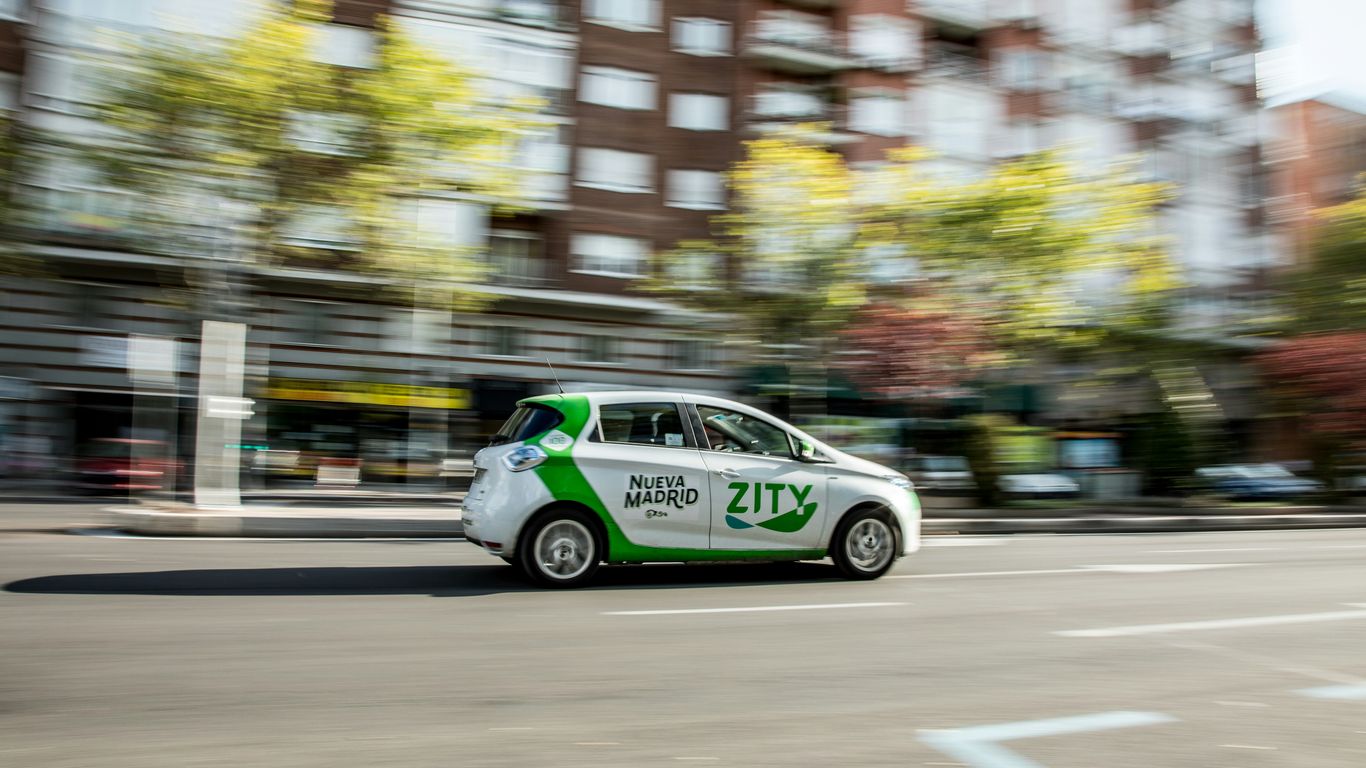
So, you’re thinking about zipping around town in a GEM electric car? It’s a pretty neat idea, especially if your daily grind involves a lot of city streets and not much highway. These little guys are built for that kind of life, and honestly, they make a lot of sense when you’re trying to get from point A to point B without a fuss.
The GEM Electric Car’s Advantage In Tight Urban Spaces
Let’s be real, city driving can be a pain. Parking is a nightmare, traffic jams are the norm, and sometimes you feel like you need a tiny car just to squeeze through. That’s where the GEM really shines. Its small size means you can often park it in spots where other cars wouldn’t even dream of fitting. Think about those times you circle the block for ten minutes looking for a parking space – a GEM could just slide right in. Maneuvering through busy streets also feels less stressful. It’s like having a secret weapon against congestion.
Evaluating The GEM Electric Car’s Range For Daily Travel
Now, about how far this thing can go on a single charge. For most city commutes, the GEM’s range is usually more than enough. We’re talking about trips to the grocery store, heading to a friend’s place across town, or getting to work. Most GEM models can cover around 70 miles, which is pretty solid for daily errands. It’s not something you’d take on a road trip, obviously, but for your everyday needs, it’s generally a good fit. It’s all about matching the car to your actual driving habits, not just wishing it could do more.
Here’s a quick look at what you might expect:
| Model | Typical Range (Miles) | Top Speed (MPH) |
|---|---|---|
| GEM e2 | ~70 | 35 |
| GEM e4 | ~70 | 35 |
Charging Convenience For The GEM Electric Car Owner
One of the best parts of owning an electric car, including a GEM, is charging. You don’t have to stop at gas stations anymore. Most GEMs can be charged using a standard household outlet (Level 1 charging). This means you can just plug it in overnight at home, and it’ll be ready to go in the morning. If you have access to charging at work, that’s another easy option. It really simplifies your routine. No more last-minute dashes to the gas station before work!
- Home Charging: Plug it in overnight using a regular 120V outlet.
- Workplace Charging: If your job has charging stations, take advantage of them.
- Public Charging: While less common for GEMs compared to larger EVs, some public spots might be compatible.
It’s pretty straightforward, and that’s a big plus for anyone who just wants a simple way to get around town.
Beyond Commuting: Utility Tasks For The GEM Electric Car
So, you’ve got your GEM electric car, and it’s great for zipping around town. But what if you need to do a bit more than just get from point A to point B? Turns out, these little vehicles can actually be pretty handy for a few other things too.
The GEM Electric Car For Local Deliveries And Errands
Think about those small businesses that need to make quick runs around the neighborhood. A GEM car is perfect for that. It’s small enough to squeeze into tight parking spots near shops, and its electric power means no gas money eating into your profits. Plus, it’s quiet, so you won’t be disturbing anyone while you’re making your rounds. It’s like a mobile billboard that also happens to be a delivery vehicle. For a local bakery dropping off a few cakes or a small office sending out documents, it makes a lot of sense. You’re not going to haul a pallet of goods, obviously, but for those everyday, smaller tasks, it really shines.
Utilizing The GEM Electric Car In Gated Communities And Campuses
This is where the GEM really comes into its own. If you live in a place with its own roads, like a retirement community or a big university campus, a GEM car can be a game-changer. Forget walking across campus or waiting for a shuttle. You can easily get to classes, the library, or just cruise over to a friend’s place. Security patrols in these areas often use them too, as they can cover a lot of ground quietly and without emissions. It’s also a great way for residents to get around without needing a full-sized car, especially if they only need to pop over to the community center or the local store within the development.
Cargo Capacity And Practicality Of The GEM Electric Car
Now, let’s be real. You’re not going to fit a sofa in a GEM car. But for its size, it’s surprisingly practical. Most models have a small cargo area behind the seats. This is usually enough for a couple of grocery bags, a briefcase, or some tools. Some configurations might even offer a bit more space if you fold down seats or opt for specific utility packages. It’s about managing expectations; it’s not a truck, but it’s more than just a golf cart. You can definitely handle your daily errands without breaking a sweat, and that’s pretty neat.
Key Considerations For GEM Electric Car Ownership
So, you’re thinking about bringing a GEM electric car into your life? That’s cool. But before you sign on the dotted line, let’s chat about a few things you’ll want to keep in mind. It’s not rocket science, but knowing these details can save you headaches down the road.
Maintenance and Operating Costs Of The GEM Electric Car
One of the big draws of these little EVs is how simple they are. Think fewer moving parts compared to a gas guzzler. This usually means less can go wrong, and when something does, repairs tend to be less painful on your wallet. You’re looking at basic stuff like tire rotations, keeping an eye on the brakes, and maybe the occasional battery check-up. Because the electronics aren’t as complex, you’re often looking at lower repair bills than you might expect from a regular car. Plus, charging it up is way cheaper than filling a gas tank. The overall operating cost is definitely a major plus.
Safety Features and Legal Requirements For The GEM Electric Car
Now, let’s talk safety and rules. GEM cars are designed for low-speed environments, and they don’t have the heavy-duty structural reinforcement or advanced safety tech you find in larger vehicles. They’re just not built to handle high-speed crashes, especially not with bigger cars. So, it’s super important to know where you’ll be driving it.
When it comes to legality, this is where things can get a bit tricky and vary a lot. In the U.S., these are often classified as Low-Speed Vehicles (LSVs) or Neighborhood Electric Vehicles (NEVs). This means they have to meet certain federal standards, like having seat belts, lights, mirrors, and a Vehicle Identification Number (VIN). But here’s the kicker: each state, and sometimes even individual cities, has its own rules about where you can drive them.
- Check your local laws: Don’t just assume it’s okay. Visit your local Department of Motor Vehicles (DMV) or equivalent agency.
- Speed limits matter: GEM cars are typically restricted to roads with speed limits of 35 mph or less.
- VIN and compliance: Make sure the vehicle has a proper VIN and meets all required safety equipment for LSVs in your area.
Insurance and Registration For Your GEM Electric Car
Getting insurance and registering your GEM car is another step that requires a bit of homework. Because they’re not standard cars, some insurance companies might not offer coverage, or they might charge a premium. It’s a good idea to shop around and get quotes from a few different providers before you buy. You’ll want to make sure you’re covered adequately for the type of driving you plan to do. Registration is also tied to those local laws we just talked about. Depending on your state and how the GEM is classified, you might need specific plates or permits. It’s all part of making sure you’re street legal and protected.
The Future And Versatility Of The GEM Electric Car
Potential for Expanded Use Cases for The GEM Electric Car
So, where does the GEM electric car go from here? It’s already shown us it’s pretty handy for zipping around town or handling those small jobs. But I think we’re just scratching the surface. Imagine these little guys being used more by resorts for guest transport, or even by large industrial sites for quick personnel movement. They’re not built for the highway, that’s for sure, but for controlled environments where speed isn’t the main thing? They make a lot of sense. Think about places like theme parks or large event venues – moving people and small equipment around without all the noise and fumes of gas vehicles. It’s all about finding the right niche, and GEM seems to be good at that.
The GEM Electric Car As A Sustainable Transportation Choice
Let’s be real, the whole point of electric cars is to be kinder to the planet, right? The GEM fits right into that. It uses way less energy than a full-sized car, and when you’re just running to the store or dropping the kids off at school, you don’t need a giant battery or a massive motor. It’s a more sensible approach to personal transport for many people. Plus, since they’re so small, they take up less space, which is a win for crowded cities. It’s not going to solve all our environmental problems, but it’s a step in the right direction for certain types of travel.
Real-World User Experiences With The GEM Electric Car
I’ve been poking around online, and it seems like people who use GEMs for what they’re good at, really like them. You see a lot of them in retirement communities or on college campuses. People mention how easy they are to park and how cheap they are to run. One person said they use theirs to get around their large property and it saves them a ton of time compared to walking. Of course, you also see the comments from folks who tried to use them for something they weren’t designed for, like a long commute on busy roads. That’s where you hear the complaints. It really comes down to managing expectations and using the GEM for the jobs it’s built to do. It’s a tool, and like any tool, it works best when you use it for the right task.
So, Is the GEM Electric Car Right for You?
Look, the GEM electric car isn’t going to replace your pickup truck or your family SUV. It’s a specific tool for specific jobs. If your daily grind involves short hops around town, maybe a planned community, or just zipping to the local store, and you’ve got a place to plug it in, then yeah, it makes a lot of sense. It’s cheap to run, easy to park, and honestly, kind of fun in its own little way. But if you need to hit the highway, deal with bad weather regularly, or haul more than a couple of bags of groceries, you’re probably better off looking at something a bit more robust. Think of it like this: you wouldn’t use a screwdriver to hammer a nail, right? The GEM is great for what it’s designed for, just make sure that’s actually what you need it for.
Frequently Asked Questions
What exactly is a GEM electric car?
Think of a GEM electric car as a small, street-legal electric vehicle, often called a Neighborhood Electric Vehicle (NEV). It’s designed for short trips around town, like going to the store or visiting a friend. They’re much smaller than regular cars and are perfect for places where you don’t need to go super fast, like neighborhoods or campuses.
Can I drive a GEM car on the highway?
No, GEM cars are not built for highways. They have a top speed that’s usually around 25-35 miles per hour, so they’re meant for roads with lower speed limits. Trying to drive one on a highway would be unsafe and illegal.
How far can a GEM car go on a single charge?
The distance a GEM car can travel on one charge, its range, is typically between 40 to 100 miles. This is usually enough for most daily errands and short commutes within a city or community. It’s always a good idea to know how far you’ll be going before you head out.
Is a GEM car expensive to maintain?
Generally, GEM cars are quite affordable to maintain. They have fewer moving parts than traditional gasoline cars, and their electric systems are simpler. This means less can go wrong, and repairs usually cost less. Plus, you save money on gas!
Are GEM cars safe?
GEM cars are designed with safety in mind for low-speed environments. They typically come with features like seat belts, lights, and mirrors, and they meet certain safety rules for Neighborhood Electric Vehicles. However, because they are small and don’t go fast, they aren’t as safe as larger cars in a crash, especially on roads with faster traffic.
Where can I legally drive a GEM car?
You can usually drive a GEM car on streets where the speed limit is 35 miles per hour or less. Many cities and towns allow them in neighborhoods, on college campuses, and in retirement communities. You should always check your local laws to be sure where you can and cannot drive your GEM car.