ASU Robot Innovations in Education
Arizona State University is really leaning into how robots and AI can change things for students. It’s not just about fancy tech; it’s about making the whole college experience better, from when you first apply to when you graduate.
Agentic AI and The Student Experience
Think about AI that doesn’t just answer questions but actually figures things out and helps you. That’s what ASU is exploring with something called "agentic AI." They hosted a big event recently, bringing together people from schools all over the world and tech companies. The idea is to see how these smarter AI systems can help students with everything – like finding the right classes, getting support, or even just figuring out campus life. It’s about making the student journey smoother and more personal. They’re working with companies to build systems that can do more than just react; they can actually anticipate needs and solve problems before they even become a big deal for the student.
AI-Driven Campus Modernization
Beyond just student help, ASU is using AI to make the campus itself run better. This means looking at how technology can streamline operations, manage resources, and generally make the university a more efficient place. It’s a big project, involving lots of different parts of the university working together. They’re trying to make sure that as technology changes – and it changes fast – the university can keep up and even get ahead. This involves looking at data, figuring out what works, and putting practical AI solutions into place.
Transforming Learning Through AI
AI is also changing how students learn. ASU is looking at ways to use AI to create new kinds of learning experiences. This could mean personalized study plans, tools that help teachers understand where students might be struggling, or even new ways to practice skills. They have a framework they call "Principled Innovation" that guides how they develop these AI tools, making sure they’re not just new for the sake of being new, but that they actually help people and create positive change. It’s about using the smarts of their faculty, staff, and students to build things that make a real difference in education.
Pioneering Robotics in Manufacturing
Arizona State University is really pushing the envelope when it comes to how robots and automation are changing the way we make things. It’s not just about building cars on an assembly line anymore; it’s way more complex and exciting.
The Advanced Manufacturing and Robotics Hub
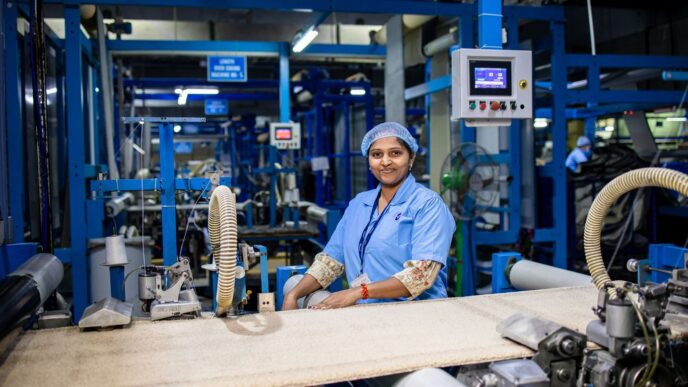
This place is pretty cool. It’s a dedicated space where ASU is bringing together different technologies to figure out the future of making stuff. Think of it as a central spot for all things advanced manufacturing and robotics. They’ve got labs set up with industrial robots and all sorts of machines for adding and taking away material – like 3D printing and precision cutting. What’s neat is how they’re mixing in AI and digital models, called digital twins, to show how automation can be used in big industries like aerospace, nuclear power, and making medical devices. It’s also a place to train people for these new jobs.
Robotics for Smart Manufacturing
Smart manufacturing is all about making factories more connected and efficient using technology. At ASU, this means looking at how robots can work smarter, not just harder. They’re exploring how robots can adapt to different tasks, communicate with each other, and even learn from their environment. This involves a lot of work with:
- AI Integration: Teaching robots to make decisions on the fly.
- Digital Twins: Creating virtual copies of manufacturing processes to test changes safely.
- Automation Systems: Designing systems where robots and machines work together smoothly.
The goal is to create manufacturing processes that are more flexible and can quickly adjust to new product designs or market demands.
Future of Manufacturing Automation
Looking ahead, ASU is focused on preparing students for a manufacturing world that will be heavily automated. This isn’t just about programming robots; it’s about understanding the whole system. They’re training students to work with:
- Cyber-Physical Systems: The combination of physical machines and computer control.
- Data Analytics: Using information from the factory floor to improve operations.
- Human-Robot Collaboration: Designing workplaces where people and robots can work side-by-side safely and effectively.
ASU’s approach is to give students a broad base of manufacturing knowledge combined with skills that can be applied across different industries, from making airplane parts to medical equipment. It’s about building a workforce ready for whatever comes next in how we produce goods.
ASU’s Commitment to AI and Robotics
Knowledge Core Driving AI Solutions
Arizona State University really leans into its people – the faculty, staff, and students – to push forward AI solutions. Think of it as the university’s "Knowledge Core" powering everything from how we teach and learn to how research is done and how the campus itself becomes more digital. This strong foundation is what puts ASU at the front of the pack, letting them create some pretty unique AI applications that go beyond what we thought was possible. They’re not just thinking about today, but also what’s coming next for generations.
Principled Innovation Framework
ASU’s approach to AI is pretty smart. It’s guided by a "Principled Innovation Framework." This isn’t just a fancy name; it’s a real way of working that helps them come up with new ideas and turn them into actual solutions. They’re focused on making positive changes for people, and this framework helps them do that. It’s all about being smart with resources, especially with the high costs and computing limits that come with AI. They use data to guide their decisions, making sure the impact is real.
Global Collaboration in AI
ASU isn’t working in a bubble. They’re actively involved in global conversations about AI, especially in education. For example, they hosted an event called "Agentic AI and the Student Experience" in October 2025. This brought together over 500 leaders from both education and industry. The goal was to figure out how AI, particularly "agentic AI" (which means AI that can act on its own to solve problems), is changing how students experience college. It’s a big deal because it helps ASU and others figure out how to get ready for AI and make it work for everyone. They partner with companies and other universities to share knowledge and build better AI systems together.
Hands-On Learning with ASU Robots
You know, sometimes you see kids who just love taking things apart and putting them back together. They’re more into building and tinkering than just reading a book. ASU gets that. They’ve created spaces where that kind of curiosity can really take off, especially with robotics.
Robotics Projects at ASU Prep Academy
It’s not just for college students, either. ASU Prep Academy has students coming in every Friday to work on robotics projects. Imagine being a high schooler and getting to play around with this kind of tech – it’s pretty cool. It shows how ASU is trying to get young people excited about engineering and making things from an early age.
Engineering Solutions for Societal Challenges
These aren’t just toy robots. The students and faculty are working on real-world problems. Think about things like making manufacturing smarter or figuring out how robots can help in different industries. They have these big spaces, like the Advanced Manufacturing and Robotics Hub, where they can actually build and test these ideas. It’s all about using engineering to solve problems that affect us every day.
Curiosity Meets the World of the Possible
ASU really wants students to see that college isn’t just about lectures. It’s about getting your hands dirty with the latest technology and connecting with companies that are shaping the future. They have labs and classrooms designed for this kind of work, making it a place where a student’s interest in how things work can turn into a real career path. The university is building a bridge between what sparks a student’s interest and the actual opportunities waiting for them.
Advanced Research Facilities
When you think about ASU’s robotics and AI work, it’s not just happening in classrooms. There are some pretty serious labs where the real magic happens. These places are kitted out with all sorts of cool tech, letting researchers and students push the boundaries of what’s possible.
Robotics and Autonomous Systems Lab
This is a big space, around 5,500 square feet, all focused on ground and aerial robots. They’ve got advanced sensors and tracking systems, plus AI built-in. It’s where they test out new hardware and software for all sorts of fields, like farming, defense, and manufacturing. It really shows off what ASU is good at in robotics.
High Bay Collaborative Space
Also known as the Hybrid and Multi-Material Manufacturing Lab, this spot is part of the School of Manufacturing Systems and Networks. It’s packed with industrial robots and the latest in additive and subtractive manufacturing. They use AI and digital twins here to show how automation can work in industries like aerospace and medical devices. Plus, it’s a place for training people for future jobs. The Polytechnic School is also doing electric and automated vehicle research here, looking at things like engine optimization and safety controls. They’ve got everything from small-scale models to full-size cars like a Tesla Model 3 for testing and training.
Materials Testing and Characterization Lab
This lab is pretty extensive, covering 5,865 square feet. It’s got over $1 million worth of equipment for measuring and analyzing materials. Think microscopes, spectrometers, and thermal analysis tools. It’s a shared resource that helps with research across different fields, including biomedical and aerospace. It’s where scientists can really get down to the nitty-gritty of what materials are made of and how they behave.
Here’s a quick look at some of the capabilities:
- Microscopy: Examining materials at very small scales.
- Spectroscopy: Analyzing the chemical makeup of substances.
- Thermal Analysis: Studying how materials react to changes in temperature.
These facilities aren’t just for show; they’re where ASU’s students and faculty are actively building the future, one experiment at a time.
The Future of Manufacturing Education
ASU is really shaking things up when it comes to how we train people for manufacturing jobs. They’ve got this whole new building, ISTB 12, which is basically a hub for all things manufacturing, from how we make stuff to how robots and AI are changing the game. It’s not just about building things anymore; it’s about smart systems and automation.
School of Manufacturing Systems and Networks
This is where the magic happens. ASU actually has the first engineering school in the country focused entirely on what manufacturing will look like down the road. They’re not just teaching old-school methods. Think about it: the future of making things is going to be super digital, with machines and software working together. This school is designed to get students ready for that.
ASU’s Unique Manufacturing Degrees
What’s cool is that ASU is the only place offering degrees in manufacturing engineering at all levels – bachelor’s, master’s, and even a PhD. This means you can really go deep into the subject. They focus on giving students a solid base in manufacturing principles but also teach skills that can be used in different industries, like aerospace or making computer chips, which are big around here. But it’s not just local; these skills apply to medical devices, food production, and even nuclear energy. They’re training people for core abilities that transfer across many types of manufacturing.
Workforce Training for Tomorrow’s Industries
ASU is serious about preparing people for the jobs of the future. They’ve got labs with industrial robots and advanced 3D printing. Students get hands-on experience with things like additive manufacturing and automation. They even have electric and automated vehicle research going on. It’s all about giving students the practical skills companies need. Plus, they’re working with local businesses and even high school students through programs like ASU Prep Academy, getting them interested in robotics and engineering early on. It’s a place where curiosity meets the actual world of what’s possible in making things.
Looking Ahead
So, what’s next for ASU’s robots and AI efforts? It’s clear the university is really leaning into this stuff, not just for fun projects but for serious advancements in how we learn, teach, and even how businesses operate. From robots helping out on campus to big AI conferences bringing people together, ASU is showing it’s serious about being a leader. They’re building new spaces and programs to make sure students and faculty have what they need to keep pushing boundaries. It’s exciting to see how these technologies will keep changing things, and ASU seems ready to be right there at the front of it all.