It’s pretty wild how Israel, a country with a lot of dry land and not much water, has become a world leader in farming technology. Seriously, they’ve figured out some seriously clever ways to grow food. Think super-efficient watering systems and using data to make sure plants get exactly what they need. It’s not just about growing more food, either; it’s about doing it without wasting precious resources. This kind of innovation is exactly what the world needs right now, especially with climate change making things tougher for farmers everywhere. Let’s take a look at some of the cool stuff they’re doing.
Key Takeaways
- Israel has become a global leader in agricultural innovation, particularly in water management and precision farming, despite facing arid conditions.
- Pioneering drip irrigation and advanced sensor technology allows for highly efficient water and nutrient delivery, significantly boosting crop yields while conserving resources.
- Biotechnology plays a key role in developing resilient crop varieties that can thrive in challenging climates and require fewer inputs, contributing to food security.
- The country is at the forefront of sustainable practices, including extensive wastewater recycling for irrigation and the development of vertical and urban farming solutions.
- Israeli farming technology is not only transforming domestic agriculture but is also being exported worldwide, offering solutions to global food security and environmental challenges.
Revolutionizing Resource Management Through Farming Technology in Israel
Israel has faced serious water shortages for decades, which really forced them to get creative with how they farm. It’s pretty amazing what they’ve come up with, turning what seems like a huge disadvantage into a real strength. They’ve basically become world leaders in making every drop of water count.
Pioneering Drip Irrigation Systems
This is probably the most famous Israeli ag-tech innovation. Back in the 1960s, a guy named Simcha Blass saw how much water was being wasted with traditional flood or sprinkler irrigation. He came up with the idea of delivering water right to the plant’s roots, slowly and steadily. This simple yet brilliant concept, known as drip irrigation, revolutionized farming, especially in dry places. It means plants get exactly what they need, when they need it, without a lot of evaporation or runoff. It’s not just about saving water, though; it also means fertilizers can be delivered more efficiently, leading to better yields. It’s estimated that drip irrigation can save up to 60% of water compared to older methods, and boost crop yields by 30% to 50%.
Advanced Precision Agriculture Tools
Beyond drip irrigation, Israel has really leaned into using technology to fine-tune farming. Think sensors, drones, and smart software. Farmers are using these tools to get a super detailed picture of what’s happening in their fields. Sensors in the soil tell them about moisture levels and nutrient content. Drones can fly over and map out the fields, spotting areas that might need more attention. All this data gets fed into computer systems, often using AI, that help farmers make really specific decisions. This means they’re not just guessing anymore; they’re applying water, fertilizer, and even pesticides only where and when they’re needed. This precision approach can cut down water use by another 20% to 40% and increase yields by 15% to 30%, all while reducing the environmental footprint.
Wastewater Recycling for Sustainable Irrigation
When you’re short on water, you start looking at every possible source. Israel has become a world leader in treating and reusing wastewater. They recycle about 90% of their municipal wastewater, which is a staggering amount. This treated water, which is perfectly safe for many crops, is then used for irrigation. This not only provides a reliable water source, especially for non-food crops but also prevents treated water from being dumped into the environment, which can cause pollution. It’s a fantastic example of a circular economy in action, turning a waste product into a valuable resource. This strategy alone can account for up to 85% of the water used for irrigation in some areas, significantly reducing reliance on freshwater sources.
Innovation in Crop Cultivation and Protection
Israel’s agricultural sector has really pushed the envelope when it comes to growing food, especially in tough environments. They’ve figured out ways to make crops thrive where you wouldn’t expect them to, and they’re doing it with an eye on sustainability.
Biotechnology for Resilient Crop Varieties
One of the big things here is developing seeds that can handle a lot more. Think crops that need less water, can deal with salty soil, or just shrug off common pests and diseases. This isn’t just about making plants tougher; it’s about reducing the need for chemicals and saving precious resources. They’re using advanced breeding techniques and genetic tools to create varieties that are better suited for arid conditions and changing climates. It means more food can be grown on less land, with fewer inputs.
Biological Pest Management Strategies
Instead of just spraying chemicals everywhere, Israeli farmers are getting smart about using nature’s own defenses. This involves introducing beneficial insects that prey on pests, or using natural compounds to keep bugs and diseases at bay. It’s a much gentler approach that helps maintain a healthier ecosystem in and around the fields. Plus, it means the produce is cleaner and safer. They’re also using things like specialized bumblebees for pollination in greenhouses, which really boosts fruit and vegetable yields.
Cultivating Crops in Arid and Marginal Lands
This is where Israel truly shines. They’ve turned challenging landscapes – think sandy, salty, or just plain dry areas – into productive farmland. It’s a combination of smart irrigation (which we’ve talked about elsewhere) and developing crop varieties that can actually survive and produce in these conditions. They’re also looking at soil science to improve the land itself, making it more hospitable for crops. This ability to grow food in places previously considered unusable is a game-changer for global food security. It shows that with the right technology and approach, we can expand where and how food is grown, making better use of available land.
Harnessing Data and Technology for Enhanced Yields
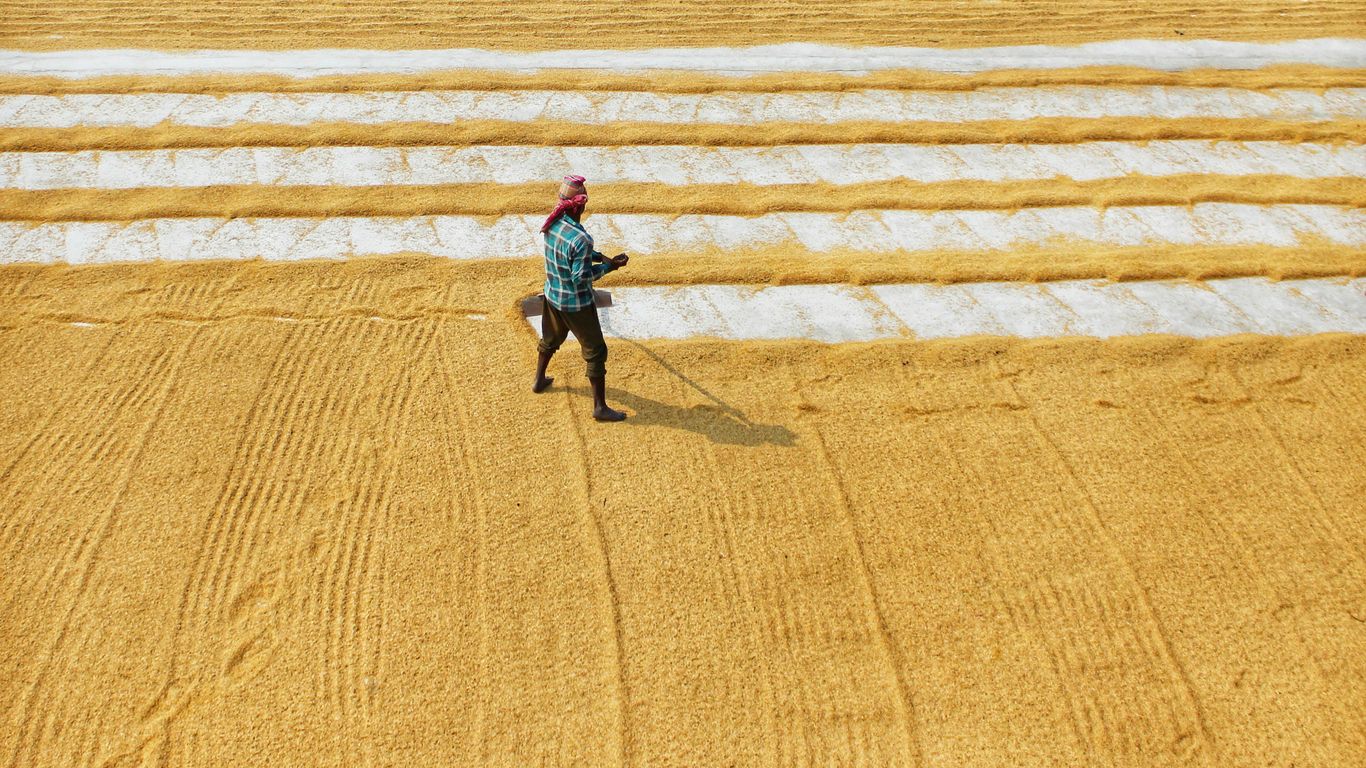
It’s pretty amazing how Israeli farmers are using all sorts of tech to get more out of their land. They’re not just planting seeds and hoping for the best anymore. Instead, they’re really digging into data to figure out exactly what their crops need, when they need it. This whole approach means less waste and, you guessed it, bigger harvests.
AI-Driven Nutrient and Water Optimization
Think about it: every plant is different, and so is every patch of soil. Israeli AgTech companies are building smart systems that can tell the difference. These systems use artificial intelligence to look at all sorts of information – like soil sensors, weather forecasts, and even how the plants themselves are looking – to figure out the perfect amount of water and fertilizer for each specific area. It’s like having a personal nutritionist for your entire farm. This level of detail helps prevent overwatering or over-fertilizing, which is not only good for the plants but also saves a ton of resources.
Remote Sensing and Real-Time Crop Monitoring
Farmers are also getting a bird’s-eye view of their fields, literally. They’re using drones and satellites equipped with special cameras that can see things we can’t. These cameras can detect early signs of stress in plants, spot nutrient deficiencies, or even identify the start of a pest problem before it becomes a big issue. This means farmers can react super fast, often before any visible damage occurs. It’s all about catching problems early and making smart adjustments on the fly.
Here’s a quick look at what these systems can track:
- Plant Health: Identifying areas that are struggling or thriving.
- Soil Moisture: Knowing exactly where and when to irrigate.
- Nutrient Levels: Pinpointing specific nutrient needs for different zones.
- Pest and Disease Detection: Spotting early signs of trouble.
Vertical and Urban Farming Solutions
And then there’s the really futuristic stuff, like vertical farms. These are essentially farms stacked up, often indoors, using controlled environments. They can grow a lot of produce in a very small footprint, which is a game-changer for cities or areas with limited land. By controlling everything – light, temperature, water, and nutrients – they can grow crops year-round, regardless of the weather outside. It’s a way to bring food production closer to where people live, cutting down on transportation and making fresh food more accessible.
Israeli AgTech: A Global Leader in Sustainable Agriculture
It’s pretty wild when you think about it. Here’s a country, Israel, often in the news for other reasons, that’s become a powerhouse in farming tech. Seriously, they’ve taken what seems like a tough spot – lots of dry land, limited water – and turned it into a proving ground for some of the most innovative agricultural solutions out there. It’s not just about making do; it’s about leading the charge in sustainable farming practices that the whole world is starting to pay attention to.
Addressing Global Food Security Challenges
With the global population growing and climate change making farming trickier by the year, figuring out how to feed everyone is a massive puzzle. Israel’s approach is really showing us a way forward. They’re not just growing crops; they’re developing smarter ways to do it that use fewer resources and are kinder to the planet. Think about it: when harvests are threatened by unpredictable weather or when the cost of basic farming supplies keeps climbing, having technology that makes agriculture more reliable and efficient becomes incredibly important. Israeli companies are stepping up, offering practical answers to these big, global worries.
Driving Economic Impact Through Agri-Tech Exports
This isn’t just about helping farmers; it’s also a big deal for Israel’s economy. They’re exporting not just their produce – things like avocados and dates that are known for being top-notch – but also the technology itself. It’s a two-pronged approach. On one hand, their advanced packaging keeps food fresh longer, cutting down on waste during shipping. On the other, their smart irrigation systems, AI platforms, and biological pest control methods are being adopted by countries all over the world. This export of knowledge and tech really bolsters their economy and puts them on the map as a go-to source for agricultural innovation.
Inspiring Global Adoption of Advanced Farming
What’s really cool is how other nations are looking to Israel for inspiration. They’ve figured out how to make agriculture work in tough conditions, and that’s a lesson many places can learn from. It’s about more than just technology; it’s a mindset of resilience and constant improvement. From developing crops that can handle drought to using beneficial insects instead of harsh chemicals, these Israeli innovations are proving that sustainable farming isn’t just a nice idea – it’s a practical necessity. They’re showing us that with the right tools and a bit of ingenuity, we can farm more responsibly and feed more people, even as the world around us changes.
The Future of Farming Technology in Israel
Looking ahead, Israel’s agricultural innovation isn’t slowing down. It’s really about pushing the boundaries even further, especially with things like automation and creating crops that can handle a changing climate. We’re seeing a big push towards making farms more self-sufficient and less reliant on outside resources.
Automation and Robotics in Agriculture
Farms are getting smarter, and a lot of that comes down to robots and automated systems. Think about machines that can plant seeds with pinpoint accuracy or harvest delicate fruits without bruising them. This isn’t just about making things easier; it’s about doing jobs more efficiently and consistently than humans can, especially for repetitive tasks. It also means farmers can focus on the bigger picture, like planning and managing their operations, instead of being stuck in the fields all day. We’re talking about systems that can monitor soil conditions, apply water and nutrients exactly where and when they’re needed, and even detect early signs of disease or pests. It’s a whole new level of precision.
Developing Climate-Resilient Crop Varieties
Climate change is a huge challenge, and Israeli scientists are working hard to develop crops that can withstand tougher conditions. This means creating varieties that can handle more heat, less water, or even salty soil. They’re using advanced breeding techniques and biotechnology to speed up this process. The goal is to ensure that we can still grow enough food, even when the weather gets unpredictable. It’s about building resilience right into the plants themselves, so they can thrive in environments that would have been impossible just a few years ago. This is super important for food security around the world.
Circular Economy Models in Farming
This is a really interesting area. Instead of just thinking about growing crops and then dealing with waste, the idea is to use everything. This could mean turning farm waste into energy, recycling water multiple times, or using byproducts from one process as inputs for another. It’s all about closing the loop and minimizing what goes to waste. For example, some farms are looking at using treated wastewater for irrigation, or converting animal manure into biogas for power. It’s a more holistic approach to farming that’s better for the environment and can also save money. The focus is shifting from a linear ‘take-make-dispose’ model to a circular system that mimics natural ecosystems.
Looking Ahead: Israel’s Lasting Impact on Farming
So, what’s the big takeaway from all this Israeli farming tech? It really shows that even when you’re up against tough conditions, like not having much water or land, you can still find smart ways to grow food. Companies here aren’t just inventing new gadgets; they’re rethinking how we use resources, making farming kinder to the planet, and helping feed more people. It’s pretty clear that what’s happening in Israel isn’t staying in Israel – these ideas are spreading, and that’s good news for everyone, everywhere, trying to figure out how to keep our food systems going strong for years to come.
Frequently Asked Questions
What makes Israeli farming so special, especially in dry areas?
Israel is a world leader in finding smart ways to grow food, even when there isn’t much water or good soil. They invented drip irrigation, which is like giving each plant a tiny drink right at its roots, saving tons of water. They also use high-tech tools like sensors and computers to know exactly what plants need, making sure not to waste anything.
How does Israel manage to use water so well for farming?
Israel is famous for its water smarts! They recycle almost all their used water, cleaning it up so it can be used for farming again. They also use drip irrigation, which is super efficient, and advanced systems that use weather and soil data to water plants perfectly. This means they can grow a lot of food without using up precious water resources.
Are Israeli farming ideas useful in other countries?
Yes, absolutely! Many countries face similar problems like not having enough water or dealing with tough weather. The methods Israel uses, like saving water with drip irrigation and using technology to grow crops better, are being adopted all over the world, especially in places that are dry or have limited resources.
What is ‘precision agriculture’ and how do Israelis use it?
Precision agriculture means using technology to be very exact about farming. Israelis use tools like drones, sensors, and computers to watch their crops closely. This helps them give each plant just the right amount of water, food, and protection it needs, when it needs it. It’s like giving personalized care to every single plant to help it grow its best.
How does technology help Israeli farmers grow more food?
Technology is a game-changer! Israeli farmers use things like artificial intelligence (AI) to figure out the best times to water and fertilize. They use sensors to check the soil and plants all the time, so they know right away if something is wrong. This helps them grow more food, better quality food, and waste less.
What are vertical farms, and why are they important?
Vertical farms are like farms that grow upwards, often inside buildings in cities. Instead of needing large fields, they stack plants on shelves under special lights. This is important because it allows people to grow fresh food right where they live, using much less land and water. It’s a clever way to get food to people faster and more sustainably.