Israel might be a small country, mostly desert, but when it comes to farming, they’re doing some seriously big things. It’s pretty wild how they’ve managed to grow so much food with so little water. They’ve basically turned their challenges into a reason to get super creative with technology. This article is all about the farming technology in Israel and how it’s changing the game, not just for them, but for farmers all over the world. It’s a story of innovation born out of necessity, and it’s pretty inspiring.
Key Takeaways
- Israel has become a leader in water-saving techniques, like drip irrigation and recycling wastewater, which are vital for agriculture in dry regions.
- Precision agriculture, using tools like drones and AI, helps farmers use resources like water and fertilizer more efficiently, leading to better yields.
- Biotechnology is key to developing crops that can handle tough conditions, need less water, and resist pests, making farming more sustainable.
- New farming methods, such as vertical farms, are helping to grow food in cities and reduce the need for large areas of land.
- The innovative farming technology and practices developed in Israel are not only boosting their own economy through exports but are also helping to improve food security worldwide.
Pioneering Water Management Solutions
Water scarcity is a big deal, right? Especially if you’re trying to grow food in a place like Israel, which isn’t exactly known for its abundant rainfall. But here’s the thing: Israel has become a world leader in figuring out how to make the most of every single drop. They’ve turned a major challenge into a showcase for smart water use in farming.
Drip Irrigation: Maximizing Yields with Minimal Water
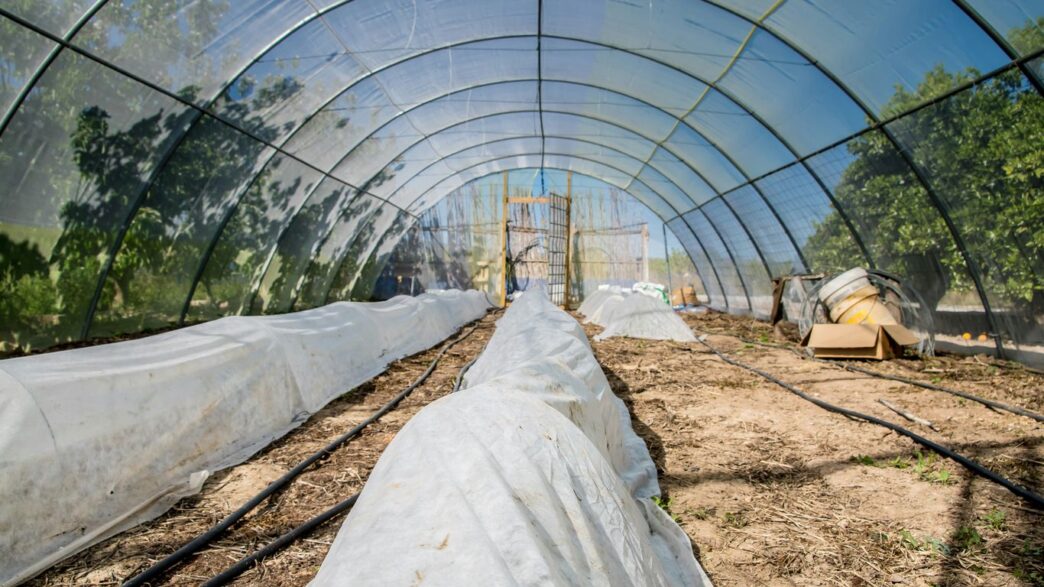
This is one of those "why didn’t everyone think of this sooner?" inventions. Drip irrigation, which really took off in Israel decades ago, is pretty straightforward. Instead of flooding fields, it delivers water right to the base of each plant, exactly where it’s needed. This means way less water is lost to evaporation or just running off. It’s a game-changer for getting more crops with significantly less water. Farmers can fine-tune how much water each section of the field gets, which is super helpful when you’re dealing with different soil types or plant needs. It’s not just about saving water, either; it helps deliver nutrients directly to the roots too.
Wastewater Recycling: A Global Benchmark
Okay, this might sound a little unappealing at first, but hear me out. Israel is incredibly good at treating its wastewater and then using it for agriculture. We’re talking about recycling a huge percentage – often over 85% or even 90% – of all the water that gets used. This treated water is perfectly safe for irrigating many types of crops, both for food and other uses. It’s a brilliant way to keep valuable freshwater sources for drinking and other essential needs, while still having enough water for farming. This approach not only conserves natural water but also stops treated wastewater from polluting rivers and the sea. It’s a prime example of a circular economy in action.
Desalination and Smart Irrigation Networks
Beyond recycling, Israel has also invested heavily in desalination plants along its coast. These facilities turn seawater into fresh water, adding another significant source for agriculture and cities, especially important during dry spells. But it’s not just about having more water; it’s about using it intelligently. Modern Israeli farms are now equipped with smart irrigation systems. These systems use data from sensors in the field and weather forecasts to figure out the perfect time and amount to water. Think sensors measuring soil moisture, weather stations predicting rain, and computer programs making the calls. It’s all about precision, cutting down waste, and making sure crops get exactly what they need, when they need it. This combination of creating new water sources and using existing ones with incredible efficiency is what makes Israeli agriculture so resilient.
Precision Agriculture: Data-Driven Farming

Farming used to be a lot of guesswork, right? You’d plant, you’d water, you’d hope for the best. But that’s changing, big time. Precision agriculture is all about using smart tech to make farming way more exact. Think of it like upgrading from a paper map to a GPS on your phone – you get real-time info and can make better choices.
Advanced Analytics and Remote Sensing
This is where the magic starts. We’re talking about using things like satellites and sensors to get a super close look at what’s happening in the fields. They can tell us about the soil’s health, how the crops are growing, and even predict the weather. This detailed information lets farmers know exactly where to water, fertilize, or treat for pests, instead of just doing it everywhere. It means less waste and healthier plants.
Here’s a quick look at what these tools can track:
- Crop Health: Using things like NDVI (Normalized Difference Vegetation Index) to see how green and healthy the plants are.
- Soil Conditions: Measuring moisture levels, nutrient content, and temperature.
- Weather Patterns: Getting localized forecasts to plan for irrigation and potential issues.
- Pest and Disease Detection: Spotting early signs before they become a big problem.
AI-Powered Smart Irrigation
Water is precious, especially in dry places. AI takes the data from those sensors and analytics and figures out the best watering schedule. It’s not just about giving plants water; it’s about giving them the right amount at the right time. This can save a huge amount of water, sometimes up to 40% or more, while actually helping the crops grow better. It’s a win-win.
Digital Twins for Predictive Farming
This sounds like science fiction, but it’s becoming real. A digital twin is basically a virtual copy of a farm field, or even a single plant. It’s constantly updated with real-time data from sensors and satellites. Farmers can then use this virtual model to test out different farming decisions before they actually do them in the real field. Like, "What if I water less tomorrow?" or "What happens if I change the fertilizer mix?" The digital twin can show them the likely results, helping them avoid costly mistakes and get the best possible harvest. It’s like having a crystal ball for your crops.
Biotechnology and Crop Innovation
Genetically Optimized Seeds for Resilience
Israel’s agricultural sector has really leaned into biotechnology to create crops that can handle tough conditions. Think seeds that need less water, can fight off pests naturally, and don’t require a ton of fertilizer. This isn’t just about making farming easier; it’s a big step towards making sure we have enough food, even when the weather gets weird. They’re basically engineering plants to be tougher and more efficient. It’s pretty neat how they can tweak genetics to make a plant more drought-resistant or less susceptible to common diseases. This means farmers can get more out of their land with fewer resources, which is a win-win for both their bottom line and the environment.
Cultivation in Harsh Soil Conditions
You know how some places just have really difficult soil, like sandy or salty ground? Well, Israeli scientists have figured out ways to make those kinds of places productive. They use advanced soil science and special seed treatments to help crops grow even in land that most people would consider unusable. It’s like they’re reclaiming land that was previously off-limits for farming. This is huge because it means we can grow more food without needing to clear new forests or use up prime agricultural land. They’ve developed methods that can improve soil structure and nutrient uptake, making marginal lands viable for agriculture. It really expands the possibilities for food production, especially in regions with limited arable land.
Advanced Crop Protection Methods
When it comes to protecting crops, Israel is moving away from just spraying chemicals everywhere. They’re using smarter, more targeted approaches. This includes things like using natural predators to control pests, which is called biological pest control. They also focus on using fewer synthetic pesticides, and when they do use them, it’s done very precisely. The goal is to keep crops healthy and the yields high, but without harming the environment or people. It’s about working with nature, not against it. These methods help maintain biodiversity in and around the fields, which is good for the overall health of the ecosystem. Plus, it means the food produced is cleaner and safer for consumers.
Revolutionizing Food Production Systems
It feels like every day there’s a new way to get food, right? From ordering groceries with a few taps to getting meal kits delivered, things have changed a lot. Israel’s tech scene is really pushing this forward, looking at how we can grow and get food in smarter, more efficient ways. They’re not just thinking about the farm, but the whole journey from seed to table.
Vertical and Urban Farming Advancements
Think about growing food right in the middle of a city. That’s what vertical and urban farming is all about. Instead of vast fields, these systems use stacked layers, often indoors, to grow crops. This saves a ton of space, which is a big deal when land is scarce or expensive. Plus, it means fresher food can be grown closer to where people live, cutting down on transportation.
Here’s a quick look at what makes it work:
- Controlled Environments: Temperature, light, and humidity are all managed precisely, creating ideal growing conditions year-round.
- Reduced Water Use: Many systems use hydroponics or aeroponics, which can use significantly less water than traditional farming.
- Local Production: Growing food in urban centers cuts down on shipping distances and associated emissions.
Food Science and Novel Ingredients
Beyond just growing more food, there’s a whole area focused on what that food is made of and how it’s processed. Israeli food scientists are getting creative, looking at things like alternative proteins and new ways to sweeten foods. This work aims to create more sustainable and healthier options for everyone. They’re exploring everything from plant-based meats that taste like the real thing to developing ingredients that can replace traditional ones with a smaller environmental footprint.
Consumer Tech for Empowered Food Choices
And it’s not just about the producers; it’s about us, the consumers, too. There’s a growing trend in tech that helps us make better food choices. Think apps that track your nutrition, services that help you understand food labels better, or even tools that help you plan meals based on your health goals. These innovations put more information and control into our hands, making it easier to eat well and understand where our food comes from.
Economic Impact and Global Reach
It’s pretty amazing how much Israel’s farming tech has changed things, not just for them, but for the whole world. They’ve turned a tough environment into a place where agriculture really thrives, and that success is spilling over everywhere.
High-Value Agricultural Exports
Israel is known for sending some top-notch produce out to other countries. Think avocados, dates, and those sweet cherry tomatoes – they’re in demand because they taste great and they last longer thanks to smart packaging. This isn’t just about selling fruit; it’s about showing how advanced farming can lead to better quality products that people want to buy. It really helps their economy and puts them on the map for quality food.
Exporting Agri-Tech Services
But it’s not just the food itself. Israel is also a major exporter of the technology that makes all this possible. Companies are selling everything from the smart irrigation systems we talked about earlier to the software that analyzes crop data. Other countries are buying these solutions to improve their own farming, which is a huge win for Israeli businesses and helps spread good farming practices globally. It’s like they’re exporting know-how.
Strengthening Global Food Security
All these innovations, from saving water to growing crops in tough places, have a big impact on food security worldwide. When countries can grow more food with fewer resources, it means more people have access to it. Israel’s methods are being adopted in places that face similar challenges, like dry climates or limited land. By sharing these technologies and approaches, Israel is playing a significant role in making sure there’s enough food for everyone, now and in the future.
Here’s a quick look at how some key Israeli innovations are making a difference:
- Drip Irrigation: Pioneered in Israel, this tech can boost crop yields by up to 50% while using significantly less water. It’s a game-changer for arid regions.
- Precision Agriculture: Using sensors, drones, and AI helps farmers use water, fertilizer, and pesticides much more efficiently, cutting down on waste and environmental impact.
- Wastewater Recycling: Israel has become a world leader in treating and reusing wastewater for agriculture, turning a problem into a resource and protecting natural water sources.
These aren’t just small improvements; they’re big steps towards a more sustainable and reliable food system for the entire planet.
Addressing Future Agricultural Challenges
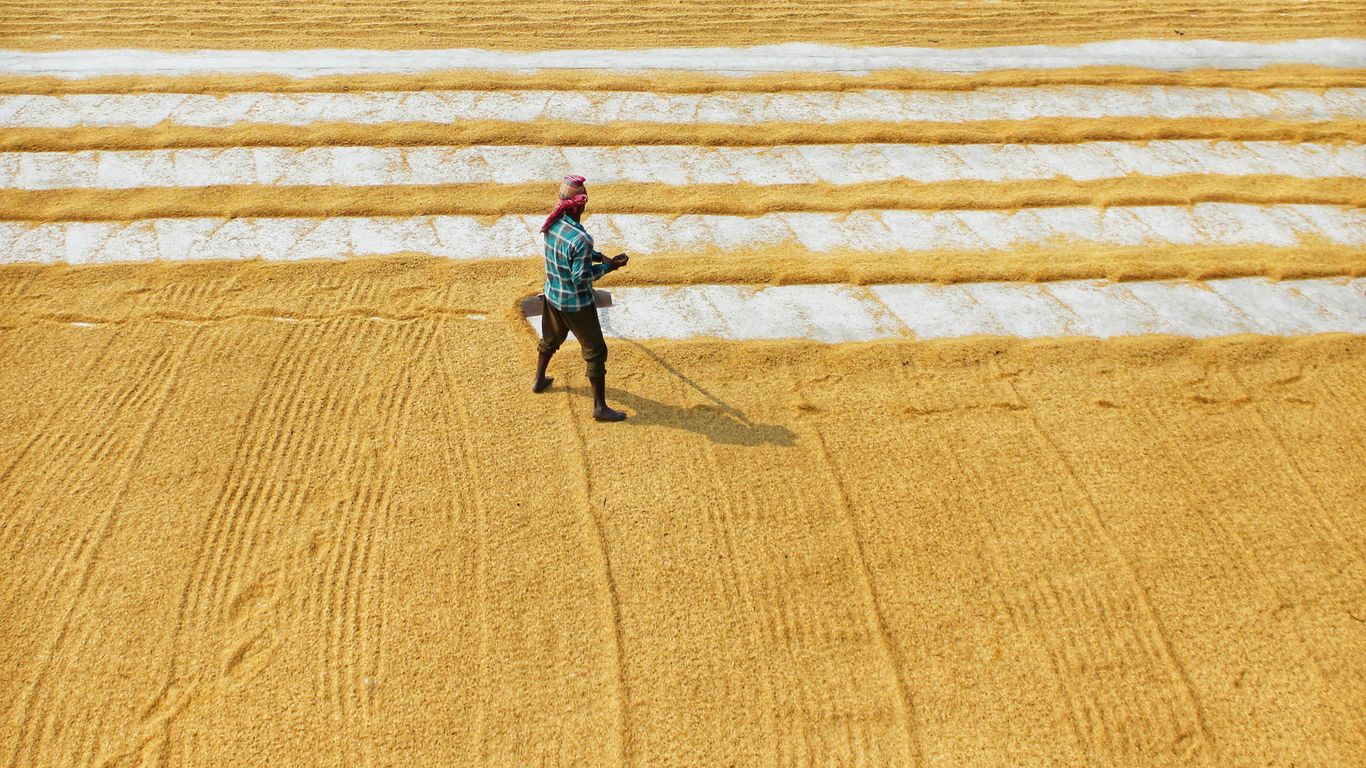
Farming isn’t just about growing food today; it’s about making sure we can feed everyone tomorrow, especially with a changing climate and more people on the planet. Israel, a country that’s already mastered farming in tough conditions, is looking ahead. They’re not just resting on their laurels; they’re actively developing ways to tackle the big problems agriculture will face globally.
Climate-Resilient Crop Varieties
Climate change is a huge headache. We’re seeing weirder weather, more droughts, and extreme heat. To deal with this, Israeli scientists are working hard on developing new types of crops. They’re using advanced techniques, kind of like giving plants a genetic upgrade, so they can handle these tough conditions better. Think crops that need less water, can survive higher temperatures, or resist new pests that pop up because of the changing climate. It’s all about making sure we can still grow enough food even when the weather isn’t cooperating.
Automation and Robotics in Farming
Farming can be hard, physical work, and sometimes there just aren’t enough people to do it. That’s where robots and automation come in. Israel is a leader in developing smart machines that can help with tasks like planting seeds precisely, picking ripe fruits and vegetables, and even monitoring fields. These robots can work around the clock and do jobs that are repetitive or difficult for humans. This not only helps with labor shortages but also makes farming more efficient and accurate. Imagine drones that can spray just the right amount of fertilizer exactly where it’s needed, or robotic harvesters that can gently pick delicate produce.
Circular Economy Models in Agriculture
We can’t keep using resources without thinking about waste. The idea of a circular economy in farming means trying to use everything and waste as little as possible. Israel is looking at ways to turn farm waste into something useful, like energy or fertilizer. They’re also big on recycling water, as we’ve talked about. This approach helps reduce the environmental footprint of farming and makes the whole system more sustainable. It’s about closing the loop, so that what was once considered waste becomes a valuable resource for the next cycle of growth.
Lessons from Israel’s Farming Success
So, looking at everything Israel has done in farming, it’s pretty clear they’ve figured out how to grow a lot of food even when things are tough. They took a dry, challenging place and made it work using smart ideas and new tech. Things like watering plants right where they need it, using sensors to know exactly what the plants and soil need, and even growing food in new ways like vertical farms – it all adds up. It shows that with a bit of clever thinking and a willingness to try new things, even places with limited water and land can become food powerhouses. It’s a good reminder for the rest of the world, especially as we all face similar issues with climate and feeding more people.
Frequently Asked Questions
What makes Israel so good at farming, especially when it’s so dry there?
Israel is a leader in farming because they’ve invented amazing ways to use water, like drip irrigation that gives plants just what they need. They also recycle almost all their used water and even turn seawater into fresh water. Plus, they use smart technology to know exactly what their crops need, making the most of every drop.
How does drip irrigation help farmers?
Drip irrigation is like giving each plant its own tiny water hose. It sends water straight to the roots, so less water evaporates or gets wasted. This means plants grow better and farmers can produce more food using much less water, which is super important in dry places.
What is ‘precision agriculture’?
Precision agriculture is like using a super-smart computer for farming. Farmers use tools like drones and sensors to gather tons of information about their soil, plants, and weather. Then, they use this data to make the best decisions about watering, fertilizing, and protecting their crops, making sure everything is just right.
Can Israeli farming ideas work in other countries?
Yes, absolutely! Many of the farming tricks Israel uses, like saving water and using smart technology, are perfect for places that don’t get much rain or have limited resources. Countries all over the world are learning from Israel and using these ideas to grow more food.
What’s special about the seeds and crops developed in Israel?
Israeli scientists create special seeds that are tougher and need less water and fertilizer. They can also grow well in tough soils that aren’t very good for farming. This helps grow more food even in difficult conditions and makes crops stronger against bugs and diseases.
How is technology like AI helping Israeli farms?
AI, which stands for Artificial Intelligence, helps farms work smarter. It can predict when crops need water, spot diseases early, and help farmers manage their fields better. It’s like having a helpful assistant that uses data to make sure the farm is as productive and efficient as possible.