
Thinking about getting into a Tesla? You’re not the only one. They look cool, have awesome tech, and are just a different kind of driving experience. But, man, a new one can cost a lot. That’s where buying a used Tesla Model 3 comes in. It’s a really smart way to get the car you want without spending a fortune. We’re going to break down why a pre-owned Model 3 is a good idea and what you should look out for before you start shopping.
Key Takeaways
- Buying a used Tesla Model 3 saves money compared to a new one, making electric driving more affordable.
- Pre-owned EVs like the Model 3 are good for the environment because they don’t add to new car manufacturing’s impact.
- Check the battery’s health and remaining warranty carefully before buying any used Tesla Model 3.
- Tesla’s Certified Pre-Owned program offers inspections and warranties for added peace of mind.
- Compare prices, check vehicle history, and consider third-party inspections to get the best deal on a used Tesla Model 3.
Why Consider A Used Tesla Model 3?
So, you’re thinking about an electric car, huh? And maybe a Tesla Model 3 specifically? That’s a solid choice. But let’s talk about going the pre-owned route. It’s not just about saving a few bucks, though that’s a big part of it. Buying used means you’re already getting past that initial big hit of depreciation that new cars take the second they leave the lot. Plus, you’re still getting a car that’s pretty advanced, even a few years old.
Cost Savings Over New EVs
Let’s be real, new EVs can be pricey. A brand-new Model 3 is a significant investment. But when you look at used ones, especially those that are a couple of years old, the price drops considerably. This makes getting into a high-tech electric vehicle much more accessible. You get a lot of the same features and performance without the premium price tag of a 2025 model. It’s a smart way to get into the EV game if your budget is a bit tighter.
Environmental Benefits Of Pre-Owned
Choosing an electric car is already a win for the planet, cutting down on tailpipe emissions. When you buy used, you’re also avoiding the environmental impact that comes with manufacturing a brand-new vehicle. So, you get to enjoy the benefits of driving electric while also being a bit kinder to the Earth by giving a perfectly good car a second life.
Long-Term Durability And Reliability
Teslas are generally built to last. The motors and batteries in these cars are designed for a long life, often hundreds of thousands of miles. While any car needs maintenance, a well-cared-for used Model 3 can still offer years of reliable service. It’s not like buying an old gas car where you might expect constant repairs; these EVs are pretty robust.
Ongoing Software Updates And Features
This is where Tesla really shines, even with older models. They push software updates over the air, just like your smartphone. This means a used Model 3 you buy today can actually get better over time. You might see improvements in performance, new driving features, or even updates to the infotainment system. It keeps the car feeling fresh and modern, which is pretty cool when you think about it.
Key Considerations Before Buying A Used Tesla Model 3
So, you’re thinking about snagging a used Tesla Model 3. Smart move! But before you hand over your cash, there are a few things you really need to check out. It’s not just about the price tag; it’s about making sure you’re getting a solid car that’ll serve you well.
Assessing Battery Health And Range
The battery is the heart of any electric car, right? For a used Model 3, you absolutely need to know its current condition. Ask the seller about the range they’re getting on a full charge and compare that to what the car originally offered. Remember, battery health can change over time, especially with how it’s been charged. Frequent use of fast chargers, for instance, can impact its long-term efficiency. It’s a good idea to ask about the previous owner’s charging habits. A car that’s been babied with fewer charging cycles will likely have a healthier battery. You can often get a sense of this by looking at the displayed range at 100% charge and comparing it to the original rating for that specific trim. A big difference might mean more battery wear than you’d want.
Understanding Warranty Coverage
This is a big one. Tesla does offer warranties on their batteries and drive units, and a used Model 3 might still have some of that coverage left. You’ll want to find out the original in-service date and mileage of the car. Then, you can check with Tesla to see what, if any, battery and drive unit warranty remains. Depending on the car’s age, there might also be a general vehicle warranty still active for other components. Don’t just assume; get the specifics in writing if you can.
Evaluating Software Features And Autopilot
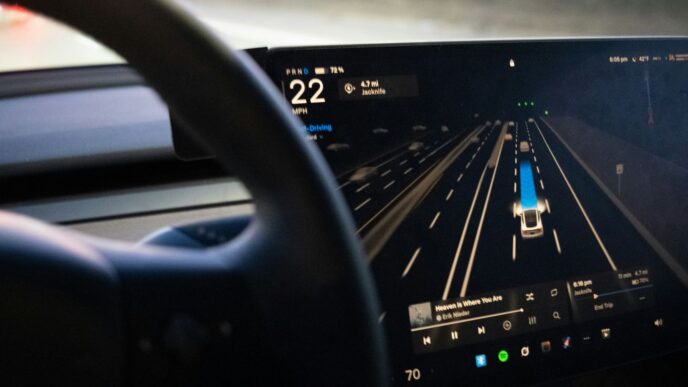
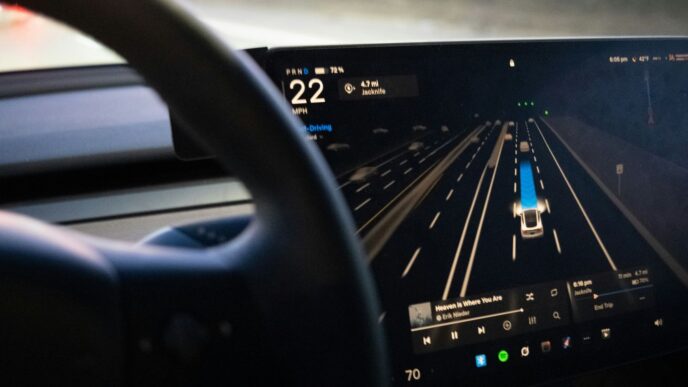
Teslas are known for their tech, but software evolves. Some older used Model 3s might not support the very latest features or updates. It’s important to clarify what’s included. Does the car have Autopilot or Enhanced Autopilot? If so, test it out on a highway to make sure lane-keeping and adaptive cruise control work smoothly. Also, check if basic safety features like automatic emergency braking are enabled and error-free. You’ll also want to confirm if the car can still receive those over-the-air software updates from Tesla, which can add new capabilities and improve performance over time.
Reviewing Service History And Maintenance
Just like any used car, a detailed service history is super important. Look for records of regular maintenance, like tire rotations and brake checks. You’ll also want to investigate any history of major repairs, especially if they involved collisions or electrical issues. Sometimes, third-party customizations can affect warranty conditions, so it’s worth asking about that too. A thorough inspection, ideally by an EV-savvy mechanic, can catch things you might miss, like suspension wear or brake issues, especially on older models. Checking for things like panel gaps and wind noise at highway speeds can also give you clues about the car’s overall condition.
Where To Find Your Used Tesla Model 3
So, you’ve decided a used Tesla Model 3 is the way to go. Awesome! Now, where do you actually find one? It’s not like they’re hiding in a corner. There are a few main places to look, each with its own pros and cons. Your best bet often depends on how much peace of mind you want versus how much you’re willing to hunt for a deal.
Tesla Certified Pre-Owned Program
This is Tesla’s own program for selling used cars. Think of it as the official route. They take cars back, give them a once-over, and then sell them with some kind of warranty. It’s usually a bit pricier than buying from other places, but you get that Tesla backing. They’ll inspect it, fix any minor issues, and generally make sure it’s in good shape before it hits their lot. It’s a solid option if you want to avoid a lot of the guesswork.
Reputable EV-Focused Dealerships
Beyond Tesla itself, there are dealerships that specialize in electric vehicles. These guys know their stuff when it comes to EVs, and they often have a good selection of used Teslas. They might not have the same official Tesla stamp of approval, but a good EV dealer will still do their own inspections and offer some form of warranty. It’s worth checking out a few of these if you want to compare options outside of Tesla’s direct sales.
Private Seller Listings
This is where you can sometimes find the best prices. Buying directly from the current owner means cutting out the middleman, which can save you a good chunk of change. However, it also means you’re on your own when it comes to checking the car’s condition. There’s no official inspection or warranty here. You’ll need to be extra careful, maybe even bring a friend who knows cars, or consider getting an independent inspection done before you hand over any money. It’s a bit more of a gamble, but the savings can be significant.
Online Marketplaces and Platforms
Finally, there are tons of websites and apps where people list cars for sale, including used Teslas. Think of sites like Craigslist, Facebook Marketplace, or even dedicated EV forums. These are similar to private seller listings in that you’ll need to do your homework. You can find some great deals here, but you also need to be wary of scams and make sure you’re dealing with a legitimate seller. It’s a good place to start browsing and get a feel for what’s out there, but always proceed with caution.
Navigating The Purchase Process
So, you’ve found a used Tesla Model 3 that ticks all your boxes. Awesome! Now comes the part where you actually make it yours. It might seem a little daunting, but with a clear plan, it’s totally manageable. Let’s break down the main ways to buy and what you need to get ready.
Choosing Between a Dealer and Private Seller
This is probably the first big decision you’ll make. Buying from a dealership, especially one that specializes in EVs, often means a smoother ride. They usually handle all the paperwork, like title transfers and registration, which is a big relief. Plus, many dealerships offer inspections and can help with financing. It’s generally a more secure and convenient route.
On the flip side, going the private seller route can sometimes get you a lower price. Since they don’t have the overhead of a dealership, they might be willing to negotiate more. However, this means you’re taking on more responsibility. You’ll need to arrange your own inspections, sort out all the paperwork yourself (think DMV trips), and secure your own financing. It’s a trade-off between potential savings and the amount of legwork you’re willing to do.
The Value of Certified Pre-Owned Vehicles
If you’re looking for extra peace of mind, a Certified Pre-Owned (CPO) Tesla is worth considering. These cars go through a pretty thorough inspection by certified techs to make sure they meet certain standards. Often, they come with an extended warranty beyond the original factory coverage, which is a huge plus. While Tesla has its own CPO program, many reputable dealerships also offer similar assurances. It’s like buying a bit of confidence that your car has been checked out and is ready to roll.
Preparing Your Payment and Financing
Before you even start talking numbers, it’s a really good idea to get your financing sorted. Getting pre-approved for a loan from your bank or a credit union shows sellers you’re serious and gives you a firm budget. This way, you know exactly how much you can spend and can negotiate more confidently. Tesla also works with financing partners, and you can compare offers to find the best rates. Having your payment method ready streamlines the whole sale, and you’ll need your driver’s license and proof of insurance when it’s time to sign. If you’re buying from a private seller, make sure you get the title and registration documents from them. Buying a used Tesla can be a smart move, especially when you’re prepared.
Understanding Charging Infrastructure
Don’t forget about charging! Before you drive off, make sure you know how you’ll charge your Model 3. Will you use a public charging station, or can you install a charger at home? Researching charging options in your area is key. Tesla’s Supercharger network is extensive, but knowing your home charging setup is important for daily use. It’s a small detail, but it makes a big difference in your ownership experience.
Negotiating The Best Deal
So, you’ve found the used Tesla Model 3 that ticks all your boxes. Awesome! Now comes the part that can feel a little nerve-wracking for some: talking numbers. But honestly, with a bit of prep work, you can totally nail this. It’s all about knowing what the car’s worth and what you’re willing to spend.
Utilizing Price Comparison Tools
Before you even think about making an offer, you gotta do your homework. Jump online and check out sites that compare used car prices. Look for similar Model 3s – same year, similar mileage, same battery pack, and definitely note if it has any fancy software like Full Self-Driving. This gives you a solid idea of what a fair price looks like in today’s market. Knowing the market value is your strongest tool for getting a good deal. It helps you build a confident offer that’s based on facts, not just a gut feeling. You can check out current used Tesla price ranges to get a baseline.
Timing Your Purchase For Savings
When’s the best time to buy a used EV? Well, the market is always shifting, and unlike traditional cars where end-of-month or end-of-year deals were the norm, with EVs, a great deal can pop up anytime. The key is to keep an eye on listings. If you see a car that fits your needs and the price feels right, be ready to act. Don’t wait too long, or someone else might snag it. Being prepared means you can jump on opportunities as they arise.
The Importance Of Transparency
When you’re dealing with a private seller, being upfront about your intentions and your budget is super important. If you’re getting a loan, having that pre-approval in hand before you start negotiating shows you’re serious. It means you’ve already figured out the financing part and can focus solely on the car’s price. This makes the whole process smoother for everyone involved. If you’re buying from a dealership, they’ll likely have their own financing options, but it’s still smart to shop around a bit beforehand to make sure you’re getting competitive rates.
Considering Third-Party Inspections
Even if the car looks great and the seller seems trustworthy, it’s always a smart move to get an independent inspection. Find a mechanic who knows their way around EVs, especially Teslas. They can spot things you might miss, like potential battery issues or other mechanical quirks. If the inspection turns up any problems, you can use that information to negotiate the price down. It’s a small cost that can save you a lot of money and headaches down the road. Think of it as an investment in your peace of mind.
Evaluating Specific Model Years
When you’re looking at a used Tesla Model 3, especially if you’re aiming for a good deal, the 2018 model year often pops up. It was a big year for Tesla, the first full year of Model 3 production, and that means there are quite a few out there. This can make the 2018 Model 3 a really attractive option for budget-conscious buyers. But, like any first-generation product, there are things to know.
The 2018 Model 3: A Value Proposition
For many folks in 2025, a 2018 Model 3 hits a sweet spot. You’re getting into one of the most efficient electric car platforms from the last decade, you get access to Tesla’s huge fast-charging network, and the car still gets software updates. All this comes at a price that’s now comparable to a well-equipped gas car. The trick is picking the right version and knowing what to look for.
Understanding Trim Levels and Range
In 2018, Tesla offered a few main flavors of the Model 3. Knowing the difference helps you understand what you’re getting, especially regarding range and performance. Here’s a general idea:
| Trim Level | Drive Type | Typical Price Range (2025) | Notes |
|---|---|---|---|
| Mid Range RWD | Rear-Wheel | $18,000 – $20,000 | Often the most affordable; check remaining range carefully. |
| Long Range RWD | Rear-Wheel | $19,000 – $21,000 | Efficient and popular; fewer available can increase prices. |
| Long Range AWD | All-Wheel | $19,500 – $22,500 | Common and sought-after; price varies a lot with mileage and options. |
| Performance AWD | All-Wheel | $21,000 – $25,000+ | Price premium depends on condition, wheels, and buyer demand. |
Note: Prices are estimates for cars with typical mileage for their age (around 60,000-90,000 miles) and clean titles. Low-mileage or highly optioned cars might cost more, while high-mileage or rougher examples could be cheaper.
Common Issues and What to Watch For
Early production cars, like the 2018 Model 3, sometimes have a few quirks. Most aren’t deal-breakers, but it’s good to be aware. Here are some areas to check:
- Build Quality & Trim: Look closely at panel gaps, how the doors line up, and the paint job. Listen for wind noise on the highway and check around the doors and windows for any signs of water leaks. Make sure the trunk and front trunk (frunk) open and close without issues.
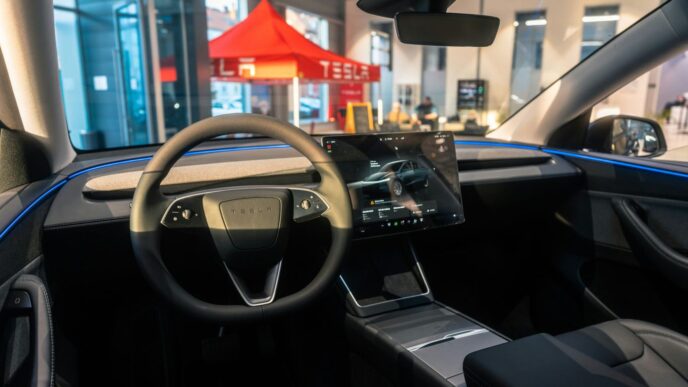
- Interior & Screen: The big central screen controls almost everything. Make sure it’s responsive, without any yellowing or screen burn-in. Test the steering wheel buttons, window controls, and seat adjustments. Check that Bluetooth, audio, and voice commands work correctly.
- Battery & Charging: When you check the car’s displayed range at 100%, compare it to the original rating for that trim. A big difference might mean more battery wear than expected. Ask about how the car was typically charged and if it spent a lot of time in very hot or cold climates. If possible, plug it into a charger during your inspection to confirm it charges at a decent speed.
- Suspension, Brakes & Tires: Listen for any clunks when going over bumps, as early suspension parts can wear out. Check for uneven tire wear, especially on Performance models. Make sure the brake pads aren’t sticking, which can happen on EVs that don’t get driven much.
Battery Warranty Status for Older Models
For a 2018 Model 3, the original battery warranty is typically 8 years or 100,000-120,000 miles, whichever comes first (depending on the specific battery pack and trim). By 2025, many of these cars will be approaching or have passed the mileage limit, but the time limit might still be in effect. It’s really important to get the original in-service date and mileage from the seller and then confirm with Tesla exactly what warranty coverage, if any, remains for the battery and drive unit. This is a big factor in the long-term value of an older EV.
Ready to Hit the Road?
So, you’ve made it through the guide, and hopefully, you’re feeling a lot more confident about finding your own used Tesla Model 3. It’s a great way to get into an electric car without spending a fortune. Remember to check the battery health, look into the warranty situation, and don’t be afraid to ask questions. Whether you go for a certified pre-owned option or a private sale, taking your time and doing your homework will pay off. Happy hunting, and enjoy the ride into a greener future!
Frequently Asked Questions
Why should I think about buying a used Tesla Model 3 instead of a new one?
Buying a used Model 3 can save you a lot of money compared to buying new. Plus, you’re still getting a great electric car that helps the environment by not using gas. Teslas are also built to last a long time, and they keep getting better with software updates, even the older ones.
How can I tell if the battery in a used Model 3 is still good?
It’s super important to check the battery! You can ask the seller about its current range on a full charge and compare it to what it was when new. It’s also a good idea to see how many times it’s been charged, especially with fast chargers, as that can affect its health. Some mechanics or Tesla service centers can also check the battery for you.
What does ‘Certified Pre-Owned’ mean for a used Tesla, and is it worth it?
Certified Pre-Owned (CPO) means the car has been checked over by experts and usually comes with a better warranty. It might cost a little more, but it gives you extra peace of mind knowing the car has been thoroughly inspected and is in good shape.
Where are the best places to look for a used Tesla Model 3?
You have a few options! Tesla has its own Certified Pre-Owned program. You can also check out dealerships that focus on electric cars, or look at listings from private sellers. Online marketplaces are another popular spot to find them.
What should I look out for when checking out a specific used Model 3 year, like a 2018?
For older models like the 2018, pay close attention to things like panel gaps, how the doors line up, and the paint. Make sure the touchscreen works well and check for any weird noises at highway speeds. Also, always ask about the battery’s warranty status for that specific year.
Can I still get good software features and updates on an older used Model 3?
Yes, Tesla is known for sending out software updates even to older cars, which can add new features or improve performance. However, some of the very newest features might only be available on the latest models. It’s good to ask the seller what software features, like Autopilot, are included.