
Finding a good old-fashioned television without all the smart stuff can feel like searching for a needle in a haystack these days. Most new TVs come packed with internet connectivity and apps, which isn’t what everyone wants. Maybe you’re worried about privacy, or perhaps you just prefer things simple. Whatever your reason, if you’re looking for the best dumb TV 2025 has to offer, you’ve come to the right place. We’ll break down what to look for and where you might still find one.
Key Takeaways
- Many people prefer non-smart TVs for their simplicity and to keep their personal data private, avoiding the complexities and potential security risks of smart features.
- When looking for the best dumb TV 2025 models, focus on core picture quality metrics like SDR and HDR brightness, and color accuracy, rather than smart features.
- The market for new non-smart TVs is limited, often featuring budget brands or commercial displays, but they can be found at major electronics retailers and online.
- If you can’t find a suitable non-smart TV, you can effectively ‘dumb down’ a smart TV by simply not connecting it to the internet.
- While non-smart TVs offer a straightforward viewing experience, they come with fewer features and potentially lower build quality compared to mainstream smart TVs.
Understanding the Appeal of the Best Dumb TV 2025
Prioritizing Simplicity and Privacy
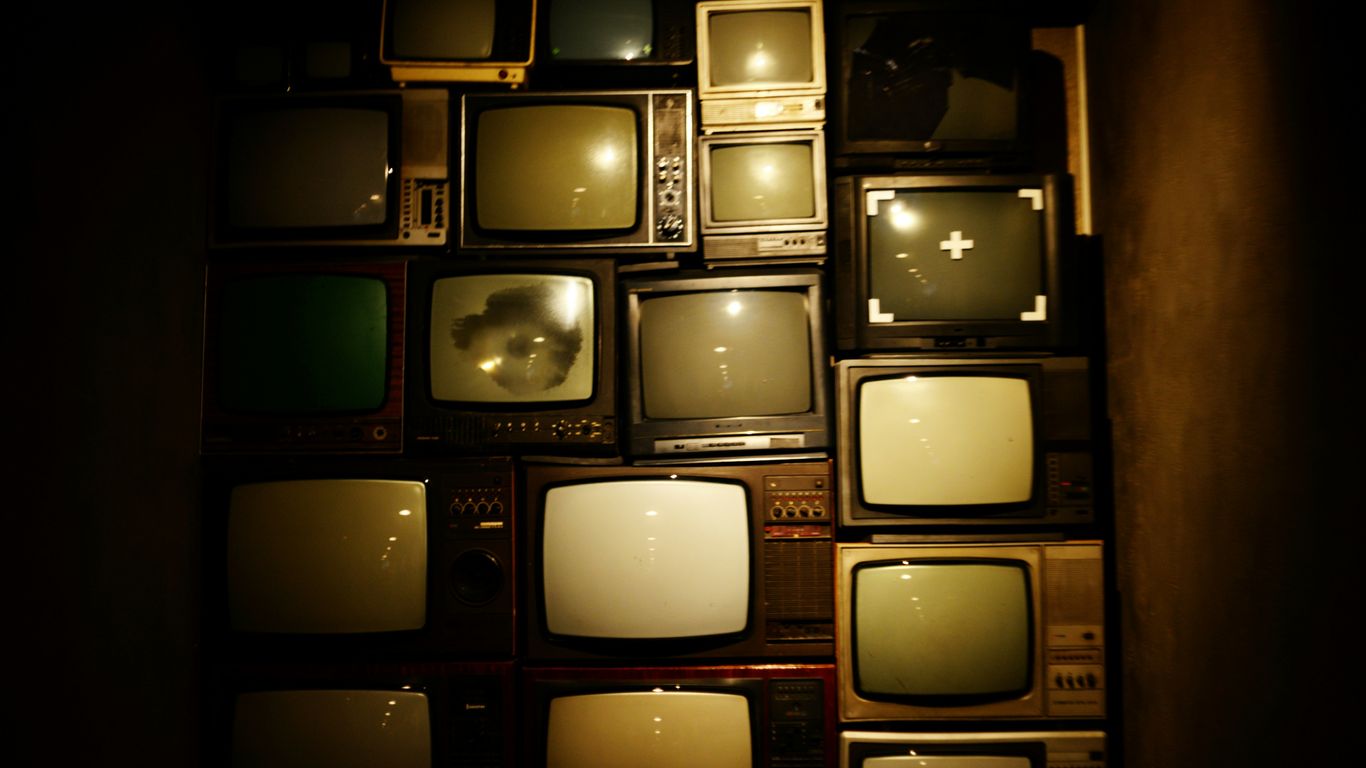
Look, nobody wants their TV spying on them, right? That’s a big reason why people are looking for "dumb" TVs these days. It’s not just about avoiding complicated menus, though that’s part of it. It’s about taking back control. You buy a TV to watch stuff, plain and simple. You don’t necessarily want it connected to the internet, collecting data, or showing you ads you never asked for. For many, a non-smart TV is a return to a more straightforward, private way of enjoying entertainment. It means you decide what you watch and when, without the TV itself trying to push content or track your habits.
Avoiding Smart TV Complexity
Let’s be honest, smart TV interfaces can be a headache. You’ve got apps that update whether you want them to or not, software glitches, and a general feeling that the TV is more of a computer than a viewing device. It can get overwhelming pretty fast. If you just want to turn on the TV and watch a movie or a show without a dozen prompts, pop-ups, or a confusing app store, a dumb TV is the way to go. It cuts out all the noise and gets you straight to the point: watching your favorite programs.
Focusing on Core Viewing Essentials
When you strip away all the smart features, what’s left? A television designed to do one thing really well: display a picture. This focus means manufacturers can put more effort into the actual viewing experience. Think about it: without the need to develop and maintain complex operating systems, resources can be directed towards better picture quality, sound, and reliability. It’s about getting back to basics and appreciating the core function of a television without the added baggage of features you might not even use.
Key Performance Metrics for Non-Smart Televisions
When you’re looking for a TV that just does its job – showing you a picture – without all the extra bells and whistles, you still need to pay attention to how well it actually shows you that picture. It’s not just about avoiding smart features; it’s about getting a good quality image. Think of it like buying a car. You might want a basic model, but you still want it to run smoothly and have good brakes, right? The same applies here. We need to look at a few specific things to make sure your "dumb" TV is actually a good TV.
SDR Brightness Standards
This is basically how bright the screen can get when it’s showing regular, everyday content, like your favorite sitcom or the news. In a bright room, if the TV isn’t bright enough, everything can look washed out and hard to see. For a good experience in most lighting conditions, aim for at least 300 nits. Nits are just a unit of measurement for brightness. More nits means the picture can fight off ambient light better, keeping things clear and vibrant.
HDR Brightness Requirements
High Dynamic Range (HDR) content is where TVs can really show off. It’s designed to have brighter brights, darker darks, and more colors. To actually see those differences, the TV needs to be able to get quite bright. If you’re interested in watching movies or shows with HDR, you’ll want a TV that can hit at least 1000 nits. This allows the subtle details in those bright highlights and deep shadows to really pop, making the picture look more realistic and engaging. It’s a big step up from SDR, and the TV needs the power to back it up.
Color Accuracy Benchmarks
Beyond just brightness, how the TV displays colors is super important. You want the reds to look like reds, not oranges, and the blues to be true blues. This is often measured by how much of a specific color range, called the DCI-P3 color gamut, the TV can reproduce. For a good, lifelike picture, you should be looking for a TV that covers at least 90% of this DCI-P3 range. Getting this right means your movies and shows will look the way the creators intended, with rich and accurate colors. It makes a huge difference in how immersive the viewing experience feels, especially when you’re just trying to relax and watch something. If you’re thinking about the future of content, you might also be interested in the growth of ad-supported streaming channels.
Here’s a quick rundown of what to look for:
- SDR Brightness: 300 nits or more
- HDR Brightness: 1000 nits or more
- Color Gamut (DCI-P3): 90% coverage or higher
Evaluating Picture Quality Enhancements
So, you’ve decided to go the ‘dumb TV’ route, which is cool. But just because it’s not ‘smart’ doesn’t mean it can’t look amazing. There are a few things that really make a picture pop, even on a simpler set. We’re talking about how deep the blacks get, how accurately colors are shown, and how smooth motion looks. These aren’t just fancy terms; they actually make a big difference in what you see on screen.
Contrast Ratio Significance
Think of contrast ratio like the difference between the brightest white and the darkest black your TV can show. A higher number here means you get more detail in both the really bright parts and the really dark parts of a picture. This is super important for making images look realistic, especially in darker scenes or when you’re watching something in a dimly lit room. If a TV has a low contrast ratio, dark scenes might look more like a muddy gray instead of a deep black, and bright spots might not have that ‘pop’. We’re looking for TVs that can hit a contrast ratio of at least 10,000:1 for a good experience.
EOTF Accuracy for Precision
EOTF, or Electro-Optical Transfer Function, sounds complicated, but it’s basically how the TV translates the video signal into the light and colors you see. It’s all about making sure the picture looks exactly how the filmmaker or game designer intended. If the EOTF is off, a scene that’s supposed to be dark might look too bright, or colors might not be quite right. Getting this right means you get a more true-to-life image, with proper brightness and shadow detail, no matter what you’re watching. For the best results, we want TVs that track this function really well, ideally with a low deviation from the standard.
Fast Response Time for Motion Clarity
Ever watched a fast-paced sports game or an action movie and seen a blurry mess during quick movements? That’s usually because of a slow response time. This measures how quickly a pixel can change from one color to another. The faster it is, the less motion blur you’ll see. For a smooth viewing experience, especially if you’re into gaming or sports, you’ll want a TV with a response time of 10 milliseconds (ms) or less. This means those quick pans and fast-moving objects will look sharp and clear, not like a smeary watercolor painting.
Navigating the Limited Market for Non-Smart TVs
Finding a TV without all the smart bells and whistles in 2025 isn’t exactly a walk in the park. The market is pretty much dominated by smart TVs, and manufacturers aren’t exactly falling over themselves to make "dumb" sets. Honestly, it’s a bit of a surprise that any still exist at all. Most of the time, if you want a TV that just shows a picture, you’re looking at two main categories: the really, really cheap ones, or ones made for businesses.
Where to Find Available Models
So, where do you even start looking? Well, your best bet for a consumer-grade, non-smart TV is usually going to be on the ultra-budget end of the spectrum. Think brands that aren’t household names, often selling models with basic specs. These are the TVs that prioritize just getting a picture on the screen without any fuss. On the flip side, you have commercial displays. These are built for places like stores or waiting rooms. They often skip things like built-in speakers or a wide variety of ports, and sometimes they have their own weird smart features focused on business use, not Netflix. You might find some of these from bigger brands, but they often require a business account to purchase, which is just another hoop to jump through. It’s a bit of a trade-off, and frankly, neither option is usually ideal for a living room setup. You might even consider looking at older, used models, but at this point, they’d be quite dated.
Understanding Pricing Variations
When it comes to price, expect a wide range, but not always in the way you might think. The ultra-budget non-smart TVs can be surprisingly inexpensive, sometimes dipping below $150 for a smaller screen. However, these come with compromises in picture quality and features that might not be worth the savings for everyone. On the other end, if you’re eyeing a non-smart model from a more recognized brand, like a Samsung, you might find yourself paying a premium. These are often the commercial models we talked about, and while the panel itself might be good, the lack of consumer-friendly features and the need for a business account can make the total cost and effort higher than you’d anticipate. It’s not uncommon to see prices start around $750 for a modest size, which is a significant jump from the budget options. It really highlights how much the industry has shifted towards smart functionality.
Recognizing Brand Offerings
Most of the non-smart TVs you’ll stumble upon tend to come from brands that aren’t the big players in the TV world. You’ll see names like Insignia, Onn, and Sceptre pop up more often. These companies often fill the gap for budget-conscious consumers. If you’re hoping for a non-smart option from a brand like Sony or LG, you’re likely out of luck, or at least facing a much more difficult search. As mentioned, even brands like Samsung might offer a non-smart model, but it’s usually a commercial display, not something you’d typically find in a regular electronics store. It means you’ll have to do a bit more digging and be prepared for less choice when it comes to familiar names. For those who want the absolute best picture quality, you might need to look at high-end OLEDs like the Samsung S95F, though these are almost exclusively smart TVs.
Considering Alternatives to Traditional Dumb TVs
So, you’re set on avoiding the "smart" features in your next TV, but the market for true "dumb" TVs is pretty slim these days. It feels like every manufacturer is packing in streaming apps and internet connectivity, whether you want it or not. But don’t despair, there are still a few ways to get a TV experience that’s closer to what you’re looking for, or at least a way to make a smart TV act more like a dumb one.
Transforming Smart TVs
This might sound a bit counterintuitive, but one of the most practical ways to get a "dumb" TV experience is to take a smart TV and simply… well, not make it smart. Most smart TVs come with a built-in operating system that allows for apps and internet browsing. However, you don’t have to connect it to your Wi-Fi. By simply never connecting your smart TV to the internet, you effectively disable all its "smart" capabilities. It then functions purely as a display. You can still plug in external devices like streaming sticks, Blu-ray players, or game consoles, and use those to access your content. This approach gives you access to a much wider range of display quality options, including some of the best OLED TVs available, without the built-in smart features you’re trying to avoid. It’s a bit like buying a powerful computer and just using it for basic word processing – you have the power, but you’re not using the features you don’t want.
Commercial Display Options
Another avenue to explore is commercial displays. These are the TVs you see in stores, airports, or business lobbies. They’re built for durability and often have excellent picture quality, but they’re not designed with home entertainment streaming in mind. This means they usually lack built-in speakers, tuners, and the kind of user-friendly interfaces we expect from a home TV. You’ll likely need to add your own sound system and a separate device for streaming. While they might not have the "smart" apps, they also might not have the consumer-friendly ports or remotes you’re used to. It’s a trade-off, but if picture quality and a lack of internet connectivity are your main goals, it’s worth looking into.
The Role of External Devices
This is probably the most common and flexible alternative. Instead of relying on a TV’s built-in smarts, you use external devices. Think of a streaming stick like a Roku or Amazon Fire TV Stick, a gaming console, or even an old-school Blu-ray player. You connect these devices to your TV via HDMI, and they handle all the streaming and app functionality. This gives you a lot of control. You can choose the streaming device that best suits your needs and budget, and you can easily upgrade it later without replacing your entire television. This method also works perfectly with a basic "dumb" TV if you can find one, or with a smart TV that you’ve kept offline. It’s a modular approach that keeps your viewing experience simple and focused on the display itself.
Potential Downsides of Non-Smart Televisions
Limited Feature Sets
Look, nobody’s saying a "dumb" TV can’t show a picture. It’ll do that, and probably do it well if you pick the right one. But that’s kind of the point, right? It’s a screen. You’re not getting all the extra bells and whistles that come with a smart TV. Think about it: no built-in apps for streaming, no easy way to browse the web on your TV, and forget about voice control or connecting it to your smart home gadgets. If you’re used to having all that at your fingertips, going back to a basic TV might feel like a step backward. It’s like going from a smartphone back to a flip phone – it makes calls, sure, but you’re missing out on a whole lot of convenience.
Performance and Quality Control
This is a tricky one. Because the market for non-smart TVs is so small, manufacturers don’t always put the same effort into them as they do their smart counterparts. You might find that the picture processing isn’t quite as refined, or that the color accuracy isn’t as spot-on. It’s not a hard and fast rule, of course, but it’s something to be aware of. You’re often looking at models that are either older designs or specifically made for commercial use, which can mean different priorities in terms of performance. Sometimes, the cheaper price tag reflects compromises in the panel quality or internal components. It’s a bit of a gamble, and you really need to do your homework on specific models to see if they meet your viewing standards.
Niche Market Availability
Finding a non-smart TV in 2025 isn’t as simple as walking into any big box store and picking one off the shelf. Most manufacturers have shifted their focus almost entirely to smart TVs because, frankly, they make more money from them through data collection and partnerships. This means the selection of "dumb" TVs is pretty limited. You’ll likely be looking at smaller brands, or perhaps commercial displays that require a bit more effort to purchase. It’s not impossible, but it definitely requires more searching and patience than buying a smart TV. You might end up with a smaller screen size than you wanted, or have to pay a premium for a basic model from a brand you’re not familiar with. It’s a trade-off for simplicity, for sure.
So, What’s the Verdict on Dumb TVs?
Look, finding a truly "dumb" TV in 2025 isn’t as easy as it used to be. Most sets come with smart features baked in, and honestly, the few non-smart options out there can be pretty basic. But if you’re set on avoiding the internet and all the tracking that comes with it, or you just want a simpler viewing setup, it’s still possible. You might have to dig a little, maybe look at brands like Insignia or Sceptre, or even consider turning a smart TV into a dumb one by just not connecting it to your Wi-Fi. It’s about getting what you want out of your TV without all the extra noise. You can still get a decent picture and sound without needing a TV that knows your viewing habits better than you do.
Frequently Asked Questions
Why would someone want a TV without internet features?
Lots of people prefer TVs that don’t connect to the internet because they want things to be simple. They might also want to keep their personal information private, as smart TVs can sometimes collect data. It’s all about having a straightforward way to watch shows without extra complications or worries.
Are non-smart TVs hard to find?
Yes, finding a TV without smart features is becoming more difficult. Most TVs made today come with internet capabilities because it’s cheaper for companies to include them. You’ll likely find fewer options, and they might be from less common brands or be basic models.
What makes a TV ‘dumb’?
A ‘dumb’ TV, or a non-smart TV, is simply a television that doesn’t have built-in internet access or the ability to run apps. It focuses on the main job: showing pictures and making sound. You can’t stream shows directly from it like you can with a smart TV.
Can I make a smart TV act like a dumb TV?
Definitely! The easiest way is to simply not connect your smart TV to your Wi-Fi or home internet. If you never sign in or enter your network password, it won’t be able to access the internet, effectively making it ‘dumb’ for your viewing needs.
What are the important things to look for in a non-smart TV?
Since non-smart TVs are basic, you should focus on picture quality. Look for good brightness (how bright the screen can get, especially for HDR content), accurate colors (so images look real), and a good contrast ratio (for deep blacks and bright whites). These features make your viewing experience better.
Where can I buy a non-smart TV?
You can often find non-smart TVs at big electronics stores like Best Buy, large online shops like Amazon, and sometimes on manufacturer websites. Keep in mind that options might be limited, and you may need to look at brands that aren’t as well-known.