
So, you want to play Half-Life: Alyx? It’s a pretty amazing game, really makes you feel like you’re there. But to get the best experience, you need the right gear. Picking out the best vr headsets for half life alyx can feel like a big task, with so many options out there. I’ve been messing around with a bunch of them, trying to figure out which ones really let you get into City 17. Let’s break down what makes a VR headset good for Alyx and which ones are worth your cash.
Key Takeaways
- The Valve Index is often seen as the top pick for Half-Life: Alyx, offering great tracking and controllers, but it comes with a high price tag and requires external base stations.
- For a strong, wired PC VR experience without the highest cost, the Oculus Rift S is a solid choice with good tracking and comfort.
- The Meta Quest 3 provides a versatile wireless option for playing Half-Life: Alyx on PC, offering a good balance of performance, comfort, and inside-out tracking.
- Budget-conscious players might consider the Meta Quest 3S (or Quest 2) for a capable, standalone-capable headset that can also connect to a PC for Alyx, though it requires a Meta account.
- When choosing vr headsets for half life alyx, consider visual quality, how well it tracks your movements, and how comfortable it is for longer play sessions, as these all impact immersion.
Choosing the Premier VR Headsets for Half-Life: Alyx
Alright, let’s talk about getting the best possible experience for Half-Life: Alyx. This game is a real showstopper in VR, and picking the right headset makes a huge difference. It’s not just about playing the game; it’s about feeling like you’re actually there in City 17. We’ve looked at a few top contenders, and honestly, there’s a clear winner if your wallet can handle it, but good options exist for most budgets.
Valve Index: The Ultimate Half-Life: Alyx Experience
If you’re aiming for the absolute best, the Valve Index is pretty much it. It was built with games like Alyx in mind, and it shows. The visuals are sharp, the refresh rate is super smooth, and the controllers are something else entirely. They track your individual finger movements, which adds a whole new layer of immersion. You can really feel like you’re interacting with the world. The downside? It’s pricey, and you’ll need to set up external base stations for tracking, which takes a bit more effort.
Meta Quest 3: Versatile Wireless Option for Alyx
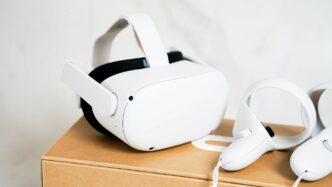
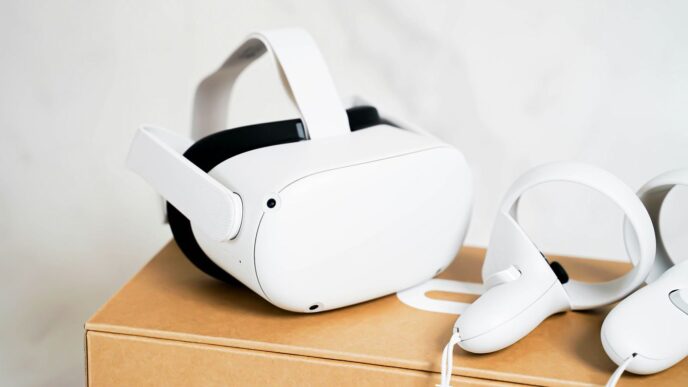
For those who want to cut the cord, the Meta Quest 3 is a fantastic choice. It offers a great wireless experience, meaning no tripping over cables. The visual quality is good, and the inside-out tracking (meaning it tracks you without external sensors) is really solid for Alyx. It’s also a standalone headset, but you can connect it to your PC for PC VR games like Alyx using a cable or wirelessly. It does require a Meta account, which some people aren’t keen on, but the flexibility it offers is hard to beat.
Oculus Rift S: A Strong Contender for Alyx Enthusiasts
Even though it’s an older model, the Oculus Rift S remains a really solid option, especially if you’re not looking to spend top dollar. It offers good visual clarity and its inside-out tracking is reliable, making for a smooth Alyx experience. Setup is generally straightforward, and it’s comfortable enough for longer play sessions. It’s a great middle-ground option that balances cost and performance well for playing Half-Life: Alyx.
Evaluating VR Headsets for Half-Life: Alyx Performance
So, you’ve got Half-Life: Alyx installed and you’re ready to jump into City 17. But what makes one VR headset better than another for this specific game? It really comes down to a few key things that make the difference between feeling like you’re actually there and just playing a game on a screen strapped to your face.
Visual Fidelity and Refresh Rates for Alyx
This is probably the most obvious one. How good does the game look? Half-Life: Alyx is a visually stunning game, and you want to see all those gritty details of Combine architecture and alien goo. Higher resolutions mean sharper images, so you can actually read those signs and see the textures on Gordon’s crowbar. But it’s not just about sharpness; it’s also about how smooth the motion is. A higher refresh rate, like the 120Hz or even 144Hz some headsets offer, makes movement feel more natural and less like you’re watching a slideshow. This smoothness is super important for preventing motion sickness, especially when you’re zipping around in the game. Lower refresh rates, like the 72Hz on some older or more budget-friendly options, can work, but you might notice a bit of choppiness, especially during fast-paced action. It’s a trade-off between how good it looks and how smooth it feels, and for Alyx, you want both.
Tracking Accuracy for Immersive Gameplay
This is where the magic of VR really happens. When you move your head or your hands, you want the game to react instantly and accurately. Half-Life: Alyx uses your hands for everything – picking up objects, shooting, reloading, even just pointing. If the tracking is off, you’ll be fumbling around, dropping grenades, or shooting at walls. There are two main types of tracking: inside-out, where cameras on the headset track your controllers and surroundings, and outside-in, which uses external base stations. Inside-out is generally easier to set up and more common on newer headsets, but outside-in, like with the Valve Index, is often considered more precise and robust, especially in larger play spaces. For Alyx, precise tracking means you can really feel like you’re interacting with the world, not just controlling an avatar.
Comfort and Ergonomics During Extended Play
Let’s be real, you’re going to want to spend hours exploring City 17. If the headset is heavy, unbalanced, or just plain uncomfortable, those hours will feel like an eternity. Things like padding, weight distribution, and how well it fits your head all play a big role. Some headsets have better strap systems that let you adjust them for a snug but not painful fit. Others might feel front-heavy, putting strain on your neck. You also want to consider how well it vents heat; nobody likes a sweaty face inside a VR headset. For a game as long and involved as Half-Life: Alyx, comfort isn’t just a nice-to-have, it’s pretty much a requirement if you want to finish the story without wanting to rip the thing off your head.
Budget-Friendly VR Headsets for Half-Life: Alyx

Okay, so maybe you’re not looking to drop a small fortune on a VR setup just yet. That’s totally understandable. The good news is you don’t have to break the bank to get a solid Half-Life: Alyx experience. There are definitely some good options out there that won’t leave your wallet feeling completely empty.
Meta Quest 3S: The Best Value for Alyx Players
If you’re looking for the sweet spot between price and performance for Alyx, the Meta Quest 3S is a really strong contender. It manages to pack in some pretty decent features without the hefty price tag of some of the higher-end headsets. It’s a great way to jump into PC VR gaming like Half-Life: Alyx without needing a ton of extra gear. Plus, it uses inside-out tracking, which means no fiddly base stations to set up. Just put it on and go.
Here’s a quick look at why it’s a good pick:
- No External Sensors: The headset tracks your movement using cameras built right into it. This makes setup a breeze.
- Versatile: You can use it for standalone VR games, or connect it to your PC for titles like Half-Life: Alyx using a cable or even wirelessly. Pretty neat, right?
- Good Controllers: The controllers it comes with are comfortable and track well enough for the action in Alyx.
Exploring Other Affordable VR Headsets
While the Quest 3S is a standout, it’s worth knowing what else is out there. Sometimes you can find older models on sale, or maybe a used headset in good condition. Keep an eye out for:
- Oculus Rift S: This one used to be a top pick, and you might still find it at a good price. It offers solid tracking and a comfortable fit, making it a reliable choice for Alyx.
- Windows Mixed Reality Headsets: These can sometimes be found for pretty cheap. While they might not have all the bells and whistles of the more expensive options, many support SteamVR, meaning you can absolutely play Half-Life: Alyx on them. Just check the specs to make sure the refresh rate and resolution are decent enough for your liking.
Remember, Half-Life: Alyx has minimum PC requirements, so make sure your computer can handle it before you even think about the headset. A decent graphics card and processor are key to a smooth experience, no matter how budget-friendly your headset is.
Advanced VR Headsets for Half-Life: Alyx
Pimax Crystal Light: Unparalleled Visuals for Alyx
When you’re looking for the absolute best visual experience in Half-Life: Alyx, the Pimax Crystal Light really steps up. This headset boasts some seriously impressive specs, especially when it comes to its display. We’re talking about a super high resolution that makes the gritty world of City 17 look incredibly sharp and detailed. The wider field of view also helps a lot, making you feel more present in the game. It’s definitely a step up from many other headsets if you prioritize seeing every little detail.
HTC Vive Cosmos Elite: Tracking Capabilities
The HTC Vive Cosmos Elite offers a different approach, focusing heavily on its tracking. It uses external base stations, which means it can provide really precise tracking of your movements. This is super important in a game like Half-Life: Alyx where every little twitch matters, whether you’re aiming a shotgun or ducking behind cover. While the headset itself might feel familiar if you’ve used other Vive products, the addition of the base stations and the included controllers really makes a difference for accurate gameplay. It’s a solid choice if pinpoint tracking is your main concern for an immersive Alyx session.
Here’s a quick look at how some advanced headsets stack up:
| Feature | Pimax Crystal Light | HTC Vive Cosmos Elite |
|---|---|---|
| Resolution | Very High | High |
| Field of View | Wide | Standard |
| Tracking Type | Inside-Out | External Base Stations |
| Controller Input | Standard | Standard |
| Visual Clarity | Exceptional | Good |
Setting up external tracking can take a bit more effort than inside-out systems, but for many players, the payoff in terms of tracking accuracy for games like Half-Life: Alyx is well worth the extra steps. It’s all about finding what works best for your setup and your priorities.
Connectivity and Setup for VR Headsets with Half-Life: Alyx
Getting Half-Life: Alyx up and running involves a few different connection types and setup procedures, depending on the headset you choose. It’s not always as simple as just plugging it in, you know?
SteamVR Compatibility for Alyx
Most VR headsets that can play Half-Life: Alyx rely on SteamVR. This is Valve’s own platform, and it’s pretty much the standard for PC VR gaming. If your headset supports SteamVR, you’re generally good to go for Alyx. This includes headsets from HTC Vive, and even some Windows Mixed Reality devices. Setting it up usually involves installing Steam, then the SteamVR software, and then making sure your headset drivers are all up to date. It’s a pretty straightforward process, but sometimes those driver updates can be a bit finicky.
- Install Steam and create an account if you don’t have one.
- Download and install the SteamVR application from the Steam store.
- Connect your VR headset to your PC according to its specific instructions.
- Launch SteamVR, and it should detect your headset and controllers.
Oculus Link for Quest Users Playing Alyx
If you’ve got a Meta Quest (or Quest 2/3), you can play Half-Life: Alyx on your PC using Oculus Link. This basically turns your standalone Quest into a PC VR headset. You’ll need a good quality USB-C cable – the official Oculus Link cable is pricey, but there are third-party options that work well too. The cable connects your Quest to your PC, allowing it to stream the game data. It’s a great way to get a high-fidelity Alyx experience without needing a dedicated PC VR headset, but that cable can sometimes get in the way, especially if it’s not routed well.
Base Station Setup vs. Inside-Out Tracking
This is where things can get a bit different between headsets. Some older or more advanced headsets, like the HTC Vive Pro or Valve Index, use external base stations. These little boxes sit in your room and send out lasers that your headset and controllers use to figure out where you are. It’s super accurate, but you have to set them up carefully, making sure they have a clear line of sight to each other and your play area. On the flip side, most newer headsets, like the Meta Quest line and Oculus Rift S, use inside-out tracking. This means cameras on the headset itself track your movement. It’s way easier to set up – no extra boxes to place – but it can sometimes struggle if the cameras can’t see your controllers clearly, especially if they’re behind your back or too close to the headset.
Controller Innovations for Half-Life: Alyx
When you’re deep in the world of City 17, the way you interact with everything matters. Half-Life: Alyx was built with some pretty advanced ideas about how we’d actually use our hands in VR, and not all controllers are created equal when it comes to pulling this off.
Valve Index Controllers: Finger Tracking for Alyx
The Valve Index Controllers are a bit of a game-changer, honestly. They’re designed to track each of your fingers independently, even when you’re not actively pressing buttons. This means when you reach out to grab something, the game sees your fingers move naturally. It’s a big deal for games like Alyx.
- Realistic Grabbing: You can pick up items, like ammo clips or resin, and place them in your backpack just by using your fingers. It feels way more natural than just pressing a button.
- Grenade Tosses: Throwing a grenade becomes a whole new experience. You can actually open your hand to release it, just like you would in real life. This level of detail really pulls you into the game.
- Fine Motor Skills: For tasks that require delicate movements, like fiddling with machinery or picking up small objects, the finger tracking makes a huge difference. It’s not just about pointing and clicking anymore.
This level of interaction is what makes the Valve Index stand out for Half-Life: Alyx. It’s built from the ground up to take advantage of these advanced inputs.
Comparing Alyx Controller Interactions Across Headsets
While the Index controllers are top-tier, other headsets offer different experiences. It’s worth looking at how they stack up, especially if you’re considering different options.
- Oculus Touch Controllers (Rift S, Quest 2/3): These are pretty good and track your thumb and index finger well. However, to get the other three fingers tracked, you often have to press down on the controller. It works, but it’s not quite as fluid as the Index’s full finger tracking. Still, they map movement and actions quite well for Alyx.
- Vive Wands (Vive Cosmos Elite): These are older controllers and rely heavily on trackpads. For a game like Half-Life: Alyx, which needs precise movements and actions, these can feel clunky. Using the trackpad for teleporting or turning isn’t as intuitive, and the limited buttons mean some actions are spread out or feel mashed together. Many players find these less ideal for Alyx.
- Standalone Quest Controllers (Quest 1): Similar to the Oculus Touch controllers, they offer decent tracking for basic actions but lack the full five-finger input of the Index. They work well enough for playing Alyx, especially when using Link, but you miss out on some of the finer details.
Ultimately, the controllers you use can significantly impact how immersive your Half-Life: Alyx experience feels. While many headsets allow you to play the game, the fidelity of interaction varies quite a bit.
Wrapping Up Your Alyx Adventure
So, after all that, picking the right VR headset for Half-Life: Alyx really comes down to what you’re willing to spend and what you prioritize. The Valve Index is definitely the top dog if money isn’t an issue, offering that super-immersive feel. But for most of us, the Oculus Rift S or even the Meta Quest 3 (or its budget sibling, the Quest 3S) are fantastic choices that won’t break the bank. They offer great tracking and comfort, making your journey through City 17 a blast. No matter which headset you choose, getting into Alyx is a game-changer for VR. Keep an eye out, though, because the VR world keeps changing, and new headsets are always popping up. Happy gaming!
Frequently Asked Questions
What’s the absolute best VR headset for playing Half-Life: Alyx?
If money is no object, the Valve Index is pretty much the top choice. It was made by the same company that made Half-Life: Alyx, so it works perfectly with the game. Its screens are great, it feels good to wear, and the controllers let you use your fingers in cool ways, making the game feel super real.
What if I don’t want to spend a lot of money on a VR headset for Half-Life: Alyx?
No problem! The Meta Quest 3S is a really good option if you’re on a budget. It offers great tracking without needing those extra base stations, and you can use it connected to your computer or even on its own. It’s a solid way to play Alyx without breaking the bank.
Can I play Half-Life: Alyx on a Meta Quest 3?
Yes, you absolutely can! The Meta Quest 3 is a fantastic wireless choice. It’s comfortable, looks good, and its tracking is excellent. You can connect it to your PC to play PC VR games like Half-Life: Alyx, giving you a great wireless experience.
Do I need special controllers for Half-Life: Alyx?
While you can play Half-Life: Alyx with most VR controllers, the Valve Index controllers are special. They can track your individual fingers, which makes actions like picking up items or reloading feel much more natural and realistic, adding a lot to the immersion.
How important is the screen quality and how fast the picture updates (refresh rate) for Half-Life: Alyx?
These things are super important for a good Half-Life: Alyx experience! A sharper screen makes the game world look more detailed and believable. A faster refresh rate means the game looks smoother, especially when you’re moving around quickly, which helps prevent feeling dizzy.
What’s the difference between base station tracking and inside-out tracking?
Base station tracking uses external sensors (base stations) placed in your room to track your headset and controllers. Inside-out tracking uses cameras built into the headset itself to figure out where you are. Inside-out tracking is usually easier to set up because you don’t need extra equipment.