Thinking about going electric but worried about the price tag? You’re not alone. The world of electric cars is growing fast, and while some might seem out of reach, there are definitely options out there that won’t break the bank. This guide is here to help you figure out what makes an electric car affordable and point you towards some of the cheapest electric car models you can find for 2025. We’ll look at new and used options, and how to make sure you’re getting the best deal possible.
Key Takeaways
- The cheapest electric car options are becoming more common as technology advances, making EVs accessible to more people.
- When looking for the cheapest electric car, consider both new models like the Fiat 500e and Nissan Leaf, as well as the used market for potential savings.
- Government incentives and rebates can significantly lower the upfront cost of an electric car, making it more affordable.
- The total cost of ownership for an electric car, including fuel and maintenance savings, can often be lower than for a gasoline-powered vehicle.
- Before buying, assess your driving needs, charging availability, and the battery’s health to ensure the electric car fits your lifestyle and budget.
Understanding The Cheapest Electric Car Market
So, you’re thinking about an electric car, huh? It’s a big shift, and honestly, the whole market can feel a bit overwhelming at first. Gone are the days when EVs were just for early adopters with deep pockets. Now, more and more people are looking at them as a real option for their daily drive. The biggest hurdle for many? Price. But here’s the thing: the cost of electric cars is coming down, making them more accessible than ever.
What Defines An Affordable Electric Vehicle?
When we talk about
Top Budget-Friendly Electric Cars For 2025
Alright, let’s talk about the electric cars that won’t completely empty your wallet in 2025. Finding an affordable EV is getting easier, which is great news for all of us. These models prove you don’t need to spend a fortune to go electric.
2025 Fiat 500e: The Lowest MSRP Contender
The Fiat 500e is making a splash as one of the most budget-friendly electric cars you can buy this year. It’s a small car, perfect for zipping around the city, and it’s got a style that’s hard to ignore. This little Italian number often boasts the lowest starting price tag in the EV market.
- Starting MSRP: Around $35,000 (before incentives)
- Estimated Range: Up to 227 km
- Key Features: Compact size, stylish design, decent city range, quick charging capability.
It’s not going to win any drag races, but for everyday commuting and errands, it’s a solid choice. Plus, its small battery means it can charge up pretty quickly on a Level 2 charger.
2025 Nissan Leaf: A Value-Oriented Classic
The Nissan Leaf has been around for a while, and it’s still a strong contender if you’re looking for good value. It might not have the flashiest tech or the longest range compared to some newer EVs, but it gets the job done reliably.
| Trim Level | Starting MSRP (approx.) | Estimated Range | Battery Size |
|---|---|---|---|
| SV | $30,000 | 240 km | 40 kWh |
| SV Plus | $35,000 | 349 km | 60 kWh |
It’s a practical choice, especially if you can find a good deal. Keep in mind, 2025 might be the last year for the current Leaf before Nissan introduces a new generation, so it could be a great time to snag one.
2025 Chevrolet Equinox EV: SUV Affordability
If you need a bit more space than a compact car offers, the Chevrolet Equinox EV is a compelling option. It brings SUV practicality to the more affordable EV segment. It arrived a bit late in 2024, but it’s making a strong showing for 2025.
- Starting MSRP: Around $35,000 (before incentives)
- Estimated Range: Up to 513 km (on certain trims)
- Why it’s a good pick: Offers SUV space, impressive range options, and a more modern feel than some older budget EVs.
Exploring Other Economical Electric Options
So, you’ve checked out the Fiat 500e and the Nissan Leaf, and maybe even the Equinox EV. That’s great! But the electric car world is getting bigger by the day, and there are definitely more budget-friendly options out there worth a look. Sometimes, you can find a sweet spot between price, features, and how far the car can go on a single charge. It’s all about finding what fits your life without breaking the bank.
2025 Kia Niro EV: Efficiency Meets Value
The Kia Niro EV is a solid choice if you’re looking for a practical electric car that doesn’t skimp on features. It’s a bit of a crossover, giving you a bit more space than a typical sedan, which is nice for groceries or weekend trips. What’s really good about the Niro EV is how efficient it is. It manages to squeeze a lot of miles out of its battery, making it a smart pick if you want to keep your energy costs down. Plus, Kia’s warranty is usually pretty good, offering some peace of mind.
- Good range for daily driving and occasional longer trips.
- Spacious interior for its class.
- User-friendly tech and infotainment system.
2025 Hyundai Kona Electric: Style and Range
Hyundai has been making some really stylish EVs lately, and the Kona Electric is a prime example. It’s a compact SUV that looks pretty sharp, and it also packs a decent punch when it comes to range. If you want an electric car that doesn’t look like every other EV on the road, the Kona is definitely worth considering. It’s got a comfortable ride and a good amount of standard tech features, making it a pleasant car to be in, whether you’re stuck in traffic or cruising on the highway. It’s a good all-around package for someone who wants a bit of flair with their electric commute.
2025 Volkswagen ID.4: Feature-Rich Compact SUV
The Volkswagen ID.4 is another compact SUV that’s making waves in the affordable EV space. VW has packed this car with a good amount of technology and a comfortable interior. It offers a smooth ride and a quiet cabin, which is always a plus. While its starting price might be a little higher than some other options on this list, it often comes with more standard features and a bit more space than you might expect. It’s a strong contender if you’re looking for a well-rounded electric SUV that feels a bit more premium without the premium price tag.
| Feature | 2025 Kia Niro EV | 2025 Hyundai Kona Electric | 2025 Volkswagen ID.4 |
|---|---|---|---|
| Body Style | Crossover | Compact SUV | Compact SUV |
| Typical Range | ~250 miles | ~260 miles | ~275 miles |
| Cargo Space | Good | Decent | Generous |
| Standard Tech | High | High | Very High |
Maximizing Savings On Your Electric Car Purchase
So, you’ve set your sights on an electric car, which is awesome. But let’s be real, the sticker price can still make your eyes water a bit. The good news is, there are definitely ways to bring that cost down and make owning an EV much more affordable than you might think. It’s not just about the initial price tag; it’s about the whole picture.
Leveraging Government Incentives And Rebates
This is probably the most straightforward way to cut down the upfront cost of a new electric car. Governments, both federal and state, want people to buy EVs, so they offer some pretty sweet deals. Think of them as a thank-you for going electric.
- Federal Tax Credit: For new EVs, there’s a federal tax credit that can knock a significant amount off your purchase price. The exact amount can change, and it depends on the car’s battery size and where it’s manufactured, so always check the latest IRS guidelines before you buy. It’s not a discount you get at the dealership, mind you; it’s something you claim when you file your taxes. Some dealerships might let you apply it as an upfront discount, though, which is even better.
- State and Local Rebates: On top of the federal help, many states, and even some cities or utility companies, have their own rebate programs. These can range from a few hundred to a few thousand dollars. Some might be point-of-sale rebates, meaning the dealer applies the discount right then and there, which is super convenient. Others might require you to mail in paperwork after you’ve bought the car.
- Utility Company Programs: Don’t forget your local electric company. Some offer rebates for buying an EV or even for installing a home charger. It’s worth a quick call or a look at their website to see what’s available in your area.
It’s really important to do your homework here. These programs can have specific requirements, like income limits or residency rules, and they can change year to year. Staying up-to-date on these incentives can save you thousands of dollars.
The Financial Benefits Of Pre-Owned Electric Vehicles
Buying a used EV is a smart move for a lot of reasons, especially if you’re trying to keep costs low. The biggest chunk of depreciation happens in the first few years of a car’s life, and EVs are no different. That means someone else has already taken that big hit for you.
- Lower Purchase Price: This is the obvious one. A used EV will almost always be cheaper than its brand-new counterpart. You can often get a model that was top-of-the-line just a couple of years ago for a much more reasonable price.
- Reduced Depreciation: As mentioned, the steepest depreciation has already occurred. This means when you go to sell it later, you won’t lose as much value compared to buying new.
- Incentives Still Apply (Sometimes): While most government incentives are for new vehicles, there are sometimes programs for used EVs, though they are less common. It’s worth checking if any exist in your state or locality.
When looking at used EVs, pay close attention to the battery’s health. Technology has improved a lot, but batteries do degrade over time. Look for vehicles that come with a battery health report or have had their battery checked by a reputable service. A car with a battery that still holds a good percentage of its original capacity will serve you much better in the long run.
Calculating Total Cost Of Ownership
This is where EVs really start to shine, even if the initial price is a bit higher. You’ve got to look beyond just what you pay at the dealership and think about what it costs to keep the car running over several years. It’s called the Total Cost of Ownership (TCO).
Here’s a breakdown of what to consider:
| Cost Category | New Gas Car (Estimate) | New EV (Estimate) | Used EV (Estimate) |
|---|---|---|---|
| Purchase Price | $30,000 – $45,000 | $40,000 – $60,000 | $20,000 – $35,000 |
| Fuel/Electricity | $1,500 – $2,500/year | $500 – $1,000/year | $400 – $900/year |
| Maintenance | $500 – $1,000/year | $200 – $400/year | $150 – $350/year |
| Insurance | $1,200 – $1,800/year | $1,300 – $2,000/year | $1,200 – $1,800/year |
| Total (5 Years) | $44,000 – $65,500 | $44,500 – $75,000 | $25,000 – $43,000 |
- Fuel Savings: Electricity is generally cheaper per mile than gasoline. If you can charge at home, especially overnight during off-peak hours, you’re looking at significant savings compared to filling up at the pump. Imagine paying the equivalent of $1-$1.50 per gallon for gas – that’s the kind of savings we’re talking about.
- Maintenance Savings: EVs have far fewer moving parts than gas cars. No oil changes, no exhaust systems, no spark plugs. This means fewer trips to the mechanic and lower maintenance bills. You’ll still need tires and brakes, but regenerative braking in EVs can actually make your brake pads last longer.
- Insurance and Registration: While sometimes insurance can be a bit higher for EVs due to repair costs, this isn’t always the case. Registration fees vary widely by state, with some charging more for EVs.
When you add it all up over, say, five years, a used EV often comes out as the cheapest option overall, even if its initial price was a bit higher than a comparable gas car. It’s all about looking at the long game.
Key Considerations When Buying An Electric Car
So, you’re thinking about making the switch to electric. That’s awesome! But before you get too excited about all the cool tech and saving money on gas, there are a few things you really need to think about. It’s not just about picking the cheapest one you see; it’s about making sure the car fits your life.
Assessing Your Driving Needs And Range Requirements
This is probably the biggest one. How do you actually use your car day-to-day? Are you just zipping around town for errands, or do you regularly take long road trips? Most people don’t drive as much as they think they do. For example, the average daily commute is only about 30-60 miles. If that sounds like you, you probably don’t need a car with a massive 300+ mile range. Paying for extra miles you’ll never use is just throwing money away.
Think about your typical week. Do you have a long drive to work? Do you haul kids and gear around? Or is it mostly short hops?
- Daily Commuter: If you drive less than 60 miles a day, a car with a 180-250 mile range is likely plenty. You’ll have a nice buffer for unexpected trips or cold weather, which can reduce range.
- Road Trip Family: If you’re hitting the highway often, especially with passengers, aim for 250-320 miles or more. You’ll want to consider how fast it can charge on the go, too.
- Urban Dweller: Short trips are the name of the game. Even a smaller battery can work well here, especially if you can charge conveniently.
Don’t get caught up in the numbers game; pick a range that actually matches how you drive.
Understanding Charging Infrastructure And Options
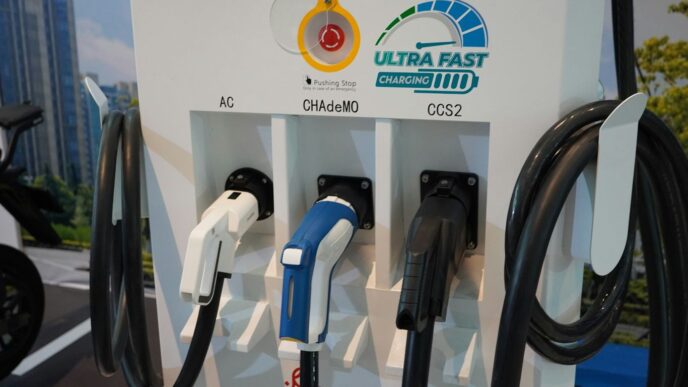
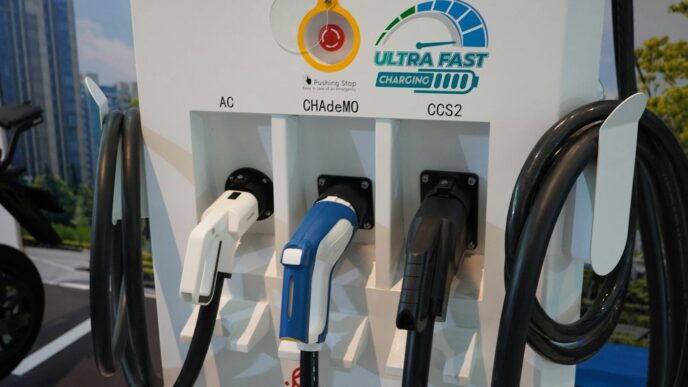
This is where a lot of people get stuck. Where are you going to plug in your electric car? If you live in a house with a garage, you’re in luck. Installing a Level 2 charger at home is a game-changer. It means you can wake up every morning with a ‘full tank.’ It’s way more convenient and usually cheaper than public charging.
But what if you live in an apartment or a condo? Charging can be trickier. You’ll need to rely more on public charging stations or see if your workplace offers charging. It’s worth looking into charging availability near where you live and work before you buy.
- Home Charging: The most convenient and often cheapest option. Level 2 chargers are recommended for most EV owners.
- Workplace Charging: A great perk if available, especially if home charging isn’t an option.
- Public Charging: This includes fast chargers at places like shopping centers or highway rest stops. They’re great for quick top-ups on the go, but using them all the time can get expensive and might not be as good for the battery long-term.
Seriously, figure out your charging plan first. It’s way easier to find a car that fits your charging situation than to try and make a difficult charging situation work for a car you already bought.
Evaluating Battery Health And Longevity
The battery is the heart of an electric car, and it’s also the most expensive part. When you’re looking at used EVs, you absolutely need to know the condition of the battery. Normal use will cause some ‘fade’ over time, meaning it won’t hold as much charge as it did when new. That’s expected.
What you want to avoid are batteries with physical damage or manufacturing defects. These can lead to costly problems down the road. A good inspection or a battery health report is super important. It’ll tell you the battery’s current capacity and how it’s performing.
- Check the Battery Health Report: Look for details on capacity fade and any reported issues.
- Understand Charging Habits: Frequent use of DC fast charging can put more stress on a battery compared to slower Level 2 charging.
- Warranty is Key: Most new EVs come with a long battery warranty (often 8 years or 100,000 miles). Make sure you know what’s covered and for how long, especially on a used model.
Don’t skip this step; a healthy battery means a longer-lasting, more reliable EV.
So, What’s the Takeaway?
Alright, so we’ve looked at some of the most budget-friendly electric cars hitting the market for 2025. It’s pretty clear that going electric doesn’t automatically mean breaking the bank anymore. Whether you’re eyeing that zippy Fiat 500e or a more practical option like the Nissan Leaf or Chevy Equinox EV, there are definitely ways to get into an EV without spending a fortune. Remember to think about your own driving habits and charging situation, and don’t forget to check out the used market too – you might find some real gems there. Happy car hunting!
Frequently Asked Questions
What makes an electric car “cheap”?
When we talk about a “cheap” electric car, we usually mean one with a lower starting price. Automakers are making more electric cars that cost less as the technology gets better and more common. Sometimes, older models or smaller cars are more affordable.
Are electric cars cheaper to run than gas cars?
Yes, generally. Electricity to charge a car is often cheaper than buying gas. Plus, electric cars have fewer moving parts, so they usually need less maintenance, like no oil changes. This can save you money over time.
Can I buy a used electric car to save money?
Definitely! Buying a used electric car can be a great way to save money. The first owner usually pays the most, so you can get a good deal on a car that’s just a few years old. Just make sure to check the battery’s condition.
How far can cheap electric cars go on a single charge?
The distance, or range, varies a lot. Some cheaper electric cars might go around 200 miles, which is fine for daily driving. Others can go much further, over 300 miles. It depends on the car’s battery size and how efficient it is.
What are government incentives for electric cars?
Governments sometimes offer money back, called incentives or rebates, to help people buy electric cars. These can lower the price of a new electric car significantly. You’ll need to check what’s available in your area.
Is it hard to charge an electric car at home?
It’s usually pretty simple. Most people can install a special charger at home, like a Level 2 charger, which is faster than a regular wall outlet. You just plug your car in overnight, and it’s ready to go in the morning.