

Finding the right doctor when you’re dealing with pancreatic cancer is a big deal. This isn’t a simple cold we’re talking about; it’s a complex illness that needs specific know-how. The pancreas is tucked away deep inside, making it tricky to deal with. Having a doctor who really knows their stuff about this particular cancer can make a huge difference in how things go. This guide is here to help you figure out how to find that doctor, what to look for, and what to ask when you finally meet them.
Key Takeaways
- A specialized pancreatic cancer doctor is important because this cancer is complex and located deep in the body.
- Start your search by asking your regular doctor for referrals, checking insurance lists, or getting recommendations from people you trust.
- Look for doctors with specific experience, especially surgeons who do many pancreatic operations, and consider specialists for rare types of the cancer.
- Your care team will likely include several types of doctors, like medical oncologists, surgeons, and possibly gastroenterologists or endocrinologists.
- Be prepared for your doctor’s appointments by gathering your medical records and writing down your questions and symptoms.
Understanding the Importance of a Pancreatic Cancer Doctor
Why Specialist Care Is Crucial for Pancreatic Cancer
Pancreatic cancer is a tough one. It’s not like some other cancers where a general oncologist might have seen hundreds of cases that year. Because it’s less common and sits in a tricky spot deep inside your body, you really want someone who focuses on this specific disease. These specialists have seen a lot more pancreatic tumors, understand the unique ways they behave, and know the latest treatments that actually work. It’s not just about having a doctor; it’s about having a doctor who’s practically a detective for this particular kind of cancer.
The Complexity of Pancreatic Tumors
These tumors are complicated. They can grow in different parts of the pancreas, and sometimes they’re right next to important blood vessels or other organs. This makes things like surgery incredibly difficult. A surgeon who does these operations all the time will have a much better idea of how to navigate those tricky areas safely. They know the anatomy inside and out, which can make a huge difference in whether a surgery is even possible and how well it goes. Plus, pancreatic tumors can sometimes affect hormone production, like insulin, leading to diabetes. So, it’s not just about cutting out the tumor; it’s about managing all the ripple effects it can have on your body.
Impact of Expertise on Treatment Outcomes
When you have a doctor who deals with pancreatic cancer every day, they’re more likely to catch things early and suggest the best treatment plan right from the start. They’re also more up-to-date on new drugs or therapies that might be available. Think about it: if you have a rare car problem, you’d take it to a mechanic who specializes in that make and model, right? It’s the same idea here. A specialist’s deep knowledge can lead to better results, fewer complications, and a more tailored approach to your specific situation. It can mean the difference between a treatment that just manages the disease and one that truly fights it effectively.
Identifying Potential Pancreatic Cancer Specialists
Finding the right doctor for pancreatic cancer can feel like a big task, and honestly, it is. This isn’t a condition you want to leave to just anyone. Because pancreatic tumors are tricky and often found late, you really need someone who knows this specific cancer inside and out. It’s not like finding a doctor for a common cold; it requires a particular kind of focus.
Leveraging Your Primary Care Physician for Referrals
Your regular doctor is usually the first stop. They know your history, your other health issues, and they can point you in the right direction. Think of them as your initial guide. They might have a list of local specialists they trust or know of larger cancer centers that are good for these kinds of complex cases. If you live somewhere a bit out of the way, they might suggest a city that’s not too far but has more options.
Utilizing Insurance Directories for Network Specialists
Your insurance company’s website or directory is another place to look. You can search for oncologists or surgeons who are in your network. This is important for keeping costs down, but you absolutely have to do a little digging. Just because someone is listed as an oncologist doesn’t mean they focus on pancreatic cancer. Some doctors treat a wide range of cancers, and you might feel more comfortable with someone who deals with GI (gastrointestinal) cancers regularly.
Seeking Recommendations from Trusted Sources
Sometimes, the best leads come from people you know. Friends, family, or even other doctors you trust might have personal recommendations. However, take these with a grain of salt. A doctor who is amazing for one type of cancer might not have the same level of experience with pancreatic cancer. It’s always a good idea to verify that any recommended doctor actually treats a lot of pancreatic cancer patients.
When you start looking, it’s smart to make a list of a few potential doctors or hospitals. Then, you can look into each one a bit more closely. Check out their background, see how many pancreatic surgeries they do, and even think about whether you feel you could talk to them easily. It’s about finding a good fit, not just a name on a list.
Here’s a quick way to think about who to look for:
- High-Volume Centers: Hospitals that perform a lot of pancreatic surgeries often have better results. It’s like anything else – practice makes perfect, or at least, much better.
- Specialized Training: Look for doctors who have specific training in treating pancreatic cancer, not just general oncology.
- Multidisciplinary Teams: The best care often comes from a team. This means doctors from different fields working together. You want a place where surgeons, medical oncologists, radiologists, and others collaborate.
Don’t be afraid to ask questions when you call to make an appointment. You can ask how many pancreatic cancer patients they see each year or what their experience is with specific procedures like the Whipple surgery. This information can help you narrow down your choices.
Key Qualifications of a Pancreatic Cancer Doctor
Finding a doctor who really knows their stuff when it comes to pancreatic cancer is a big deal. This isn’t a simple illness, and the pancreas itself is tucked away in a tricky spot. So, you want someone who has spent a lot of time focusing on these specific kinds of tumors. It’s not just about having a medical degree; it’s about specialized training and a history of working with pancreatic cancer patients.
Evaluating Credentials and Experience
First off, check if the doctor is board-certified in their area, like medical oncology or surgical oncology. That’s a basic but important step. Beyond that, look for extra training, often called a fellowship, specifically in areas like liver, pancreatic, and bile duct cancers, or advanced gastrointestinal procedures. This extra schooling means they’ve gone deeper into the specifics of this disease. Think about how many pancreatic cancer patients they see regularly. Doctors at big cancer centers, especially those recognized for treating gastrointestinal cancers, often handle a higher volume of these cases. And guess what? Studies suggest that when surgeons do more of a certain operation, like the Whipple procedure, patients tend to have better results. It makes sense, right? More practice usually leads to better skill.
Understanding High-Volume Surgical Expertise
When it comes to surgery for pancreatic cancer, especially complex operations like the Whipple procedure (also known as a pancreaticoduodenectomy) or a distal pancreatectomy, experience really matters. Surgeons who perform these types of operations frequently tend to have a better grasp of the intricate blood vessels and structures around the pancreas. This familiarity can lead to fewer complications and a smoother recovery for the patient. It’s not uncommon for these high-volume surgeons to perform dozens, if not hundreds, of these procedures throughout their careers.
Here’s a quick look at what to consider regarding surgical volume:
- Annual Case Volume: How many pancreatic cancer surgeries does the surgeon perform each year?
- Procedure Types: Are they experienced with the specific surgery recommended for your situation?
- Outcomes Data: While not always public, some centers track and can share general outcomes for their surgeons.
Recognizing Specialization in Rare Pancreatic Cancers
Sometimes, pancreatic cancer can present in less common ways, or there might be rare subtypes of tumors. A doctor who is deeply involved in pancreatic cancer research, perhaps publishing their findings or participating in clinical trials, is more likely to be aware of the latest developments and potential treatments for these less common scenarios. They might be involved in studies looking at new drugs or novel approaches. If your diagnosis involves a rare form of pancreatic cancer, finding a specialist who is actively engaged in advancing the field can be particularly beneficial. They often have a broader perspective and access to cutting-edge options that might not be available elsewhere.
It’s perfectly okay to ask direct questions about a doctor’s experience. You can inquire about the number of pancreatic cancer surgeries they perform annually or how many patients with your specific type of tumor they have treated. This information can help you feel more confident in your choice of care provider.
Assembling Your Pancreatic Cancer Care Team
Dealing with pancreatic cancer isn’t a solo mission. It really takes a village, or in this case, a whole team of medical professionals working together to give you the best shot at fighting this disease. Think of it like building a specialized squad, where each member brings something unique to the table. You’ll likely have a main doctor, but they’ll be coordinating with others, and it’s good to know who these folks are and what they do.
The Role of Medical and Surgical Oncologists
Your medical oncologist is usually the quarterback of your cancer treatment. They’re the ones who will figure out the best chemotherapy or other drug-based treatments for your specific situation. They’ll manage your overall treatment plan, keeping an eye on how you’re responding and adjusting things as needed. Then there’s the surgical oncologist. If surgery is an option for you, this is the doctor who performs the operation. They have specialized training in removing tumors, especially in tricky areas like the pancreas. Their skill and experience with pancreatic surgeries can make a big difference in the outcome. It’s important to know if they do a lot of these specific types of surgeries each year, as higher numbers often mean more practice and better results.
Collaborating with Gastroenterologists and Radiologists
Beyond the oncologists, you’ll likely interact with other specialists. Gastroenterologists are doctors who focus on the digestive system. They can be really helpful in diagnosing pancreatic issues early on and managing symptoms like pain or digestive problems that can come with the cancer or its treatment. Radiologists are the imaging experts. They use tools like CT scans, MRIs, and ultrasounds to help doctors see the tumor, figure out its size and location, and check if it has spread. They also play a role in guiding biopsies and sometimes even in certain types of treatment, like radiation therapy.
Integrating Endocrinologists and Palliative Care Specialists
Pancreatic cancer can mess with your body’s hormones, especially insulin, which is why an endocrinologist might get involved. They help manage blood sugar levels, which can become a problem with pancreatic tumors. And then there’s palliative care. This isn’t about giving up; it’s about making sure you’re as comfortable as possible throughout your treatment. Palliative care specialists focus on managing pain, nausea, and other side effects, and they can also help with emotional and practical support for you and your family. They work alongside your other doctors to improve your quality of life at every stage.
Preparing for Your Consultation with a Pancreatic Cancer Specialist
So, you’ve found a specialist, and your first appointment is coming up. This is a big step, and being ready can make a world of difference in how much you get out of the visit. Think of it like getting ready for a really important exam – the more prepared you are, the better you’ll do.
Compiling Essential Medical Records
First things first, you need to gather all your medical history. This isn’t just a quick look through your files; it means collecting everything relevant. We’re talking about past test results, any imaging scans like CTs or MRIs, a list of all the medications you’re currently taking (even over-the-counter stuff), and a summary of your general health history. Having all this in one place makes it much easier for the doctor to get a clear picture of what’s going on without having to chase down information from different places. It can save a lot of time and prevent delays in figuring out the best plan.
- Previous lab work related to your pancreas or general health.
- Imaging reports and, if possible, the actual digital copies of scans.
- A complete list of current medications and any known allergies.
- Records from any previous treatments or surgeries.
Documenting Symptoms and Formulating Questions
Next, jot down everything you’ve been experiencing. Don’t just think about the obvious symptoms; include any subtle changes too. Things like shifts in your appetite, the pattern of any pain you’re feeling, or how your energy levels have been lately. It’s also super important to write down the questions you have for the doctor. You don’t want to leave the appointment kicking yourself for forgetting to ask something important. Think about what you want to know regarding the treatment schedule, potential risks with any procedures, or if genetic testing might be a good idea, especially if cancer runs in your family.
It’s easy to feel overwhelmed when you’re facing a diagnosis like pancreatic cancer. Taking the time to organize your thoughts and medical information beforehand can help you feel more in control during what can be a very stressful time. A well-prepared patient is an active participant in their own care.
Communicating Chronic Health Conditions
Finally, be upfront about any other ongoing health issues you have. If you have heart problems, kidney concerns, or diabetes, you absolutely need to tell the specialist. This information is vital because it can affect how they plan treatments, especially if sedation is involved or if certain medications might interact with your existing conditions. They need to know the full picture to make sure your treatment plan is safe and effective for you specifically.
- Diabetes: How well is your blood sugar managed? Are you on insulin or oral medications?
- Heart Conditions: Do you have high blood pressure, a history of heart attack, or other cardiac issues?
- Kidney Function: Have you had issues with your kidneys in the past?
- Other Chronic Illnesses: Any other long-term health problems that might impact treatment?
Questions to Ask Your Pancreatic Cancer Doctor
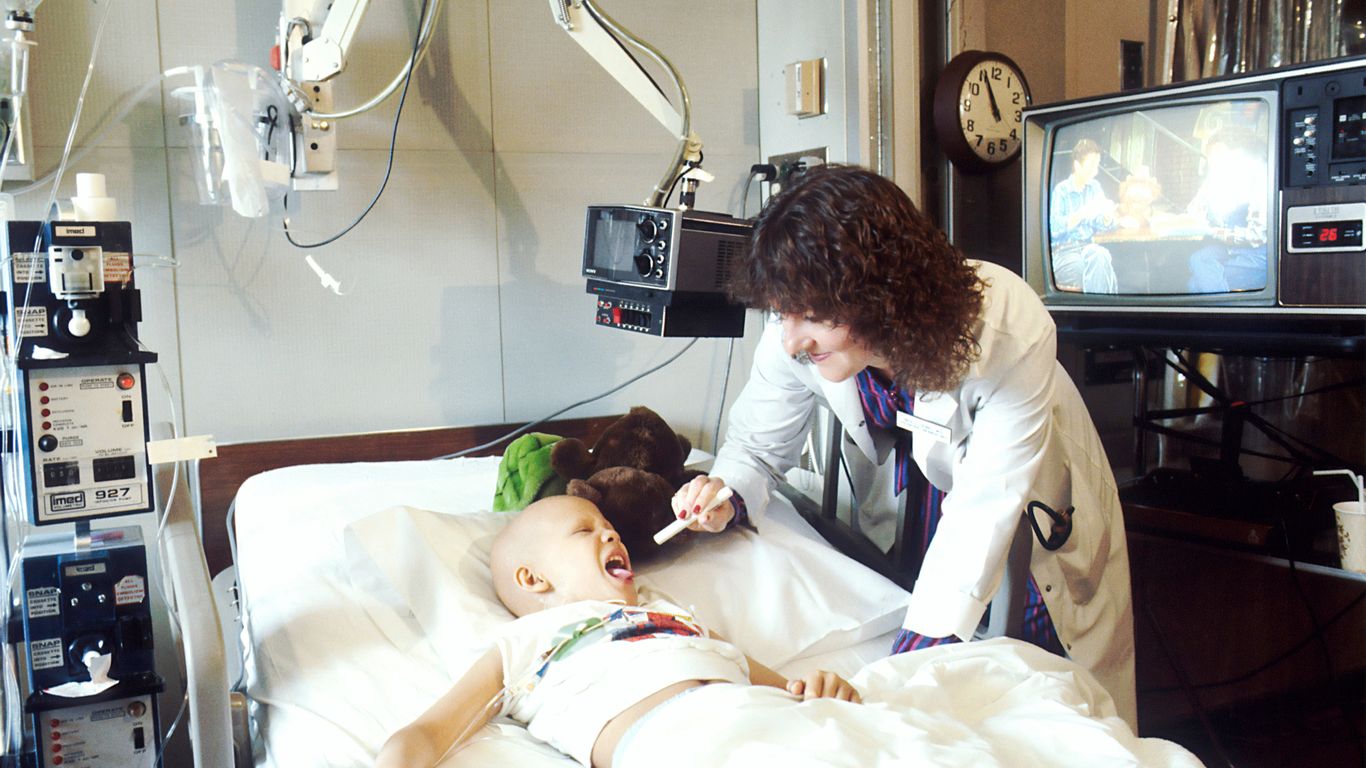
So, you’ve found a doctor who seems like a good fit. That’s a big step! Now comes the part where you really get down to business and make sure you’re on the same page. It’s totally normal to feel a bit overwhelmed, but having a list of questions ready can make a huge difference. Think of it as gathering intel for your own health. You want to know what you’re up against and what the plan is.
Inquiring About Treatment Recommendations and Outcomes
This is where you get the nitty-gritty on what the doctor thinks is best for you. Don’t be shy about asking why they’re suggesting a particular path. It’s your body, and you deserve to understand the reasoning.
- What treatment plan do you suggest for me, and why?
- What are the expected results from this treatment?
- How often will I need to come in for treatment?
- How long do you anticipate the treatment will take?
- What are the potential benefits and risks of each option I have?
- What’s the main goal of the proposed treatment?
Understanding Potential Side Effects and Management
Nobody likes thinking about side effects, but it’s way better to be prepared. Knowing what to watch out for and how to handle it can make a world of difference. Your doctor should have a plan for this.
- What side effects might I experience?
- How likely are these side effects to happen?
- If I do get side effects, how long might they stick around?
- Could side effects mess with my treatment schedule?
- What medications can you give me to help with side effects? Do those meds have their own issues?
Discussing Surgical Procedures and Recovery
If surgery is on the table, this section is super important. Pancreatic surgery is no small thing, and you’ll want to know all about the surgeon’s experience and what to expect afterward.
- How many pancreatic surgeries have you performed? How many in the last year?
- What are the possible complications from this type of surgery?
- After surgery, how long will I likely be in the hospital recovering?
It’s really helpful to bring someone with you to these appointments. They can help take notes, remind you of questions you wanted to ask, and just offer support. Plus, having a second set of ears can catch things you might miss when you’re feeling stressed.
Remember, your doctor works for you. Don’t hesitate to ask anything that’s on your mind. It’s better to ask now than to wonder later.
Considering a Second Opinion for Pancreatic Cancer
The Value of Diverse Perspectives in Diagnosis
Pancreatic cancer is a tricky disease, and sometimes, getting a second look at your situation can be really helpful. It’s not about not trusting your first doctor; it’s more about making sure you’ve explored all the angles. Think of it like getting a second pair of eyes on a complex puzzle. Different doctors might see things slightly differently, especially with something as complicated as pancreatic cancer. This can be super important if the initial diagnosis isn’t crystal clear or if the recommended treatment plan feels a bit overwhelming.
Confirming Treatment Plans with Expert Opinions
When you’re facing a pancreatic cancer diagnosis, treatment decisions can feel huge. Getting a second opinion from another specialist, particularly one who focuses heavily on pancreatic cancer, can give you more confidence in the path you choose. They might have seen similar cases and can offer insights based on a large number of patients they’ve treated. It’s a way to double-check that the plan makes sense for your specific situation and that you’re not missing out on any other possibilities.
Navigating the Process of Seeking Additional Advice
So, how do you actually go about getting a second opinion? It’s usually pretty straightforward. Start by talking to your current doctor; most are very supportive of this. You’ll need to get copies of your medical records, test results, and imaging scans. Your insurance company can also be a good resource to find out which specialists are in your network and what your coverage looks like for second opinions. Don’t be afraid to ask questions during this process – it’s your health, and you have the right to feel fully informed and comfortable with your care plan.
- Gather all your medical records: This includes biopsy reports, imaging (like CT scans or MRIs), and any notes from previous doctor visits.
- Identify specialists: Look for doctors at cancer centers known for treating pancreatic cancer, or ask your current doctor for a referral.
- Schedule the appointment: Be clear with the new doctor’s office that this is for a second opinion.
- Prepare your questions: Just like your first appointment, have a list of things you want to discuss.
Sometimes, even if the second opinion matches the first, the peace of mind you gain is incredibly valuable. It confirms you’re on the right track and can help you move forward with more certainty.
Putting It All Together
Finding the right doctor for pancreatic cancer isn’t a quick thing. It takes some digging to check doctor credentials, talking about your other health issues, figuring out money stuff, and maybe even traveling to a big cancer center. But spending time on this upfront can really make a difference in how you feel and how your treatment goes. Doctors who really know pancreatic cancer are more likely to get the diagnosis right, pick the best treatments, and line up the support you need for all the things this disease can bring on, like blood sugar problems or not getting enough nutrients. For older folks or anyone dealing with other health problems, these smart plans can be a huge help. Building a good care team, with a knowledgeable pancreatic cancer doctor leading the way, gives you the best shot at getting good treatments while staying comfortable. Whether you get a second opinion, use online tools, or find local support, you can speak up for yourself or a loved one to make sure nothing gets missed. By being prepared, organized, and open-minded, you’re setting yourself up for treatment that’s more personal, works better, and is more caring.