Fitbits are great for tracking workouts and heart rate, but can they also check your blood pressure? It’s a common question, and honestly, figuring out the difference between heart rate and blood pressure monitoring can be a bit confusing. We’re here to break down what you need to know about Fitbit’s journey into blood pressure tracking, what it means for your health, and what you can do right now.
Key Takeaways
- Fitbit doesn’t currently have a feature to measure blood pressure directly on its devices, but they are working on it.
- The company is exploring a new way to measure blood pressure using sensors and something called Pulse Arrival Time (PAT), which is a non-invasive method.
- Fitbit conducted a study to test this new technology, but it hasn’t been released to the public yet, and there are challenges like getting approval from groups like the FDA.
- Even without direct measurement, you can use your Fitbit with other devices and apps like Google Fit to keep track of your blood pressure readings.
- While the future looks promising for Fitbit’s blood pressure monitoring, it’s important to remember that research on the accuracy of methods like PAT is still ongoing.
Understanding Blood Pressure Monitoring
What Is Blood Pressure?
Think of blood pressure as the force your blood uses to push against the walls of your arteries as it travels around your body. It’s a pretty constant process, happening every second of every day. This force is measured in millimeters of mercury, or mmHg, and it’s usually presented as two numbers. The top number is called the systolic pressure, and it’s the pressure when your heart beats. The bottom number is the diastolic pressure, which is the pressure when your heart rests between beats. A healthy blood pressure reading is generally considered to be around 120/80 mmHg.
The Significance of Monitoring Blood Pressure
Keeping an eye on your blood pressure is a big deal for your overall health. High blood pressure, often called hypertension, doesn’t usually show obvious signs, but it can quietly lead to some serious problems down the line, like heart disease or stroke. It’s like a hidden issue that can cause damage before you even realize it. Regularly checking your blood pressure helps you and your doctor catch any potential issues early. This allows for timely interventions and lifestyle adjustments, which can make a significant difference in preventing long-term health complications. For more information on what constitutes a healthy range, you can check out a blood pressure chart.
Systolic Versus Diastolic Readings
When you see a blood pressure reading, like 120/80, those two numbers tell different stories. The systolic pressure, the higher number (120 in our example), represents the peak pressure in your arteries when your heart muscle contracts and pumps blood out. It’s a snapshot of the force during the heart’s active pumping phase. The diastolic pressure, the lower number (80 in our example), is the pressure remaining in your arteries when your heart is at rest, between beats. This indicates the baseline pressure your blood vessels are under. Both numbers are important for understanding your cardiovascular health. Here’s a quick breakdown:
- Systolic Pressure: The force when your heart beats.
- Diastolic Pressure: The force when your heart rests between beats.
- Normal Range: Generally below 120/80 mmHg, though this can vary slightly based on individual factors and medical advice.
Fitbit’s Approach to Blood Pressure Tracking
Fitbit is trying something pretty different when it comes to checking blood pressure. Forget those bulky cuffs that squeeze your arm – they’re working on a way to do it without all that hassle. The goal is to make blood pressure monitoring as easy as checking your heart rate.
The Novel Sensor Technology
Instead of a traditional cuff, Fitbit’s idea involves using a combination of sensors already in their devices, plus a new one. Think of it like this:
- Force Sensor: You’d press your finger onto a sensor. This measures the pressure on your blood vessels right there.
- PPG Sensor: This is the same kind of sensor that tracks your heart rate. It uses light to see how blood is flowing.
By putting these two pieces of information together, Fitbit hopes to figure out your blood pressure. It’s a clever way to try and get readings without cutting off circulation.
Pulse Arrival Time Explained
So, how exactly do they plan to get a blood pressure number from just a finger press and a light sensor? A big part of their approach is something called Pulse Arrival Time, or PAT. Basically, it’s about timing. When your heart beats, it sends a pulse of blood out. This pulse travels through your arteries. The time it takes for that pulse to reach a certain point, like your wrist or finger, can tell them something about the pressure in your arteries.
- A faster pulse arrival time might suggest higher blood pressure.
- A slower pulse arrival time could indicate lower blood pressure.
It’s a bit like timing how long it takes for a wave to reach the shore – the conditions of the water (your arteries) affect the speed.
Non-Invasive Measurement Goals
What Fitbit is really aiming for here is a way to measure blood pressure that doesn’t hurt or inconvenience you. The traditional method requires you to sit still, place a cuff correctly, and wait for it to inflate. It’s effective, but not something you’d do multiple times a day on the go. Fitbit’s patented technology, if it works as planned, would let you check your blood pressure just by pressing your finger on your watch for a few seconds. This would make it much simpler to keep an eye on your cardiovascular health regularly, fitting right into your daily routine without a second thought.
Current Status of Fitbit Blood Pressure Features
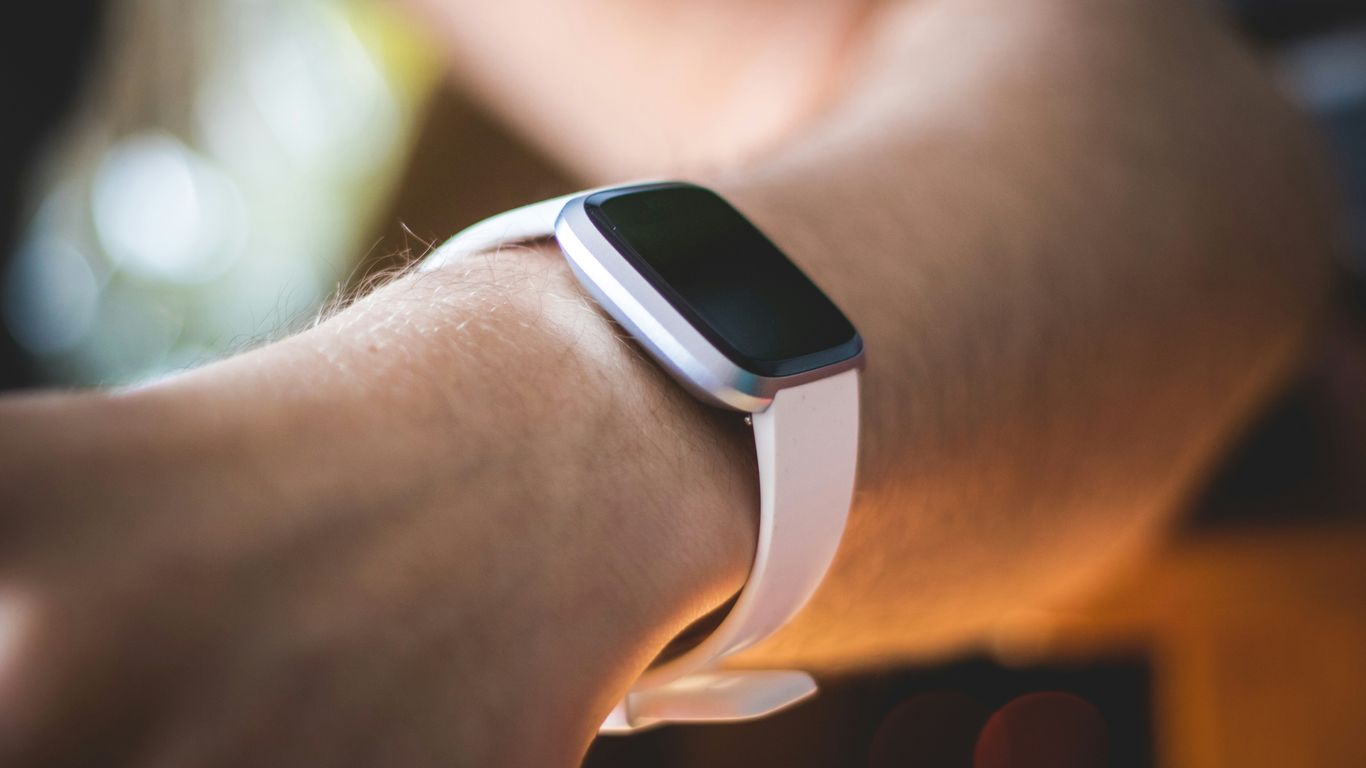
So, can you actually check your blood pressure with a Fitbit right now? The short answer is no, not directly. Fitbit hasn’t released a device with built-in blood pressure monitoring capabilities just yet. It’s a feature they’ve been working on, and they’ve even filed patents for the technology. Think of it like a really promising project in the works, but not quite ready for prime time.
Fitbit’s Blood Pressure Study
Fitbit did launch a study back in April 2022 to look into how their technology might work for blood pressure. The idea is to use something called Pulse Arrival Time (PAT), which measures how long it takes for your pulse to get from your heart to your wrist. They’re combining this with other sensor data. However, results from this study haven’t really been made public, so we don’t have a clear picture of what they found yet. It’s still in the research phase, trying to figure out if this method is accurate enough for everyday use.
Is Fitbit Blood Pressure Available Now?
As of today, March 13, 2026, you can’t buy a Fitbit that measures your blood pressure straight out of the box. While they have the patent and are developing the tech, it’s not something you can find on store shelves. This is partly because getting medical devices approved is a big hurdle. Companies often stick to
The Future of Fitbit Blood Pressure Monitoring
So, what’s next for Fitbit and blood pressure? It’s a pretty exciting area, honestly. While you can’t get a blood pressure reading straight from a Fitbit watch right now, the company has been working hard behind the scenes. They’ve actually patented a way to measure blood pressure using the sensors already in their devices, combined with a new force sensor. The idea is to use something called Pulse Arrival Time (PAT) – basically, how long it takes for your pulse to travel from your heart to your wrist. By measuring this time and combining it with other data, they think they can get a good estimate of your blood pressure without needing that bulky cuff.
Fitbit’s Patent for Blood Pressure
This patent is a big deal. It shows Fitbit is serious about bringing this feature to users. The technology they’re developing aims to be non-invasive, meaning no more squeezing your arm. You’d likely just press your finger on a sensor, and the watch would do the rest. It’s a clever approach that could make tracking your blood pressure as easy as checking the time.
Potential Release Timeline
Now, the million-dollar question: when can we actually get our hands on this? That’s the tricky part. Getting something like a blood pressure monitor approved by regulatory bodies, like the FDA, takes time and a lot of testing to make sure it’s accurate. Companies often start with ‘wellness’ features that don’t need such strict approval. Fitbit has been doing studies, and while some reports hinted at a possible release in early to mid-2024, there’s no official word yet. It’s a complex process, and they’ll want to get it right before launching.
Impact on Health Management
If Fitbit does manage to roll out this feature, it could really change how people manage their health. Imagine having a constant, easy way to keep an eye on your blood pressure right from your wrist. This kind of data could help people spot trends, have more informed conversations with their doctors, and generally be more proactive about their heart health. It’s all about making health information more accessible, and this would be a huge step in that direction.
Maximizing Your Health Data with Fitbit
Even though Fitbit doesn’t have built-in blood pressure tracking right now, you can still get a lot out of your device for overall health management. It’s all about how you combine the data it does collect with other tools and services. Think of your Fitbit as one piece of a bigger health puzzle.
Integrating External Blood Pressure Devices
Since Fitbit can’t measure blood pressure directly yet, the best way to get that information into your health picture is by using a separate blood pressure monitor. Many modern monitors, like those from Omron, can sync their readings to a smartphone app. This is where the real magic happens for consolidating your data.
Here’s a simple way to get started:
- Check your monitor’s app: See if your blood pressure device’s app has an option to export data or connect with other health platforms.
- Look for Google Fit compatibility: Many devices can send data directly to Google Fit.
- Manual entry: If direct syncing isn’t an option, you can often manually log your readings in a health app.
Using Google Fit as a Health Hub
Google Fit is a fantastic tool for bringing all your health information together. It acts like a central dashboard where you can see data from different sources. You can connect your Fitbit to Google Fit to pull in your activity, sleep, and heart rate data. Then, if your blood pressure monitor syncs with Google Fit, you’ll have your blood pressure readings right there alongside your Fitbit stats. This gives you a much more complete view of your health without having to jump between multiple apps. It’s a pretty neat way to keep track of everything, especially if you’re managing conditions like hypertension. You can sync your Fitbit data with Apple Health too, if that’s your preferred platform.
Complementary Fitbit Health Metrics
While you’re waiting for Fitbit’s own blood pressure feature, remember all the other valuable data your device collects. Things like your resting heart rate, heart rate variability (HRV), sleep stages, and activity levels all paint a picture of your cardiovascular health and stress levels. For instance, a consistently high resting heart rate or a significant drop in HRV might be worth discussing with your doctor, even if your blood pressure readings are normal. These metrics, when viewed alongside your manually logged or synced blood pressure data, can provide deeper insights into your body’s responses to lifestyle changes, exercise, and stress. It’s about using every bit of information available to make informed decisions about your well-being.
Accuracy and Reliability Considerations
Research on Pulse Arrival Time Accuracy
So, how good is this Pulse Arrival Time (PAT) thing at actually telling us what our blood pressure is? Researchers are looking into it pretty hard. Studies have shown that PAT can be a decent indicator, but it’s not perfect. Think of it like this: it can give you a good idea, but it might not be as precise as the cuff method doctors use. Some research suggests a relationship between PAT and blood pressure, but it’s not always a straight line. Factors like how your blood vessels behave and even your stress levels can mess with the timing. It’s a promising area, for sure, but there’s still work to do to make sure it’s consistently reliable for everyone.
Regulatory Hurdles and FDA Approval
This is a big one. If Fitbit wants its blood pressure feature to be seen as a medical tool, it needs the green light from the Food and Drug Administration (FDA). Getting FDA approval is a long and complicated process. They need to be absolutely sure the device is safe and accurate. Companies often try to avoid this by marketing features as "wellness" tools, which don’t require the same level of scrutiny. But for something as important as blood pressure, which is a major health indicator, the FDA’s involvement is pretty much a given if it’s going to be used for serious health tracking. This is one of the main reasons why we haven’t seen this feature roll out yet.
Ensuring Data Accuracy with Wearables
Even with the best technology, how you wear your Fitbit makes a difference. For heart rate, which is related to blood pressure monitoring, wearing it too loose or too tight can throw off readings. It needs to be snug enough to stay in contact with your skin, but not so tight that it cuts off circulation. Also, things like cold weather can affect blood flow to your wrist, potentially impacting measurements. The way you move, your body’s unique responses, and even the specific activity you’re doing can all play a role in how accurate the data is. It’s why Fitbit often suggests wearing the device a finger’s width above your wrist bone for general wear and a bit higher and snugger during workouts. For blood pressure, these little details will likely be just as important.
Wrapping Up: What’s Next for Fitbit and Blood Pressure?
So, where does that leave us with Fitbit and blood pressure tracking? Right now, you can’t get a direct blood pressure reading from your Fitbit. The company has been working on this, even filing patents for how it might work using sensors in the watch itself. It’s a cool idea, aiming to make checking your blood pressure as easy as checking your heart rate. But, it seems like getting it right, and getting it approved by places like the FDA, is taking some time. For now, if you need to track your blood pressure, you’ll still need a separate cuff. You can, however, use apps like Google Fit to bring that data together with your Fitbit’s heart rate and activity info for a bigger picture of your health. It’s definitely something to keep an eye on, though, as wearable tech continues to evolve.
Frequently Asked Questions
Can my Fitbit actually measure my blood pressure right now?
Not yet! Fitbit is working on a way to measure blood pressure using special sensors, but it’s not a feature available on their devices today. They’ve done studies and have patents, but it’s still in the development phase.
What is blood pressure and why is it important to track?
Blood pressure is the force of blood pushing against your artery walls as your heart pumps it around your body. It’s shown as two numbers, like 120 over 80. Tracking it is super important because high blood pressure often has no signs but can lead to serious health problems like heart disease or strokes.
How does Fitbit plan to measure blood pressure without a cuff?
Fitbit is exploring a cool new method that doesn’t need a bulky cuff. They plan to use sensors that measure the force on your finger and light sensors (like those for heart rate) to figure out your blood pressure. It’s all about making it easier and more convenient.
When will Fitbit’s blood pressure feature be available?
That’s the big question! Fitbit has been researching this for a while, and while they have patents and have conducted studies, there’s no official release date yet. It might be a while before it’s ready for everyone.
Can I still use my Fitbit to help manage my blood pressure now?
Yes, you can! While Fitbit can’t measure blood pressure directly yet, you can use it alongside a separate blood pressure monitor. By syncing your readings from a different device to an app like Google Fit, you can keep all your health info, including blood pressure, in one place.
How accurate is the new technology Fitbit is developing for blood pressure?
The technology Fitbit is looking into, called Pulse Arrival Time (PAT), is still being studied. Some research suggests it might not be perfectly accurate for measuring blood pressure on its own. Fitbit needs to do more studies and get approval from groups like the FDA to make sure it’s reliable before it can be released.