So, it looks like the US is going to need a lot more electricity, and sooner than we thought. For a while there, our electricity use was pretty steady, not changing much year to year. But things are shifting. Big time. New tech, like massive data centers and all the stuff that powers artificial intelligence, plus a general uptick in industry and heating/cooling needs, means we’re looking at a significant rise in how much power we use. This article breaks down what’s happening with electricity demand in the US, looking at the trends and what we can expect for 2026 and beyond.
Key Takeaways
- US electricity demand is seeing a surprising comeback, moving past previous flat periods to reach new highs.
- Data centers and the growing use of AI are major new drivers pushing electricity consumption up significantly.
- The commercial and industrial sectors are leading the charge in increased electricity use, with residential demand also seeing changes.
- Forecasts for electricity demand growth have been revised upwards, indicating a faster pace than previously expected.
- Meeting this rising demand will require more power generation, upgrades to transmission lines, and a focus on grid reliability.
Understanding the Resurgence in Electricity Demand US
Rebound From Previous Declines
For a while there, it felt like US electricity demand was just kind of… flatlining. Between the mid-2000s and the early 2020s, we saw pretty much no real growth. This was a mix of things, like efficiency improvements making our appliances and buildings use less power, and the economy shifting away from heavy manufacturing towards service industries, which generally need less electricity. But that picture is changing, and fast. After a dip in 2023, likely due to milder weather, demand bounced back in 2024, even surpassing the previous high set in 2022. We’re now looking at an average annual growth rate of around 2% for the next few years, which is a pretty significant upward revision from earlier predictions.
Impact of Weather and Economic Factors
It’s not just one thing driving this comeback. Weather plays a big role, especially those hotter summers we’ve been having. More air conditioning means more electricity use, plain and simple. On top of that, the economy seems to be picking up steam. With forecasts showing stronger GDP growth through 2027, businesses are expanding, and that often translates to higher energy consumption. Think about it: more economic activity usually means more factories running, more offices operating, and more services being provided, all of which need power.
Historical Context of Flat Demand
It’s easy to forget, but for nearly two decades, electricity demand in the US was remarkably stable. While population and the economy grew, gains in energy efficiency and shifts in industrial output helped keep overall consumption in check. Many industries that were big energy users moved overseas or became more efficient. Plus, the rise of the service sector, which is less energy-intensive than manufacturing, also contributed to this period of flat demand. So, this recent uptick isn’t just a blip; it’s a noticeable shift away from a long-standing trend.
Key Drivers of Future Electricity Demand US
So, what’s making the US want so much more electricity these days? It’s not just one thing, but a few big players are really pushing demand up. After years where electricity use stayed pretty much the same, we’re seeing a definite uptick, and it looks like this is the new normal.
The Exponential Growth of Data Centers
These places are basically giant computer rooms, and they need a ton of power to keep running 24/7. Think about all the streaming, cloud storage, and online services we use – that all happens in data centers. As more businesses and people rely on digital stuff, these centers have to get bigger and use more electricity. It’s a huge part of why demand is climbing.
Artificial Intelligence Workloads and Consumption
This is a newer, but rapidly growing, factor. AI, especially the kind that powers things like ChatGPT or complex research, requires massive amounts of computing power. Training these AI models and running them takes a serious electrical toll. We’re talking about specialized chips and servers that are power-hungry. As AI becomes more common in everything from business operations to scientific discovery, its electricity needs are going to keep climbing.
Industrial Sector Expansion and Manufacturing
While manufacturing has shifted over the years, there’s a renewed push, especially in areas like semiconductor production. Building new factories, especially those making advanced electronics, requires a lot of electricity to power the machinery and maintain clean environments. This industrial growth, combined with other manufacturing activities, is adding a significant chunk to the overall electricity demand picture.
Sector-Specific Demand Projections
When we look at where all this extra electricity is going, it’s not just one big blob. Different parts of the economy are using more power for different reasons. It’s pretty interesting to see how things are shaking out.
Commercial Sector’s Leading Role
The commercial sector is really stepping up as a major electricity user. A big chunk of this is thanks to the explosion of data centers. These places need a ton of power 24/7 to keep servers running and cool. Think about all the online services, cloud computing, and digital storage we rely on – it all adds up. Plus, with the rise of artificial intelligence, those AI workloads are incredibly power-hungry, requiring even more specialized computing infrastructure.
Industrial Sector’s Growing Needs
Don’t count out the industrial sector, though. Manufacturing is picking up, and some new facilities, like those making semiconductors, are really big energy users. As the economy grows and we see more advanced manufacturing come online, this sector’s electricity demand is expected to climb steadily. It’s a shift from the past where some manufacturing moved overseas; now, there’s a renewed focus on domestic production.
Residential Sector Trends
On the residential side, things are a bit more stable. While more homes are getting smart devices and people are using more electronics, efficiency improvements in appliances are helping to keep demand in check. Electrification efforts, like more people switching to electric heating and electric vehicles, will likely add to residential demand over time, but for now, it’s growing at a slower pace compared to the commercial and industrial sectors. Weather still plays a big role here, with hot summers driving up air conditioning use.
Here’s a quick look at the projected average annual growth rates for electricity sales:
| Sector | Projected Growth (2025-2027) |
|---|---|
| Commercial | ~2.6% |
| Industrial | ~2.1% |
| Residential | ~0.7% |
Forecasting Electricity Demand US: 2025-2027 and Beyond
So, what’s the big picture for how much electricity the US will use in the next few years? Well, it looks like we’re heading for some new records. After a long stretch where electricity use stayed pretty much the same for years, things are changing. The U.S. Energy Information Administration (EIA) is now saying that electricity demand is going to keep climbing through 2026, and likely beyond, surpassing the highs we saw in 2024.
Upward Revisions to Growth Forecasts
It’s not just a little bump either. The projections for how much electricity demand will grow have been bumped up. Back in early 2024, forecasts were looking at about 1% growth for 2025-2026. Now, the updated outlook expects an average annual growth rate of around 2% for 2025-2027. That might not sound huge, but it means we’re talking about roughly 100 billion kilowatt-hours more electricity needed in 2026 compared to what was predicted just a year ago. A big reason for this upward adjustment is the booming data center sector, plus a generally stronger economic outlook.
Projected Annual Growth Rates
Let’s break down where that growth is expected to come from:
- Commercial Sector: This is leading the charge, with forecasts showing average annual growth around 2.6% between 2020 and 2026. This includes a significant chunk from data centers.
- Industrial Sector: Also seeing solid increases, with projected average annual growth of about 2.1% during the same period. New manufacturing plants, especially those making things like semiconductors, are big contributors.
- Residential Sector: This part is a bit more stable, expected to grow by about 0.7% on average. While things like electric heating and more people might push demand up, energy efficiency improvements are helping to balance that out.
Surpassing Previous Consumption Peaks
This upward trend means we’re looking at a significant shift. The period from the mid-2000s to the early 2020s was marked by relatively flat electricity demand. This was largely due to efficiency gains and a move away from heavy industry towards service-based economies. However, the current surge, driven by factors like data centers, AI, and increased industrial activity, is pushing consumption past those previous peaks. We’re entering a new era where electricity demand is expected to be a defining characteristic of the US power system for the foreseeable future.
Implications for the US Power System
So, with all this talk about electricity demand going up, especially with data centers and AI chugging along, what does it actually mean for the folks who run the power grid? It’s not exactly a simple "plug and play" situation. We’re talking about some pretty big challenges that need sorting out.
Need for Increased Generating Capacity
First off, we just need more power. Plain and simple. The old forecasts didn’t account for this surge, and now we’re playing catch-up. Think about it: more data centers, more electric vehicles charging, and even just more people using electricity means the generators have to work harder, or we need new ones. It’s like trying to fill a bathtub with a trickle when you suddenly need a flood.
- New power plants are definitely on the table. This includes everything from natural gas, which is still a workhorse for meeting peak demand, to more renewables like solar and wind. Nuclear power is also being discussed more seriously as a steady, carbon-free source.
- The pace of adding new capacity is key. We can’t wait years for new plants to come online if demand is jumping in months. This is where things get tricky.
- Balancing different energy sources becomes more important than ever to make sure we have enough power when we need it, no matter the weather.
Transmission Infrastructure Challenges
Even if we build all the new power plants in the world, getting that electricity to where it’s needed is a whole other headache. Our transmission lines, the highways for electricity, are often old and can’t handle the increased flow. Plus, building new lines is a slow, complicated process with a lot of red tape.
- Congestion is becoming a bigger problem. This means electricity can’t flow freely, leading to higher prices in some areas and potential brownouts.
- Interconnection queues are overflowing. Companies wanting to build new solar farms or battery storage facilities are waiting years just to get permission to connect to the grid.
- Upgrading existing lines and building new ones is a massive undertaking, requiring significant investment and time.
Reliability and Grid Modernization
All of this puts a strain on the grid’s reliability. We want the lights to stay on, right? But with aging infrastructure and the added stress of unpredictable demand spikes, keeping the system stable is getting tougher. This is why grid modernization isn’t just a buzzword; it’s a necessity.
- Smart grid technologies are needed to better manage electricity flow and respond to issues quickly.
- Energy storage solutions, like large-scale batteries, are becoming vital to store excess power and release it when demand is high or when renewable sources aren’t generating.
- Better forecasting tools are essential to predict demand more accurately, especially with the rise of AI workloads that can be quite intense and constant.
The Role of Electrification and Efficiency
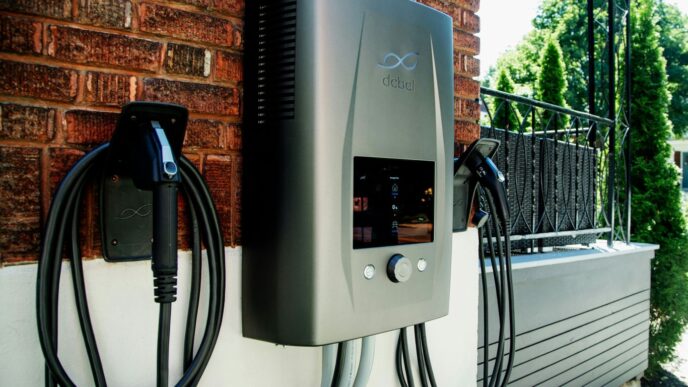
So, we’re seeing a big shift where more and more things are running on electricity instead of gas or other fuels. This is what folks call "electrification," and it’s a major player in why electricity demand is going up. Think about electric cars becoming more common, or homes switching to electric heat pumps. These are all big consumers of electricity.
Electrification of Transportation and Heating
This trend is really picking up steam. More people are buying electric vehicles (EVs), and that means more charging happening, which uses a lot of power. On the home front, electric heating systems, like heat pumps, are replacing older, less efficient gas furnaces. While this is great for reducing emissions in the long run, it definitely adds to the overall electricity load, especially during those cold winter days when everyone’s heating is running full blast.
Offsetting Gains from Energy Efficiency
Now, you might think, "What about energy efficiency?" And that’s a good question. We’ve gotten much better at using less energy for the same tasks over the years. Appliances are more efficient, buildings are better insulated, and industrial processes are smarter. These improvements help to slow down the growth in electricity demand. However, the push for electrification is happening so fast that, in many cases, the new demand from EVs and electric heating is actually outweighing the savings from efficiency measures. It’s like trying to bail out a leaky boat – efficiency is plugging some holes, but electrification is pouring more water in.
Corporate Energy Procurement Strategies
Businesses are also part of this picture. With electricity becoming more central to operations, companies are paying closer attention to how they buy and use power. This means looking at long-term contracts for electricity, often from renewable sources, to manage costs and meet sustainability goals. Some are also exploring ways to shift their electricity use to off-peak hours, which can help balance the grid and potentially lower their bills. It’s a complex dance of managing rising costs, ensuring reliable power, and trying to be green.
Wrapping Up: What’s Next for US Electricity?
So, it looks like electricity use in the US is really picking up steam, going way beyond what we saw for a long time. Things like data centers and all the buzz around AI are big drivers, and the grid is feeling the pressure. It’s a big job for everyone involved – the folks making the rules, the power companies, and the businesses that use a lot of electricity – to make sure we have enough power that’s reliable, without messing up our climate goals. How we handle these next few years with the grid will really set the stage for what happens with energy costs, how dependable our power is, and our progress on climate for years to come.