We’ve all seen those shiny new gadgets that promise to change our lives. Sometimes they do, but other times, well, they just don’t quite hit the mark. This article looks at some of the biggest names in tech that put out products that ended up being total flops. From phones that literally caught fire to glasses that made people feel awkward, these failed tech products offer some interesting lessons.
Key Takeaways
- Google Glass faced issues with privacy concerns, a high price, and an awkward social perception, leading to its discontinuation.
- The Samsung Galaxy Note 7 was a notorious failure due to its exploding batteries, causing massive recalls and damaging the brand’s reputation.
- Some tech products, like the Apple Newton and IBM PCjr, were simply ahead of their time or had fundamental flaws that prevented market success.
- Brand extensions can go wrong when a product doesn’t align with the company’s core image, like Colgate’s frozen dinners or Harley Davidson’s perfume.
- Even established tech giants can stumble, as seen with BlackBerry’s struggle to adapt and the short-lived, over-engineered Juicero Press.
When Wearable Tech Went Wrong
It feels like just yesterday we were all talking about the future of wearable tech, right? We imagined sleek gadgets that would make our lives easier, cooler, and maybe even a little bit like science fiction. But sometimes, innovation takes a wrong turn, and what looks like the next big thing ends up being a spectacular flop. That’s exactly what happened with some of the early attempts at wearable technology.
Google Glass: Privacy Concerns and a High Price Tag
Google Glass was supposed to be revolutionary. Think of it: a pair of glasses that could show you information right in your line of sight, take pictures, and even record video, all controlled by your voice. Sounds pretty neat, huh? The reality, though, was a bit more complicated. For starters, the price tag was a whopping $1,500. That’s a lot of cash for something that wasn’t exactly clear on what problem it was solving for the average person. Plus, let’s be honest, the look wasn’t exactly winning any fashion awards. Many people felt it made wearers look a bit out of touch, like a character from a dated sci-fi movie.
But the biggest hurdle? Privacy. Because Glass could record video so easily, people felt like they were constantly being watched or filmed without their knowledge. This led to some pretty awkward situations, like being banned from certain places. It was a classic case of technology looking for a problem to solve, rather than solving a problem people actually had. Despite Google’s plans to keep developing it, the initial launch of Google Glass is definitely one of those peculiar inventions that didn’t quite make it [3748].
The Uncomfortable ‘Glasshole’ Phenomenon
Beyond the technical and financial issues, Google Glass also created a social awkwardness that was hard to ignore. The term ‘Glasshole’ started popping up, describing someone who wore the device and acted like they were superior or just generally annoying because of it. It wasn’t just about the tech itself, but how people used it and how it made others feel. Imagine trying to have a conversation with someone whose eyes kept darting around, processing information you couldn’t see, or worse, filming you without you realizing it. It created a barrier, a sense of unease that really hampered its adoption. This social friction, combined with the privacy worries and the high cost, made Google Glass a prime example of how even a big company can stumble in the wearable tech space.
Explosive Smartphone Failures
Samsung Galaxy Note 7: A Battery That Caught Fire
When the Samsung Galaxy Note 7 hit the market back in August 2016, all the hype was huge—people genuinely expected it to be the top phone of the year. The design looked great, the reviews were glowing, and even the preorder numbers were through the roof. Then the headlines started rolling in: phones catching fire, sometimes outright exploding. Pretty scary stuff.
The real culprit? A battery defect. The batteries were crammed in too tight, and when that lithium-ion cell got squeezed or punctured, chemical reactions inside overheated the phone—sometimes so much that it burst into flames. It wasn’t just a few reports either. Airlines even asked people not to use or charge the Note 7 on planes! The situation got so bad, Samsung initiated a massive recall.
Here’s a quick look at what happened:
| Timeline | Event |
|---|---|
| August 2016 | Galaxy Note 7 launches with strong sales |
| September 2016 | First reports of phones overheating and catching fire |
| September 2016 | Samsung announces first global recall of all units |
| October 2016 | Replacement units also reported catching fire |
| October 2016 | Samsung halts all production and recall escalates |
This wasn’t just a small recall either. Millions of devices were pulled from store shelves. Samsung ended up losing billions and loads of trust from the public.
Recalls and Reputation Damage for Samsung
After the firestorm (literally), Samsung had a lot to fix. The massive recall hit their bottom line hard, sure, but it also damaged how people felt about the brand. For years, Samsung was constantly reminded of the whole Note 7 fiasco. People started to:
- Second-guess buying new Samsung phones out of fear of "another Note 7"
- Make jokes on social media ("Bomb-proof cases!" was a popular one)
- Question safety standards for all phone manufacturers
They responded by tightening safety checks and making a big deal about their 8-point battery inspection. Eventually, the company did repair its standing with customers, but it wasn’t easy. The whole episode is a not-so-friendly reminder that sometimes, pushing out a new gadget too fast can really backfire.
Pioneering Devices That Didn’t Catch On
Sometimes, the future arrives a little too early, or maybe it’s just not quite ready for prime time. This section looks at some of those ambitious gadgets that tried to break new ground but, for whatever reason, just didn’t stick.
Apple Newton: Ahead of Its Time or Simply Flawed?
Back in the early 90s, before smartphones were even a thing, Apple tried to give us a glimpse of the future with the Newton MessagePad. It was a personal digital assistant, or PDA, that you could write on with a stylus. Pretty neat, right? It had some cool features, like being able to sync with your computer and even recognize handwriting. However, that handwriting recognition was, let’s just say, a bit hit-or-miss. Sometimes it got what you wrote, and sometimes it just made up its own words. Plus, it was pretty expensive for the time, and the battery life wasn’t exactly stellar. Apple sold about 50,000 of them in the first four months, which sounds like a lot, but for a big company like Apple, it wasn’t enough. They eventually stopped making them in 1998. It was a bold idea, but maybe the technology just wasn’t quite there yet, or perhaps the market wasn’t ready for a device like that. It’s a classic example of a product that was ahead of its time, but ultimately couldn’t find its footing.
The IBM PCjr’s Stumble in the Market
In 1984, IBM, a company known for its serious business computers, decided to jump into the home computer market with the PCjr. They wanted a piece of that growing pie, especially with competitors like the Commodore 64 doing so well. The PCjr was supposed to be user-friendly and affordable, aimed at families and students. It had some neat features for its time, like improved graphics and sound compared to earlier IBM PCs, and it could even run some popular software. But, oh boy, did it have problems.
- Keyboard Woes: The original
Gaming Consoles That Missed the Mark
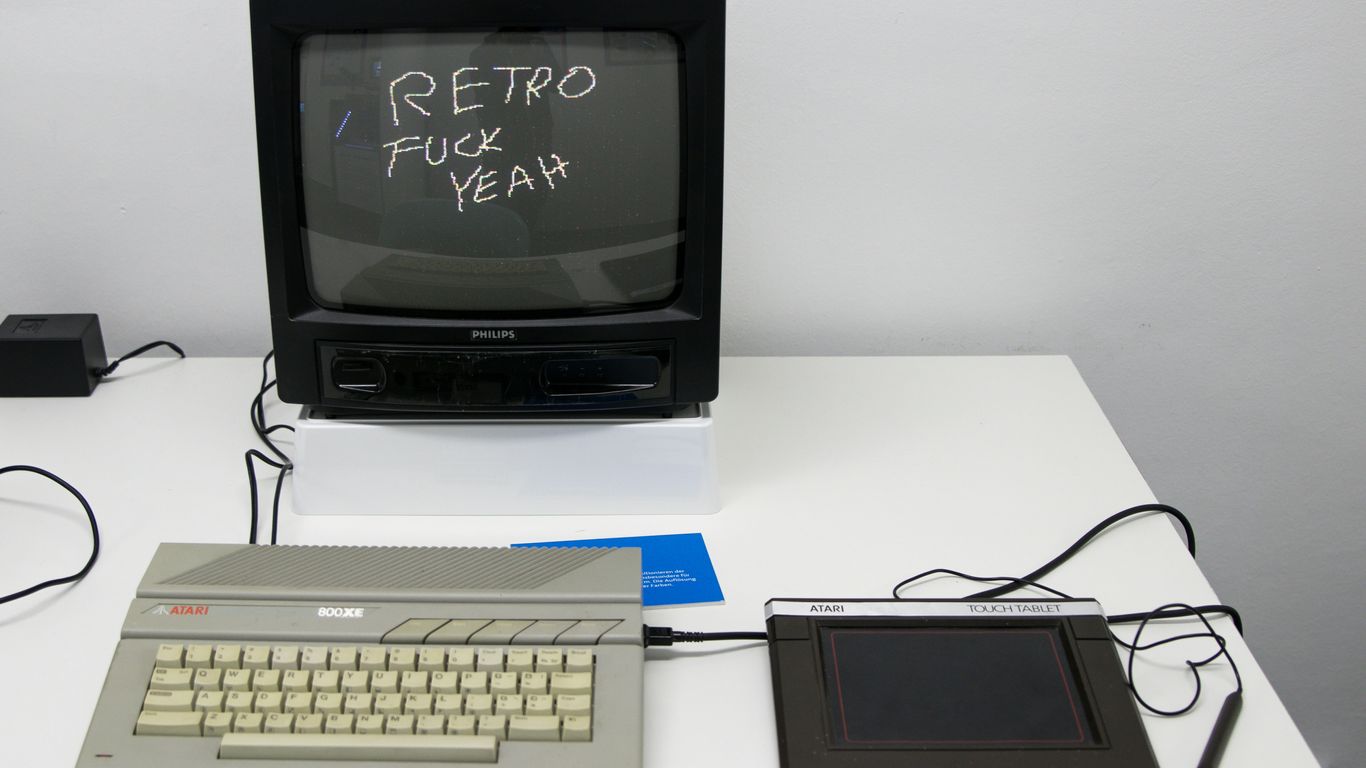
Sometimes, even the biggest names in tech swing and miss, especially when it comes to the competitive world of video game consoles. The ’90s, in particular, seemed to be a testing ground for some truly ambitious, yet ultimately doomed, hardware. It’s a tough market, and not every console can be a PlayStation or an Xbox.
Philips CD-i: A Commercial Disaster for Gaming
Philips really tried to make a splash with their Compact Disc Interactive (CD-i) console, launched in 1991. The idea was to have a machine that could do more than just play games – think educational software, music, and even interactive movies. Sounds pretty good, right? Well, the reality was a bit different. The graphics were often clunky, and the game library, while featuring some recognizable names like The Legend of Zelda and Mario, were notoriously bad. Many of these games are still cited today as some of the worst ever made. The controller was also a bit of a mess, making gameplay a chore. For a machine that was supposed to compete with the Sega Genesis and Super Nintendo, it just didn’t have the horsepower or the quality games to back it up. Philips ended up losing a staggering amount of money, over a billion dollars, on this venture. It’s a prime example of a product that aimed for too much and delivered too little.
The Virtual Boy’s Red and Black Blunder
Nintendo, a company known for its gaming triumphs, had a major stumble with the Virtual Boy in 1995. This was their attempt at early virtual reality, a portable console that you’d place on a stand and look into. The idea was to create an immersive 3D experience. However, it came with a few significant drawbacks. For starters, the games were only in red and black. This limited color palette, while perhaps a cost-saving measure, was visually jarring and led to a lot of eye strain for players. Seriously, people complained about headaches and blurry vision. It also wasn’t exactly portable in the way we think of it today; you couldn’t exactly play it on the bus. Despite Nintendo’s reputation, the Virtual Boy sold poorly, moving just over 770,000 units worldwide before being discontinued less than a year after its launch. It remains one of Nintendo’s biggest commercial failures in their long history.
The Perils of Brand Extension
Sometimes, companies get a little too excited about their brand name and try to slap it onto anything and everything. It’s like wearing the same outfit every single day – eventually, people get bored, or worse, confused. This is where brand extension goes wrong, and boy, have we seen some doozies.
Colgate’s Frozen Dinners: A Mismatch in Marketing
Okay, picture this: you’re brushing your teeth, thinking about minty freshness, and then BAM! You’re suddenly craving a TV dinner. That’s the disconnect Colgate ran into when they decided to launch a line of frozen meals back in the 1980s. Seriously, who associates toothpaste with a hot meal? It turns out, people don’t want their dental hygiene brand to also be their go-to for a quick supper. The marketing just didn’t make sense. You buy Colgate for a clean mouth, not for a side of mashed potatoes.
- The Core Problem: Consumers associate Colgate with oral care products, not food. This created a significant mental hurdle for potential buyers.
- Market Confusion: The brand’s established identity was completely at odds with the new product category.
- Lack of Trust: Consumers might have questioned the quality or safety of food from a company known for toothpaste.
Harley Davidson’s Perfume: An Unlikely Scent
Then there’s Harley Davidson. We think of roaring engines, leather jackets, and the open road, right? So, when they decided to release a line of perfumes and colognes, it felt like a bit of a stretch. It’s not that the scents were necessarily bad, but it just didn’t fit the rugged, rebellious image the brand had cultivated for decades. It’s like trying to sell a fluffy pink teddy bear at a monster truck rally – it just doesn’t quite land.
- Image Mismatch: Harley Davidson’s brand is built on power, freedom, and a bit of grit. Perfume doesn’t exactly scream "rebel yell."
- Target Audience Disconnect: The typical Harley Davidson enthusiast might not be looking for a floral or musky fragrance from their favorite motorcycle company.
- Dilution of Brand Identity: Trying to be too many things can weaken the core message and appeal of a strong brand.
When Software Couldn’t Deliver
Sometimes, even with the best intentions, software just doesn’t hit the mark. It’s like trying to build a house with a blueprint that’s missing a few key pages – you might get something standing, but it’s probably not going to be what you expected, or what anyone actually needs.
Google Wave: Collaboration That Failed to Launch
Google Wave. Remember that? It was supposed to be this big, revolutionary thing for online communication and collaboration back in 2009. Think email, instant messaging, wikis, and social networking all rolled into one. Sounds pretty neat, right? The idea was to create a dynamic space where people could work together on projects in real-time, sharing documents, photos, and conversations that all lived in one place. It was ambitious, for sure. But here’s the thing: it was also really confusing. People didn’t quite get what it was for, or how it fit into their existing digital lives. Was it an email client? A chat app? A document editor? It tried to be everything, and in doing so, it ended up being a bit of a mess for most users. The learning curve was steep, and the "aha!" moment never really arrived for the masses. Google eventually shut it down, admitting it didn’t catch on the way they hoped.
Microsoft Bob: An Interface Too Far
Then there’s Microsoft Bob, which came out in 1995. This was Microsoft’s attempt to make using a computer more friendly, especially for folks who weren’t super tech-savvy. Instead of the usual desktop icons, Bob presented users with a virtual house. You’d click on a door to open your email, a drawer for your files, or a character representing a friend to chat with. It was like stepping into a cartoon world. While the concept was cute, it was also incredibly inefficient. Navigating through a virtual living room just to send an email? It added way too many extra steps to tasks that were already pretty simple. Plus, it took up a lot of computer resources, which wasn’t great for the machines of the time. It was a noble idea, trying to simplify things, but it ended up being more of a hindrance than a help, and it quickly faded away.
The Decline of Mobile Giants
BlackBerry’s Struggle to Adapt to the Smartphone Era
Remember when everyone had a BlackBerry? It felt like that for a while, didn’t it? These phones were practically glued to the hands of business folks and anyone who wanted to feel important. With their physical keyboards and that super-secure BBM service, they really owned the market. In 2011, Research in Motion, as BlackBerry was then known, shipped over 50 million devices. That was the peak, though.
What happened? Well, they got stuck in their ways. While the rest of the world was falling in love with big, bright touchscreens, BlackBerry was still pushing those tiny keyboards. It was like showing up to a rave in a suit. Plus, their app store just couldn’t compete. By 2016, sales had dropped to a mere 4 million units a year. It’s a shame, really, because those devices did pave the way for the powerful smartphones we use today.
Motorola ROKR E1: An Early Attempt at Music Phones
Before the iPhone changed everything, the mobile phone world was a bit of a Wild West. Motorola tried to get in on the music craze with the ROKR E1 back in 2005. Partnering with Apple, it was one of the first phones to really try and integrate music playback, specifically iTunes. Sounds cool, right?
But here’s the thing: it was clunky. You could only store about 100 songs, and transferring them was a pain. It also had a terrible camera and was pretty slow. For a phone that was supposed to be about music, it really missed the mark. It was a sign of things to come, though, showing that phones could do more than just calls and texts, but the execution just wasn’t there yet. It was a step, but not a giant leap.
Disruptive Technologies That Crashed and Burned
Sometimes, the most ambitious ideas end up being the biggest flops. These are the products that promised to change the world, or at least our daily lives, with groundbreaking technology, but instead, they fizzled out, leaving behind a trail of disappointment and a hefty price tag for the companies involved. It’s a tough lesson in innovation: being first isn’t always best.
Theranos Edison Machines: A Promise of Revolutionary Blood Tests
Remember Theranos? This company burst onto the scene with a bold claim: to revolutionize blood testing with a single drop of blood. Their "Edison" machines were supposed to do hundreds of tests quickly and cheaply. It sounded amazing, right? People were excited, investors poured in millions, and the founder, Elizabeth Holmes, was hailed as the next Steve Jobs. But it was all smoke and mirrors. The machines didn’t work as advertised, and the company was actually sending samples to traditional labs for testing, hiding the truth from everyone. When the truth finally came out, it was a massive scandal. The company collapsed, Holmes was convicted of fraud, and it became a cautionary tale about hype versus reality in the tech and biotech world.
Juicero Press: An Over-Engineered Solution to a Simple Problem
This one still makes me scratch my head. Juicero was a high-tech juicer that cost a whopping $700. You’d buy these special juice packs, put one in the machine, and it would press the juice for you. Sounds fancy, but then a reporter found out you could just squeeze the juice packs by hand, and get the same result. Seriously, you could squeeze the bag and get your juice. The whole point of the expensive machine was completely undermined. It was a perfect example of creating a problem that didn’t exist and then selling a ridiculously complicated and costly solution. The company couldn’t survive the embarrassment and shut down pretty quickly.
So, What’s the Takeaway?
Looking back at all these tech flops, from Betamax tapes that just couldn’t compete to Google Glass that felt more like a science experiment than a gadget, it’s clear that even the biggest companies can miss the mark. Sometimes it’s about timing, sometimes it’s about price, and often it’s about whether people actually need what’s being offered. These products remind us that innovation is a tricky business. Not every bright idea catches on, and that’s okay. Maybe these failures actually paved the way for the tech we use and love today. Who knows? One thing’s for sure, though: the tech world keeps moving, and there will always be more gadgets to try, and probably, more to forget.
Frequently Asked Questions
What made Google Glass fail?
Google Glass was a cool idea, like smart glasses, but it was too expensive. People also worried about privacy because it could record things without others knowing. Plus, many thought it looked a bit silly to wear.
Why was the Samsung Galaxy Note 7 such a big failure?
This phone had a major problem: its batteries kept overheating and catching fire. Samsung tried to fix it by replacing the phones, but the new ones had the same issue. This led to a huge recall and a lot of damage to their reputation.
What was wrong with the Apple Newton?
The Apple Newton was an early attempt at a personal digital assistant. While it had some neat features for its time, it was often inaccurate, especially with its handwriting recognition. It was also quite expensive and didn’t do enough to convince people they needed it.
Why did the Philips CD-i fail as a gaming console?
The Philips CD-i was supposed to be a fun gaming machine, but its games were mostly bad. The graphics weren’t great, and the controls were hard to use. It just couldn’t compete with other consoles like the Super Nintendo or Sega Genesis.
Can you give an example of a brand extending too far?
Sure! Colgate, a company known for toothpaste, once tried to sell frozen dinners. It just didn’t make sense for people to buy food from a brand they associated with brushing their teeth. Similarly, Harley Davidson selling perfume was a bit of a strange mix.
What was the problem with Google Wave?
Google Wave was meant to be a new way for people to work together online. It had some interesting ideas, but it was complicated to use and didn’t really offer anything better than what people were already using. It never really took off.