
The Dawn Of The Satellite Age
It’s kind of wild to think about, but not that long ago, putting something into orbit around Earth was pure science fiction. People dreamed about it, wrote stories about it, but actually doing it? That was a whole other ballgame. The idea of a "satellite" – basically, something that follows another object – has been around for ages, with astronomers like Johannes Kepler using the term way back in the 1600s to describe moons. But it wasn’t until the mid-20th century that we figured out the physics, thanks to folks like Newton, to actually make it happen.
Sputnik: The First Artificial Satellite
Then, in 1957, the Soviet Union shocked everyone by launching Sputnik 1. This little metal sphere, beeping away as it circled the globe, was proof positive that we could put things into space. It wasn’t just a scientific achievement; it was the spark that ignited the Space Race. Suddenly, the US and the USSR were in a competition to see who could do more in space, and it changed everything.
Explorer 1: America Enters The Space Race
America didn’t wait long to respond. Just a few months later, in early 1958, they launched Explorer 1. This satellite was more than just a counter-move; it actually carried scientific instruments. It discovered the Van Allen radiation belts, which are basically zones of charged particles trapped by Earth’s magnetic field. Pretty neat for a first try, right?
Early International Contributions
While Sputnik and Explorer 1 got all the headlines, other countries weren’t just sitting around. France and Japan were among the first to launch their own satellites in the mid-1960s. China and the UK followed suit soon after. It showed that this wasn’t just a two-nation game anymore. By the late 1970s, even international groups like the European Space Agency were launching rockets, paving the way for bigger, more complex projects down the line. It was clear that space was becoming a global endeavor.
Pioneering Communication And Navigation
After Sputnik kicked things off, the real work began to figure out how satellites could actually do something useful for us down here. It wasn’t just about getting into orbit anymore; it was about making that orbit count.
Telstar 1: The First Active Communications Satellite
This was a big deal. Before Telstar 1, launched in 1962, most satellite ideas were pretty passive. But Telstar? It could actually receive, amplify, and retransmit signals. This meant it could relay live television broadcasts and phone calls across the Atlantic. Imagine the excitement! Suddenly, people in different continents could see and hear each other almost instantly. It was a huge leap from just bouncing radio waves around.
The Rise Of Global Navigation Systems
Remember trying to find your way with paper maps? Satellites changed all that. The groundwork for systems like GPS (Global Positioning System) was being laid. While the full GPS constellation took time, the idea was to have satellites constantly broadcasting signals. Your receiver on the ground just needed to pick up signals from a few of these satellites to figure out exactly where you were. It’s pretty wild to think that by the late 1970s and early 1980s, this technology was starting to become a reality, even if it wasn’t in everyone’s pocket yet.
Here’s a simplified look at how it works:
- Signal Transmission: Satellites send out precise timing and location data.
- Signal Reception: Your device (phone, car GPS) picks up these signals.
- Triangulation: By comparing signals from at least four satellites, your device calculates your exact position.
- Data Display: The calculated position is shown on a map or used by an app.
Geostationary Orbits For Constant Coverage
One of the cleverest ideas was figuring out how to keep a satellite in the same spot relative to the Earth. This is where geostationary orbits come in. Satellites in these orbits circle the Earth at the same speed the Earth spins, staying put over a specific point on the equator. Think of it like a fixed relay tower in the sky.
- Altitude: Around 22,300 miles (35,780 km) above the equator.
- Orbital Period: Exactly 24 hours, matching Earth’s rotation.
- Benefit: Provides continuous coverage for a specific region, perfect for broadcasting and communication.
This made things like TV broadcasting and long-distance phone calls much more reliable because the ground antennas didn’t have to constantly track a moving satellite. It was a game-changer for making satellite communication a practical, everyday thing.
Satellites Become Integral To Daily Life
It’s pretty wild when you stop and think about it, but satellites are basically running a lot of the background operations for our everyday lives now. We don’t even notice most of the time. Think about checking the weather forecast before you head out, or using your phone’s GPS to find your way around town. Those things rely on satellites working constantly, way up there.
Earth Observation And Scientific Discovery
Beyond just helping us get around, satellites are also our eyes in the sky for understanding our planet. They keep tabs on things like deforestation, track how sea levels are changing, and monitor pollution. This kind of information is super important, especially with climate change being such a big deal. New, smaller satellites are now able to capture this data all the time, giving scientists and different organizations updates almost as things happen. It’s like having a constant stream of information about Earth’s health.
The International Space Station: A Collaborative Hub
Remember the International Space Station (ISS)? That whole project was a massive step for countries working together in space. It’s not just a place for astronauts to hang out; it’s a research lab. They study all sorts of things up there, from how things behave in zero gravity to testing out new tech for future space missions. It really shows what can happen when different nations pool their resources and knowledge.
Ubiquitous Connectivity Through Satellite Technology
And then there’s the whole connectivity aspect. Satellites are now the backbone for getting high-speed internet to places that just don’t have good regular connections. These High-Throughput Satellites (HTS) are a big deal because they offer much faster data speeds. This is a lifesaver for people in rural or remote areas, and it even helps with things like streaming videos. It’s hard to imagine modern life without this constant connection, and satellites are making it happen.
Here’s a quick look at how satellites help us:
- Navigation: Providing precise location data for everything from car GPS to smartphone apps.
- Communication: Delivering internet and phone services to underserved areas.
- Environmental Monitoring: Tracking weather patterns, natural disasters, and climate changes.
- Scientific Research: Enabling studies in microgravity and Earth sciences from space.
The Modern Satellite Boom
It feels like just yesterday we were marveling at the first satellites, and now? We’re living in a full-blown satellite boom. Companies are launching these things like never before, and honestly, it’s changing how we do pretty much everything. The cost to get a satellite into orbit has dropped significantly, and the satellites themselves are getting smaller and more capable. This combination has opened the door for a lot more players to get involved in space.
CubeSats Democratize Space Access
Remember when sending something to space was only for governments or giant corporations? Well, that’s changing thanks to CubeSats. These are basically standardized, small satellites, often about the size of a coffee mug or a shoebox. Because they’re small and the launch costs are lower, universities, smaller companies, and even student groups can now design, build, and launch their own satellites. It’s really making space more accessible to a wider range of people and ideas.
- Lower Cost: Significantly cheaper to build and launch compared to traditional satellites.
- Standardization: Their uniform size and design make them easier to integrate onto launch vehicles.
- Innovation: Enables rapid prototyping and testing of new technologies and scientific instruments.
Starlink Revolutionizes Satellite Internet
If you’ve heard about super-fast internet from space, chances are you’ve heard of Starlink. SpaceX’s project is a massive constellation of thousands of satellites in low Earth orbit. The goal is to provide high-speed, low-latency internet to pretty much anywhere on the planet. This is a game-changer, especially for rural or underserved areas that have struggled with traditional internet options. It’s not just about streaming movies; it’s about connecting communities and businesses that were previously left behind.
Innovations In Satellite Technology And Applications
Beyond just internet, satellites are getting smarter and doing more. We’re seeing advancements in:
- Earth Observation: Satellites are providing incredibly detailed, real-time data about our planet, helping with everything from tracking climate change and managing natural resources to improving agricultural yields.
- Navigation: While GPS has been around, newer systems and more precise satellites are making navigation even more accurate and reliable.
- Communication: Beyond internet, satellites are crucial for global communication networks, supporting everything from emergency services to international business operations.
The sheer number of satellites being launched is staggering, with the global satellite market projected to continue its rapid growth. It’s clear that satellites are no longer just tools for exploration; they are becoming an indispensable part of our daily lives and the global economy.
The Future Of Communication Satellites
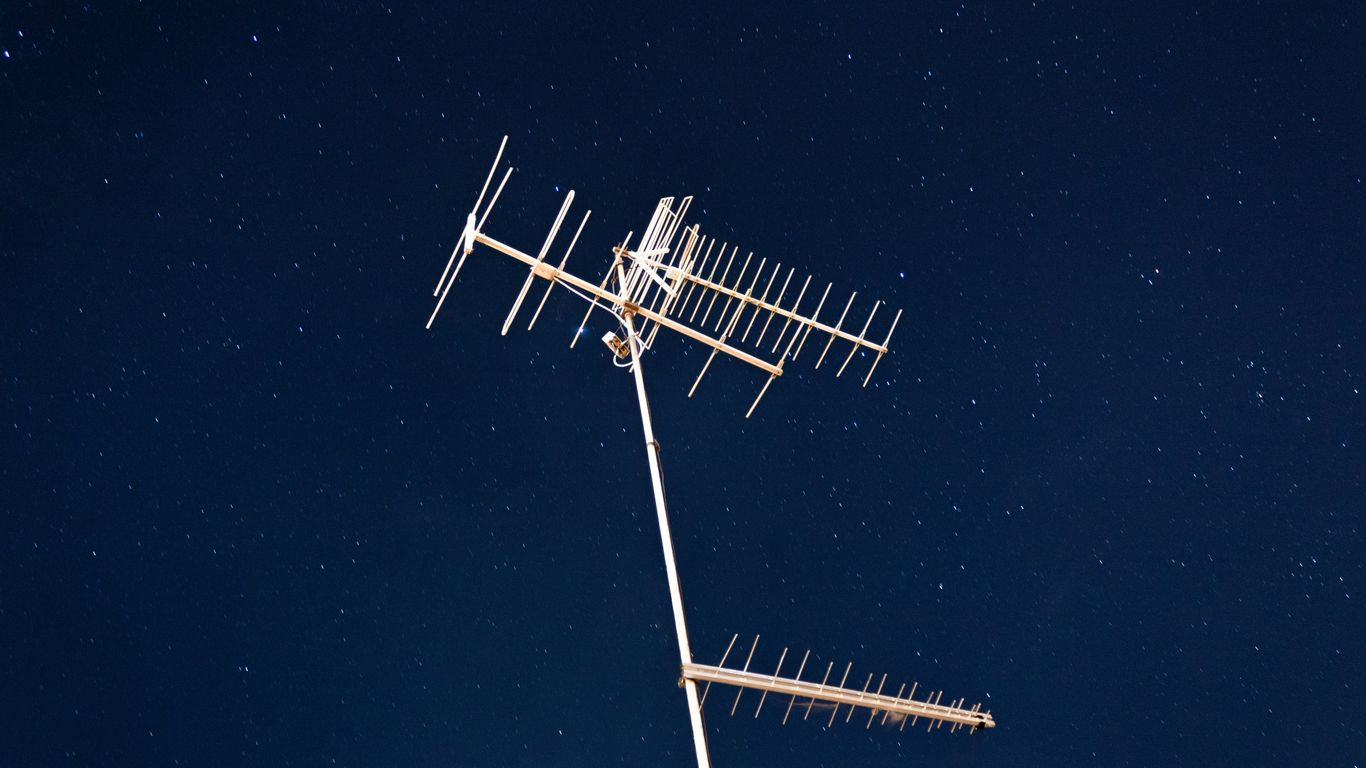
So, where are we headed with all these satellites zipping around? It’s pretty wild to think about, honestly. We’ve gone from a single beep from Sputnik to constellations of thousands of satellites. The next big push seems to be about making sure everyone, everywhere, can get online. Think about places that are super remote or just don’t have the infrastructure for regular internet cables – satellites are the answer there.
Expanding Global Internet Access
This is a huge one. Companies are launching more and more satellites, especially in lower orbits, to beam down internet. It’s not just about basic browsing anymore; they’re aiming for speeds that let you stream movies or video call without a hitch. It’s like bringing the internet to your doorstep, even if your doorstep is miles from the nearest town.
Advancements In Satellite Design And Functionality
Satellites themselves are getting smarter and smaller. We’re seeing these "CubeSats," which are basically tiny, affordable satellites that universities and smaller companies can use. They’re opening up space for all sorts of new ideas. Plus, the materials used to build them are getting tougher, able to withstand the harshness of space better. We’re also getting better computers for satellites, making them more powerful.
The Growing Satellite Market And Its Impact
Because it’s getting cheaper to launch and the satellites are getting smaller, more people are getting involved. This means more innovation. We’re not just talking about internet and TV anymore. Satellites are helping us track climate change, manage resources, and even improve navigation systems. It’s a whole ecosystem, and it’s growing fast. There are even companies building better "ground stations" – the places on Earth that talk to the satellites – to handle all the data coming down. It’s a busy time in orbit!
The Sky’s Not the Limit Anymore
So, we’ve come a long way from that first little beep from Sputnik. Satellites started as a big, bold statement, a race between nations. Now, they’re just… everywhere. They’re the quiet helpers behind our phones, our GPS, even how we get our news. It’s wild to think how much has changed, from those giant early machines to the thousands of tiny ones like Starlink zipping around us now. And it’s not slowing down. Companies are throwing serious cash at this stuff because, honestly, we just need more data, more connection, all the time. It’s pretty clear that these things in orbit aren’t just for scientists anymore; they’re basically running a lot of our lives down here. It’s going to be interesting to see what they come up with next.