Innovations Unveiled at Key Healthcare Simulation Events
This past year has been a whirlwind of activity, with major healthcare simulation events showcasing some seriously cool new tech. It feels like every conference brought something fresh to the table, pushing the boundaries of what’s possible in training.
Advancements in Virtual Reality Simulation for Nursing Education
Virtual reality (VR) is really starting to shine in nursing education. Platforms like UbiSim are making big strides, letting students step right into realistic hospital rooms. What’s neat is how customizable these scenarios are now. Educators can tweak everything, from basic skills practice to really complex, critical thinking challenges. This means training can be tailored specifically to what students need, which is a huge step up from one-size-fits-all approaches. They’ve even added new equipment integrations, like barcode scanners for medication checks, making the virtual experience that much more like the real deal.
New Patient Simulators and AI-Powered Features
Beyond VR, there’s a lot happening with physical patient simulators too. The EVO platform, for instance, is getting a lot of buzz for its high-fidelity and adaptable design. It can switch between different patient profiles, offering a wide range of clinical scenarios. Plus, it boasts realistic audio and visuals, and even voice modulation. On the AI front, systems like LearningSpace are integrating AI to make assessments smoother. Think automated scoring for things like SOAP notes, which can save educators a ton of time. It’s all about making the training process more efficient and focused.
Showcasing Cutting-Edge Solutions at Major Conferences
Major conferences like ASPE, AWHONN, and INACSL have been the launchpads for many of these innovations. At ASPE, the focus was on AI features for streamlined assessments. AWHONN saw the debut of simulators like Lucina and Luna, specifically designed for obstetric and neonatal care, allowing hands-on practice for complex deliveries and newborn emergencies. INACSL featured the versatile EVO platform and AI-enhanced LearningSpace. It’s clear these events are where the industry comes together to share what’s new and discuss how to improve healthcare training for everyone involved.
Elevating Clinical Training with Next-Generation Simulators
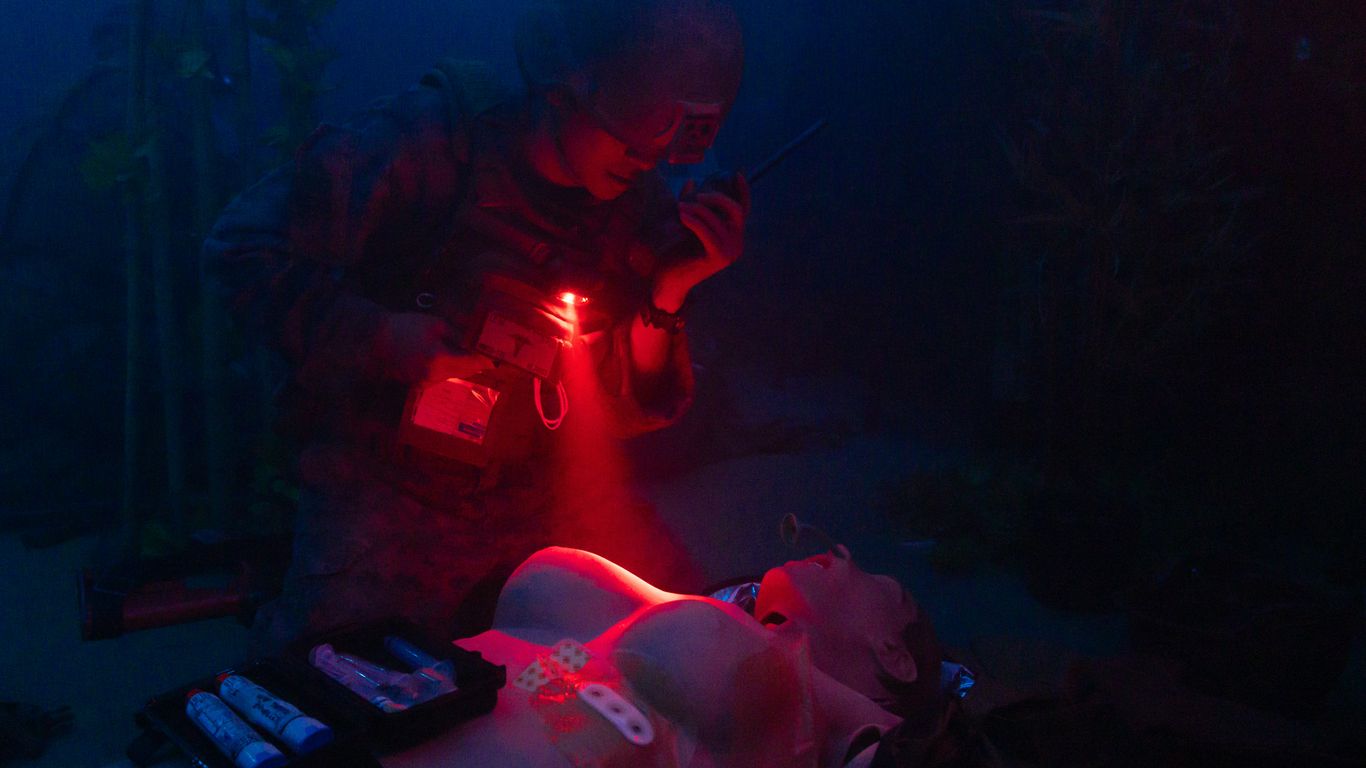
Training healthcare professionals today means giving them the most realistic practice possible. That’s where the latest simulators come in, pushing the boundaries of what’s achievable in a learning environment. These aren’t your old-school mannequins; they’re sophisticated tools designed to mimic real-world patient encounters with incredible detail.
The EVO Platform: Ultra-Fidelity and Adaptability
The EVO platform is a big step forward. It’s built to be super flexible, meaning you can switch out patient profiles to create all sorts of different clinical situations. Think about it: one simulator can become many different patients, saving space and resources. The audio and visuals are really lifelike, and the voice controls can change pitch and tone, making interactions feel more natural. Plus, it’s designed for quicker setup and less downtime for maintenance. It even gives you data on how it’s performing and can predict when it might need attention. This modular design means it can grow with your training needs over time.
Lucina and Luna: Enhancing Obstetric and Neonatal Care Training
For those focused on the critical areas of obstetrics and neonatal care, specialized simulators like Lucina and Luna are game-changers. These systems are specifically engineered to replicate the complexities of childbirth and newborn care. They allow trainees to practice a wide range of scenarios, from routine deliveries to high-risk emergencies, all in a controlled setting. This hands-on experience is vital for building the confidence and skills needed to handle these sensitive and high-stakes situations effectively. Practicing with these advanced simulators can significantly improve preparedness for real-life patient care.
Apollo: Building Confidence in Critical Care Scenarios
When it comes to critical care, every second counts. The Apollo simulator is designed to help trainees build that essential confidence when facing life-threatening situations. It provides a realistic environment for practicing advanced cardiac life support (ACLS), managing trauma, and responding to various medical emergencies. Trainees can work through complex patient cases, make treatment decisions, and see the immediate impact of their actions. This repeated practice in a safe space helps solidify knowledge and improve response times, ultimately preparing them to act decisively and competently when it matters most.
The Role of Technology in Shaping Future Healthcare Professionals
Technology is really changing how we train the next wave of doctors, nurses, and other healthcare workers. It’s not just about textbooks anymore; it’s about getting hands-on experience in ways that were impossible just a few years ago. Think about virtual reality – it’s becoming a big deal.
Immersive Virtual Reality for Realistic Clinical Scenarios
VR lets students step right into a simulated hospital room. They can practice everything from basic patient checks to dealing with really complicated emergencies. For example, platforms like UbiSim are letting educators build custom scenarios. This means they can make training specific to what their students need, whether it’s practicing safe medication checks with a barcode scanner or handling a patient needing a PICC line removed. It’s like a dress rehearsal for real life, but without any risk to actual patients. This kind of practice helps build confidence before they even start their first shift.
AI-Driven Features for Streamlined Assessments
Artificial intelligence is also making its mark. It’s helping to make the assessment process smoother. Imagine software that can analyze how a student performs in a simulation and then give educators clear feedback. This can help pinpoint areas where a student might need more practice. Some systems are even looking at ways to help with debriefing sessions, giving educators insights into how the whole group is doing. This means less time spent on paperwork and more time focused on teaching and learning.
Leveraging Simulation for Nurse Retention and Competence
With the current shortage of nurses, keeping them in the profession is super important. Simulation training plays a big part here. When new nurses feel well-prepared and confident in their skills, they’re more likely to stick with the job. Realistic training, especially in areas like obstetric and neonatal care with simulators like Lucina and Luna, or critical care with Apollo, helps build that competence. It gives them the experience they need to handle tough situations, which can make a huge difference in job satisfaction and, ultimately, retention. Better training leads to more confident and capable healthcare professionals, which benefits everyone.
Collaboration and Innovation in Healthcare Simulation Week 2025
Healthcare Simulation Week 2025 is all about bringing people together to make training better. It’s not just about new gadgets; it’s about how we can all work together to improve how we prepare future healthcare workers. This event is a prime spot for sharing ideas and building connections.
Partnerships Driving Meaningful Change in Healthcare
We’re seeing a lot of great work happen when different groups team up. For instance, companies are working with universities to make sure their simulation tools fit what students actually need. Think about how Carleton University and the University of Ottawa’s Nursing School Simulation Center are using new simulators to help train nurses for the country’s shortage. It’s about making sure the training tools help solve real problems.
Empowering Innovators with Resources and Support
Simulation Week is also a place where new ideas get a boost. Events like the SESAM INN Showcase act like a ‘Dragon’s Den’ for simulation projects. People get to pitch their ideas to experts and get feedback. It’s a chance to:
- Share your simulation idea with a wider audience.
- Get direct feedback from people who know the field.
- Meet others who might want to work with you or guide you.
- Potentially get some funding or recognition to keep your project going.
Fostering a Safe Environment for Idea Exchange
It’s important that everyone feels comfortable sharing their thoughts, even if they’re a bit out there. Simulation Week aims to create a space where people can talk openly about what works and what doesn’t. This kind of open discussion helps everyone learn. When teams reflect on what they’re doing well and what could be improved, like the engineering team did after the EVO launch, it leads to smarter, faster progress for everyone involved. It’s this kind of honest feedback loop that really drives innovation forward.
Preparing for Simulation Week 2025: Key Takeaways and Trends
So, you’re gearing up for Simulation Week 2025? It’s a big deal, and honestly, keeping up with all the new tech and ideas can feel like a lot. But don’t worry, we’ve got some pointers to help you make the most of it. Think of this as your cheat sheet for what’s really happening and what to look out for.
Insights from Customer Success Stories
We’ve seen some amazing things happen when educators really dive into using the latest simulation tools. For instance, the University of Buffalo found they could really tailor their VR scenarios with UbiSim’s updated editor, making learning way more specific to their students’ needs. And at Carleton University, they’re using simulation to help tackle Canada’s nursing shortage, training new nurses faster. These real-world examples show how simulation isn’t just a nice-to-have; it’s becoming a core part of solving big healthcare challenges. It’s inspiring to see how people are using these tools to make a real difference.
Practical Tools for Confident Training
Beyond the big picture, there are always smaller, practical things that make a huge difference in day-to-day training. We’ve noticed that things like knowing how to find your simulator’s IP address can save a ton of time when troubleshooting network issues. It’s the kind of tip that seems minor, but when you’re in the middle of a session, it’s a lifesaver. Also, keeping your support teams trained and up-to-date, like the customer support team did recently, means you get better help when you need it. It’s all about having the right information and support readily available.
The Importance of Simulation Technicians and Educators
It’s easy to get caught up in the technology itself, but let’s not forget the people making it all happen. The folks who plan, troubleshoot, and teach using these simulators are the real MVPs. Whether it’s a technician figuring out a tricky setup or an educator adapting a scenario on the fly, their skills are what make simulation work. Events like Simulation Week are great for them to share ideas and learn from each other. Remembering the human element behind the tech is key to successful simulation programs.
Exclusive Offers and Promotions for Simulation Week 2025 Attendees
Getting the latest simulation tech doesn’t have to break the bank. We know how important it is to have access to top-notch training tools, so we’ve put together some special deals just for you during Simulation Week 2025. These offers are designed to help you upgrade your simulation center and get the most out of your training programs.
Limited-Time Holiday Promotion for EVO
Looking to get ahead of the curve? We’re running a special promotion on our EVO platform, the newest in ultra-fidelity simulation. EVO is built to be flexible and powerful, adapting as your training needs change. This is a great chance to bring this advanced technology into your curriculum. To get the details on this limited-time offer, you’ll want to reach out to your TSM for a demo or more information. It’s a fantastic opportunity to invest in the future of your simulation training.
Trade-In Rebates for Legacy Simulators
Thinking about upgrading from an older model? We’ve got a deal that makes it easier than ever. For a limited time, you can trade in your Apollo simulator and get a significant rebate towards the purchase of the new EVO platform. This offer is available in the U.S. only and runs until December 31st, 2025. Upgrading to EVO means you get:
- Switchable patient profiles for a wider range of clinical situations.
- Really realistic audio and visuals, plus voice control.
- Quicker setup times and less maintenance needed.
- Performance data shown in real-time and help predicting when maintenance is needed.
- A modular design that can grow with your program over time.
Early Adopter Rates for Advanced Simulation Platforms
For those organizations ready to jump into the next generation of simulation technology, we’re offering special early adopter rates. This means you can get our most innovative platforms, like EVO, at exclusive pricing. It’s the perfect way to get a head start and equip your team with the best tools available for healthcare training. Contact us to find out if you qualify for these special rates and how you can start transforming your training programs today.
Looking Ahead
As Healthcare Simulation Week 2025 wraps up, it’s clear that the field is moving fast. We’ve seen some really cool new tech and heard about smart ways people are using simulation to train better. It’s not just about the fancy equipment, though. The real magic happens with the dedicated people behind the scenes – the educators, the tech staff, and the innovators who keep pushing things forward. They’re the ones making sure future healthcare pros are ready for whatever comes their way. Keep an eye out for what’s next, because the journey of improving healthcare through simulation is just getting started.