Looking back at 2019, the world of energy was a mix of old habits and new directions. We were still leaning pretty heavily on fossil fuels, even as places like China and India were using more and more energy to grow. At the same time, renewable energy sources like solar and wind were getting cheaper and more popular. It was a busy time, with a lot of talk about how to power our future without messing up the planet too much. Lots of different ideas were floating around about what the energy mix would look like down the road.
Key Takeaways
- Fossil fuels remained the main energy source in 2019, despite growing interest in cleaner options.
- Energy demand was on the rise, especially in developing countries, putting pressure on supply.
- Renewable energy technologies continued to improve and become more affordable, gaining traction.
- Access to energy remained a big challenge for many people around the world.
- The year highlighted the complex balance between meeting energy needs, cutting emissions, and maintaining energy security.
Global Energy Sources 2019: Shifting Dynamics
Alright, let’s talk about where the world’s energy was coming from back in 2019. It was a bit of a mixed bag, honestly. We were still really hooked on the old standbys, but you could see the winds of change starting to blow.
The Persistent Reliance on Fossil Fuels
Even though we’re all talking about cleaner energy, fossil fuels like coal, oil, and natural gas were still the big players in 2019. They powered most of our homes, cars, and factories. This heavy reliance meant that even small disruptions in supply or price could have a pretty big ripple effect across the globe. It’s like being dependent on one ingredient for all your meals – if you can’t get it, you’re in trouble.
Rising Energy Demand in Emerging Economies
As countries in places like Asia and Africa continued to develop, their need for energy shot up. More people were getting electricity for the first time, businesses were expanding, and transportation networks were growing. This surge in demand put even more pressure on existing energy sources, making it a real balancing act to keep up.
The Growing Role of Renewables
Now, it wasn’t all fossil fuels. The renewable energy sector, especially solar and wind power, was definitely gaining ground. Costs were coming down, and more projects were popping up. While they weren’t yet the main event, their increasing presence was a clear sign of what was to come. It was like watching a new band start to get popular – you knew they had potential to become headliners.
Here’s a quick look at the general energy mix around that time (percentages are approximate and can vary by source):
| Energy Source | Approximate Share in 2019 |
|---|---|
| Oil | 31% |
| Coal | 27% |
| Natural Gas | 24% |
| Renewables (incl. hydro) | 13% |
| Nuclear | 5% |
This period was all about managing the present while trying to build a different future. We were still very much in the thick of it, figuring out how to power our world without causing too much damage.
Key Trends Shaping the Energy Landscape
The Persistent Reliance on Fossil Fuels
Even with all the talk about clean energy, we’re still pretty hooked on fossil fuels. It’s like trying to quit coffee – hard to break the habit. In 2019, coal, oil, and natural gas were still the big players, powering most of our world. This isn’t just about electricity; think about cars, planes, and even how we make a lot of everyday stuff. The infrastructure is already there, and it’s a massive system that’s tough to change overnight. Plus, for many places, these fuels are still the cheapest and most readily available option, which makes switching even harder.
Rising Energy Demand in Emerging Economies
As countries develop, people want more energy. It’s simple: better living standards often mean more electricity for homes, more transportation, and more industry. Places like China and India, with their huge populations, are seeing energy needs grow fast. This surge in demand puts extra pressure on the whole energy system. While some of this new demand is being met by cleaner sources, a significant chunk is still being covered by fossil fuels, making it a challenge to lower overall global emissions.
The Growing Role of Renewables
Okay, so fossil fuels are still dominant, but you can’t ignore how much renewables are growing. Solar and wind power, in particular, have gotten a lot cheaper and better over the years. This cost reduction is a huge deal, making them competitive with traditional energy sources. We’re seeing more and more solar panels on rooftops and big wind farms popping up. This shift is driven by both technological improvements and, importantly, government policies that encourage their development. It’s a sign that the energy mix is slowly but surely changing.
Challenges in the Energy Transition
Making the switch to cleaner energy sources isn’t exactly a walk in the park. There are some pretty big hurdles we need to clear.
Bridging the Energy Access Gap
Millions of people around the world still don’t have reliable access to electricity. This isn’t just about convenience; it’s about basic development. Kids can’t study after dark, businesses can’t operate efficiently, and healthcare facilities struggle. While we’re busy talking about advanced solar panels and smart grids, we can’t forget about folks who are still using kerosene lamps or wood for cooking. Getting power to these communities, often in remote areas, requires significant investment in infrastructure and tailored solutions. It’s a massive undertaking that needs as much attention as developing cutting-edge technology.
Addressing Greenhouse Gas Emissions
This is the big one, right? The whole point of the energy transition is to cut down on the stuff that’s warming up the planet. Fossil fuels like coal, oil, and natural gas are the main culprits. Even though renewables are growing fast, coal is still a major player in electricity generation in many places. We’re seeing progress, but it’s not happening fast enough. The challenge is that our current energy systems have a lot of inertia. Think about it: coal plants are built to last for decades, and even if we stopped building new ones today, many would still be running by 2050. The same goes for cars – even if we stop selling gas cars tomorrow, it’ll take years for the existing ones to be replaced.
Ensuring Energy Security Amidst Geopolitical Tensions
Energy security has always been important, but it’s getting more complicated. Relying heavily on imported fuels can make countries vulnerable to price shocks and supply disruptions, especially when international relations get rocky. While renewables can offer more local control, they also bring their own set of security questions. The grid needs to be able to handle power from sources that aren’t always available, like the sun and wind. This means we need better storage solutions and smarter grids. Plus, as more of our energy system becomes digital, we have to worry about cyber threats and data privacy. It’s a balancing act between keeping the lights on, keeping costs down, and keeping our energy systems safe from all sorts of risks.
Scenarios for the Future of Energy
So, what’s next for how we power our world? It’s not a simple question, and honestly, nobody has a crystal ball. But looking at how things are shaping up, we can see a few different paths the global energy system might take by 2050. Think of them as different stories about where we’re headed.
Current Policies: A Path of Incremental Change
This scenario is basically what happens if we just keep doing what we’re doing, without any big new plans or changes. It assumes that policies stay pretty much the same and that technological progress continues at its current pace. In this future, energy demand keeps climbing, mostly because economies are growing and more people want more energy services. Efficiency improvements might happen, but not at a speed that really changes the game. The big takeaway here is that emissions keep going up, and we’ll likely see more pressure on energy supplies. It’s a bit like staying on the same road without looking for detours or faster routes.
Stated Policies: Reflecting Current Intentions
This one is a bit more forward-looking. It takes into account the policies and targets that governments and organizations have already announced. It’s not about guessing what they might do, but looking at what they’ve said they’ll do. Here, we see low-carbon sources, especially solar power, picking up a lot of the slack in meeting new energy demand. Natural gas also plays a bigger role, partly because of more trade in liquefied natural gas (LNG). Oil demand might level off, and coal use could start to drop. However, even with these stated intentions, the growth in the global economy and population means emissions will still rise, just at a slower pace than in the ‘current policies’ path. We won’t hit our climate goals with this scenario, but it’s a step in the right direction.
Sustainable Development: A Vision for Decarbonization
This is the most ambitious path, and it’s all about meeting our big energy goals, including climate targets. It paints a picture where we make rapid and widespread changes across the entire energy system. This scenario aligns with the Paris Agreement, aiming to keep global warming well below 2°C, and ideally closer to 1.5°C. It also includes getting electricity to everyone who still lacks it and cleaning up the air. There aren’t any magic bullets here; it requires a mix of different fuels and technologies working together to provide energy efficiently and affordably for all. It’s a vision for a cleaner, more equitable energy future, but it demands a lot of coordinated effort and investment.
Regional Energy Transformations
United States: Energy Independence and Emission Reductions
The US energy scene in 2019 was a mixed bag, really. On one hand, there was a big push for energy independence, largely thanks to the boom in oil and gas production, especially from shale formations. This meant the country was producing more of its own energy than ever before. But, this came with a side of increased greenhouse gas emissions, which is obviously a problem when we’re talking about climate change.
Still, there were signs of change. Renewable energy sources, like wind and solar, were growing. Investment was picking up, and more projects were coming online. The goal was to balance that domestic production with efforts to cut down on pollution. It’s a tricky balance, for sure.
Here’s a quick look at some of the shifts:
- Fossil Fuel Dominance: Oil and natural gas still made up the bulk of energy consumption.
- Renewable Growth: Solar and wind power saw significant increases in capacity.
- Policy Debates: Discussions continued about how to regulate emissions and promote cleaner energy.
China: Ascendancy as a Clean Energy Superpower
China’s energy story in 2019 was pretty remarkable. They were already a massive energy consumer, but they were also making huge strides in clean energy. They were leading the world in installed capacity for both solar and wind power. It wasn’t just about building more; it was about becoming a major player in the manufacturing and export of renewable energy technologies too.
Of course, China still relied heavily on coal for much of its energy needs, which is a major source of pollution. But the sheer scale of their investment in renewables was undeniable. They were also investing in electric vehicles and the infrastructure to support them. It felt like they were trying to tackle the energy demand head-on, with a strong focus on cleaner options.
Key points for China:
- Massive Renewable Deployment: Unprecedented build-out of solar and wind farms.
- Manufacturing Hub: Dominance in producing solar panels and wind turbines.
- Energy Demand Challenge: Balancing growing energy needs with emission reduction goals.
Africa: Opportunities for Energy Access and Development
For Africa in 2019, the energy picture was largely about access. Millions of people still didn’t have reliable electricity, which really holds back development. So, the focus was on expanding energy access, often through off-grid solutions and smaller-scale projects, alongside larger grid developments.
Renewable energy, particularly solar, presented a huge opportunity. The continent has abundant sunshine, and solar power could be deployed relatively quickly to bring electricity to remote areas. There was also a lot of discussion about natural gas as a transition fuel, given the continent’s reserves. It was a complex situation, trying to meet basic energy needs while also thinking about the long-term environmental impact. The challenge was immense, but so were the potential rewards for improving lives.
Here’s what stood out:
- Energy Access Gap: A significant portion of the population lacked electricity.
- Solar Potential: Abundant sunlight made solar power a prime candidate for expansion.
- Infrastructure Needs: Developing grids and distribution networks was a major undertaking.
The Evolving Role of Electricity
Electricity is really taking center stage in how we power our world, and it’s happening faster than most people realize. Think about it: more and more things we use every day are running on electricity, from the cars we drive to the way we heat and cool our homes. This shift means electricity demand is growing at a pretty rapid clip, often outpacing the growth of overall energy use.
Renewables Powering Electricity Growth
It’s no surprise that renewable energy sources like solar and wind are a huge part of this story. They’ve gotten so much cheaper and better over the years. In fact, they’re responsible for a massive chunk of the new electricity being generated. In some future scenarios, they’re practically the only source of new electricity. This is great news for cutting down on pollution, but it also means we’re relying more on sources that aren’t always available, like when the sun isn’t shining or the wind isn’t blowing.
Grid Modernization and Flexibility Needs
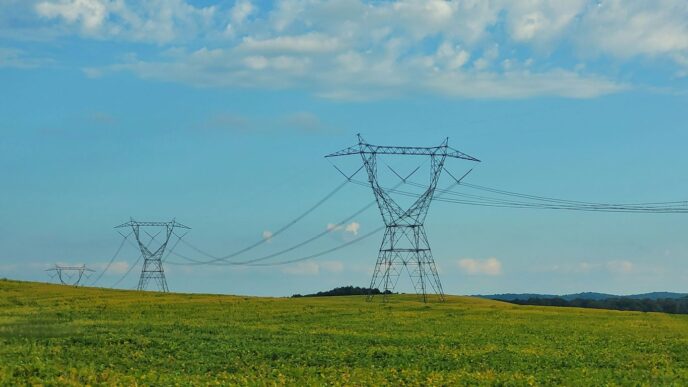
Because we’re getting so much electricity from sources like solar and wind, our old power grids are starting to feel the strain. They weren’t really built to handle electricity coming from lots of different places, especially when those places can be unpredictable. We need to update these grids, make them smarter, and find ways to store excess energy when it’s plentiful and use it when it’s not. This involves a lot of new technology and thinking about how we manage power flow minute-by-minute.
- Upgrading transmission lines: Getting power from where it’s made (like a big solar farm) to where it’s needed often requires new or improved lines.
- Developing energy storage: Batteries, pumped hydro, and other storage methods are key to smoothing out the supply from renewables.
- Smart grid technology: Using digital tools to better manage demand and supply in real-time.
New Dilemmas in Energy Security
While all this change is exciting, it also brings up new questions about keeping our energy supply reliable. When we depend heavily on weather-dependent renewables and complex digital systems, new vulnerabilities can pop up. We need to think about things like:
- Market design: How do we fairly pay for electricity when supply can change so quickly?
- Electric vehicle integration: How do we manage millions of cars plugging in to charge without overloading the grid?
- Data privacy: As grids become more digital, how do we protect sensitive information about our energy use?
The way we generate, distribute, and use electricity is changing dramatically, and figuring out how to do it securely and affordably is one of the biggest challenges we face.
Wrapping Up: What’s Next for Energy?
So, looking back at 2019, it’s clear the world of energy is in a constant state of flux. We saw demand climbing, especially in developing nations, but fossil fuels are still a huge part of the picture, even as renewables gain ground. It’s a bit of a balancing act, trying to meet everyone’s energy needs while also tackling climate change. The big takeaway? Things aren’t changing overnight. Energy systems have a lot of inertia, meaning it takes time to shift away from old ways, even with new technologies. The future likely involves a lot more electricity, a continued role for natural gas as a bridge fuel, and a massive push for solar and wind. But getting there means making smart choices now, investing in grids, and figuring out how to make it all work together smoothly. It’s a complex puzzle, for sure.