
Helm AI News: Strategic Partnerships Accelerate Autonomous Driving
Helm.ai and Honda Forge Multi-Year ADAS Joint Development Agreement
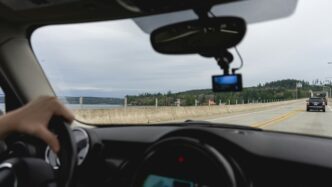
This is pretty big news for the autonomous driving world. Helm.ai and Honda have officially inked a multi-year deal to work together on advanced driver-assistance systems (ADAS). This isn’t just a small handshake; it’s a deep dive into developing the next generation of self-driving tech for mass-produced cars. The partnership focuses on integrating Helm.ai’s vision-first AI software into Honda’s development pipeline, aiming to speed up the rollout of these advanced features. It signals a clear direction for Honda, showing they’re serious about bringing more autonomy to their vehicles sooner rather than later.
Honda’s Vision-First Approach with Helm.ai Software
Honda is really leaning into a vision-first strategy, and this partnership with Helm.ai is a perfect example. Instead of relying heavily on expensive sensors like LiDAR or massive amounts of simulated data, Helm.ai’s approach uses cameras and AI to understand the world around the vehicle. This means:
- Faster Learning: The AI can learn and improve more quickly because it’s processing real-world visual input.
- Cost Efficiency: Relying on cameras, which are already standard in most cars, can make the technology more affordable for consumers.
- Scalability: This vision-based system is designed to be scaled up, potentially moving from current driver-assist features all the way to higher levels of autonomy.
This move aligns with Honda’s broader goals to enhance safety and convenience across its global vehicle lineup, making advanced driving features more accessible.
Implications for the Autonomous Vehicle Supply Chain
What does this mean for the rest of the industry? Well, it shows a continuing trend: automakers are increasingly looking to partner with specialized software companies like Helm.ai rather than trying to build everything from scratch. This collaboration highlights a few key points for the AV supply chain:
- Software is King: The real innovation is happening in the software, and companies that excel here are becoming highly sought-after partners.
- OEMs Seek Expertise: Car manufacturers are recognizing the complexity of AI and autonomy and are wisely bringing in outside experts.
- Consolidation Ahead: We’re likely to see more such partnerships as the market matures, with OEMs choosing specific software providers to integrate into their vehicle platforms.
This partnership between Honda and Helm.ai is a strong indicator of how the autonomous vehicle landscape is shaping up, with collaboration being a major driver of progress.
Advancements in Helm.ai’s Autonomous Driving Technology
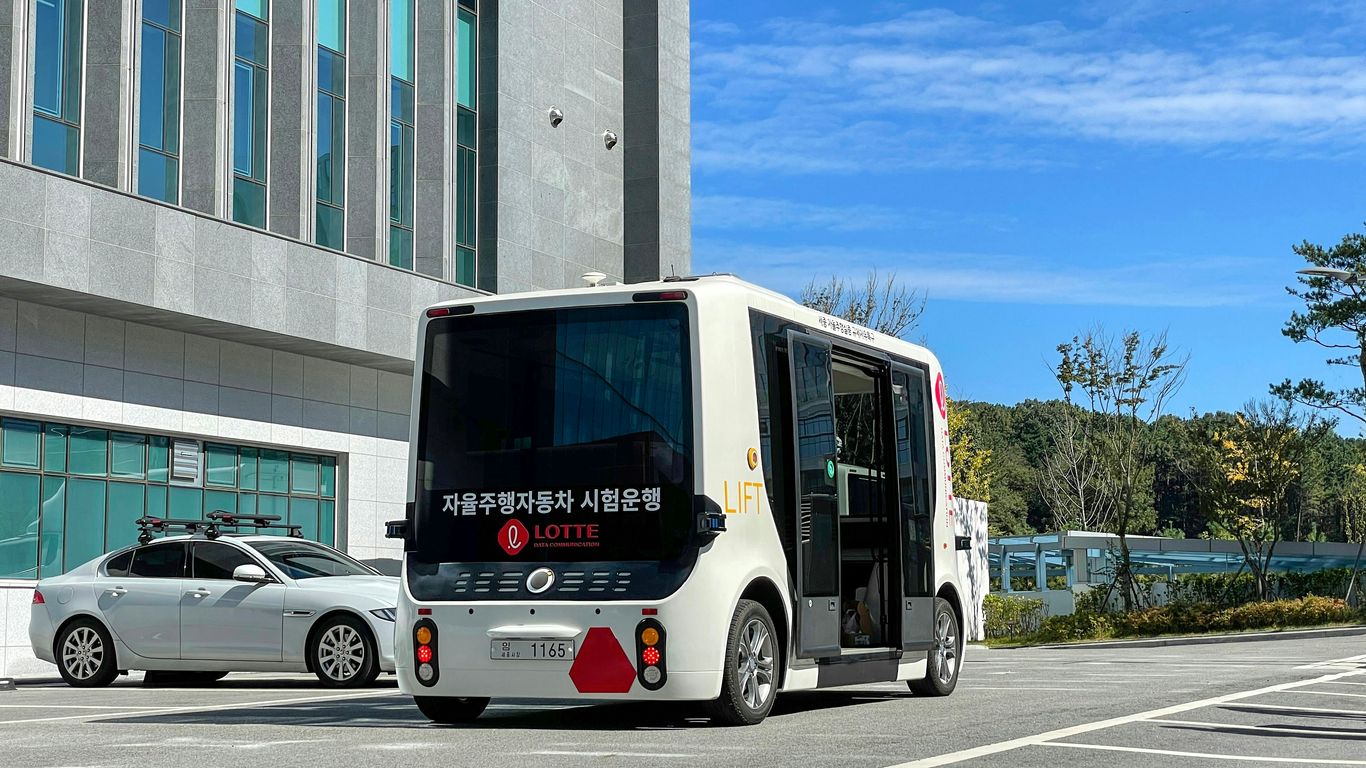
Helm.ai isn’t just talking about the future of driving; they’re building it with some pretty neat tech. They’ve rolled out something called the Helm.ai Driver, which is a big deal because it uses only cameras to figure out where the car should go next, especially in busy city streets. This "vision-only" approach is interesting because it sidesteps the need for expensive sensors like LiDAR, which could make self-driving tech more affordable for everyone.
They’ve also made strides with their Level 3 Urban Perception System. This system is designed to understand its surroundings really well, and importantly, it meets ISO 26262 standards. That’s a fancy way of saying it’s built with safety in mind, which is obviously super important when you’re talking about cars driving themselves. It means they’re thinking about how to make the software reliable and safe for real-world use.
And if that wasn’t enough, they’ve introduced GenSim-2. Think of it as a super-powered tool for creating and testing self-driving software. It uses generative AI, which is a hot topic right now, to help speed up the development process. This means they can test more scenarios, more quickly, and get their technology ready for the road faster. It’s like having a virtual test track that can generate endless driving situations.
Here’s a quick look at what these advancements mean:
- Helm.ai Driver: Focuses on camera-based path prediction for urban environments.
- Level 3 Urban Perception System: Built with safety standards (ISO 26262) in mind for city driving.
- GenSim-2: Uses AI to create realistic simulations for faster development and testing.
This focus on vision-based AI and advanced simulation tools is Helm.ai’s way of making autonomous driving more accessible and scalable.
Helm.ai’s Commitment to Safety and Scalability
Achieving ASPICE Capability Level 2 for Mass Production Readiness
Helm.ai has hit a major milestone by achieving ASPICE Capability Level 2. This isn’t just some technical jargon; it means their software development process is now officially recognized as being ready for the big leagues – mass production. Think of it like getting a "good housekeeping seal of approval" for safety-critical software. This certification shows they’ve got solid processes in place for managing their development, making sure things are done right, and that the software is reliable. It’s a big deal because automakers need this kind of assurance when they’re putting new tech into cars that millions of people will drive.
Focus on Vision-Based AI for Mass-Market Deployment
One of the core ideas at Helm.ai is their focus on using cameras, or vision-based AI, for their autonomous driving systems. This is different from some other companies that rely heavily on expensive sensors like LiDAR. By concentrating on cameras, Helm.ai is aiming to make autonomous driving more affordable and accessible for everyday cars. This vision-first approach is key to their strategy for getting this technology into the hands of regular consumers, not just specialized robotaxis. It means they’re building systems that can learn and adapt using the same kind of input our eyes use, which could lead to more cost-effective solutions for the average car buyer.
Scaling from L2+ to L4 for Personally Owned Autonomous Vehicles
Helm.ai isn’t just thinking about today’s advanced driver-assistance systems (ADAS), often called Level 2+. They’re building their technology with an eye toward the future, specifically Level 4 autonomy, where the car can handle most driving situations on its own. The really interesting part is how they’re planning to bridge that gap for cars that people actually own. This means developing systems that can start as helpful ADAS features and gradually become more capable as the technology matures and regulations allow. It’s about creating a pathway for personal car ownership to include advanced self-driving capabilities, making autonomy a reality for more than just fleet services.
Industry Trends and Helm.ai’s Position
It feels like every week there’s a new announcement about self-driving cars, and it’s getting harder to keep track of who’s doing what. But a couple of big trends are really shaping up, and Helm.ai seems to be right in the middle of it all.
The Rise of Scalable Level 2+ to Level 4 Systems
We’re seeing a shift away from trying to jump straight to full Level 5 autonomy. Instead, many companies are focusing on building advanced driver-assistance systems, or L2+, that can be upgraded over time to reach Level 4 capabilities. Think of it like starting with a really good cruise control that can handle highways and then gradually adding more smarts for city driving. This approach makes sense because it allows automakers to bring features to market sooner and gather real-world data to improve the systems. This gradual scaling is likely the most practical path toward personally owned autonomous vehicles. It’s a more grounded way to get there, rather than waiting for a perfect, all-encompassing solution.
OEMs Partnering with Software-First Autonomous Driving Startups
Automakers are realizing they can’t do it all themselves. Building cutting-edge AI for self-driving is incredibly complex and expensive. So, what are they doing? They’re teaming up with specialized software companies. Helm.ai’s recent multi-year joint development agreement with Honda is a prime example. Honda isn’t trying to build all the autonomous driving software from scratch; they’re bringing in Helm.ai’s expertise. This trend means that companies with strong software capabilities, especially those focused on AI and vision-based systems, are becoming really attractive partners. It’s a smart way for car companies to get the latest tech without the massive upfront investment in R&D.
Helm.ai’s Licensing Business Model Advantage
This partnership trend also highlights the advantage of a licensing business model, which Helm.ai uses. Instead of building their own robotaxi fleet or selling cars, they license their software to automakers. This means they can work with multiple car manufacturers, spreading their technology far and wide. For OEMs, it’s a way to get advanced autonomous driving tech without the headaches of developing it all in-house. It’s a win-win. This model allows companies like Helm.ai to focus on what they do best – creating sophisticated AI – while letting the car companies handle manufacturing and sales. It seems like a pretty efficient way to get autonomous driving into more cars, faster.
Key Developments in Autonomous Driving Technology
Applied Intuition Unveils Scalable Self-Driving System
Applied Intuition has recently rolled out its Self-Driving System (SDS), a platform designed to help companies develop and test autonomous vehicles more efficiently. The system focuses on providing tools for simulation and data analysis, aiming to speed up the process of bringing self-driving technology to market. This move highlights the industry’s push towards more robust testing and validation methods.
Waymo Expands Testing in New York City
Waymo has officially begun testing its autonomous vehicles in New York City. These tests are being conducted with safety drivers present at all times, adhering to the city’s strict safety regulations. This expansion into a complex urban environment like New York City is a significant step, showing confidence in the technology’s ability to handle challenging driving conditions.
Tesla’s FSD Supervised Testing in Japan
Tesla is reportedly conducting supervised testing of its Full Self-Driving (FSD) software in Japan. This testing phase is crucial for gathering data and refining the system’s performance in a new geographical and regulatory landscape. The goal is to adapt the technology to local driving customs and infrastructure, a common challenge for global autonomous driving efforts.
Investment and Corporate Milestones in Autonomy
It’s been a busy period for funding and big company moves in the self-driving world. Lots of money is changing hands, and companies are making strategic plays to get ahead.
KPIT Technologies recently decided to invest in Helm.ai, which is a pretty big deal. This kind of investment shows that established players see the potential in newer companies like Helm.ai, especially with their focus on vision-based AI for autonomous driving. It’s not just about the money; it’s about validation and partnership.
We’re also seeing other significant financial activities:
- Hyundai’s software unit, 42dot, has been raising funds. This indicates a strong push from traditional automakers to build out their in-house software capabilities for future mobility solutions. They’re clearly not content to just rely on external suppliers for the brains of their autonomous vehicles.
- LG Innotek is partnering with Aeva for lidar technology. Lidar is a key sensor for many autonomous systems, and this collaboration suggests a focus on integrating advanced sensor hardware into production vehicles. It’s all about building the right tech stack.
These moves highlight a few trends:
- Software is King: Companies are pouring resources into software development, recognizing it as the core differentiator for autonomous driving. This includes everything from AI algorithms to simulation platforms.
- Strategic Partnerships: It’s not just about internal development. Collaborations between software specialists, hardware providers, and traditional automakers are becoming more common. Think of it like building a complex puzzle; each piece needs to fit perfectly.
- Focus on Scalability: The investments and partnerships seem geared towards scaling autonomous technology from advanced driver-assistance systems (ADAS) all the way to full self-driving capabilities. It’s a long road, and companies are securing the resources to travel it.
Wrapping It Up
So, what does all this mean for the future of cars that drive themselves? It looks like things are really moving. We’re seeing big car companies like Honda team up with smart tech outfits like Helm.ai, which is a pretty big deal. They’re not just talking about it anymore; they’re actually working together to get this stuff into cars we can buy, maybe even by 2027. It’s not just about fancy robotaxis either; the focus seems to be on making self-driving tech work for regular folks who own their cars. Plus, there’s a lot of money flowing into companies working on the AI and sensors needed for this. It feels like we’re getting closer to seeing more cars with advanced driver help and, eventually, full self-driving capabilities on the road.