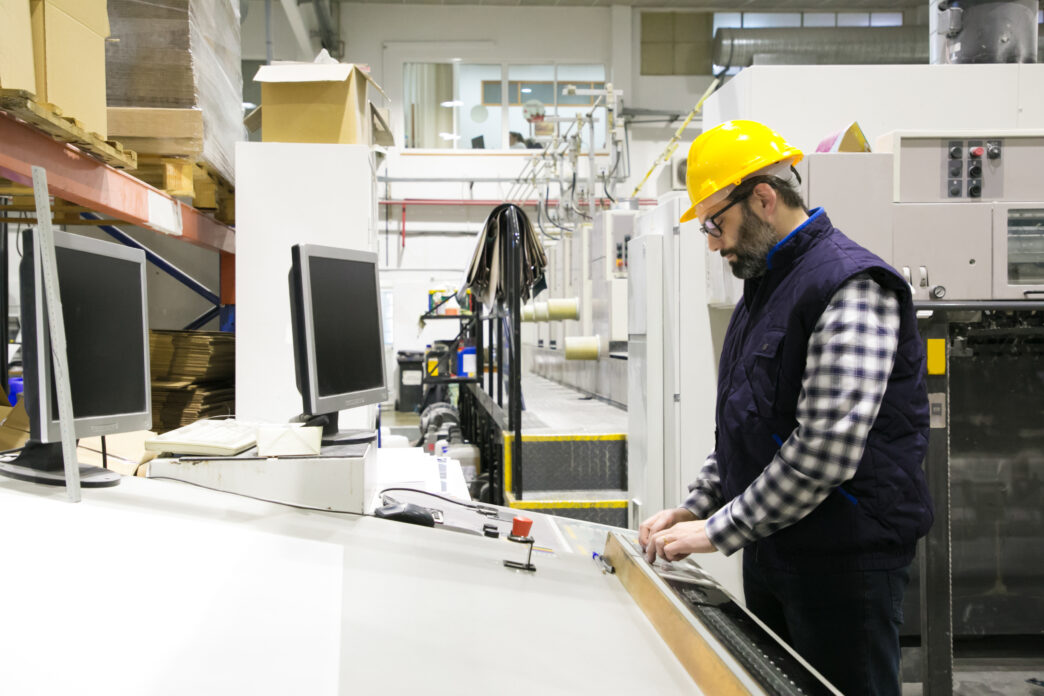
Walk into a modern manufacturing facility and the difference from ten years ago is hard to miss. Machines run longer, operators handle fewer repetitive tasks, and parts come off the floor with tighter tolerances than most shops could manage manually not long ago.
A big part of that shift comes down to how shops are approaching automating 5 axis machining operations in smarter, more systematic ways.It’s not just about buying new equipment. It changes how the entire floor is organized, how jobs are scheduled, and what machinists actually spend their time doing.
What 5 Axis Machining Actually Is
Before getting into automation, it helps to understand what makes 5 axis machining different from more basic setups.
A standard 3 axis machine moves a cutting tool along three directions, left and right, forward and backward, and up and down. A 5 axis machine adds two rotational movements, which means the cutting tool or the workpiece can tilt and rotate during the cut.
This allows complex parts to be machined from multiple angles in a single setup, without an operator repositioning the part manually between operations. The result is faster production, better accuracy, and less room for human error during repositioning.
Why Automation Makes This Even More Powerful
5 axis machining on its own is already a significant step up in capability. When you add automation to it, the benefits multiply quickly.
Automated loading and unloading systems mean a machine doesn’t have to sit idle between parts while an operator manually loads the next piece. Robotic arms or pallet systems can feed workpieces into the machine continuously, allowing production to run through breaks, shift changes, and sometimes even overnight.
This is one of the most direct ways that automating 5 axis machining changes how a shop floor operates. Machines that used to run for eight hours a day can now run for sixteen or more without additional labor costs.
How It Affects the Role of Machinists
One concern that comes up often is whether automation replaces skilled machinists. In practice, the answer is more nuanced than a simple yes or no.
Automation does reduce the need for operators to stand at a machine and perform repetitive loading tasks. But it increases the demand for people who can program the machines, set up automation systems, troubleshoot errors, and interpret quality data.
The role shifts rather than disappears. Machinists who adapt to working alongside automated systems tend to become more valuable, not less, because the skills required become more technical and less routine.
Shorter Setup Times and Better Consistency
One of the quieter benefits of automating 5 axis machining is what it does to setup times and part consistency.
When a human repositions a part between machining operations, there’s always a small chance of placement error. Over a large production run, those small errors can add up and affect part quality.
Automated systems follow the same sequence every time without variation. This consistency means fewer rejected parts, less material waste, and more predictable output across a full production run.
Setup time also improves because automated systems can be programmed to handle tool changes, part positioning, and quality checks without manual intervention at each step.
The Impact on Scheduling and Capacity
When machines can run with less direct supervision, shops can take on more work without immediately needing more floor space or more staff.
A shop that previously needed three machines running single shifts to hit a certain output level might achieve the same volume with two machines running extended hours through automation. This changes how managers think about capacity planning and quoting lead times to customers.
It also makes it easier to run smaller batch jobs efficiently, since automated systems can switch between jobs with less downtime than traditional setups required.
What Shops Need to Consider Before Automating
Automation isn’t a switch you flip overnight. There are real considerations around upfront cost, programming complexity, and whether the shop’s current workload justifies the investment.
Shops that run high-mix, low-volume work, meaning lots of different parts in small quantities, often find automation harder to justify than shops running high-volume, repetitive production. The more a shop can standardize its workflow, the more benefit automation tends to deliver.
Training is another factor. Staff need time to learn new systems, and that learning curve should be built into any realistic implementation plan.
Final Thoughts
Automating 5 axis machining isn’t just a technology upgrade. It changes the rhythm of the shop floor, the nature of skilled work, and how a business thinks about capacity and growth.
For shops that get the implementation right, it opens up a level of output and consistency that simply wasn’t achievable before. And for the machinists who grow with it, it represents a shift toward more technical, higher-value work on the floor.