
Understanding Global Robot Population Trends

It’s pretty wild to think about how many robots are actually out there working in the world today. We’re not just talking about the sci-fi kind, but the real deal that’s busy in factories, warehouses, and even starting to show up in new places. The numbers are growing fast, and it’s not just one country leading the charge.
The Demand Side: Robotics Adoption in Key Industries
So, who’s actually buying and using all these robots? Well, it’s a mixed bag, but some industries are really leaning into automation. Manufacturing has been the big one for ages, especially for tasks that are repetitive or tough for humans. Think about car assembly lines or putting together electronics – robots have been doing that for years. But it’s not just heavy industry anymore.
Here’s a quick look at where robots are showing up:
- Manufacturing: Still the biggest user, automating everything from welding to packing.
- Warehousing and Logistics: With the boom in online shopping, robots are essential for sorting and moving goods quickly.
- Food and Beverage: Robots are increasingly used for processing, packaging, and even quality control.
- Agriculture: While still developing, robots are starting to help with tasks like planting, harvesting, and monitoring crops.
Factors Driving Increased Robot Installations
Why the sudden surge? A few things are pushing companies to install more robots. For starters, labor costs are going up in many places, making robots a more attractive option over the long run. Plus, the robots themselves are getting better and, in some cases, cheaper. They’re also becoming easier to program and integrate into existing systems, which lowers the barrier to entry for businesses that might have been hesitant before.
- Rising Labor Costs: Businesses are looking for ways to manage expenses.
- Technological Advancements: Robots are more capable, flexible, and affordable than ever.
- Need for Efficiency and Quality: Robots can perform tasks with high precision and consistency, 24/7.
- Supply Chain Resilience: Automation can help companies maintain production even during disruptions.
Emerging Sectors Embracing Automation
It’s not just the usual suspects. We’re seeing automation pop up in places you might not expect. Think about healthcare, where robots are assisting in surgeries or helping with patient care. Even service industries are starting to experiment with robots for tasks like cleaning or delivering items. The push for more versatile robots means they’re finding homes in more diverse roles than ever before. This expansion is fueled by ongoing research and development, pushing the boundaries of what robots can do and where they can be useful.
China’s Dominance in Industrial Robotics
Surging Demand for Automation in Chinese Manufacturing
It’s pretty clear that China is a major player when it comes to robots in factories. For a long time, if you wanted robots, you were probably looking at imports, mostly from Japan and Europe. But things have really shifted. A decade ago, China was importing most of its industrial robots, like, almost three-quarters of them. Now? They’re making over half of their own robots domestically. That’s a huge jump.
This surge in demand isn’t just random. A big reason is that companies are trying to keep up with the global market. If you want to make things that sell worldwide, especially in fancy industries, you pretty much need automation these days. Plus, China’s population is getting older, and labor costs are going up. So, putting robots to work makes a lot of sense for businesses.
Automotive and Electronics Lead Robot Adoption
When we look at which industries are really going all-in on robots in China, it’s the usual suspects: cars and electronics. These are the biggest and oldest areas for automation there. In the car industry, about a third of the robots are made in China. For electronics, it’s even higher, close to 60 percent. These sectors have been around for a while and have the scale to make big investments in robots.
But it’s not just about having the robots; it’s about where they come from. While Chinese companies are making more robots for these big industries, they still face tough competition from those established international brands. It’s a bit different in newer areas, which we’ll get to.
Rapid Growth in Food, Beverage, and Textiles
Now, here’s where you see Chinese robot makers really taking over. In the food and beverage industry, Chinese companies are supplying around 80 percent of the robots. And get this – in textiles and clothing, it’s reported that 100 percent of the robots are coming from Chinese manufacturers. That’s pretty wild.
This shows a trend. In industries that are newer to widespread automation, Chinese robot companies don’t have as much competition from the old guard. They seem to be jumping into these growing markets and getting a head start. It’s like they’re finding their niche and really running with it. This also means that as these sectors grow, they’re likely to become even more reliant on robots made in China.
The Supply Side: China’s Manufacturing Prowess
It’s not just about using robots; it’s about making them. And China has gotten seriously good at that too. For a long time, many countries relied on robots built elsewhere, often in Japan or Europe. But China has been pouring resources into building its own robotics industry, and the results are pretty striking.
Explosive Growth of Domestic Robot Production
China’s goal was to reduce its dependence on foreign robot makers. They saw it as a weak spot. So, they pushed hard for domestic production. And it worked. Chinese companies now make most of the robots used within China. This isn’t just about meeting local demand, though. Chinese robot manufacturers are starting to look beyond their borders.
Here’s a look at how much their global share of robot exports has grown:
| Year | Global Export Share | Change from Previous Year |
|---|---|---|
| 2020 | 5.9% | N/A |
| 2024 | 16.7% | +10.8 percentage points |
That’s a pretty big jump in just a few years, right? It shows they’re not just building robots; they’re building them well enough to compete internationally.
Key Players in China’s Robotics Industry
Several Chinese companies are really stepping up in the robotics game. While it’s hard to name them all, you’ll see names popping up more and more in areas like industrial arms, automated guided vehicles (AGVs), and even more complex systems. These companies are benefiting from government support and a massive domestic market that allows them to scale up quickly. They’re not just assembling parts; they’re investing in research and development to create their own technologies.
Impact of Domestic Supply Chains on Costs
When you have a strong domestic supply chain for robots, it tends to bring costs down. Think about it: fewer shipping costs, easier access to parts, and more competition among local suppliers. This makes Chinese robots more affordable, not just for Chinese factories but also for buyers in other countries. This cost advantage is a big reason why more and more international manufacturers are looking at Chinese-made robots. It’s a cycle: more production leads to lower costs, which leads to more demand, and so on. This cost-effectiveness is a major factor in China’s growing influence in the global robotics market.
Innovation Driving the Future of Robotics
When we talk about the future of robots, it’s easy to get caught up in the hype around humanoid designs. You know, the ones that look like us and can theoretically do anything a person can. China’s been putting a lot of effort into these, and some companies have even started making a small number of them. It’s pretty impressive, and they’ve apparently made up most of the humanoid robots sold last year. But here’s the thing: making a robot that looks and moves like a human is incredibly complicated and expensive. A lot of the time, these advanced robots still need a person to control them remotely because the actual AI software to make them fully autonomous just isn’t there yet. Plus, who’s to say a humanoid shape is always the best for every job? Factory owners might just decide that simpler, cheaper robots are perfectly fine for what they need.
Humanoid Robots: Ambition and Early Production
Even if humanoid robots don’t become the main type of robot everywhere, the work being done on them is still pushing robotics forward. The technology developed for these human-like machines, like how they understand space or plan tasks, can be used in other kinds of robots too – think robots with four legs or wheels. Many of the companies working on humanoids are also developing these other types. And if the market decides a different design is better, Chinese companies seem pretty quick to adapt. They’re in a tough competition right now, with tons of companies fighting for small profits, and the ones that come out on top will really know how to make and sell robots effectively.
The Role of R&D Spending and Patent Filings
It’s not just about building robots; it’s about inventing new ones. Measuring innovation is tricky, but we can look at things like how much money companies spend on research and development (R&D) and how many patents they file. China’s big robotics companies are doing really well in both these areas. Reports suggest that by August 2024, China held about two-thirds of the world’s active patents related to robotics – that’s over 190,000 patents! This shows a huge investment in creating new robotic technologies.
Leveraging Data for Advanced AI Development
Another big part of where robotics is headed involves AI, especially how robots learn from data. Companies are developing sophisticated AI models that can help robots see, move, and make decisions all at once. These are sometimes called "embodied intelligence" models. The idea is to create robots that are much more capable and can be used in more ways, opening up new markets. Companies that are good at collecting lots of their own data are in a great position because this data is what trains the AI. This is how robots will get smarter and better at working alongside people in the future, whether it’s in factories, warehouses, or even our homes.
| Metric | China’s Robotics Patents (Aug 2024) |
|---|---|
| Share of Global Patents | ~Two-thirds |
| Total Patents Filed | Over 190,000 |
Global Implications of China’s Robotics Expansion
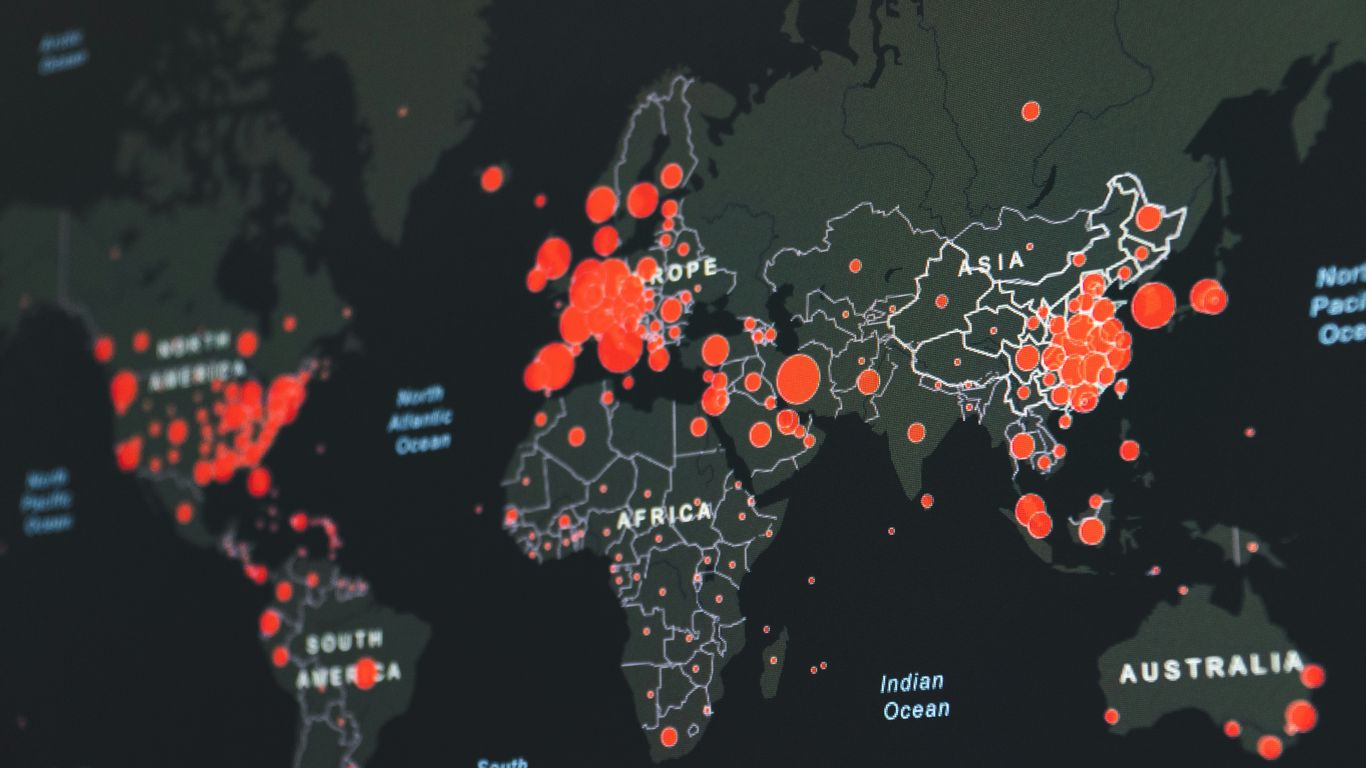
So, China’s robotics scene is really taking off, and it’s not just staying within its borders. This whole push for automation is starting to ripple outwards, affecting how manufacturing works all over the planet. It’s a big deal, and we’re seeing a few key things happen because of it.
China’s Growing Share of Global Robot Exports
It’s pretty wild to see how fast China’s robot exports have jumped. Back in 2020, they were only shipping out about 5.9% of the world’s industrial robots. Fast forward to 2024, and that number shot up to 16.7%. That might not sound huge, but it’s a massive leap in just a few years. Right now, places like Southeast Asia and Europe are buying a lot of these robots, probably because they’re already tied into China’s car and electronics supply chains. They’re even looking at the US market, though that’s got its own set of challenges.
Impact on International Manufacturing Competitiveness
Basically, if you want to be a serious player in manufacturing these days, you pretty much have to automate. This is where China’s growing robot exports come into play. Countries that want to keep up might find themselves needing to buy robots from China, or at least pay a premium for alternatives from elsewhere. Some companies can afford that extra cost, but many probably can’t. This means a lot of factories worldwide could end up relying more and more on Chinese robots. It’s not just about the robots themselves, either. When these robots are sold, they often come with Chinese software and service providers, creating a whole tech ecosystem that goes along with them.
Geopolitical Advantages of Robotics Leadership
This whole robotics expansion isn’t just an economic play; it’s got geopolitical weight too. For developing countries, there’s a real risk of missing out on economic growth. Historically, places like China had an edge because labor was cheap. But as robots get better and cheaper, that advantage fades. If China can automate its own production and also export those robots, it changes the game. It means China can hold onto manufacturing jobs and market share, even as labor costs rise. This could make developing nations less competitive, as their main selling point – low labor costs – becomes less important in the global supply chain. It’s a shift that could take time, but it’s definitely something to watch.
Comparing Global Robotics Landscapes
Japan, Europe, and South Korea’s Established Industries
Japan, Europe, and South Korea have long been major players in the robotics game. These regions are known for their strong manufacturing bases and have been using industrial robots for ages. Think of them as the old guard, the ones who really set the standard for precision and reliability. They’ve built up a reputation for making top-notch machines, even if they sometimes come with a higher price tag. It’s like buying a high-end tool – you expect it to last and perform perfectly.
Challenges for Incumbent Robotics Exporters
While these established players have a solid foundation, they’re facing some new pressures. China’s rapid advancements mean they’re not just catching up, they’re starting to innovate in ways that are hard to match. It’s a bit like a seasoned athlete suddenly facing a new generation of competitors who are faster and have new training methods. Some of these traditional robotics exporters are seeing their sales dip as Chinese companies become more competitive, not just at home but increasingly in international markets, even in places like Japan itself. It’s a shift that’s making everyone rethink their strategy.
Opportunities for International Cooperation
Given these shifts, it seems like working together might be the smartest move for many countries, especially for the United States. A lot of the robots used in the US already come from Japan and Europe. These countries have a lot of practical know-how when it comes to robotics, and that pairs well with the research-focused side of things in the US. There’s a history of collaboration between these regions, sharing ideas and working on new projects. This kind of partnership could be a good way forward, building on existing relationships to develop the next wave of robotic technology. It’s about combining strengths to stay competitive in a changing world.
Wrapping Up the Robot Count
So, what’s the big takeaway from all these numbers? It’s pretty clear that robots are showing up in more places than ever before, especially in places like China. We’ve seen how demand is up, how more robots are being made right there, and how companies are getting pretty creative with new robot designs. This isn’t just about factories anymore; robots are starting to pop up in new areas too. It looks like this trend is only going to keep going, and it’s definitely changing how things are made, not just in China, but potentially all over the world. It’s a lot to keep track of, but one thing’s for sure: the robot world is busy and always moving.