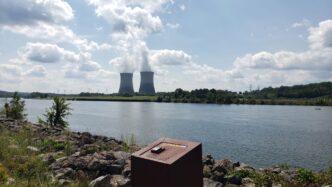

It’s pretty wild when you think about it – nuclear power and AI, two things that sound super complex, might actually be best buds for making our planet a better place. They’ve both come a long way, starting from some pretty basic science ideas and now getting to a point where they could really change things. It’s not all smooth sailing, though. Both have their own set of worries and challenges we need to sort out. But the idea is, if we get it right, they could work together to solve some of our biggest problems, like needing clean energy and figuring out how to use smart tech without messing things up.
Key Takeaways
- Nuclear power and AI have followed similar paths, starting with basic science and growing into powerful technologies, each facing early limits and public questions.
- The drive for clean, endless energy through nuclear fusion shares similarities with AI’s push towards more advanced intelligence, with both needing lots of computing power and big investments.
- Both nuclear power and AI bring up societal and environmental worries, like safety and public trust, which means we need clear rules and careful planning for them to be used well.
- Working together, nuclear power and AI could help create a sustainable future, but this requires responsible development and a focus on protecting our environment and culture.
- Developing both nuclear power and advanced AI needs huge amounts of computing power, new materials, and significant financial backing, alongside global cooperation to manage their risks and benefits.
Parallel Trajectories Of Nuclear Power And AI
It’s pretty wild when you think about it, but nuclear power and AI have kind of grown up in similar ways. Both started from some really big science ideas that seemed almost like science fiction at first. For nuclear power, it was figuring out how to split atoms, and for AI, it was understanding how brains work and trying to copy that with computers.
Foundational Scientific Discoveries
Think back to the early days. Scientists were doing fundamental research, like understanding radioactivity and the basic rules of physics. This wasn’t about building a power plant or a smart robot yet; it was just about figuring out how the world works at a really deep level.
- Early 20th Century: Physicists like Marie Curie and Ernest Rutherford were exploring atomic structures and radioactivity.
- Mid-20th Century: Mathematicians and computer scientists like Alan Turing and John von Neumann laid the groundwork for computation and the idea of thinking machines.
- Late 20th Century: Researchers started looking into neural networks, inspired by how our own brains connect neurons.
From Theory To Transformative Technology
Once the basic science was there, things started moving fast. The idea of using nuclear reactions for energy, which was once just a theory, quickly became a reality. We saw projects like the Manhattan Project, and then later, the push for civilian nuclear power. It’s a similar story with AI. What started as theoretical concepts about intelligence and learning has exploded into things like the AI we see today, capable of creating text, images, and more. This rapid shift from abstract ideas to real-world applications is a hallmark of both fields.
Mirroring Early Applications And Limitations
In their early stages, both nuclear power and AI faced hurdles. Nuclear power, while promising, came with safety concerns and the challenge of managing radioactive waste. Early AI systems, like expert systems, were powerful in specific areas but lacked broad understanding and flexibility. They were impressive for their time, but definitely not the all-knowing AI we sometimes imagine now. Both technologies also required significant infrastructure and investment to even get off the ground, and public understanding and acceptance were, and still are, big factors.
| Technology | Early Application Example | Key Limitation |
|---|---|---|
| Nuclear Power | Experimental reactors, weapons | Safety, waste disposal |
| Artificial Intelligence | Expert systems, early chatbots | Narrow focus, lack of learning |
The Quest For Limitless Energy And Advanced Intelligence
It feels like we’re on the edge of something huge, doesn’t it? On one hand, we’ve got nuclear fusion, the dream of practically endless, clean energy. It’s been talked about for ages, always seeming just around the corner but never quite here. Think about it – a power source that could fundamentally change everything. Then there’s artificial intelligence, specifically deep learning, which has exploded in recent years. It’s not just about smarter computers anymore; it’s about systems that can learn, adapt, and even create in ways we’re still trying to fully grasp.
Nuclear Fusion’s Promise
Nuclear fusion is the process that powers the sun. If we can replicate that here on Earth in a controlled way, we’re looking at a virtually inexhaustible energy supply. No more worrying about fossil fuels or the waste from current nuclear fission plants. The challenges are immense, though. We’re talking about containing super-hot plasma, temperatures hotter than the sun’s core, and making it all stable and efficient. It’s a scientific and engineering marathon, not a sprint.
The Ascent Of Deep Learning
Deep learning, a subset of AI, is what’s behind a lot of the recent AI buzz. It uses complex, layered networks to process information, kind of like how our brains work, but in a simplified way. This allows AI to do things like recognize images, understand speech, and even generate text and art. It’s gotten incredibly good, but it still has its limits. Sometimes it makes mistakes, or it can’t quite grasp context the way a human does. It’s a constant process of refinement and discovery.
Computational Power As A Shared Driver
What’s really interesting is how these two fields, fusion and AI, are pushing each other forward, and both rely heavily on massive amounts of computing power. Developing fusion reactors requires incredibly complex simulations to model plasma behavior. AI is used to analyze the data from these experiments and even help design better reactor components. On the flip side, training advanced AI models, especially deep learning ones, needs enormous computational resources. So, advances in computing hardware, whether for scientific research or for AI development, benefit both quests. It’s a bit of a feedback loop: better computers help fusion research, which might lead to more energy, and AI helps analyze fusion data, while fusion energy could power the massive data centers AI needs. It’s a fascinating interplay, and honestly, it’s hard to say which will get us to that ‘limitless’ future first, or if they’ll arrive hand-in-hand.
Navigating Societal And Ethical Challenges
Environmental Concerns And Public Trust
Nuclear power, even with its clean energy potential, carries a heavy historical baggage. The public’s perception often swings wildly, from seeing it as a miracle solution to fearing it as an uncontrollable force. This isn’t just about accidents; it’s also about how we handle the waste. We need clear, honest communication about the risks and benefits, and solid plans for long-term storage. Building trust means being upfront about what we know and what we’re still figuring out. It’s like that time I tried to explain to my nephew why we can’t just leave the lights on all the time – you have to break it down and show them the ‘why’.
AI’s Ethical, Social, And Privacy Dilemmas
Artificial intelligence brings its own set of worries. As AI gets smarter, we’re handing over more decisions. This raises questions about who’s responsible when things go wrong. Is it the programmer? The company? The AI itself? We haven’t really figured out the rules for AI mistakes or biases yet. Plus, there’s the whole privacy thing. AI systems often need tons of data to learn, and that data can include very personal information. We need to think hard about how to protect people’s privacy while still letting AI develop.
Building Guardrails For Responsible Innovation
So, what do we do? We can’t just let these powerful technologies run wild. We need some serious guardrails. Think of it like setting up rules for a new game. Everyone needs to agree on how it’s played to avoid chaos.
- Transparency: We need to know how AI systems make decisions, especially in important areas like healthcare or finance.
- Accountability: Clear lines of responsibility need to be drawn for AI actions.
- Fairness: We must actively work to prevent AI from perpetuating or even creating new biases.
- Global Cooperation: Just like with nuclear weapons, we’ll likely need international agreements to manage the risks and share the benefits of advanced AI and energy.
Ultimately, the success of both nuclear power and AI hinges on our ability to manage them wisely and ethically. It’s a big challenge, but one we have to face if we want a sustainable future.
Synergies For A Sustainable Future
Harnessing Nuclear Power And AI Responsibly
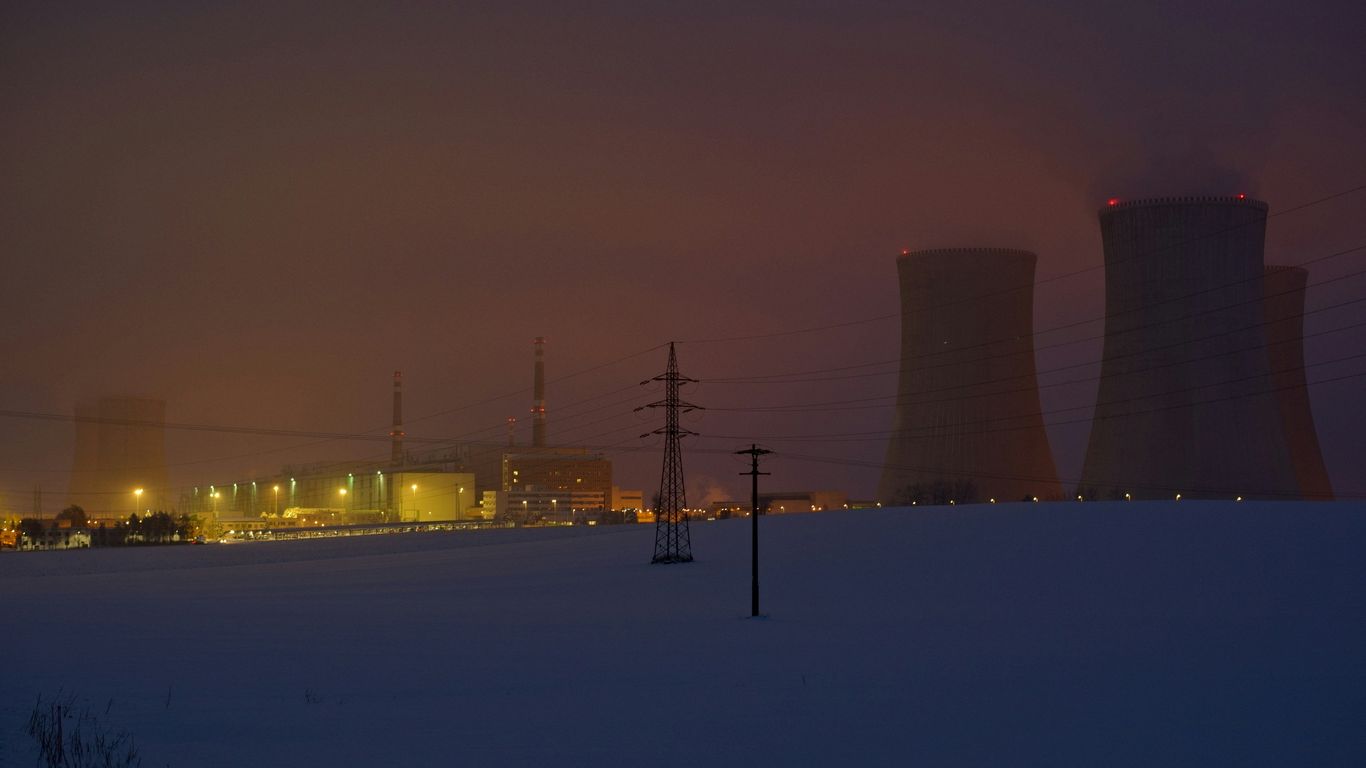
It’s pretty wild to think about how nuclear power and AI are starting to work together. We’re talking about a future where we have tons of clean energy from nuclear sources, and AI is helping us manage it all, making things way more efficient. This partnership isn’t just about fancy tech; it’s about building a more stable world. Imagine data centers powered by clean nuclear energy, which is a real thing happening now, helping to drive innovation without burning up the planet. This collaboration highlights a forward-thinking approach to energy and technology integration. It means we can push forward with advanced computing and AI development without adding to our carbon footprint.
Reshaping Humanity’s Trajectory
When you combine the potential of near-limitless clean energy from things like fusion with the problem-solving power of advanced AI, you get a recipe for some serious change. AI can help us figure out the complex challenges of fusion energy, like designing better reactors and managing the process. On the flip side, abundant energy makes running massive AI systems much more feasible. This could lead to breakthroughs in areas we haven’t even thought of yet, from curing diseases to tackling climate change on a global scale. It’s like giving humanity a massive upgrade, allowing us to focus on bigger problems and achieve things that were science fiction just a few years ago.
Ensuring Environmental And Cultural Preservation
Of course, with great power comes great responsibility. We need to be smart about how we use these technologies. This means:
- Developing strong international agreements, similar to how the world came together for nuclear non-proliferation, but adapted for AI and future energy sources.
- Making sure that the benefits of these advancements are shared widely, not just concentrated in a few places.
- Putting in place clear rules and ethical guidelines to prevent misuse and unintended consequences.
It’s not just about the planet; it’s about preserving our cultures and societies as we change. We need to think about how these shifts affect jobs, communities, and our very way of life. The goal is a future that’s not only sustainable but also equitable and preserves the best parts of what makes us human.
The Dual Nature Of Transformative Technologies
It’s pretty wild when you think about it: both nuclear power, especially fusion, and advanced AI are these massive forces that could totally change everything. They’re like two sides of the same coin, offering incredible possibilities but also carrying some serious risks. We’re talking about technologies that could solve some of our biggest problems, like climate change and disease, but also have the potential to create entirely new ones if we’re not careful.
Potential For Unprecedented Achievements
Imagine a world powered by clean, virtually limitless energy from fusion. That alone would be a game-changer, potentially ending resource wars and making clean water and food more accessible globally. Then you add in AI that can help us discover new medicines at lightning speed, design more efficient systems, or even help us understand the universe better. It’s like we’re on the verge of a golden age where human potential is amplified like never before. Think about:
- Solving complex scientific puzzles: AI could analyze vast datasets from fusion experiments, helping scientists figure out how to sustain those reactions more efficiently.
- Boosting global productivity: Abundant energy and smart automation could lead to new industries and improved living standards for everyone.
- Personalized healthcare: AI could analyze individual genetic data and medical history to create tailored treatments, while fusion power could support the energy needs of advanced medical facilities.
This combination could truly reshape humanity’s trajectory for the better.
Risks Of Disruption And Existential Threats
But here’s the flip side. What happens when these powerful tools aren’t used wisely? With nuclear power, we’ve already seen the anxieties around accidents and waste. Fusion, while much safer, still involves handling immense amounts of energy. And AI? Well, the concerns are even more varied. We worry about job displacement as automation increases, the potential for AI to be used in warfare, or even the more abstract, long-term risks of superintelligent AI that we can’t control. It’s a bit like opening Pandora’s Box.
- Economic upheaval: Rapid automation could lead to widespread unemployment if societies don’t adapt quickly.
- Misuse of power: Advanced AI could be used for surveillance, manipulation, or autonomous weapons systems.
- Unforeseen consequences: Complex AI systems can behave in ways their creators didn’t anticipate, leading to systemic failures.
Balancing Innovation With Global Accords
So, how do we get the good stuff without the bad? It’s going to take a lot of careful planning and international cooperation. We need to think about rules and agreements, kind of like the ones we have for nuclear weapons, but for AI and future energy sources too. Transparency is key. Everyone needs to know what’s being developed and how it might affect them. And we have to make sure that the benefits are shared, not just hoarded by a few.
| Technology Area | Key Challenge | Potential Mitigation |
|---|---|---|
| Nuclear Fusion | Achieving sustained net energy gain | International research collaboration, phased deployment |
| Advanced AI | Ensuring ethical development and deployment | Global regulatory frameworks, public education, diverse development teams |
| Combined Impact | Managing societal disruption | Proactive economic and social policy, investment in retraining programs |
Infrastructure And Investment Demands
Building out the infrastructure for both advanced nuclear power and cutting-edge AI isn’t exactly a walk in the park. It takes a ton of resources and serious cash. Think about it: you need massive computing power for AI, and for nuclear, you’re talking about specialized facilities, materials, and a whole lot of safety protocols. These two fields, while different, share a common need for robust, reliable, and often energy-intensive infrastructure.
Computational Resources For Both Fields
AI, especially the kind that powers complex simulations or trains huge models, needs serious horsepower. We’re talking about specialized chips (GPUs, TPUs) and vast data centers. Nuclear power, on the other hand, uses computing for everything from reactor design and safety simulations to managing operations and analyzing experimental data. The push for more powerful AI means more data centers, and these data centers themselves need a lot of electricity – which is where nuclear power comes in. It’s a bit of a feedback loop.
- AI Needs:
- High-performance computing clusters
- Massive data storage solutions
- Advanced networking infrastructure
- Nuclear Needs:
- Sophisticated simulation software
- Real-time data processing for plant control
- Secure data management for sensitive operations
Material Science Breakthroughs
Developing next-generation nuclear reactors, especially those for fusion or advanced fission designs, requires new materials that can withstand extreme temperatures and radiation. Think specialized alloys and ceramics. Similarly, AI hardware is constantly pushing the boundaries of material science, looking for more efficient semiconductors and better thermal management solutions. Advances in one area can often spill over into the other. For instance, AI is being used to discover and design new materials faster than ever before.
Significant Financial Commitments
Let’s be real, this stuff isn’t cheap. Building a new nuclear power plant, even a smaller modular one, costs billions. Developing and deploying advanced AI systems also requires huge investments in research, development, and hardware. Governments and private investors are going to have to open their wallets wide. We’re seeing a lot of interest in Small Modular Reactors (SMRs) because they might be more cost-effective and quicker to build than traditional plants. Plus, the demand for clean, stable power for AI data centers is making nuclear a more attractive investment for energy companies and tech giants alike. It’s a long-term game, for sure.
Looking Ahead
So, where does this leave us? It’s pretty clear that nuclear power and AI aren’t just separate technologies; they’re becoming linked in ways that could really shape our future. Think about it: we’re talking about potentially limitless clean energy from fusion power, and AI that can help us solve incredibly complex problems. But just like with nuclear energy’s past, there are big questions we need to figure out. How do we make sure AI is used for good? How do we handle the waste from nuclear power, or the energy needed to train these massive AI models? It’s not going to be a simple path, and there will probably be bumps along the way. But if we can manage these powerful tools smartly and responsibly, we might just be looking at a much cleaner, more advanced world for everyone. It’s a big ‘if’, for sure, but the potential payoff is huge.
Frequently Asked Questions
How are nuclear power and AI similar?
Both nuclear power and AI started with big science ideas. Think of how scientists first learned about atoms and then figured out how to split them for energy. It’s kind of like how early thinkers imagined smart machines and then developed the math and computer programs to make AI. Both took a long time to go from just an idea to something that could actually be used, and both faced challenges like needing better technology and people being unsure about them.
What’s the big goal for nuclear power and AI?
For nuclear power, the ultimate dream is fusion, which could give us almost endless clean energy, like the sun. For AI, the goal is to create really smart systems that can learn and help us solve huge problems. Both are aiming for something amazing and powerful, but they’re not quite there yet. They both need a lot of computing power and new materials to make them work.
Why are people worried about nuclear power and AI?
People worry about nuclear power because of things like radioactive waste and the risk of accidents. With AI, the worries are more about things like jobs being lost, AI being used unfairly, or our private information not being safe. Both technologies can be really helpful, but we need to be careful and put rules in place to make sure they’re used for good.
How can nuclear power and AI work together for a better future?
If we use both nuclear power and AI wisely, they can help us a lot. Nuclear power, especially fusion, could give us the clean energy we need for everything, including running powerful AI systems. AI, in turn, could help us design better nuclear reactors or manage energy grids more efficiently. It’s about using these powerful tools responsibly to create a cleaner and smarter world.
Are nuclear power and AI dangerous?
Like many powerful tools, both nuclear energy and AI have the potential for great good and also for harm. If used incorrectly or maliciously, they could cause serious problems. However, if we develop them carefully, with safety and ethics in mind, they can lead to amazing progress. The key is finding a balance and making smart choices about how we use them.
What’s needed to make advanced nuclear power and AI happen?
Building advanced nuclear power plants, like fusion reactors, and creating super-smart AI systems both require a lot. We need massive amounts of computing power, new and better materials, and huge investments of money. It’s a big undertaking that needs lots of research, development, and collaboration.