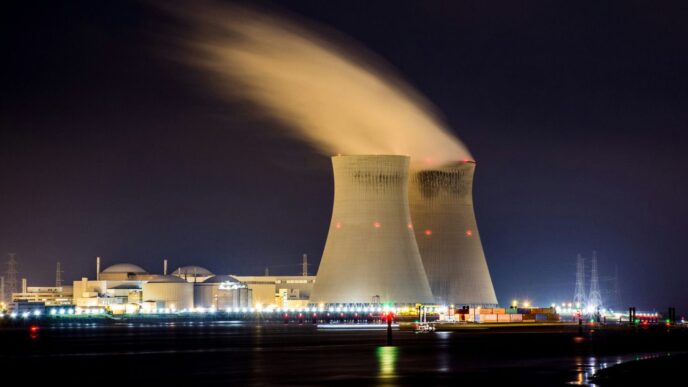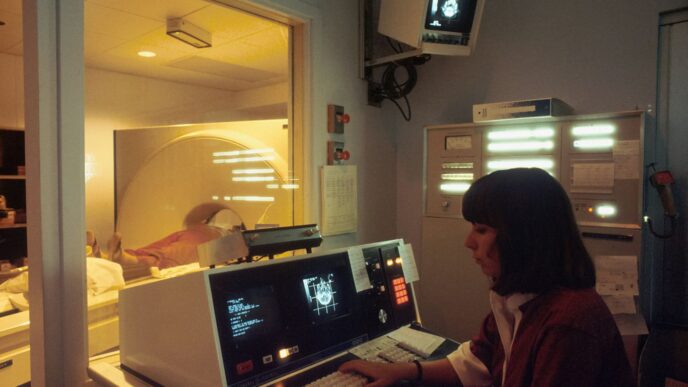

So, we’ve all heard about AI, right? It’s everywhere. And then there’s nuclear power, which sometimes feels like it’s from another era. But what if I told you these two things are actually becoming best buddies? It turns out that nuclear power and AI are teaming up in some pretty big ways, and it’s going to change how we get our energy. Think about it: AI needs a ton of power, and nuclear plants can provide it reliably, without all the carbon emissions. Plus, AI is making nuclear plants safer and more efficient. It’s a pretty wild combination, and it’s shaping up to be a huge deal for our energy future.
Key Takeaways
- AI is making nuclear power plants run better by predicting when equipment might fail and optimizing how they operate day-to-day. This means less downtime and more efficient energy production.
- The massive energy needs of AI, especially for data centers, are creating a huge demand for reliable power. Nuclear power, with its consistent output, is well-suited to meet this demand.
- AI can significantly improve safety at nuclear facilities by reducing human mistakes and better monitoring for any unusual activity or threats.
- New reactor designs, like Small Modular Reactors (SMRs), are being developed faster and cheaper thanks to AI and digital modeling.
- AI is helping to manage the nuclear fuel cycle and waste more efficiently and safely, addressing some of the industry’s long-standing challenges.
Revolutionizing Nuclear Operations With Artificial Intelligence
Nuclear power plants have always been complex beasts, running on strict schedules and requiring constant vigilance. For years, operations relied on a mix of human oversight and scheduled maintenance. But now, artificial intelligence is stepping in, changing how these massive facilities run. It’s not just about making things a little better; AI is fundamentally rethinking how we manage nuclear energy.
Predictive Maintenance for Enhanced Uptime
Think about a car. You might get a warning light when something’s about to go wrong, but often it’s too late to avoid a breakdown. AI in nuclear plants works differently. It constantly sifts through data from thousands of sensors – looking at vibrations, temperatures, pressures, and more. By spotting tiny patterns that humans might miss, AI can predict when a piece of equipment is likely to fail, sometimes weeks or months in advance. This means maintenance crews can fix things before they break. This proactive approach can cut down on unexpected shutdowns, which are costly and disruptive. Some estimates suggest this could reduce unplanned downtime by as much as 50% and save a good chunk on maintenance bills too.
Here’s a look at how it works:
- Data Collection: Sensors gather real-time information on equipment health.
- Pattern Recognition: AI algorithms analyze this data for anomalies.
- Failure Prediction: The system forecasts potential equipment failures.
- Proactive Scheduling: Maintenance is scheduled during planned outages.
Real-Time Performance Optimization
Nuclear reactors are designed to run at peak efficiency, but achieving that consistently is tricky. AI can help by looking at all the operating conditions at once – things like fuel rod temperature, coolant flow, and control rod positions. It can then suggest small adjustments to keep the reactor running at its absolute best, producing the most power possible without compromising safety. This constant fine-tuning means more electricity generated from the same amount of fuel, making the whole process more efficient. It’s like having a super-smart co-pilot for the reactor.
Streamlining Regulatory Compliance and Safety
Nuclear power operates under some of the strictest regulations in the world. Keeping up with all the rules and documenting everything is a huge task. AI can help by automatically monitoring operations against regulatory requirements and flagging any deviations. It can also analyze safety data to identify potential risks or areas where procedures could be improved. This constant, data-driven oversight helps maintain the highest safety standards and makes the complex process of regulatory compliance much more manageable.
Powering the AI Revolution: Nuclear’s Crucial Role
Artificial intelligence is changing everything, and it needs a whole lot of electricity to do it. Think about those massive data centers and the complex calculations needed to train AI models – it’s like building a whole new city, but for computers. This demand is growing super fast. Some people think AI data centers could use as much power as a big country by 2030. That’s a huge amount of energy, and our current power grids are already feeling the strain.
Meeting the Unprecedented Energy Demands of AI
So, where does all this power come from? That’s where nuclear energy steps in. Unlike solar or wind, which can be a bit unpredictable depending on the weather, nuclear power plants can run all day, every day. This steady, reliable power is exactly what AI needs. Tech companies are starting to notice this, looking at nuclear as a way to keep their AI operations running smoothly without relying on power sources that can’t keep up.
Ensuring Reliable Baseload Power for Data Centers
Data centers are the heart of the AI world. They need power that’s always on, no interruptions. Nuclear power provides that consistent "baseload" electricity. It’s like the foundation of a building – you need it to be solid and dependable for everything else to work. This makes nuclear a really attractive option for companies building out their AI infrastructure. They want to be sure their systems won’t go down just because the sun isn’t shining or the wind isn’t blowing.
Strategic Market Alignment for the AI Economy
This isn’t just about keeping the lights on for AI; it’s a smart business move. By working with nuclear power, companies can meet their energy needs and also stick to their goals of being carbon neutral. It’s a win-win. Nuclear plants, especially when made more efficient with AI, can offer dedicated power for these AI hubs. This partnership helps the nuclear industry stay relevant and profitable while supporting the growth of the AI economy. It’s a way for nuclear energy to find its place in our increasingly digital future.
Enhancing Nuclear Safety and Security Through AI
Artificial intelligence is really changing how we think about safety and security in nuclear facilities. It’s not just about building stronger walls or having more guards anymore; AI brings a new level of smart oversight.
Reducing Human Error in Critical Operations
Let’s face it, humans make mistakes. It’s just part of being human, especially when you’re dealing with complex systems and high-pressure situations. AI can take over a lot of the repetitive or routine tasks that might lead to an error. Think about monitoring systems that run 24/7 – an AI doesn’t get tired or distracted. It can also act as a second pair of eyes, offering real-time advice to human operators when things get a bit hairy. This means people can focus on the really tricky decisions while the AI handles the steady work.
- Automating routine checks and data logging.
- Providing instant alerts for deviations from normal operating parameters.
- Offering guided procedures during abnormal events.
Advanced Threat Detection and Anomaly Monitoring
Keeping nuclear sites secure is a massive job. AI is getting pretty good at spotting things that just don’t look right. It can sift through huge amounts of data from sensors, cameras, and network traffic to find unusual patterns that might signal a problem, whether it’s an internal issue or an external threat. This ability to spot subtle anomalies before they become big problems is a game-changer for security. It’s like having a super-vigilant security guard who never misses a beat.
Boosting Public Confidence and Streamlining Approvals
When people feel safer, they tend to be more accepting. By showing that nuclear facilities are using advanced AI to improve safety and security, it can help build trust with the public. This improved safety record, backed by solid data and quick responses, can also make the process of getting approvals for new projects or upgrades go a bit smoother. Regulators can see that the technology is robust and that risks are being managed effectively, which can speed things up.
Accelerating Innovation in Reactor Design and Development
Building new nuclear reactors has historically taken a really long time and cost a ton of money. It’s one of the big reasons people have been hesitant about nuclear power. But now, artificial intelligence is starting to change that picture.
Optimizing Small Modular Reactor (SMR) Designs
Think about Small Modular Reactors, or SMRs. These are smaller, factory-built units that are supposed to be easier and cheaper to deploy. AI is a big help here. It can crunch a lot of data to figure out the best way to design these SMRs, making them safer and more efficient. It’s like having a super-smart assistant that can test out thousands of design tweaks virtually before anyone even breaks ground.
Leveraging Digital Twins for Virtual Prototyping
This is where things get really interesting. We’re talking about ‘digital twins’ – basically, super-detailed virtual copies of reactors. These aren’t just 3D models; they’re complex simulations that act just like the real thing. AI can use these digital twins to:
- Test how a reactor design will perform under all sorts of conditions, even extreme ones.
- Spot potential problems or inefficiencies early on, before they become expensive issues.
- Train operators in a completely safe, virtual environment.
- Simulate the entire construction process to find the most efficient path.
This virtual prototyping means we can iron out a lot of the kinks without building physical prototypes, which saves a massive amount of time and resources. It’s a game-changer for getting new reactor technologies out the door faster.
Reducing Project Timelines and Costs
So, what’s the bottom line? By using AI to optimize designs, especially for SMRs, and by using digital twins for virtual testing, the whole process of developing new reactors can speed up significantly. This means less time spent in the design and testing phases, fewer costly mistakes during construction, and ultimately, a much lower price tag for new nuclear power capacity. AI is helping to make nuclear power development more agile and economically viable. This could be exactly what’s needed to bring a new wave of nuclear energy online to meet our growing power needs.
Transforming the Nuclear Fuel Cycle and Waste Management
The nuclear industry faces some pretty big hurdles, especially when it comes to handling fuel and dealing with waste. It’s not exactly the most glamorous part of the job, but it’s super important for the whole operation to run smoothly and safely. Luckily, AI is starting to offer some really smart ways to tackle these challenges.
Optimizing Fuel Utilization for Greater Efficiency
Think about how much fuel goes into a reactor. Making sure we get the most out of every bit is key. AI can look at tons of data from how fuel performs and how reactors are running. By spotting patterns we might miss, it can help figure out the best way to use the fuel. This means we can get more energy out of what we have and, importantly, cut down on the amount of spent fuel that needs managing later on. It’s all about making things work better and producing less waste.
AI-Driven Solutions for Radioactive Waste Disposal
Dealing with radioactive waste is probably the most talked-about issue. It needs careful handling and long-term planning. AI can really help here by sifting through massive amounts of data. It can identify subtle trends and even predict how radioactive materials might move over time, which is vital for assessing the safety of disposal sites. This kind of analysis helps in:
- Categorizing waste with more accuracy.
- Finding better ways to treat different types of waste.
- Planning disposal strategies that are safer and more effective.
This data-driven approach is a big step forward in managing nuclear waste responsibly.
Enhancing Radiation Monitoring and Detection
Keeping track of radiation levels is non-negotiable. AI can make this process much more precise. It can process real-time data from sensors all over a facility, or even in the environment around it, spotting any unusual readings much faster than traditional methods. This means quicker responses if something is off. Plus, AI can help guide robotic systems that can go into areas too dangerous for people, making waste handling safer and reducing the risk of human exposure. It’s about using smart tech to keep everyone and everything safer. The future of nuclear energy is looking brighter with these advancements, and it’s exciting to see how AI is helping to make it more sustainable and secure for generations to come.
Addressing Ethical and Technical Challenges in AI Integration
Bringing AI into the nuclear world isn’t just about plugging in new software; it comes with its own set of hurdles we need to clear. Think of it like trying to teach a robot to handle a delicate nuclear process – it needs to be perfect, and there’s no room for error. One big thing is making sure the AI’s decisions are fair and accurate. AI learns from data, and if that data has hidden biases, the AI can end up making skewed judgments. This is a serious problem when you’re dealing with something as critical as nuclear operations.
Mitigating Algorithmic Biases and Ensuring Accuracy
AI systems are trained on vast amounts of data. If this data reflects historical inequalities or incomplete information, the AI can inherit these flaws. For instance, an AI designed to predict equipment failure might perform poorly if the training data primarily came from newer facilities, overlooking issues common in older plants. We need to be really careful about where our data comes from and how it’s prepared. It’s not enough for the AI to just ‘work’; it has to work correctly and impartially every single time. This means constant checking and validation of the AI’s outputs against real-world results. We’re talking about rigorous testing protocols and diverse datasets to make sure the AI is seeing the whole picture.
Strengthening Cybersecurity for Nuclear Systems
Nuclear facilities are already prime targets for cyberattacks. Adding complex AI systems, which often rely on extensive networks and data sharing, can create new entry points for malicious actors. A compromised AI could potentially disrupt operations, falsify safety data, or even be used to gain unauthorized access. Protecting these AI systems requires a multi-layered security approach, going beyond traditional firewalls. This includes secure coding practices, regular security audits of AI algorithms, and robust access controls. We also need to think about how AI itself can be used to detect and respond to cyber threats in real-time, creating a sort of digital defense system.
The Need for Interdisciplinary Collaboration
Figuring out how to safely and effectively integrate AI into nuclear power isn’t a job for just one group of experts. You’ve got nuclear engineers who understand the physics and operations, AI specialists who know the algorithms, ethicists who can flag potential societal impacts, and cybersecurity professionals who guard against digital threats. All these different minds need to work together. It’s about building bridges between fields that don’t always speak the same language. This collaboration is key to developing AI solutions that are not only technically sound but also ethically responsible and secure for the long haul.
The Road Ahead
So, what does all this mean for the future? It looks like AI and nuclear power are really starting to work together. AI is making nuclear plants run smoother, safer, and cheaper. At the same time, AI itself needs a ton of power, and nuclear is perfectly positioned to provide that clean, steady energy. Think of it like this: AI helps nuclear get its act together, and nuclear gives AI the juice it needs to keep growing. This partnership isn’t just about upgrading old tech; it’s about building a whole new energy system that can handle the massive power demands of our increasingly digital world, all while keeping things clean and reliable. It’s a big deal, and it’s happening now.
Frequently Asked Questions
How is AI helping nuclear power plants run better?
AI is like a super-smart assistant for nuclear power plants. It can look at tons of information from the machines to guess when something might break, so workers can fix it before it causes a problem. This means the plant can keep running smoothly without unexpected stops and save money on repairs.
Why does AI need so much power, and can nuclear power provide it?
Think of AI like a super-fast brain that needs a lot of energy to think. Running big AI systems and the giant computer centers they live in uses a huge amount of electricity. Nuclear power plants can provide a steady, reliable stream of this energy 24/7, which is exactly what these AI systems need to work without interruption.
Can AI make nuclear power plants safer?
Yes, AI can help make nuclear plants safer in a few ways. It can help watch for any unusual activity or potential dangers, like spotting tiny problems before they become big ones. It can also help reduce mistakes that humans might make by handling some tasks automatically or giving operators helpful tips.
How is AI helping to create new kinds of nuclear reactors?
AI is speeding up the process of designing and building new types of nuclear reactors, like smaller ones called SMRs. It’s like using advanced computer programs to test out many different designs very quickly in a virtual world before actually building anything. This helps make the new reactors cheaper and faster to get ready.
What does AI do with nuclear fuel and waste?
AI can help make nuclear fuel work better and last longer, which means less waste is produced. For the waste that is made, AI can help figure out the safest and best ways to store it by analyzing lots of data about how it behaves over time.
Are there any downsides to using AI in nuclear power?
While AI offers many benefits, there are challenges. We need to make sure the AI is fair and accurate, and doesn’t have hidden biases from the data it learned from. Also, since these systems are connected to computers, we have to be very careful to protect them from hackers and cyber threats to keep everything secure.