It feels like technology is changing everything these days, and healthcare is no exception. The way we manage health and get care is getting a serious upgrade thanks to the internet of things and health. Basically, it’s about connecting devices to share information, and it’s making a big difference in how doctors and patients interact, how hospitals run, and even how we look after ourselves at home. Let’s take a look at how this is all shaking out.
Key Takeaways
- Connected devices are changing how we monitor health, allowing for real-time tracking of vital signs and continuous insights from wearables.
- Telemedicine and IoT-enabled tools are making healthcare more accessible and diagnostics more accurate, especially for managing ongoing conditions.
- Hospitals are using smart technology like connected beds and monitoring systems to improve patient safety, comfort, and overall operations.
- Patients are gaining more control over their health through data analysis, leading to personalized treatments and better adherence to care plans.
- The internet of things and health is supporting independent living and home care, helping elderly individuals and reducing hospital readmissions.
Revolutionizing Patient Monitoring Through Connected Devices
It’s pretty wild how much technology is changing how we keep an eye on people’s health, especially when they’re not right in front of us. We’re talking about a whole new level of watching over patients, moving from occasional check-ups to constant awareness. This shift is all about catching problems early and keeping people healthier, right where they are.
Real-Time Vital Sign Tracking for Proactive Care
Remember when you’d only get your blood pressure checked at the doctor’s office? Now, imagine devices that do that, plus heart rate, oxygen levels, and even temperature, all day, every day. These aren’t just fancy gadgets; they’re tools that send information straight to healthcare providers. If something looks a bit off, like a heart rate that’s too fast or too slow, doctors can get a heads-up way before it becomes a serious issue. This means they can step in sooner, maybe with a quick call or a tweak to medication, instead of waiting for a crisis.
Smart Wearables for Continuous Health Insights
Wearable tech has come a long way. It’s not just about counting steps anymore. Think about smartwatches and patches that can track your heart rhythm continuously, or devices that monitor glucose levels for people with diabetes without needing a finger prick every time. For folks managing conditions like asthma, smart inhalers can even track how often they’re used and what the air quality is like, helping to prevent attacks. All this data, gathered passively, gives a much clearer picture of someone’s health over time than a snapshot from a doctor’s visit ever could.
Remote Patient Monitoring for Chronic Conditions
This is a game-changer for people dealing with long-term illnesses. Instead of having to travel to a clinic for regular check-ins, which can be a real hassle when you’re not feeling well, many of these check-ins can happen from home. Devices can monitor vital signs, track medication adherence, and even detect falls. This not only makes life easier for patients but also allows healthcare teams to manage conditions more effectively. It’s about providing consistent care and support, reducing the need for hospital visits, and helping people live more independently.
Enhancing Healthcare Delivery in Clinical Settings
Think about how much easier things can be for doctors and nurses when they have better tools. That’s where the Internet of Things (IoT) really steps in to make a difference in clinics and hospitals.
Telemedicine for Improved Accessibility
Remember when seeing a specialist meant a long drive and a whole day off work? Telemedicine is changing that. With connected devices, patients can have video calls with their doctors from their own homes. This is a game-changer, especially for people living far from medical centers or those who have trouble getting around. It means getting advice and even some diagnoses without the hassle of travel. This makes healthcare much more reachable for everyone.
IoT-Enabled Diagnostics for Greater Accuracy
Diagnostic tools are getting smarter. Imagine a blood glucose monitor that not only measures your sugar but also sends that data straight to your doctor’s system. Or an X-ray machine that can flag potential issues automatically for a radiologist to review. These connected devices collect information more precisely and often in real-time. This helps doctors spot problems earlier and with more confidence, leading to quicker and more effective treatment plans.
Streamlining Workflows with Connected Tools
It’s not just about patient care; IoT is also about making the whole system run smoother. Think about medical equipment that can tell you when it needs maintenance before it breaks down, or smart systems that automatically update patient records when a test is done. This cuts down on manual work for staff, reduces the chance of mistakes, and frees them up to focus on what matters most: taking care of patients. It’s like giving the healthcare team a set of super-efficient tools to work with.
Transforming Hospital Operations with IoT
Hospitals are complex places, right? Lots of moving parts, lots of people, and a constant need for things to run smoothly. The Internet of Things is stepping in to make a big difference here, not just for patients, but for how the whole place operates.
Smart Beds for Patient Safety and Comfort
Think about hospital beds. They’re not just for sleeping anymore. With IoT sensors built-in, these smart beds can keep an eye on things like a patient’s vital signs, how much they’re moving, and even their position. This means the bed can automatically adjust to make the patient more comfortable, which can help prevent things like bedsores. It also helps nurses know if a patient is trying to get up, potentially reducing falls. It’s a pretty neat way to add an extra layer of safety and care without constant human oversight.
Real-Time Monitoring Systems for Timely Interventions
This is where things get really interesting. Hospitals are putting in systems that use IoT to watch over patients constantly. These systems track heart rate, blood pressure, oxygen levels – all the important stuff. If anything looks a bit off, or if a patient’s condition changes suddenly, the medical staff gets an alert right away. This means they can jump in and help much faster than before. This quick response can make a huge difference in patient outcomes and can even help lower the number of times people have to come back to the hospital after they’ve been discharged.
Optimizing Resource Allocation and Performance
Beyond direct patient care, IoT is also helping hospitals run more efficiently. Imagine knowing exactly where all your equipment is, or how much of a certain medication you have, all in real-time. IoT sensors and tags can track inventory, so you don’t run out of supplies at a bad time, and you don’t have excess stuff sitting around. This kind of smart tracking helps reduce waste and makes sure the right resources are where they need to be, when they need to be there. It also helps with things like managing the environment in operating rooms, controlling airflow and temperature automatically. Basically, it’s about making sure the hospital’s resources are used wisely and that everything runs like a well-oiled machine.
Empowering Patients with Data-Driven Health Management
It’s pretty amazing how much control we can have over our own health these days, thanks to all the connected gadgets and the information they give us. Gone are the days when you just had to trust that your doctor knew best without really seeing the numbers yourself. Now, with devices that track everything from your heart rate to your glucose levels, you’re much more in the loop.
Personalized Treatment Plans Through Data Analysis
Think about it: your body is unique, so why should your treatment be a one-size-fits-all deal? IoT devices collect a ton of personal health data, like how often you move, your sleep patterns, and even your stress levels. Doctors can look at all this information, not just what you tell them during a quick visit, to figure out what’s really going on. This means they can tweak your medication, suggest specific exercises, or adjust your diet based on your actual data. It’s like having a health plan custom-made just for you. For example, continuous glucose monitors have become a game-changer for people with diabetes, giving them real-time feedback to manage their condition better than ever before. This kind of detailed insight helps create more effective health strategies.
Increased Patient Engagement and Adherence
When you can see the results of your actions right in front of you, you’re more likely to stick with a plan. If your smartwatch shows your blood pressure dropping after a week of mindful eating, that’s a pretty good motivator, right? Seeing your progress visually makes it easier to stay on track. It’s not just about following doctor’s orders anymore; it’s about actively participating in your own well-being. This active role can lead to better outcomes because you’re more invested. It’s a big shift from just being a passive recipient of care to being an active partner.
Taking Control of Health with Connected Devices
Ultimately, all this technology puts more power in your hands. You can track your health trends, understand what makes you feel better or worse, and have more informed conversations with your healthcare providers. It’s about moving from a reactive approach to a proactive one. Instead of waiting for something to go wrong, you can use the data from your connected devices to make small changes that prevent bigger problems down the line. This shift allows individuals to manage their health more effectively and live more independently. The ability to monitor your own health metrics can significantly improve your quality of life and give you a greater sense of autonomy over your well-being. This is a key advantage of IoT in healthcare.
Here’s a quick look at how different types of data can help:
- Vital Signs: Heart rate, blood pressure, oxygen saturation – these give a snapshot of your body’s basic functions.
- Activity Levels: Steps taken, calories burned, active minutes – shows how much you’re moving.
- Sleep Patterns: Duration, quality, and consistency – important for recovery and overall health.
- Specific Metrics: Blood glucose for diabetics, peak flow for asthma patients – tailored to specific conditions.
By keeping an eye on these numbers, people can make smarter choices every day.
The Role of IoT in Home Healthcare and Independent Living
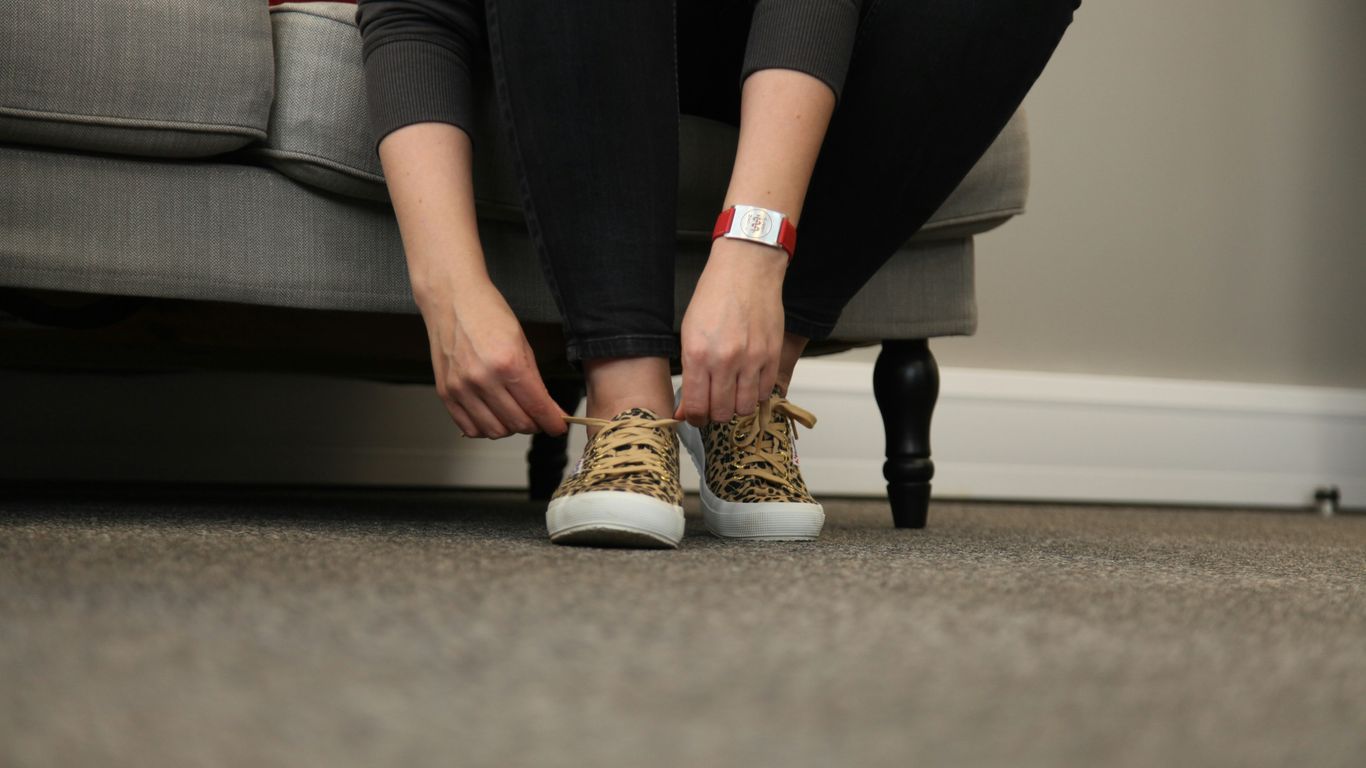
It’s pretty amazing how the Internet of Things (IoT) is changing the game for people who want to stay in their own homes, especially as they get older or manage long-term health issues. Think about it: instead of needing constant visits to the doctor or hospital, many of these needs can now be met right where you live. This makes a huge difference in quality of life.
Remote Monitoring for Elderly Care
This is a big one. IoT devices can keep an eye on seniors without being intrusive. We’re talking about things like smart sensors that can detect if someone has fallen, or devices that track vital signs like heart rate and blood pressure. This information can be sent directly to family members or healthcare providers. This continuous stream of data means potential problems can be spotted early, often before they become serious. It gives families a lot of peace of mind, knowing their loved ones are being looked after, even from a distance. It’s a way to provide personal care and keep people safe, all while letting them maintain their independence. You can find out more about how IoT technology empowers seniors to live independently.
Supporting Independent Living with Smart Technology
Beyond just safety, IoT is making everyday living easier. Smart home devices can help with daily routines. For example, medication reminders can be set up through smart speakers, or smart appliances can be controlled remotely. For people with mobility issues, voice-activated controls for lights, thermostats, and even door locks can be a lifesaver. It’s about creating an environment that adapts to the individual’s needs, rather than the other way around. This technology helps people manage their homes and their health more effectively.
Reducing Hospital Readmissions Through Home Monitoring
One of the most significant impacts of IoT in home healthcare is its ability to help keep people out of the hospital. When patients with chronic conditions can be monitored effectively at home, it reduces the need for frequent hospital visits. Here’s how it works:
- Continuous Data Collection: Wearable sensors and home devices gather health metrics like glucose levels, oxygen saturation, and activity patterns.
- Early Intervention: If the data shows a concerning trend, healthcare providers are alerted and can intervene with adjustments to medication or lifestyle advice.
- Personalized Care Plans: The data gathered helps create more tailored care strategies that address the individual’s specific needs.
This proactive approach not only improves patient outcomes but also significantly cuts down on healthcare costs associated with hospital stays. It’s a win-win for patients and the healthcare system.
Securing the Future of Internet of Things and Health
Protecting Patient Data in Connected Ecosystems
Look, the whole point of these smart health gadgets is to collect information, right? And that information is super personal. We’re talking about your heart rate, your sleep patterns, maybe even what you ate for dinner. When all that data gets sent around, especially to the cloud, it’s got to be locked down tight. Think of it like sending a postcard versus a sealed, registered letter. We need that letter treatment for our health data. The biggest worry is unauthorized access, plain and simple. Hackers could get their hands on your medical history, which is just not okay. It’s not just about preventing identity theft; it’s about keeping your private health details private.
Ensuring Cyber Resilience in Healthcare IoT
So, what happens when something goes wrong with the tech? It’s not just about data getting stolen; it’s about the systems themselves failing. Imagine a hospital’s system that tracks patient vitals suddenly going offline because of a cyberattack. That’s a serious problem, potentially putting lives at risk. We need these connected health systems to be tough, like a well-built fortress that can withstand attacks and keep running even when things get dicey. It means having backup plans and making sure the devices and software are built to handle disruptions without completely falling apart.
Building Trust Through Robust Security Measures
Honestly, if people don’t trust that their health information is safe, they’re just not going to use these amazing new tools. It’s that simple. We need clear rules and strong actions to show that patient privacy and data security are top priorities. This involves a few key things:
- Stronger Encryption: Making sure data is scrambled so it’s unreadable if intercepted.
- Regular Security Updates: Keeping all the software and firmware on devices up-to-date to patch any known weaknesses.
- Clear Data Policies: Having straightforward rules about who can access what data and why.
- Device Authentication: Making sure only legitimate devices and users can connect to the network.
When these security steps are taken seriously, it builds confidence. People will feel more comfortable using smartwatches for health tracking or having remote monitoring systems at home if they know their information is protected.
The Road Ahead
So, it’s pretty clear that the Internet of Things is really changing how we handle health and patient care. From keeping a closer eye on folks at home to making hospitals run smoother, these connected gadgets are making a big difference. It’s not just about fancy tech; it’s about making healthcare more personal, more efficient, and honestly, just better for everyone involved. As this technology keeps growing, we can expect even more smart solutions that help us all live healthier lives.
Frequently Asked Questions
What exactly is the Internet of Things (IoT) in healthcare?
Think of the Internet of Things (IoT) in healthcare like a team of smart gadgets working together. These gadgets, like special watches or sensors, are connected to the internet. They collect information about your health, like your heart rate or how much you’ve moved, and send it to doctors or nurses. This helps them keep a close eye on you without you always having to be at the doctor’s office.
How do smart devices like watches help doctors?
Smartwatches and other wearable devices can track your health all day, every day. They can notice if your heart is beating too fast or too slow, or if your blood sugar is getting too high or low. This information is super helpful for doctors because they can see what’s happening with your health in real-time and step in early if there’s a problem, even before you feel sick.
Can IoT help people with long-term illnesses?
Absolutely! For people who have ongoing health issues like diabetes or heart problems, IoT is a game-changer. Devices can constantly check their health at home and send updates to their doctor. This means doctors can adjust treatments faster and patients don’t have to go to the clinic as often, making life much easier and safer.
Does IoT make hospitals run better?
Yes, it does! Hospitals use IoT to keep track of patients more closely. For example, smart beds can alert nurses if a patient is trying to get up and might fall. Also, systems can help manage equipment and staff better, making sure everyone gets the care they need quickly and efficiently.
Is my health information safe with these connected devices?
Keeping your health information safe is really important. Companies making these devices and the hospitals using them work hard to protect your data. They use special codes and security steps to make sure only the right people can see your information, like locking it away in a secure vault.
How does IoT help me take better care of my own health?
IoT devices give you more power over your health. By seeing your own health data on an app or device, you can understand your body better. This can help you make healthier choices, remember to take your medicine, and work more closely with your doctor to create a health plan that’s just right for you.