The way we handle health and patient care is changing, and a lot of that has to do with the internet of things and health. Basically, it’s about connecting everyday devices to the internet to make things work better. Think about your smartwatch tracking your steps, or a hospital bed that knows if a patient is trying to get up. This technology is making a big difference, from how doctors keep an eye on us to how hospitals manage their supplies. It’s not just about new gadgets; it’s about making healthcare smarter, more accessible, and a lot more personal.
Key Takeaways
- Connected devices let doctors watch vital signs in real-time, helping catch problems early.
- Smart technology can make hospital stays safer and more comfortable for patients.
- The internet of things and health means more people can get medical advice without leaving home.
- Hospitals can run smoother by using connected tools to manage equipment and tasks.
- Wearable gadgets and sensors help people manage ongoing health issues and stay independent longer.
Revolutionizing Patient Monitoring with the Internet of Things
It feels like just yesterday we were going to the doctor for every little check-up, right? Now, thanks to the Internet of Things (IoT), things are changing fast. We’re talking about a whole new way to keep an eye on people’s health, often without them even needing to leave their homes. This shift is pretty big, moving us towards care that’s more about catching problems early and keeping people well, rather than just reacting when something goes wrong.
Real-Time Vital Signs Tracking for Proactive Care
Imagine your doctor getting an alert if your blood pressure spikes, or if your heart rate goes a bit wonky, all while you’re just sitting on your couch. That’s what IoT is making possible. Devices like smartwatches and connected blood pressure cuffs can send vital signs straight to your healthcare team. This constant stream of information means doctors can spot potential issues way before you might even feel sick. It’s like having a personal health watchdog, constantly looking out for you. This kind of proactive approach can really make a difference in managing conditions like heart disease or diabetes, helping to prevent serious flare-ups and hospital visits. It’s all about using technology to stay ahead of the curve in patient care.
Smart Beds Enhancing Patient Safety and Comfort
In hospitals, even the beds are getting smarter. These aren’t your grandma’s hospital beds anymore. They’re equipped with sensors that can tell if a patient is trying to get up, which is a big help in preventing falls, especially for older patients or those who are a bit unsteady. These smart beds can also monitor things like how a patient is positioned, helping to avoid bedsores. Plus, they can adjust automatically to keep patients more comfortable. It’s a small change, but it adds up to a much safer and more pleasant stay for people in the hospital.
Continuous Health Monitoring Through Wearables
Wearable tech has really taken off, and it’s doing more than just counting steps. Smart rings, patches, and even clothing are now being developed to track a whole range of health data. We’re talking about things like continuous glucose monitoring for diabetics, sleep tracking that can reveal patterns related to sleep apnea, and even ECG readings to keep an eye on heart rhythm.
Here’s a quick look at what these wearables can track:
- Heart rate and variability
- Blood oxygen levels (SpO2)
- Sleep stages and duration
- Activity levels and calorie burn
- Body temperature fluctuations
This constant flow of data gives us a much clearer picture of our overall health over time. It’s not just about a snapshot during a doctor’s visit; it’s about understanding your body’s trends day in and day out. This continuous monitoring is a game-changer for managing chronic conditions and for anyone who wants a deeper insight into their well-being.
Expanding Healthcare Access Through IoT Telemedicine
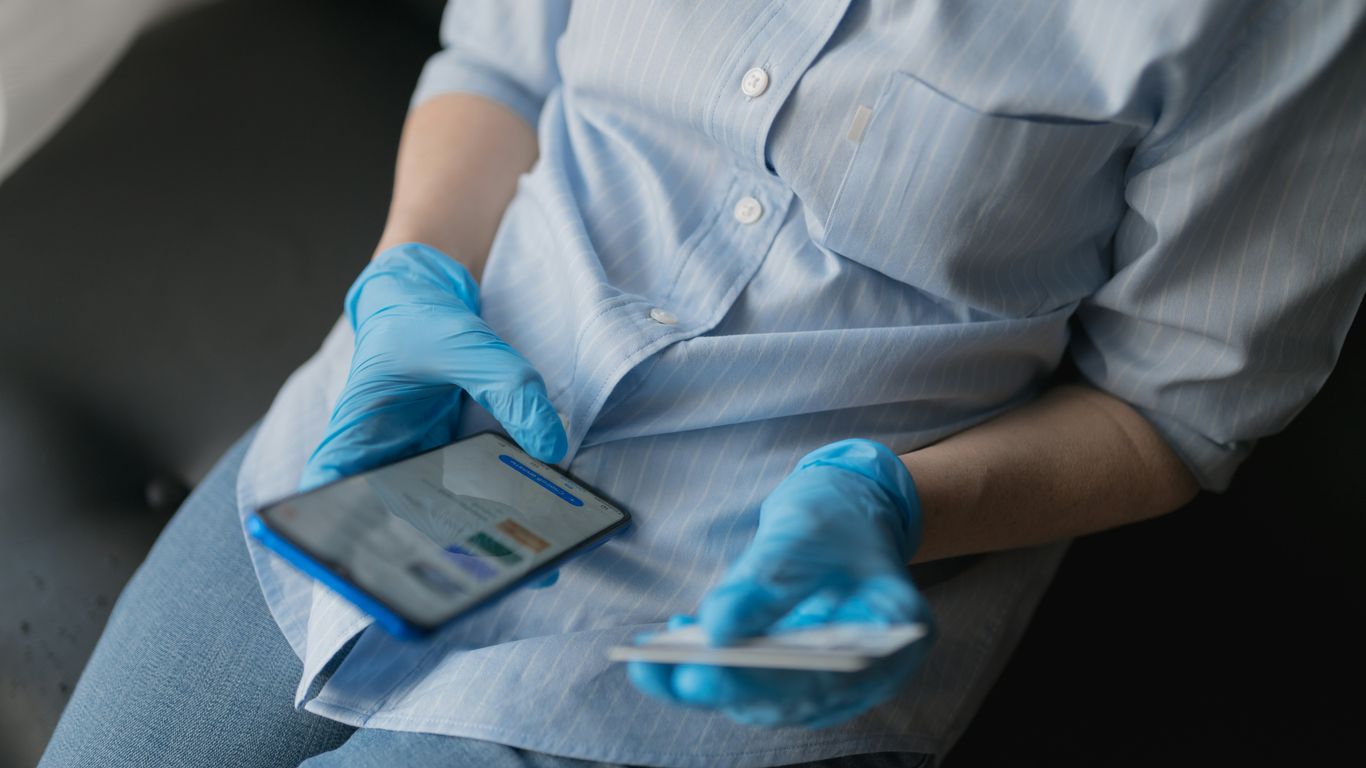
It’s pretty wild how much easier it is to see a doctor now, even if you’re miles away from the nearest clinic. That’s thanks to the Internet of Things, or IoT, really shaking things up in telemedicine. Think about it – instead of just talking on the phone, doctors can now use connected devices to get a much clearer picture of what’s going on with you, right from your own home.
Remote Consultations and Personalized Treatment Plans
This is where IoT really shines. Doctors can use special tools, like digital stethoscopes or high-definition cameras, that send real-time information back to them. It’s almost like they’re in the room with you. This means they can check your vitals, listen to your heart, or even look at your ears with a level of detail that wasn’t possible before. All this data helps them make better decisions about your health. Plus, these systems make it easier for doctors to talk to each other, getting second opinions or working together on your care. It’s a big deal for folks who live far from medical centers or have trouble getting around.
Enhancing Patient Engagement with Chatbots
Beyond just doctor visits, IoT is also making it easier to stay on top of your health day-to-day. You might have seen those AI chatbots popping up on healthcare websites. These aren’t just for simple questions anymore. They can help you schedule appointments, remind you to take your medication, or even answer common questions about your condition. They learn from your interactions, so the more you use them, the more personalized the help becomes. It’s like having a helpful assistant available 24/7, which can make a real difference in sticking to your treatment plan.
Chronic Disease Management in Remote Settings
Managing long-term health issues like diabetes or high blood pressure used to mean frequent trips to the doctor. Now, with IoT devices, you can monitor things like blood sugar or blood pressure at home. These devices send that information straight to your doctor. They can then see how you’re doing in real-time and adjust your treatment if needed, without you having to leave your house. This constant check-in can help prevent serious problems down the line, leading to fewer hospital visits and a better quality of life for people managing chronic conditions, especially those living in rural areas where access to care can be tough.
Optimizing Healthcare Operations with Connected Devices
It’s not just about patient care directly; the Internet of Things is also making a huge difference behind the scenes in how hospitals and clinics actually run. Think about all the moving parts in a healthcare facility – it’s a lot. IoT is stepping in to make things smoother and more efficient.
Streamlining Workflows in Hospitals and Clinics
Remember the days of paper charts and manual tracking? Well, IoT is helping to move past that. Smart devices can automate a lot of the routine tasks that used to take up so much staff time. For instance, patient data can be collected automatically from various sensors, feeding directly into electronic health records. This means less time spent on data entry and more time for actual patient interaction. This automation reduces the chance of human error, which is a big deal when we’re talking about health. It also helps in getting patients the right care faster because information is readily available.
Automating Inventory and Equipment Management
Keeping track of supplies, medications, and expensive equipment can be a real headache. IoT-powered systems use things like RFID tags and sensors to monitor inventory levels in real-time. This means facilities can avoid running out of critical supplies or having too much of something expire. It also helps in locating equipment quickly when it’s needed. Imagine a nurse needing a specific piece of equipment; instead of searching all over, a system can pinpoint its exact location. This kind of tracking is a game-changer for resource management and can be seen in how smart hospitals manage assets.
Improving Resource Utilization for Cost Savings
When workflows are smoother and inventory is managed better, costs naturally go down. Less waste from expired supplies, fewer staff hours spent on manual tracking, and better use of expensive medical equipment all add up. IoT helps healthcare providers get more out of their existing resources. This efficiency isn’t just about saving money, though; it means those saved resources can be redirected to patient care or other important areas. It’s about making the whole system work smarter, not harder. The benefits can be seen in areas like:
- Reduced waste of medications and supplies.
- Optimized use of expensive diagnostic machines.
- Lowered operational costs through automation.
- Better allocation of staff time to patient-facing tasks.
The Role of IoT in Preventive and Personalized Medicine
It’s pretty amazing how the Internet of Things is shifting healthcare from just reacting to problems to actually stopping them before they start. This section is all about how connected devices are helping us get ahead of illnesses and make sure treatments are just right for each person.
Predictive Analytics for Early Disease Detection
Think about it: instead of waiting for symptoms to show up, we can now use data from IoT devices to spot potential health issues way earlier. Wearable sensors, for instance, can track things like heart rate variability, sleep patterns, and even subtle changes in movement. When you feed all this information into smart analytics programs, they can start to see patterns that might signal the beginning of a condition, sometimes weeks or months before a person would even feel sick. This means doctors can step in sooner, maybe with simple lifestyle changes or early medication, which can make a huge difference in how well someone recovers or manages a long-term illness. It’s like having a personal health detective working around the clock.
Tailoring Treatments to Individual Patient Needs
We’re all different, right? So why should our medical treatments be one-size-fits-all? IoT is changing that. By continuously collecting data on how a patient’s body responds to a particular treatment, doctors get a much clearer picture than they ever could from just a few check-ups. For example, someone with diabetes might have a continuous glucose monitor that sends readings straight to their doctor. If the data shows their blood sugar isn’t stabilizing with the current insulin dose, the doctor can adjust it remotely. This kind of real-time feedback loop allows for incredibly precise adjustments, making treatments more effective and cutting down on side effects. It’s about making medicine work for you, not just on you. This approach is really changing how we think about remote patient health monitoring.
Empowering Patients in Their Health Journey
Honestly, a lot of us just go to the doctor when something feels wrong. But with IoT, patients are getting more involved in their own health management. Having access to their own health data through apps connected to their devices gives them a better understanding of their bodies and what impacts their well-being. They can see firsthand how diet, exercise, or even stress affects their vital signs. This knowledge is powerful. It encourages people to make healthier choices and stick to their treatment plans because they can see the direct results. It’s a shift towards patients being active partners in their care, rather than just passive recipients of it. This active role can lead to better adherence and, ultimately, improved health outcomes.
Securing the Future of Internet of Things and Health
Look, the Internet of Things is doing amazing things for healthcare, right? We’re talking about better patient monitoring, more access to doctors, and smoother hospital operations. But with all these connected devices collecting and sending around sensitive health information, we absolutely have to talk about security. It’s not just a minor detail; it’s a big deal.
Protecting Patient Data in Connected Ecosystems
Think about it: your medical history, your real-time vital signs – all this data is being sent wirelessly. If that data falls into the wrong hands, it’s a huge problem. We need strong encryption, like scrambling the data so only authorized people can read it. Plus, making sure only the right devices and people can access the information in the first place is key. It’s like having a super secure lock on your digital health records. We need to build security into these devices from the very beginning, not just tack it on as an afterthought.
Ensuring Cyber Resilience in Healthcare Systems
What happens if a hacker tries to mess with a hospital’s network or a doctor’s connected equipment? It could cause serious disruptions. We need systems that can withstand these kinds of attacks and bounce back quickly if something does go wrong. This means having backup plans and making sure that even if one part of the system is compromised, the rest can keep running, especially when patient care is on the line. It’s about making sure the whole healthcare operation can keep going, no matter what.
Building Trust Through Robust Security Measures
People are going to be more willing to use these new IoT health tools if they trust that their information is safe. That means being upfront about how data is collected and protected. It also means following rules like HIPAA very closely. When patients and doctors feel confident that the technology is secure, they’re more likely to adopt it, and that’s how we really move forward with better healthcare for everyone. It’s a partnership built on reliability.
Advancing Senior Care with IoT Solutions
When it comes to taking care of our older loved ones, the Internet of Things (IoT) is really changing the game. It’s not just about fancy gadgets; it’s about giving seniors more independence and providing peace of mind for everyone involved. Think about it: as people age, they might need more frequent check-ups or face health issues that make living alone a bit trickier. IoT devices can bridge that gap, offering a way for them to stay in their homes longer and safer.
Remote Monitoring for Enhanced Independence
One of the biggest wins for IoT in senior care is remote monitoring. Devices like smartwatches, wearable sensors, and even connected home devices can keep an eye on vital signs, activity levels, and even if someone has fallen. This constant stream of information means healthcare providers can spot potential problems early, sometimes before the senior even notices something is wrong. It’s like having a watchful eye without being intrusive. This allows seniors to maintain their autonomy while still getting the support they need. For instance, a simple wearable could track heart rate and send an alert if it becomes irregular, allowing for a quick check-in or intervention. This kind of proactive care is a huge step forward from just reacting to emergencies. You can find out more about how smart healthcare systems work to integrate these kinds of technologies.
Emergency Alerts and Rapid Response Systems
Beyond just monitoring, IoT offers critical safety nets. Personal emergency response systems (PERS) have been around for a while, but IoT takes them to the next level. Instead of just a button push, these systems can automatically detect falls or other emergencies based on sensor data. Imagine a senior who has fallen and can’t reach a button; an IoT system could detect the fall and automatically alert family members or emergency services. This rapid response is absolutely vital in critical situations. It means help can arrive much faster, potentially making a big difference in the outcome. These systems can also include features like medication reminders, ensuring seniors take their prescriptions on time, which is another common challenge.
Peace of Mind for Patients and Families
Ultimately, the goal is to improve the quality of life for seniors and reduce worry for their families. Knowing that a loved one is being monitored, that help is readily available if needed, and that they can live more independently brings a huge sense of relief. It’s about creating a connected care network that supports seniors in their own homes. This technology helps families stay connected and informed without feeling like they’re constantly hovering. It’s a win-win, allowing seniors to live with dignity and families to feel more secure about their well-being.
The Future is Connected, and It’s Caring for Us
So, we’ve seen how the Internet of Things is really changing the game for health and patient care. From keeping a closer eye on folks at home to making hospitals run a bit smoother, these connected devices are becoming a bigger part of how we stay healthy. It’s not just about fancy gadgets; it’s about making sure people get the right care, right when they need it, and often without even having to leave their homes. As this technology keeps growing, we can expect even more ways it will help doctors and patients work together, leading to better health for everyone. It’s a pretty exciting time to see how technology is stepping up to help us all live healthier lives.
Frequently Asked Questions
What exactly is the Internet of Things (IoT) in healthcare?
Think of IoT in healthcare like giving everyday medical tools a brain and a voice! It means connecting devices like your smartwatch, a special bed in the hospital, or even a pill bottle to the internet. These connected things can then share information about your health, like your heart rate or if you’ve taken your medicine, with doctors and nurses. It’s all about making healthcare smarter and more connected.
How does IoT help doctors keep a closer eye on patients?
IoT devices are like super-watchful assistants for doctors. Wearable gadgets can constantly track things like your heartbeat, blood sugar, or how much you’re moving. This information is sent right to your doctor, so they can see if anything is changing, even if you’re at home. This helps them catch problems early and make sure you’re getting the right care, without you always having to be in the doctor’s office.
Can IoT help people who live far away from doctors?
Absolutely! This is where IoT really shines. It’s called telemedicine or remote care. Imagine having a video call with your doctor where they can also see your real-time health data from your wearable device. This means you can get advice and treatment plans without traveling, which is a huge help for people in rural areas or those who have trouble getting around.
Are smart devices safe for my personal health information?
That’s a really important question! Keeping your health information private is a top priority. Companies making these IoT health devices work hard to protect your data using special codes (encryption) and secure systems. Think of it like a strong lock on your digital health records. While no system is perfect, security is a major focus in this field.
How does IoT make hospitals run better?
Hospitals use IoT to make things smoother and more efficient. For example, ‘smart beds’ can alert nurses if a patient is trying to get up and might fall, or if their vital signs change. IoT can also help track medical equipment so it’s always available when needed and manage supplies automatically. This means doctors and nurses can spend less time on tasks and more time caring for patients.
Can IoT help older adults stay independent longer?
Yes, it can be a great help! IoT devices can allow older adults to live in their own homes safely for longer. Things like fall detectors, medication reminders, and systems that let them easily call for help in an emergency can give them more freedom. Plus, it gives peace of mind to their families, knowing that help is available if needed.