
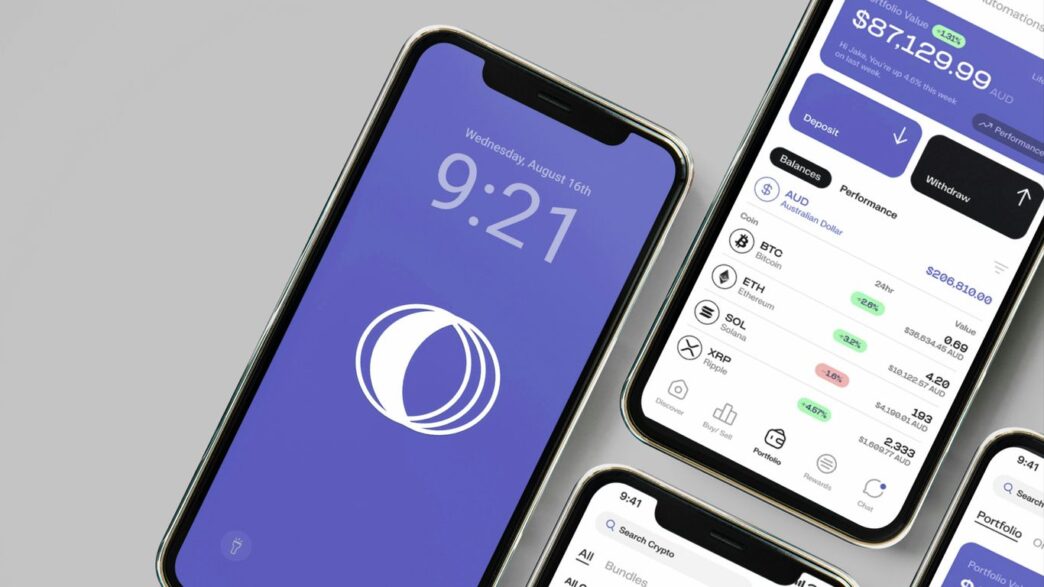
Thinking about how to build a banking app? It’s a big project, for sure. People expect their banks to be right there on their phones now, not just a building downtown. This guide breaks down what you need to consider, from the very first idea to keeping things running smoothly after launch. We’ll cover the tech, the rules, and making sure people actually like using it. Let’s get started.
Key Takeaways
- Start by clearly defining what your app will do and why, matching features to what users need and what the business aims for.
- Choose your technology stack carefully – the programming languages, databases, and tools you pick now will affect how well your app works and grows later.
- Security and following financial rules are super important. You have to protect user data and play by the law, no exceptions.
- Make the app easy and pleasant to use. Good design means people will stick around and find it simple to manage their money.
- Plan for building, testing, and releasing in stages, and be ready to keep improving the app based on what users say and how it performs.
Laying The Foundation To Build A Banking App
Alright, so you want to build a banking app. That’s a big undertaking, and honestly, it’s not something you can just jump into without some serious thought. Before you even think about writing a single line of code, you need to get the basics sorted. This is where we lay the groundwork, and it’s probably the most important part of the whole process.
Defining Core Product Features
First things first, what exactly is this app supposed to do? You can’t just build a banking app; you need to define its core functions. Think about what users absolutely need from day one. For most banking apps, this usually includes things like:
- Secure login, maybe using fingerprints or face ID.
- Checking account balances and seeing past transactions.
- Moving money around, both within your own accounts and to other people.
- Paying bills.
- Getting help from customer service.
Trying to cram too many features in from the start can really slow things down and make the app confusing. It’s better to focus on the main things users expect and then add more later. This approach helps keep the project focused and on track for a timely launch. You can find more details on designing a mobile banking application to get a better sense of what’s involved.
Understanding Business Objectives
Beyond what the user sees, you need to know why you’re building this app from a business perspective. What are you trying to achieve? Are you looking to attract a younger demographic, reduce the load on physical branches, or offer new digital-only services? Your app’s features and design should directly support these goals. For example, if your objective is to reduce branch traffic, you’ll want to make sure tasks like opening new accounts or applying for loans can be done easily within the app.
Identifying Target User Needs
Who are you building this for? Are they tech-savvy millennials, older folks who are new to digital banking, or small business owners? Each group will have different expectations and comfort levels with technology. You need to figure out what problems your app will solve for them. Maybe they need a simpler way to track spending, or perhaps they want faster access to their money. Understanding these user needs is key to making an app that people will actually use and find helpful. It’s all about making their financial lives a little bit easier. Building a solid digital banking architecture is key to meeting these diverse needs effectively.
Choosing The Right Technology Stack
So, you’ve got the core ideas down for your banking app. Now comes the part where we talk about the actual building blocks: the technology stack. This isn’t just about picking fancy names; it’s about selecting the tools that will make your app secure, fast, and able to grow with your business. Think of it like choosing the right materials for a house – you want something solid that won’t crumble later.
Selecting Frontend Frameworks
The frontend is what your users actually see and interact with. For a banking app, you’ve got a few main paths. You can go native, meaning separate apps for iOS (using Swift) and Android (using Kotlin). This often gives you the best performance and access to device features. Or, you can opt for cross-platform frameworks like Flutter or React Native. These let you write code once and deploy it on both platforms, which can save a lot of time and resources. The choice here really depends on your budget, timeline, and how much you need to customize the user experience on each platform. For many, a cross-platform approach is a good starting point for a mobile banking application.
Backend Development Languages
This is the engine room of your app. It handles all the heavy lifting: data storage, security, processing transactions, and talking to other systems. Common choices for the backend include languages like Java, Python, or Node.js. Each has its strengths. Java is known for its robustness and is widely used in enterprise environments. Python is popular for its readability and extensive libraries, often used in fintech development. Node.js is great for real-time applications and can be very efficient. You’ll also need to consider frameworks that help structure your backend code and add security layers.
Database Solutions
Where does all your customer data and transaction history live? In a database, of course. For banking apps, reliability and security are paramount. Relational databases like PostgreSQL are often favored because they handle structured data and transactions very well. However, NoSQL databases like MongoDB can also be useful for certain types of data or when you need more flexibility. The key is to choose a database that can handle the volume of data you expect and offers strong security features.
API Integration Strategies
Your banking app won’t exist in a vacuum. It needs to talk to other systems, both internal and external. This is where APIs (Application Programming Interfaces) come in. You’ll use APIs to connect your frontend to your backend, and also to integrate with third-party services like payment gateways or credit scoring agencies. For open banking initiatives, you’ll need to implement specific API standards. Planning your API strategy early helps make sure all the different parts of your app can communicate smoothly and securely.
Prioritizing Security And Compliance
When you’re building a banking app, security and following the rules aren’t just important; they’re everything. People are trusting you with their money and personal details, so you absolutely have to get this right from the start. It’s not something you can bolt on later.
Implementing Robust Security Measures
Think of security as the foundation of your app. You need layers of protection. Multi-factor authentication (MFA) is a must, meaning users need more than just a password to log in – maybe a code sent to their phone or a fingerprint scan. Strong encryption is also key, scrambling data so even if someone intercepts it, they can’t read it. This applies to data both when it’s being sent and when it’s stored. We also need to keep an eye out for suspicious activity all the time. Card-not-present fraud, where someone uses stolen card details online, is a big problem, making smart digital defenses really important. Building security into the design from day one saves a lot of headaches down the road.
Here are some security features to consider:
- Multi-factor authentication: Beyond passwords, use biometrics or one-time codes.
- End-to-end encryption: Protect data in transit and at rest.
- Fraud detection: Use AI to spot unusual transactions.
- Session timeouts: Automatically log users out after inactivity.
- Dynamic CVCs: For card details, a code that changes regularly.
Adhering To Financial Regulations
This is where things can get complicated, because different places have different rules. In Europe, for example, you’ve got GDPR for data privacy and PSD2 for payment services. If you’re handling payment card information, PCI DSS is a big one. These aren’t suggestions; they’re legal requirements. You need to know which regulations apply to your app based on where your users are and what kind of services you offer. Getting this wrong can lead to hefty fines and a damaged reputation. It’s best to consult with legal experts who specialize in financial technology to make sure you’re covered. Understanding local banking laws is part of this process.
Data Protection Protocols
Protecting user data goes hand-in-hand with security and compliance. This means being clear with users about what data you collect and why. You need protocols for how that data is stored, accessed, and eventually deleted. Think about things like anonymizing data where possible and limiting access to sensitive information only to those who absolutely need it for their job. The average cost of a data breach in the financial sector is quite high, so preventing breaches is way cheaper than dealing with the aftermath. Keeping sensitive financial data protected is paramount for building a trustworthy app. This is why staying vigilant against evolving cyber threats is so important.
Designing An Intuitive User Experience
Okay, so you’ve got the core features planned and the tech stack sorted. Now, let’s talk about making this banking app actually pleasant to use. Because let’s be honest, nobody wants to wrestle with a confusing app just to check their balance. A banking app should feel like a helpful tool, not a puzzle.
Crafting Seamless Navigation
Think about how people actually use banking apps. They want to get in, do their thing quickly, and get out. This means the layout needs to be super clear. We’re talking about putting the most common actions – like checking balances, transferring money, or paying bills – right where people can see them without digging. Avoid burying important stuff under layers of menus. Progressive disclosure is your friend here; show users what they need when they need it, rather than overwhelming them with everything at once. This approach helps reduce user drop-offs and keeps things moving smoothly. For instance, instead of showing every single transaction detail upfront, you might just show the date, amount, and merchant, with an option to tap for more info if they want it. It’s all about making the user’s journey as straightforward as possible.
Optimizing For Accessibility
This is a big one. Your app needs to be usable by everyone, regardless of their abilities. That means paying attention to things like font sizes – can people with weaker eyesight read the text easily? What about color contrast? Is it sufficient for users with visual impairments? We also need to think about screen readers. If someone is using assistive technology, can they still understand and interact with your app? Implementing features like biometric logins, such as fingerprint or facial recognition, can also simplify the process for many users, making it quicker and more secure than remembering complex passwords. It’s not just about ticking boxes; it’s about making your app genuinely usable for a wider audience. You can find some great resources on accessibility standards to help guide your design choices.
Visual Appeal And Branding
While functionality is king, how your app looks and feels matters too. It’s about building trust and making the experience feel professional. This is where your branding comes in. Use your bank’s established colors, logo, and fonts consistently. If it’s a new venture, now’s the time to nail down that visual identity. The goal is to create a look that’s clean, modern, and inspires confidence. Think about the overall aesthetic – is it cluttered or calm? Does it feel trustworthy? A well-designed interface, with clear calls-to-action and a consistent visual language, can make a huge difference in how users perceive your bank. It’s the difference between an app that feels like a chore and one that users actually don’t mind interacting with. Remember, people are entrusting you with their money, so the app’s appearance should reflect that seriousness and reliability.
Developing And Testing Your Application

Alright, so you’ve got your plans laid out, your tech stack picked, and your security measures in place. Now comes the part where things actually start to take shape: building and testing the app. This is where all those ideas turn into something tangible, but it’s also where you need to be super careful.
Agile Development Methodologies
Most teams these days don’t just build an app from start to finish in one go. It’s way more practical to use something like Agile. Think of it as building in small, manageable chunks. You work in short cycles, called sprints, usually lasting a couple of weeks. Each sprint aims to deliver a working piece of the app. This way, you can see progress regularly and make changes if needed without derailing the whole project. It’s all about flexibility and getting feedback early and often.
Comprehensive Testing Strategies
Testing is absolutely non-negotiable for a banking app. You can’t afford to have bugs, especially when money is involved. We’re talking about multiple layers of testing here. First, there’s unit testing, where individual pieces of code are checked. Then comes integration testing, making sure different parts of the app work together. Functional testing verifies that features do what they’re supposed to. And for a banking app, security testing is a huge deal. You’ll want to look into tools and practices that check for vulnerabilities, like static analysis security testing (SAST) to safeguard user data. Don’t forget about performance testing to see how the app handles a lot of users at once, and user acceptance testing (UAT) where actual users try it out. It’s also smart to consider on-premise testing to meet specific compliance needs.
Here’s a quick rundown of what to test:
- Functionality: Does every button, every transaction, every feature work as intended?
- Security: Are user accounts protected? Is data encrypted? Can unauthorized access be prevented?
- Performance: How fast does the app load? Does it slow down with many users?
- Usability: Is it easy for people to figure out and use?
- Compatibility: Does it work on different devices and operating system versions?
Deployment And Release Planning
Once you’ve tested everything to death and are confident it’s solid, it’s time to think about getting it out there. This isn’t just about hitting ‘publish’ on the app stores. You need a plan. How will you roll it out? Maybe a phased rollout, starting with a small group of users, is a good idea. This lets you catch any last-minute issues before everyone has it. You also need to think about marketing – how will people know your app exists? And what’s the plan for when it goes live? Who’s watching the servers? Who’s ready to fix any immediate problems? Having a clear deployment strategy minimizes risks and sets you up for a smoother launch.
Post-Launch Enhancements And Support
So, you’ve launched your banking app. That’s a huge accomplishment, but honestly, it’s just the starting line. The real work of keeping users happy and your app competitive begins now. Think of your app not as a finished product, but as a living thing that needs constant care and attention. This means you’ll be in a continuous loop of listening to your users and making things better.
Gathering User Feedback
This is where you really find out what people think. You can’t just guess what your users want; you need to ask them. There are a few ways to do this. First, keep an eye on app store reviews and social media comments. People are often very vocal there, both with praise and complaints. You can also set up surveys, maybe even in-app ones, to get more direct opinions. Actively seeking out what users like and dislike is key to knowing where to focus your efforts. It’s a chance to see how your app performs in the real world, beyond the testing labs. This feedback is gold for identifying issues you might have missed during development. You can find more on how to effectively market your app post-launch by looking at user feedback strategies.
Iterative Improvement Cycles
Once you have that feedback, you need to act on it. This isn’t about making one big update; it’s about making lots of small, smart changes over time. Your development team should be ready to tweak the user interface based on what users find confusing or to fix bugs that pop up. It’s about refining the app, adding new features that users are asking for, and generally making the experience smoother. This iterative process helps your app stay relevant and useful. Think about it like this:
- Bug Fixes: Address any issues reported by users promptly. Small bugs can become big annoyances.
- Feature Tweaks: Adjust existing features based on usage patterns and feedback. Maybe a button is hard to find, or a process takes too long.
- New Feature Rollouts: Introduce new capabilities that align with user needs and market trends. This could be anything from better budgeting tools to new payment options.
Scalability And Performance Monitoring
As your user base grows, your app needs to keep up. You can’t have your app slowing down or crashing when too many people try to use it at once. This is where monitoring comes in. You need to keep a close watch on how your app is performing. Are transactions processing quickly? Is the app responsive? Are there any unexpected spikes in errors?
Here’s a quick look at what to monitor:
| Metric | Description |
|---|---|
| Response Time | How quickly the app responds to user actions. |
| Error Rate | Percentage of requests that result in an error. |
| Uptime | Percentage of time the app is available. |
| Resource Usage | CPU, memory, and network usage on servers. |
By keeping an eye on these kinds of metrics, you can catch potential problems before they affect a lot of users. It’s all about maintaining a smooth and reliable experience. This proactive approach is key to managing app performance and keeping your users happy in the long run.
Wrapping It Up
So, building a banking app is definitely a big project, not something you just whip up over a weekend. We’ve gone through a lot here, from figuring out what your app should even do, to picking the right tech, and making sure it’s super secure and follows all the rules. It’s a lot to think about, and there are definitely some tricky parts, like making sure everything talks to your old systems and keeping up with new tech. But, if you get it right, you end up with something really useful for your customers, making their lives easier and keeping them coming back. It’s a journey, for sure, but totally doable with the right plan and team.
Frequently Asked Questions
Why should a bank even bother making an app?
Think about it: most people use their phones for everything these days, right? Making a banking app is like opening a digital branch that’s open 24/7. It helps banks keep their current customers happy and also attract new ones who prefer doing things online. Plus, it makes the bank seem more modern and with the times.
Do people really like using apps for banking more than going to a real bank?
Yep, pretty much! People today expect things to be quick and easy, just like with other apps they use. They want to check their money, pay bills, and move cash around without waiting in line or dealing with paperwork. An app makes all of that super simple and fast.
What kind of people do you need to build a banking app?
You need a team of smart folks! This includes people who can build the behind-the-scenes stuff (back-end developers), the parts you see and tap on (mobile developers), someone to make it look good and easy to use (UX/UI designer), people who test everything to make sure it works right (QA engineers), and someone to keep the whole project on track (project manager). Depending on how fancy the app is, you might need even more experts.
How much money does it cost to make a banking app?
It’s not cheap, but it’s an investment. The cost can change a lot depending on how many features you want, how big your team is, and how long it takes to build. For a basic app, you might be looking at tens of thousands of dollars, and for a more complex one, it could go up to hundreds of thousands.
What are the main steps to creating a banking app?
First, get your awesome team together. Then, do some homework to figure out what your app should do and what competitors are up to. Next, make sure it’s super secure to protect people’s money and info. After that, design how it looks and works so it’s easy to use. Finally, build it, test it like crazy, release it, and then keep making it better based on what users say.
Is it really hard to build a banking app?
Building a banking app can be tricky, for sure. You have to deal with super-secret information, follow a lot of rules, and make sure it works perfectly every time. But, if you plan it right and have a good team, you can create something really useful that people will love using. The good news is there are tools and services that can help make the process smoother.