Thinking about getting a new phone? It can be a lot to sort through. One thing that really changes how you use a phone is its size. We’re going to look at how to compare smartphones by size, covering everything from how they’re measured to how different sizes feel in your hand and pocket. We’ll even touch on those cool foldable phones. Let’s figure out what size works best for you.
Key Takeaways
- Smartphone size is determined by its physical dimensions (length, width, thickness), screen size measured diagonally, and weight.
- Larger phones are great for watching videos, gaming, and multitasking, but can be harder to handle with one hand and fit in pockets.
- Smaller phones are generally more portable, easier to use one-handed, and fit more comfortably in pockets, though they offer less screen real estate.
- Brands like Apple, Samsung, and Google offer a variety of sizes, from compact models to large-screen devices, to suit different user preferences.
- Foldable phones offer a unique solution, providing a compact form factor when closed and a large, tablet-like screen when opened.
Understanding Smartphone Dimensions
When you’re looking at a new phone, it’s easy to just focus on the screen, right? But there’s more to it than just how big the display looks. The actual physical size and how it feels in your hand matter a lot for how you’ll use it every day. Let’s break down what makes up a phone’s size.
Measuring Length, Width, and Thickness
So, the basic measurements are pretty straightforward. You’ve got the length, which is the longest side, the width, which is the shorter side, and then the thickness, how deep it is. These numbers tell you the overall footprint of the device. It’s like looking at a small brick – you know its dimensions before you even pick it up. Knowing these helps you figure out if it’ll feel like a slab in your pocket or if it’s slim enough to be comfortable.
The Importance of Screen Size
Now, the screen size is what most people think about. This is measured diagonally, from one corner to the opposite. It’s usually given in inches. A bigger screen means more space for watching videos or playing games, but it also means the phone itself is bigger. It’s worth remembering that the screen size isn’t the same as the phone’s body size. Bezels, those borders around the screen, take up some space. The diversity in screen sizes across Android devices is pretty wild, offering lots of choices.
How Weight Affects Handling
Don’t forget about weight! A phone can have similar dimensions to another but feel totally different because of its weight. A heavier phone might feel more solid and premium, but it can also get tiring to hold for long periods or feel bulky when you’re on the go. Lighter phones are generally easier to manage, especially if you’re trying to use it with one hand or if you’re using accessories like a running armband. It’s a balancing act between feeling substantial and being comfortable.
Here’s a quick look at how some popular phones stack up:
| Phone Model | Length (in) | Width (in) | Thickness (in) | Weight (oz) |
|---|---|---|---|---|
| iPhone 14 | 6.1 | 3.07 | 0.29 | 6.07 |
| Samsung Galaxy S23 | 6.1 | 2.94 | 0.30 | 5.93 |
| Google Pixel 7 | 6.1 | 2.90 | 0.30 | 6.95 |
Comparing Popular Smartphone Sizes
Alright, so you’re trying to figure out which phone is the right size for you. It’s not just about the screen, you know? The actual physical dimensions and how much it weighs really matter for how you use it day-to-day. Let’s look at some of the big players out there.
Apple iPhone Size Variations
Apple tends to offer a few different sizes within their iPhone lineup, so you can usually find something that fits your hand and your pocket. They’ve got the standard models, then the ‘Pro’ versions which are often a bit bigger and packed with more features, and then the ‘Plus’ or ‘Max’ models if you really want a big screen. It’s good to see they give you options.
Here’s a quick look at some recent iPhone sizes:
- iPhone 14 Pro Max: Length: 6.33”, Width: 3.05”, Thickness: 0.31”, Weight: 8.47 oz
- iPhone 14 Plus: Length: 6.33”, Width: 3.07”, Thickness: 0.31”, Weight: 7.16 oz
- iPhone 14 Pro: Length: 5.81”, Width: 2.81”, Thickness: 0.31”, Weight: 7.27 oz
Samsung Galaxy Dimensions
Samsung’s Galaxy S series is another popular choice, and they also play around with different sizes. You’ll often find a base model, a ‘Plus’ version, and then the ‘Ultra’ which is usually the biggest and baddest of the bunch. The Ultra models often have a bit more thickness to them, probably to fit in all those extra cameras and features.
Let’s check out some Galaxy S23 sizes:
| Phone Model | Length (in) | Width (in) | Thickness (in) | Weight (oz) |
|---|---|---|---|---|
| Galaxy S23+ | 6.21 | 3.0 | 0.3 | 6.88 |
| Galaxy S23 Ultra | 6.43 | 3.07 | 0.35 | 8.22 |
Google Pixel Size Overview
Google’s Pixel phones are known for their clean software and great cameras. They also offer different sizes, with the ‘Pro’ model typically being the larger option. Pixels often feel pretty comfortable in the hand, even the bigger ones, which is a nice touch.
Here are the dimensions for some Pixel 7 models:
- Google Pixel 7: Length: 6.1”, Width: 2.9”, Thickness: 0.3”, Weight: 6.95 oz
- Google Pixel 7 Pro: Length: 6.4”, Width: 3.0”, Thickness: 0.3”, Weight: 7.48 oz
Comparing these popular models shows that even within the same brand, there’s a noticeable range in physical size and weight. This variety is great because it means you can pick a phone that feels just right for how you plan to use it.
Visualizing Smartphone Size Differences
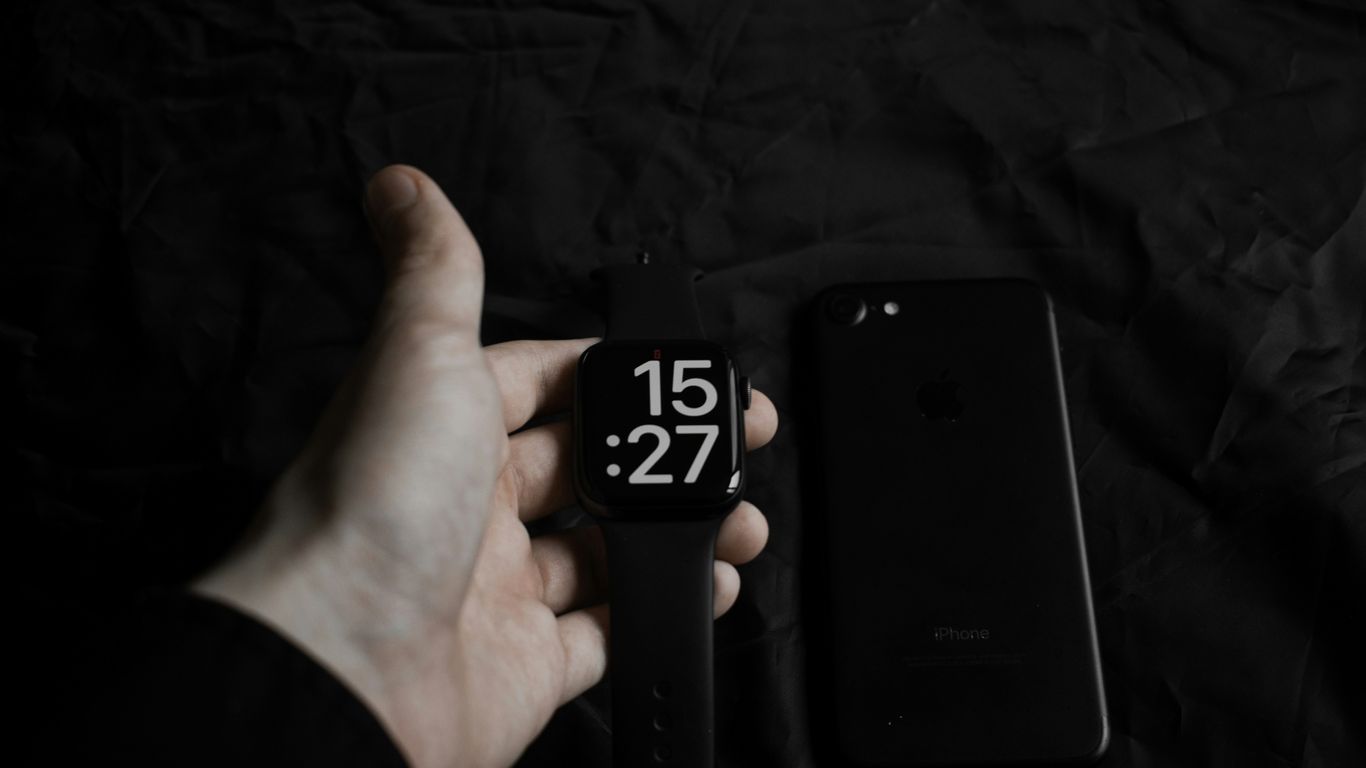
Okay, so you’ve got the specs, the dimensions, the screen size – all that good stuff. But how do you actually picture what that means in your hand, or in your pocket? That’s where visualizing comes in. It’s not just about numbers; it’s about how a phone feels and fits into your life.
Pocketability and Portability
Think about where you usually keep your phone. Is it a front jeans pocket? A jacket pocket? A small purse? A bigger phone might feel like a brick in your pocket, sticking out awkwardly or just being a general nuisance when you sit down. Smaller phones, on the other hand, tend to disappear into pockets, making them way easier to carry around without even noticing.
Here’s a rough idea of how some popular phones might fit:
- Compact Phones (e.g., iPhone SE, Pixel 7): Generally slip into most pockets with ease. You might forget it’s there.
- Medium Phones (e.g., standard iPhone, Galaxy S series): Most pockets can handle these, but they might fill up the space. You’ll definitely feel them.
- Large Phones (e.g., Pro Max, Ultra, Plus models): These are the pocket-fillers. You might need a jacket pocket or a bag, especially if you’re wearing slimmer pants.
One-Handed Use Versus Immersive Displays
This is a big one. Do you find yourself constantly stretching your thumb across the screen, or do you need two hands just to type a text? A larger screen is fantastic for watching videos, playing games, or multitasking, giving you more real estate to work with. It feels more like a mini-tablet.
But, and it’s a pretty significant ‘but’, using a big phone with just one hand can be a real pain. Reaching the top corners or even the middle of the screen can be a stretch. Smaller phones, while less immersive, are often much easier to manage with a single hand. You can tap, swipe, and type without doing a finger yoga routine.
How Size Impacts Daily Activities
Your phone’s size isn’t just about how it looks; it affects how you do things.
- Commuting: Juggling a large phone while standing on a crowded bus can be tricky. A smaller, more manageable phone is often better.
- Taking Photos: While larger phones might have better camera hardware, a smaller phone can be quicker to pull out and frame a shot with one hand.
- Reading and Browsing: If you spend a lot of time reading articles or scrolling through social media, a bigger screen is generally more comfortable and less eye-straining.
- Work Tasks: For anything involving typing, editing documents, or using multiple apps side-by-side, a larger display can make a huge difference in productivity.
Choosing Your Ideal Smartphone Size
So, you’ve looked at the dimensions, you’ve thought about screen size, and maybe even weighed them all up. Now comes the big question: which size is actually right for you? It’s not just about specs on paper; it’s about how the phone feels in your hand and how it fits into your daily grind. Let’s break down how to pick the perfect size.
When to Opt for a Larger Screen
If you find yourself constantly squinting at your current phone, or if you use your device for more than just quick texts and calls, a bigger screen might be your best bet. Think about how you use your phone. Do you binge-watch shows on your commute? Spend hours playing mobile games? Or maybe you do a fair bit of reading or even work on your phone? If any of these sound like you, a larger display, generally 6.5 inches and up, will make a world of difference. It means less scrolling, more viewing, and a generally more comfortable experience for media consumption and productivity. Plus, if you’re used to a bigger phone, going smaller can feel like a downgrade.
When a Smaller Screen is Preferable
On the flip side, maybe you’re tired of juggling a phone that feels too big for your hand. If your primary use is quick checks, sending messages, or browsing social media, and you prefer doing it all with one hand, a smaller device is probably the way to go. Phones with screens between 4.5 and 6.5 inches often hit that sweet spot for portability. They slip easily into pockets without feeling bulky, and they’re much easier to manage when you’re on the move or have your hands full. A smaller phone can genuinely make your day-to-day interactions feel simpler and more fluid.
Finding the Perfect Balance
Sometimes, you don’t want to have to choose. This is where things get interesting, especially with the rise of foldable phones. They offer a compact form factor when closed, fitting neatly into your pocket, but then unfold to reveal a much larger screen for when you want that immersive experience. It’s like having two phones in one. If you’re torn between portability and screen real estate, exploring these newer designs might be the answer. For those sticking to traditional slab phones, it’s about weighing your most common use cases against your comfort. Try holding different sizes in a store if you can – that physical feel is often the best indicator.
Exploring Foldable Phone Sizes
Foldable phones are kind of a big deal right now, aren’t they? They’re like the Swiss Army knives of the smartphone world, offering a lot of flexibility. You get this compact device that fits in your pocket, but then, poof, you unfold it and suddenly you have a screen that’s almost tablet-sized. It’s pretty neat.
Dual-Screen Functionality
These phones often have two screens, which sounds complicated but can actually be super useful. There’s usually a smaller outer screen, sometimes called a ‘cover screen,’ that you can use for quick checks like seeing notifications, replying to texts, or even just checking the time. It’s like having a regular smartphone. But then, when you need more space for something serious, like editing a document, watching a movie, or playing a game, you unfold it.
Compactness When Folded
This is where foldables really shine for some people. When they’re all folded up, they’re surprisingly small. Think about the Galaxy Z Flip series – it folds in half and can easily slip into a small pocket or a tiny purse. It’s a big change from those massive slabs we’ve gotten used to. It makes carrying your phone around a lot less of a hassle, especially if you don’t like bulky things in your pockets.
Large Screen Experience Unfolded
Once you unfold these devices, you’re greeted with a much larger display. For example, some of the Galaxy Z Fold models open up to a 7.6-inch screen. That’s a lot of real estate! It’s great for multitasking, letting you have two apps open side-by-side without feeling cramped. Watching videos or playing games on a screen this size is also a much more immersive experience compared to a standard phone. It really changes how you interact with your phone for certain tasks.
Wrapping It Up
So, we’ve looked at how phones are measured and what makes them big or small. It’s not just about the screen size, but also how the phone feels in your hand and how much it weighs. Whether you’re after something you can easily slip into your pocket or a big screen for watching videos, there’s a phone out there for you. Think about what you do most with your phone – that’s the best way to figure out what size will work best for your everyday life. Don’t just go by the numbers; try to get a feel for it if you can.
Frequently Asked Questions
How do phone companies measure phone size?
Phone makers measure a phone’s size using its length, width, and thickness. They also look at the screen size, which is measured diagonally from corner to corner. The weight of the phone is another important factor that affects how it feels in your hand.
What’s the difference between screen size and phone size?
The screen size is just the display part, measured diagonally. The overall phone size includes the screen plus the edges around it, called bezels. So, a phone might have a 6-inch screen, but the phone itself could be a bit bigger because of those borders.
Why is the weight of a phone important?
A phone’s weight can make a big difference in how comfortable it is to use. Lighter phones are easier to hold for long periods and fit better in pockets. Heavier phones might feel more solid and premium, which some people prefer, especially for gaming or work.
What makes a phone good for one-handed use?
A phone that’s good for one-handed use is usually smaller and lighter. This means you can comfortably reach most of the screen with your thumb without having to stretch too much or use your other hand. Smaller screen sizes often make this easier.
Are bigger phones always better for watching videos?
Bigger phones generally offer a more immersive experience for watching videos because you have more screen space. However, they can also be heavier and less portable. It really depends on whether you prioritize a big display or ease of carrying.
What are foldable phones like in terms of size?
Foldable phones are interesting because they can change size. When folded, they can be very compact, fitting easily into pockets. When unfolded, they open up to reveal a much larger screen, similar to a small tablet, which is great for multitasking or watching content.