Hyundai’s Strategic Alliance With NVIDIA
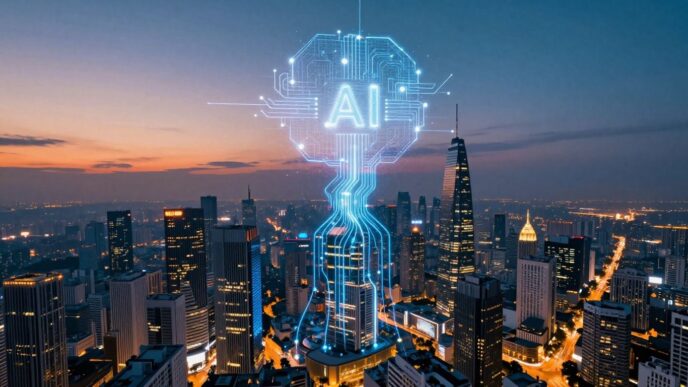
Hyundai Motor Group is really stepping up its game when it comes to self-driving cars, and a big part of that is their partnership with NVIDIA. It’s not just a small collaboration; they’re looking at how AI and super-fast computing can change how cars are made and how they drive. This alliance is all about building a unified system for what they call software-defined vehicles.
Accelerating Autonomous Driving Development
Think of it like this: building self-driving tech is super complicated. You need tons of computing power to process all the information a car sees and make split-second decisions. NVIDIA is known for its powerful chips, the kind used in gaming and serious AI work. By teaming up, Hyundai gets access to this advanced tech. They’re not just trying to make one self-driving car; they want a whole system that can grow. This means starting with driver assistance features you might see today and building up to fully autonomous driving, like what you’d need for a robotaxi.
Leveraging AI and Accelerated Computing
AI is the brain, and accelerated computing is the muscle. Hyundai is using NVIDIA’s AI platforms to train the complex models needed for self-driving. This involves feeding the AI massive amounts of real-world driving data. The faster the computing, the quicker these AI models can learn and improve. It’s a cycle: collect data, train the AI, test it, and then collect more data. This partnership means they can do that much faster and more efficiently than before.
Unified Approach to Software-Defined Vehicles
Cars are becoming more like computers on wheels. Hyundai is pushing for what they call ‘software-defined vehicles’ (SDVs). This means a lot of the car’s features and capabilities are controlled by software, which can be updated and improved over time, much like your smartphone. By working with NVIDIA, they’re creating a common platform for this software. This makes it easier to develop and deploy new features across different Hyundai and Kia models, from basic safety systems to advanced autonomous functions. It’s about making sure all their vehicles can speak the same software language, making development smoother and more consistent.
Advancing Hyundai Self Driving Capabilities
Hyundai is really pushing forward with its self-driving tech, and a big part of that is how they’re building the systems. They’re not just slapping on some sensors and calling it a day. Instead, they’re using the NVIDIA DRIVE Hyperion platform as the backbone for their autonomous driving setup. Think of it like a really solid foundation for a house – everything else gets built on top of it.
What’s neat about this is that the architecture they’re creating is designed to be flexible. It can handle everything from Level 2 systems, which are the advanced driver-assist features most of us are familiar with, all the way up to Level 4 autonomy. This means the same basic system can be scaled up as the technology matures and regulations allow for more advanced self-driving capabilities. It’s a smart way to build for the future without having to completely re-engineer everything down the line.
This approach is all about making driving safer and more intuitive. By integrating these advanced AI systems, the cars can process more information from the environment, leading to better decision-making on the road. It’s not just about taking the driver out of the equation entirely, but about creating a more intelligent co-pilot that can help prevent accidents and make journeys smoother. They’re aiming for a system that learns and improves over time, making every drive a bit better than the last.
Here’s a quick look at how they’re structuring this:
- Scalable Architecture: From current driver aids (Level 2) to fully autonomous operation (Level 4).
- Integrated Platform: Built using NVIDIA’s DRIVE Hyperion for a unified approach.
- Data-Driven Improvement: The system gets smarter with more real-world driving data.
- Enhanced Safety: Focus on making driving less stressful and more secure for everyone.
Data-Driven Development for Autonomous Systems
Real-World Driving Data Collection at Scale
Hyundai’s approach to self-driving tech really leans into collecting a ton of real-world driving information. Think of their entire fleet of cars out on the road as giant data collectors. Every mile driven, every tricky intersection, every sudden stop – it all gets logged. This massive amount of data is then sent to NVIDIA’s AI systems. It’s like feeding a super-smart brain with real-world experiences so it can learn and get better. This continuous stream of data is the fuel that powers the ongoing improvement of their autonomous driving software.
Continuous AI Model Training and Refinement
Once the data is collected, the real work begins. The AI models that control the self-driving features need to be trained and then constantly tweaked. This isn’t a one-and-done process. It’s a cycle. The collected data is used to train the AI, identify areas where it might struggle, and then refine its decision-making. This means the software gets smarter over time, learning from millions of miles driven by the fleet. It’s a bit like how a student studies for a test, then studies some more after getting feedback on their practice questions.
Unified Learning Pipeline for Performance Improvement
To make all of this work efficiently, Hyundai is setting up a unified system. This means all the data, all the training, and all the updates are managed in one place. This integrated approach helps create a scalable architecture. It means that the same system can be used to improve everything from the current driver assistance features (like adaptive cruise control) all the way up to fully autonomous Level 4 capabilities. This unified pipeline is key to making sure the technology develops smoothly and consistently across different levels of autonomy.
Expanding Autonomous Mobility Services
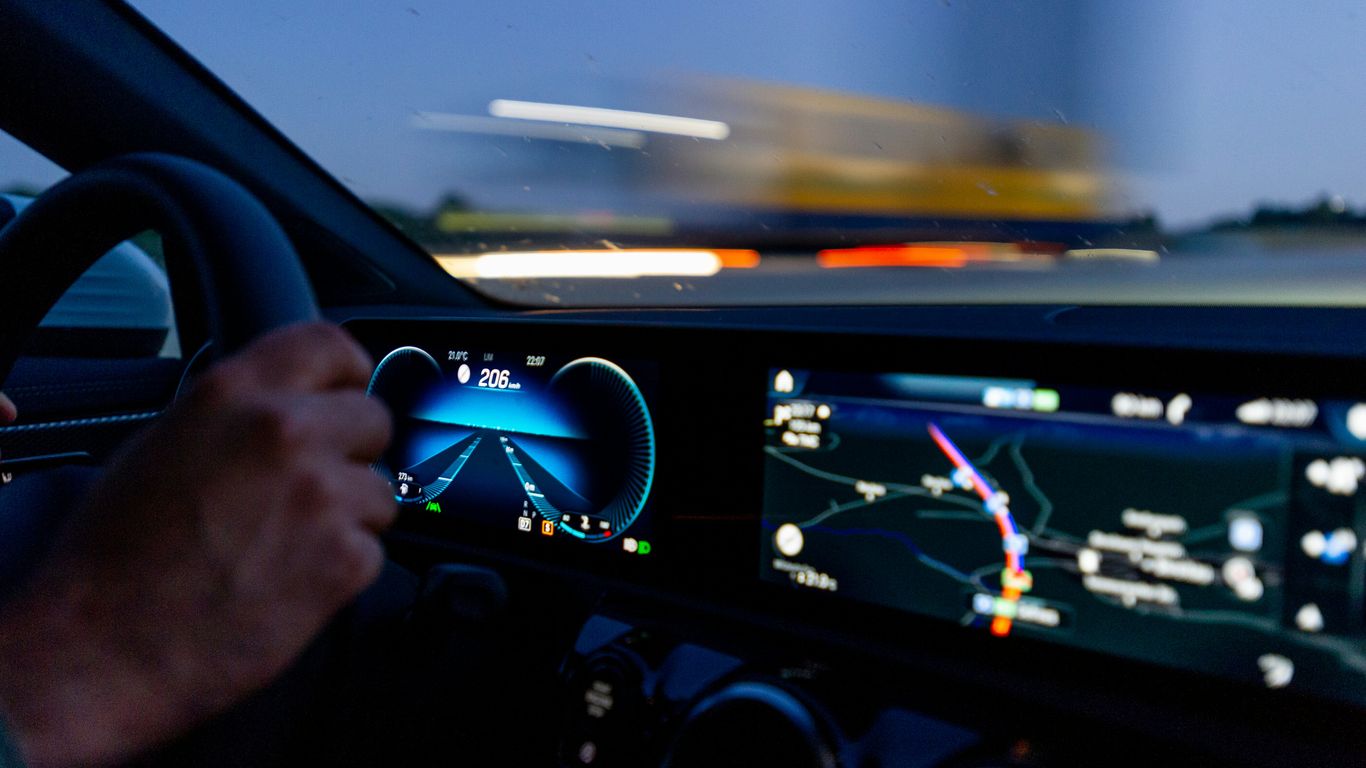
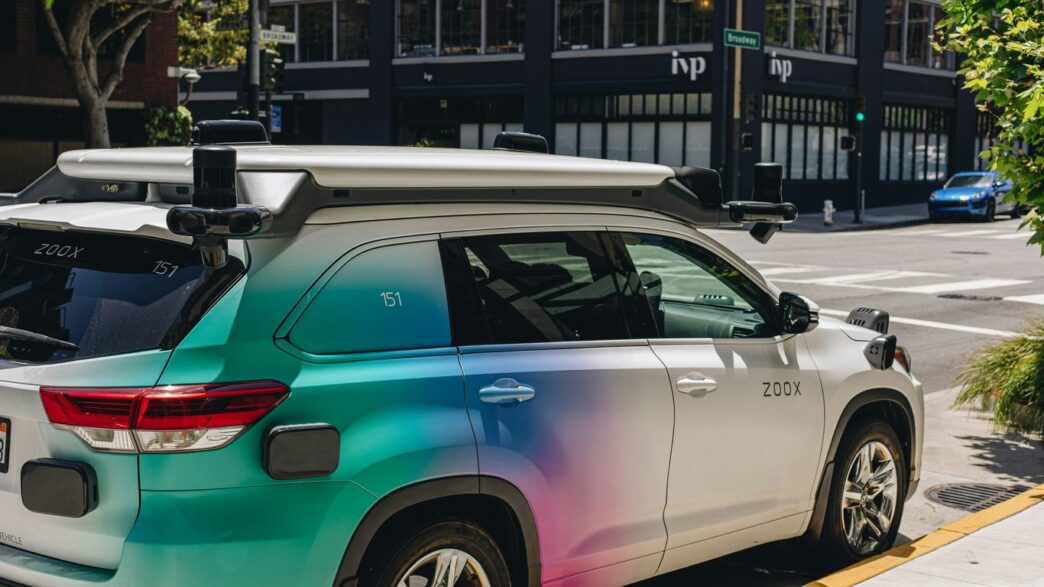
Hyundai is really pushing forward with how we’ll get around in the future, and a big part of that is their work with Motional, their joint venture focused on robotaxis. They’re aiming to get Level 4 robotaxi services out there, which means cars that can drive themselves completely in certain areas without needing a human driver. It’s a pretty big step from the driver assistance features you see in cars today.
Beyond the robotaxis, Hyundai is also planning to put some of this advanced tech into regular Hyundai and Kia cars. Think of it as getting more sophisticated driver help features, like advanced cruise control and lane keeping, but smarter and more capable. This isn’t just about making driving easier; it’s about building a foundation for more autonomy down the road.
Here’s a look at what they’re working on:
- Level 4 Robotaxi Development: Working with Motional to get these self-driving taxis ready for real-world use. This involves a lot of testing and making sure they’re super safe.
- Production Vehicle Integration: Rolling out advanced driver assistance systems, going beyond what’s currently standard, into select Hyundai and Kia models. This means your next car might have some pretty neat self-driving tricks.
- Future Service Rollouts: Planning for how these robotaxis will actually operate and serve people in cities, and looking at how this tech could even be used in smart factory settings.
The goal is to make autonomous driving a reality, not just in special vehicles, but eventually in the cars we all drive. It’s a phased approach, starting with better driver aids and moving towards fully self-driving services.
Hyundai’s Vision for Future Mobility
Hyundai sees a future where cars aren’t just metal boxes that get you from A to B. They’re really pushing the idea that AI and smart software are the main things driving what’s next in cars. It’s not just about making them drive themselves, but about making the whole car experience smarter and safer. They’re betting big that this focus on software and intelligence will make them stand out from the crowd.
AI and Software as Core Pillars
Think of it this way: Hyundai is shifting from just building great cars to building smart, connected devices on wheels. They’re putting a lot of effort into making sure their cars can learn and adapt, thanks to advanced AI. This means the software inside the car will get better over time, just like your smartphone does. They’re building a whole new way of making cars, where the software is just as important as the engine or the chassis. This approach is key to their strategy.
Strengthening Technological Competitiveness
By teaming up with companies like NVIDIA and focusing on their own software development, Hyundai is aiming to be a leader in this new era of mobility. They’re not just trying to keep up; they want to set the pace. This means investing heavily in research and development, bringing in top talent, and creating a flexible system that can handle whatever new technology comes along. It’s all about staying ahead of the curve and making sure their cars are packed with the latest and greatest.
Customer-Centric Philosophy of Quality and Safety
All this advanced technology is ultimately for the driver and passengers. Hyundai’s goal is to make driving easier, safer, and more enjoyable. They’re not going to rush out features that aren’t ready. The focus is on building trust through reliable performance and top-notch safety. They want people to feel confident and secure when they’re in a Hyundai, whether they’re using the advanced driver assistance features or waiting for a fully autonomous ride in the future. It’s about providing a quality experience that people can count on.
Looking Ahead
So, it’s pretty clear Hyundai is really serious about getting its self-driving tech up to speed. By teaming up with NVIDIA, they’re not just talking about the future; they’re actively building it, from the driver-assist features we might see soon to those futuristic robotaxis. It feels like they’re setting things up to learn and improve constantly, using real-world driving data to make their AI smarter. This partnership seems like a big step towards making autonomous driving a reality on our roads, and it’ll be interesting to see how it all plays out.