Hyundai Self Driving Car Takes On Las Vegas
So, Hyundai’s IONIQ 5 robotaxis are hitting the streets of Las Vegas. It’s a pretty big deal, marking a significant step for their self-driving tech. They’ve partnered up with Uber, which means you can actually hail one of these things right from your phone. This isn’t just a test run; it’s a public debut in one of the most demanding driving environments out there.
The IONIQ 5 Robotaxi’s Public Debut
These aren’t just any cars; they’re based on the award-winning IONIQ 5. Right now, they’re out there, giving rides in Vegas. It’s a bit of a preview before the full, driverless service officially launches later this year. They’re calling it SAE Level 4 capable, which basically means the car can handle most driving situations on its own, without a human needing to take over. It’s pretty wild to think about, seeing these electric vehicles cruise down the Strip.
Partnership with Uber for Ride-Hailing Services
Getting a ride is pretty straightforward. You just need to open up your Uber app. If you opt-in for the ride preferences, you might get matched with one of the IONIQ 5 robotaxis. It’s a cool way to try out the future of transportation without any extra cost. They’re starting out with a safety operator in the car, but the plan is to go fully driverless soon. It’s all about making autonomous rides accessible.
SAE Level 4 Capability Certified in the U.S.
This is where the tech really shines. The IONIQ 5 robotaxi has been certified as SAE Level 4 capable right here in the U.S. This means it’s been put through its paces and meets some pretty strict standards for autonomous driving. It’s equipped with a bunch of sensors – think cameras, radar, and LiDAR – all working together to give the car a 360-degree view of what’s going on. This advanced setup is what allows it to handle complex city driving, making it a certified player in the autonomous vehicle game.
Inside the IONIQ 5 Robotaxi Experience
So, what’s it actually like to ride in one of these Hyundai IONIQ 5 robotaxis? Well, it’s designed to be pretty straightforward, almost like your regular ride-hailing experience, but with a futuristic twist. The whole point is to make getting around easy and comfortable, even without a driver.
Intuitive Passenger Interaction and Features
Once you’re inside, the car has a special screen and interface that lets you talk to it. Need to make a quick stop to grab a friend? You can just tell the car. There’s even a neat feature that lets you ask the car to wait for you if you need to step out for a moment, like if you spot something interesting on the Strip. It’s all about giving you control and making the ride convenient.
Spacious and Comfortable Interior Design
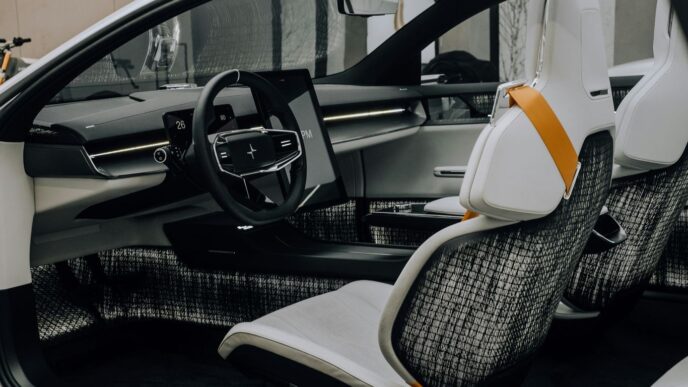
Hyundai really put thought into the inside of the IONIQ 5. It’s built on their electric platform, which means there’s a lot of room. Think plenty of legroom and headroom, so whether you’re heading to a convention or just exploring, you can relax. It feels more like a lounge on wheels than a cramped taxi. The flexible seating also means it can adapt to different needs, making it a pleasant space to spend time.
Seamless Hailing Through Ride-Sharing Apps
Getting a ride is simple. You just use the apps you’re probably already familiar with, like Uber. When you book a ride, the IONIQ 5 robotaxi will come to you. You can unlock the car and start your trip right from the app. The service is currently available at specific spots in Las Vegas, like designated rideshare zones at major hotels and shopping areas. They’re planning to expand the service area too, so more people will be able to try it out.
Advanced Technology Powers the Hyundai Self Driving Car
Extensive Sensor Suite for Comprehensive Road Awareness
The Hyundai IONIQ 5 robotaxi is packed with tech designed to see everything. Think of it like giving the car super-senses. It uses a bunch of different sensors, like cameras and lidar, to build a 360-degree picture of what’s happening around it. This isn’t just about seeing other cars; it’s about spotting pedestrians, cyclists, road signs, and even construction cones. The goal is to have a really clear idea of the road, no matter the time of day or weather.
Redundant Systems for Enhanced Safety
What happens if one sensor stops working? That’s where redundancy comes in. The IONIQ 5 robotaxi has backup systems. If a camera has trouble seeing in bright sunlight, for example, the lidar can still do its job. This layering of different technologies means the car doesn’t rely on just one thing. It’s like having multiple ways to check if it’s safe to proceed.
Here’s a look at some of the sensor types:
- Cameras: These are like the car’s eyes, capturing visual information about the environment.
- Lidar: This uses lasers to measure distances and create a detailed 3D map of surroundings.
- Radar: Good for detecting objects and their speed, even in bad weather.
Sophisticated Processing for Real-Time Decision Making
All the information from these sensors needs to be processed super fast. The robotaxi has a powerful computer brain that takes all that data and figures out what to do next. It’s constantly making decisions, like when to speed up, slow down, or change lanes. This constant stream of data processing allows the vehicle to react to changing road conditions in milliseconds. It’s this quick thinking that’s key to making autonomous driving work safely in busy places like Las Vegas.
Learning from Complex Urban Environments
Mastering Diverse Driving Conditions in Las Vegas
Las Vegas isn’t exactly your typical city when it comes to traffic. It’s a place with a bit of everything – busy Strip traffic, quieter residential streets, and all sorts of unusual sights. That’s exactly why Hyundai picked it for testing the IONIQ 5 robotaxi. The goal is to get the car used to all sorts of situations, not just the everyday stuff. Think about it: the car needs to handle everything from rush hour jams to a sudden parade blocking a street. It’s about building a system that’s ready for anything.
Adapting to Unique Road Users and Scenarios
This is where Vegas really shines for AV testing. You’ve got your standard cars and trucks, sure, but you also see things like giant LED billboard trucks, stretch limos, and even three-wheeled motorcycles. And the pedestrians? They can be just as varied. We’re talking about performers in costumes, people on stilts, or even someone who might suddenly step into the road to pick up a dropped item. These ‘edge cases’ are the real test for any self-driving system. The IONIQ 5 robotaxi has to learn to recognize these unusual scenarios and react safely, just like a human driver would, but with more consistent precision. It’s like teaching a computer to see and understand the world in a whole new way, one strange situation at a time.
Gathering Data to Improve Future Autonomous Driving
Every trip the IONIQ 5 robotaxi takes in Las Vegas is a learning opportunity. The car is constantly collecting data – not just about traffic lights and lane markings, but about those weird, unexpected moments too. This information is super important. It helps the engineers understand what the car did right and where it might need improvement. Over time, this data builds up a massive library of driving experiences. This means future versions of the robotaxi, and even other Hyundai autonomous vehicles, will be even better prepared for whatever the road throws at them. It’s a continuous cycle of testing, learning, and getting smarter.
The Future of Mobility with Hyundai’s Robotaxis
So, what does all this mean for how we get around? Hyundai’s IONIQ 5 robotaxis are more than just a cool new way to catch a ride in Vegas. They’re a sign of bigger changes coming to our cities. Think about it: a future where owning a personal car might not be the default.
These robotaxis could really change things up. For starters, a single self-driving car in a big fleet could potentially replace about nine regular cars. That’s a lot of vehicles off the road! And since these cars are out and about most of the time, we might end up with a lot more parking spots freed up. Imagine what we could do with that extra space – maybe more parks or community areas?
Here’s a quick look at how this shift could play out:
- Less Traffic Congestion: With more shared autonomous vehicles, the number of cars on the road could decrease, leading to smoother commutes.
- More Usable City Space: Fewer parked cars mean more room for things like green spaces, pedestrian zones, or public gathering spots.
- Increased Accessibility: Self-driving services can provide transportation options for people who can’t drive themselves, like the elderly or those with disabilities.
Hyundai isn’t just testing these cars in one place. They’re learning from tricky city streets in places like Boston and dealing with different driving rules in places like Singapore. All this learning is meant to help them bring these robotaxis to other major cities, like Los Angeles, soon. It’s a big step towards making transportation more convenient and maybe even a bit greener.
Hyundai’s Commitment to Autonomous Vehicle Safety
Focus on Predicting and Preventing Accidents
Hyundai’s approach to self-driving cars, like the IONIQ 5 Robotaxi, is all about making the roads safer. The goal isn’t just to react to things, but to actually predict what might happen and stop accidents before they even start. It’s a pretty big deal when you think about how many accidents happen every year. They’re using a ton of sensors – we’re talking over 30 of them, including cameras, radar, and LiDAR. All these sensors work together to paint a really detailed picture of what’s going on around the car. This lets the car’s computer understand its surroundings much better, almost like it has a huge library of what to expect on the road.
Building a Vast Visual Vocabulary for Edge Cases
One of the trickiest parts of self-driving is dealing with the unexpected. You know, those rare moments that don’t happen every day. That’s why Hyundai chose Las Vegas for testing. It’s a city with all sorts of weird and wonderful things happening – unusual vehicles, different kinds of pedestrians, and just generally unpredictable situations. By driving in places like this, the robotaxis get to learn from these "edge cases," which are often where accidents happen. It’s like teaching a student by showing them not just the easy problems, but also the really tough ones, so they’re prepared for anything. This helps build up that "visual vocabulary" so the car knows how to handle things it might not see every single day.
Robust Data Collection for Continuous Improvement
It’s not enough to just drive around and collect data; Hyundai is serious about using it. The information gathered from all those miles driven in Las Vegas is key to making the system better over time. Think of it like this:
- Every trip provides new learning opportunities. Even if a trip goes perfectly, the data is analyzed.
- Rare events are flagged for special attention. When something unusual happens, it’s a priority to understand why and how the car responded.
- Updates are pushed out regularly. Based on what’s learned, the software gets improved, making the cars safer for everyone.
This constant cycle of driving, collecting, analyzing, and updating is how they plan to make autonomous driving as safe as possible.
The Road Ahead for Robotaxis
So, what does all this mean for the future? Hyundai’s IONIQ 5 robotaxi hitting the streets of Vegas is a pretty big deal. It’s not just about getting a ride without a driver; it’s about learning and improving. By tackling the wild streets of Vegas, with all its unique challenges, Hyundai is gathering data that will help make these cars safer everywhere. This isn’t just a one-off test; it’s a step towards a future where self-driving cars could change how we move around cities, maybe even making things a bit greener. It’s exciting to think about what’s next, and it seems like the driverless future is getting closer, one ride at a time.