
The IAPP Conference in Washington DC in 2026 is shaping up to be a big deal for anyone working with privacy and AI. It’s not just about hearing from famous people, though that’s part of it. The real meat seems to be in figuring out how to actually do the work of privacy and AI governance in a way that makes sense. We’re talking about practical stuff, like managing AI vendors and making sure your systems are built with privacy in mind from the start. Plus, with all the new state laws popping up in the US, keeping track of things is getting complicated. This conference looks like it’s trying to cut through that noise.
Key Takeaways
- AI is changing everything, and the IAPP conference in Washington DC is focusing on how to manage it responsibly, looking at defense, privacy, and security.
- There’s a big push to get ahead of AI rules by developing our own governance strategies before governments step in.
- Practical advice is key, with sessions on creating a workable AI compliance plan and managing AI vendors effectively.
- Understanding global privacy laws is still a major focus, especially how US and EU rules differ on public data and the latest on US state privacy laws.
- The conference offers chances to connect with other professionals and attend workshops to get hands-on training in privacy and AI.
Navigating AI Governance at the IAPP Conference Washington DC
This year’s IAPP Conference in Washington D.C. is really zeroing in on how we handle Artificial Intelligence. It feels like AI is everywhere now, and figuring out the rules and how to use it responsibly is a big deal for everyone. The sessions here are trying to make sense of it all, especially when it comes to keeping things private and secure.
The AI Agent Advantage: Defense, Privacy, and Cybersecurity
We’re talking about AI agents – those smart systems that can act on their own. It’s pretty wild to think about how they can help with defense and cybersecurity, but it also brings up a lot of questions about privacy. How do we make sure these agents aren’t overstepping? The discussions are looking at the good sides, like better threat detection, but also the risks. It’s a balancing act between using AI’s power and protecting personal information.
Governing High-Stakes AI Before Regulators Step In
This is a big one. Instead of waiting for governments to tell us what to do, many companies are trying to get ahead of the curve. They’re developing their own rules and guidelines for AI that has a big impact, like in healthcare or finance. It’s about being proactive. The sessions are exploring how to build these frameworks, looking at:
- Identifying AI systems that carry significant risk.
- Establishing clear lines of accountability for AI decisions.
- Creating processes for ongoing monitoring and review of AI performance.
Developing a Practical AI Compliance Strategy
Okay, so we know AI is important, but how do we actually do compliance? This section is all about making it real. It’s not just about having policies on paper; it’s about putting them into practice. You’ll hear about:
- Building the foundational elements of an AI compliance program.
- Documenting your AI systems and their data flows.
- Creating initiatives that actually move the needle on compliance maturity.
Key Themes and Sessions at the IAPP Conference Washington DC
This year’s IAPP Conference in Washington DC is packed with sessions that really get to the heart of what privacy and AI professionals are dealing with right now. It’s not just about the big picture stuff; there are practical takeaways for everyone.
Data Minimization: Why It Matters to Privacy Laws
We’ll be looking at why collecting less data is actually a smarter move for privacy. It’s about being more efficient and less risky. Think about it: the less personal information you have lying around, the less you have to worry about if something goes wrong. This session will break down how data minimization fits into current privacy rules and why it’s becoming a bigger deal. It’s a core concept for modernizing compliance.
Modernizing Compliance for the AI Era
Compliance isn’t what it used to be, especially with AI changing the game so fast. This part of the conference focuses on how companies can update their compliance strategies. We’re talking about making sure your systems can keep up with new tech and new rules. It’s a complex area, but the sessions aim to make it more manageable.
The Evolution of Online Advertising and AI’s Impact
Online advertising has always been a tricky area for privacy, and AI is adding another layer. We’ll explore how AI is changing how ads are targeted and how user data is used. This includes discussions on:
- New advertising technologies
- Consumer expectations for privacy online
- The role of AI in ad personalization
It’s a fast-moving field, and understanding these changes is key for anyone involved in digital marketing or privacy.
Expert Insights and Keynote Speakers at IAPP Summit 2026
This year’s IAPP Summit in Washington D.C. is bringing some seriously interesting people to the stage. It’s not just about the technical stuff, though that’s important. They’ve got some big names lined up to talk about broader ideas that touch on privacy and our digital lives.
First up, we have the renowned author Sir Salman Rushdie. He’s going to be speaking about free speech and culture. Given everything going on in the world, his perspective on these topics is something many are looking forward to hearing. It’s a good reminder that privacy issues don’t exist in a vacuum; they’re part of a larger cultural conversation. You can find more about the speakers and the event schedule on the IAPP website.
Then there’s Maya Shankar, a cognitive scientist and podcast host. She’s planning to discuss how behavioral science and storytelling can help us navigate big changes in our lives. This feels particularly relevant when we think about how quickly technology, especially AI, is changing how we work and live. Understanding human behavior is key to building systems that work for us, not against us.
And rounding out the keynote speakers is Alyson Stoner. Known for her work in the entertainment industry, Stoner will share insights on digital age privacy and mental health. Her firsthand experience with public life offers a unique angle on the pressures and challenges of maintaining privacy and well-being in an increasingly online world.
These speakers aren’t just talking about regulations; they’re connecting privacy and AI to bigger human and societal issues. It should make for a really thought-provoking conference.
Global Compliance Strategies at the IAPP Conference
Trying to keep up with privacy laws across different countries can feel like a real headache, right? It’s like a tangled mess of rules that change all the time. This year’s IAPP conference in Washington DC is really digging into how companies can actually manage all of this without losing their minds.
One big session, "Ditching the Regulatory Labyrinth: A Global Compliance Playbook," sounds like it’s going to offer some practical advice. They’re talking about creating a roadmap to help businesses figure out what they need to do, no matter where they operate. It’s not just about knowing the laws, but about putting them into practice smoothly. The goal is to move beyond just checking boxes and actually build compliance into how a business runs.
Another area that’s getting a lot of attention is how the US and the EU look at data that’s out in the open. These two big players have pretty different ideas about what "publicly available data" means and what you can do with it. Understanding these differences is key for anyone working internationally. It’s a complex topic, but the conference aims to break it down.
Here’s a look at some of the key topics covered:
- US vs. EU Public Data: Examining the policy choices and differences in how these regions define and handle publicly available data.
- State-Level US Laws: A deep dive into the latest developments and what’s coming next with privacy laws across different US states. This is a fast-moving area.
- Building a Global Playbook: Strategies for creating a unified approach to compliance that works across multiple jurisdictions, simplifying what can be a very confusing landscape.
It seems like the conference is really focused on giving attendees actionable steps they can take back to their jobs. It’s about making global compliance less of a burden and more of a manageable part of business operations. If you’re struggling with international data rules, this section of the conference is definitely worth checking out. You can find more details on developing an AI compliance strategy at this workshop.
Operationalizing Privacy and AI at the IAPP Conference Washington DC
So, you’ve got the big picture ideas about AI and privacy down, but how do you actually make it work day-to-day? That’s where this part of the conference really shines. It’s all about the nitty-gritty, the practical steps you need to take to get things done.
The Essential AI Vendor Management Playbook
Dealing with AI vendors can feel like a minefield. You need to know what questions to ask, what to look out for, and how to make sure they’re playing by the rules. This session gets into the weeds of creating a solid plan for managing these relationships. Think about it: you’re handing over data, or relying on their tech, so you better be sure they’re reliable and secure. They’ll cover things like:
- Due diligence steps before you even sign a contract.
- Key clauses to include in your agreements to protect your company and user data.
- Ongoing monitoring to make sure vendors stay compliant.
It’s not just about signing a paper; it’s about building a partnership you can trust.
Negotiating and Implementing AI Deals
This is where the rubber meets the road. You’ve found a vendor, you’ve done your homework, now you have to actually make a deal. This isn’t like buying office supplies; AI contracts are complex. You’ll hear about strategies for negotiating terms that make sense for your business while keeping privacy front and center. They’ll likely talk about:
- Defining data usage rights clearly.
- Setting expectations for AI model performance and security.
- Planning for how the AI will be integrated into your existing systems.
Privacy by Design with Privacy-Enhancing Technologies
This is a big one. Instead of trying to bolt privacy on later, the idea here is to build it in from the start. Privacy-Enhancing Technologies (PETs) are tools that help you do just that. They can help you use data in new ways without exposing sensitive information. You’ll learn about different types of PETs and how they can be applied in real-world scenarios, like:
- Using anonymization and pseudonymization techniques.
- Exploring federated learning for model training.
- Implementing differential privacy to protect individual data points.
It’s about being smart and proactive, making sure privacy isn’t an afterthought but a core part of your AI strategy.
Connecting and Learning at the IAPP Conference Washington DC
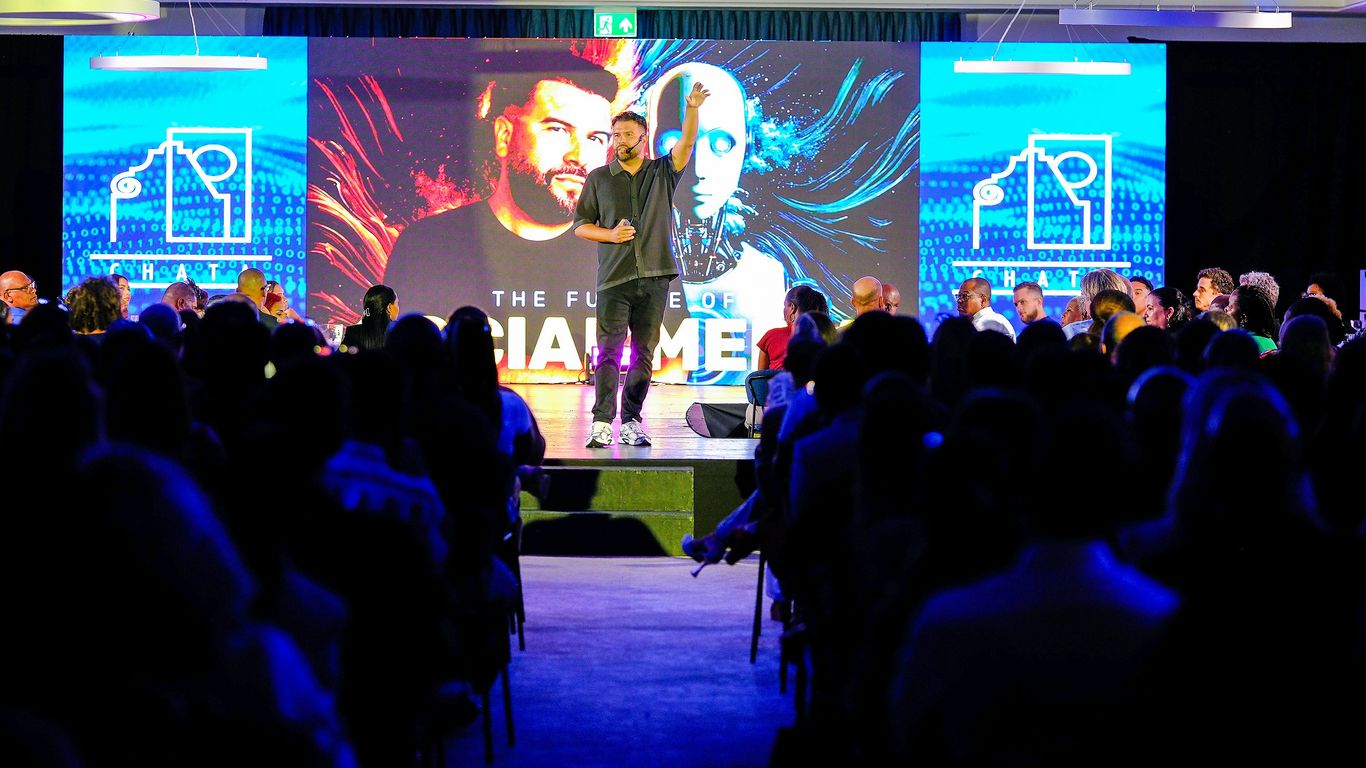
So, you’re heading to the IAPP Conference in Washington DC in 2026. That’s great! Beyond the main sessions, which are obviously the big draw, there’s a whole lot more to this event that can really help you get the most out of your time there. It’s not just about sitting and listening; it’s about making connections and actually learning things you can use.
Networking Opportunities with Privacy and AI Professionals
Let’s be real, sometimes the best insights come from chatting with people who are dealing with the same stuff you are. The conference is packed with opportunities to do just that. You’ll find folks from all sorts of backgrounds – lawyers, compliance officers, tech people, you name it. Don’t be shy; strike up a conversation during coffee breaks or lunch. You never know who you’ll meet or what problem they might have solved that could help you. They even have dedicated networking times listed on the schedule, so take advantage of those.
Deep Dive Workshops and Training Sessions
If you want to really get your hands dirty with a specific topic, the workshops and training sessions are where it’s at. These aren’t your typical conference talks. They’re smaller, more hands-on, and you usually have to sign up for them separately, sometimes with an extra fee. Think of it like a mini-class. For example, there are training classes running for a couple of days after the main conference, and then there are also day-long or half-day workshops happening on April 1st. These are perfect for getting a more focused look at things like AI vendor management or specific compliance strategies. You’ll leave with a clearer picture of how to actually do the work, not just talk about it.
Curating Your Personal Conference Agenda
With so much going on, it’s easy to feel overwhelmed. That’s why planning your own schedule, or ‘curating your agenda’ as they call it, is super important. You can look at the full agenda online beforehand and pick out the sessions, workshops, and even networking events that best fit your job and the challenges you’re facing. It’s like building your own custom learning path. Remember, not all sessions are first-come, first-served; some, like the training and workshops, require a guaranteed spot through separate registration. So, figure out what you absolutely don’t want to miss and plan accordingly. It makes a big difference in how much you take away from the whole experience.
Wrapping Up the IAPP Conference 2026
So, that was the IAPP Conference in Washington DC for 2026. It really felt like a big get-together for anyone serious about privacy and how AI fits into the picture. We heard from some really interesting people, like Sir Salman Rushdie, and got into the nitty-gritty of things like data minimization and managing AI vendors. It wasn’t just about the big ideas, though; there were plenty of practical sessions too, showing us how to actually do the work. If you’re in this field, it’s clear that staying on top of AI’s impact on privacy is the name of the game. This conference gave us a lot to think about and, hopefully, some solid steps to take back to our own work.
Frequently Asked Questions
What is the IAPP Conference all about?
Think of the IAPP Conference as a big meeting for people who care about keeping information private and making sure new technology, like AI, is used responsibly. It’s a place to learn from experts, share ideas, and figure out the best ways to handle privacy rules and smart computer programs.
Who should go to this conference?
Anyone who works with data privacy, deals with new technology rules, or is involved in how companies use AI should consider going. It’s great for lawyers, tech people, compliance officers, and anyone wanting to stay ahead of the game in privacy and AI.
What kind of topics will be discussed?
You’ll hear about lots of important stuff! This includes how to manage AI safely, why it’s important to collect only the information you really need (data minimization), how to follow privacy laws in different countries, and the latest on online advertising rules. They’ll also cover how to work with AI companies and build privacy into new projects from the start.
Are there famous people speaking?
Yes! The conference will have well-known speakers like author Sir Salman Rushdie, who will talk about free speech. Also, Maya Shankar, a scientist who studies how people change, and Alyson Stoner, who knows a lot about privacy and mental health in the digital world, will be sharing their thoughts.
How can I learn the most at the conference?
You can attend many different talks and workshops. There are also chances to meet and talk with other professionals who are interested in privacy and AI. It’s a good idea to plan which sessions you want to attend beforehand to make sure you don’t miss out on what’s most important to you.
What are the dates and location for the 2026 conference?
The IAPP Summit 2026 is happening in Washington D.C. The main conference is from March 30-31, with workshops and training sessions following on April 1-2. Most events will be at the Walter E. Washington Convention Center and the Marriott Marquis Washington, D.C.