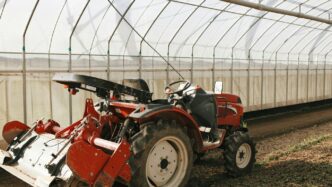
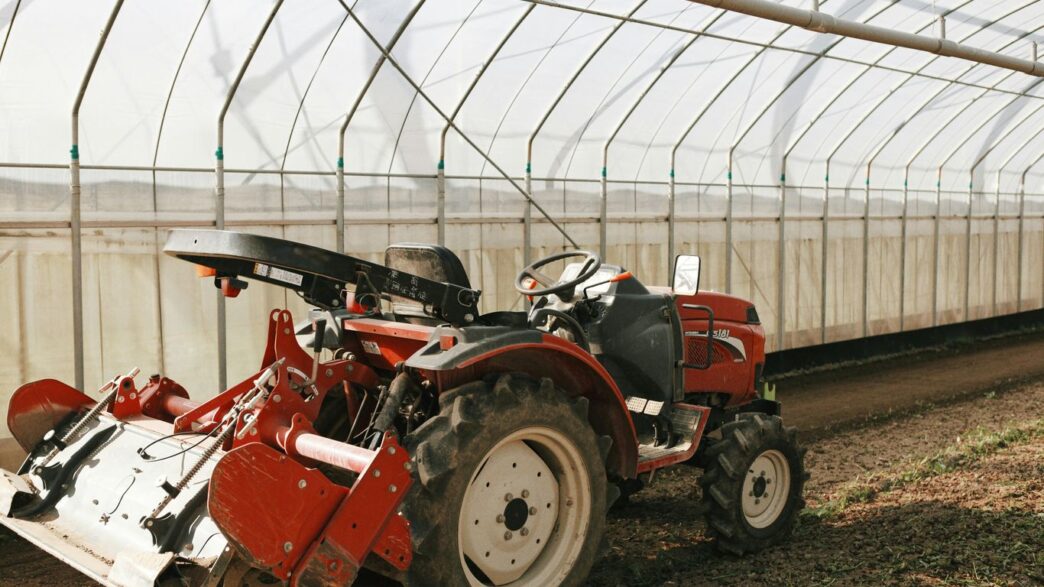
Farming is changing, and fast. It feels like every year there’s some new tech promising to make things easier or better. For 2026, a lot of these ideas are actually starting to show they work in the real world, not just on paper. We’re seeing a bunch of ag startups popping up, each trying to solve specific problems farmers face, from unpredictable weather to needing more hands on deck. It’s not just about fancy gadgets anymore; it’s about tools that can really help get the job done, sustainably and efficiently. Let’s look at some of the ag startups making waves.
Key Takeaways
- Biologicals are moving from a niche idea to a standard part of crop care, with many companies focusing on specific uses for different plants and soils.
- Robots and self-driving equipment are becoming more common, helping farmers deal with labor shortages and do tasks more precisely.
- AI is now the ‘brain’ behind many farming tools, helping farmers make better decisions by looking at lots of data about weather, soil, and crops.
- Technologies focused on managing water and dealing with climate change are crucial, as farmers need to protect their yields from extreme weather.
- New ways to finance equipment and technology are essential for farmers to adopt these new tools without taking on too much financial risk.
1. Biologicals
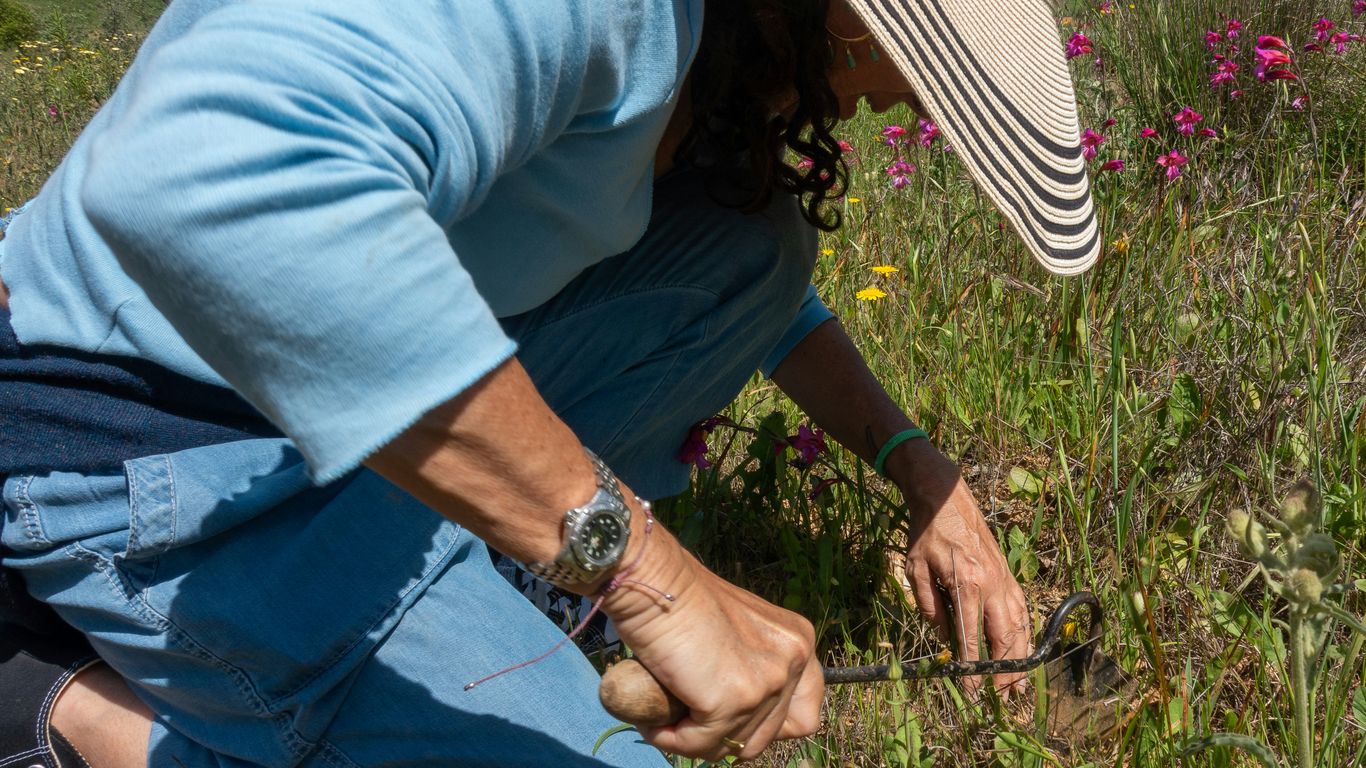
Biologicals are really moving beyond just being a buzzword in agriculture. For a while there, it felt like everyone was talking about them, but now, in 2026, they’re actually becoming a standard part of how farmers manage their crops. Think about it: growers are looking for ways to get more stable yields, use fewer synthetic chemicals, and generally be kinder to their soil. That’s exactly where biological fertilizers, biostimulants, and biocontrols come in. They’re not just a niche thing anymore; they’re becoming a go-to solution.
What’s changed is the quality and specificity. These aren’t generic products anymore. Companies are developing biologicals tailored for specific crops, different soil types, and even particular stress conditions. This targeted approach makes them incredibly practical, especially as more farms adopt regenerative agriculture practices and focus on building healthier soil ecosystems. It’s a big shift from the one-size-fits-all methods of the past.
We’re also seeing biologicals get integrated directly into digital farming tools and nutrient management plans. This blend of biology and data is helping farmers figure out the best way to use their inputs, cut down on synthetic stuff, and get their soil performing better. With the demand for farming methods that leave less residue and improve soil health, biologicals are definitely playing a major role in shaping what agriculture looks like going forward.
Here’s a quick look at what’s driving this trend:
- Increased focus on soil health: Farmers are realizing that healthy soil is the foundation for everything else. Biologicals directly support this by improving soil structure and microbial activity.
- Demand for sustainable practices: As consumers and regulators push for more environmentally friendly farming, biologicals offer a way to reduce reliance on synthetic inputs.
- Improved crop resilience: Biologicals can help crops better withstand environmental stresses like drought or disease, leading to more consistent yields.
- Integration with digital tools: New technologies are making it easier to apply and monitor biologicals, providing growers with actionable data.
2. Field Robotics
Farming has always been tough work, and finding enough hands to get it all done, especially during busy seasons, is a growing headache for farmers everywhere. That’s why robots out in the fields are finally moving past just being cool ideas and actually starting to get used. We’re seeing big companies buying up smaller robotics firms, which tells us they’re getting ready to sell these autonomous machines on a larger scale.
Think about it: tractors that drive themselves, drones buzzing around, sprayers that only hit the weeds, and harvesters that pick specific crops. These aren’t just fancy gadgets anymore. They’re proving they can cut down on the need for workers, help farmers get tasks done at just the right time, and apply things like fertilizer or pesticides more accurately. It’s all about making sure the work gets done safely, efficiently, and without delays.
These robots are also getting really good at specific jobs. Instead of one-size-fits-all machines, we’re seeing robots designed just for orchards, or vineyards, or even for those tricky vegetable crops. This specialization means they can do their job better.
Here’s what farmers are starting to see from field robotics:
- Reduced reliance on manual labor, especially for repetitive or dangerous tasks.
- Improved timing for critical operations like planting, spraying, and harvesting.
- More precise application of inputs, leading to less waste and lower costs.
- Enhanced worker safety by taking over hazardous jobs.
By 2026, these robots are going to work even more closely with other farm tech, like AI tools that scout fields and systems that adjust how much fertilizer to apply based on what the plants actually need. It’s about making farming smarter and more productive, plain and simple.
3. AI-Driven Advisory
It feels like just yesterday we were talking about how AI was going to change farming, and now, here we are in 2026, and it’s really happening. AI isn’t some far-off concept anymore; it’s becoming the quiet brain behind a lot of what farmers do. Think of it less as a replacement for a farmer’s years of experience and more like a super-powered assistant that helps them make even better calls.
Farmers are dealing with a lot these days – weird weather patterns, new pests popping up, and prices for things like fertilizer going all over the place. It’s tough for any one person to keep track of all that. That’s where AI steps in. It can look at all sorts of data – soil conditions, local weather forecasts, satellite images, even how the plants are looking – and give advice that’s specific to that one field, right when it’s needed. It’s about sharpening decisions, not making them for you.
Here’s how AI advisory is shaking things up:
- Better Predictions: AI models can forecast potential issues like disease outbreaks or nutrient deficiencies before they become big problems, giving farmers a heads-up.
- Smarter Input Use: Based on real-time data, AI can recommend exactly how much fertilizer or water a specific part of a field needs, cutting down on waste and saving money.
- Connecting the Dots: AI acts like the glue holding different farm technologies together. It helps your automated planter talk to your soil sensors and your weather station, creating a more unified system.
This isn’t just about fancy tech; it’s about making farming more predictable and less risky, especially when the weather can’t seem to make up its mind. By processing vast amounts of information, AI advisory tools are helping farmers get more out of their land while using fewer resources.
4. Water Resilience Tech
It feels like every year, the weather gets a little more unpredictable. We’re seeing more heat waves, droughts that just won’t quit, and then sudden downpours that can ruin a crop. Because of this, farmers are really looking for ways to deal with water scarcity and make sure their fields can handle these wild swings.
This is where water resilience tech comes in, helping farms stay productive even when the weather isn’t cooperating.
We’re seeing a bunch of new tools pop up:
- Smart Irrigation Systems: These aren’t your grandpa’s sprinklers. They use sensors to figure out exactly how much water each part of the field needs, when it needs it. This means less water wasted and healthier plants.
- Drought-Tolerant Crops: Scientists are developing new seed varieties that can survive with less water and handle higher temperatures. It’s about growing smarter, not just harder.
- Water Monitoring Tools: Think sensors that go right into the soil or weather stations that give super-local forecasts. This data helps farmers make better decisions about when and how much to irrigate.
- Water Storage Solutions: With unpredictable rainfall, storing water when it’s available is becoming more important. This can range from better pond management to more advanced on-farm reservoirs.
These technologies aren’t just fancy gadgets; they’re practical solutions that help protect yields and make farming more stable. It’s all about adapting to a changing climate and making sure we can keep growing food reliably.
5. Climate Resilience Tech
Climate volatility isn’t some far-off problem anymore; it’s the everyday reality for farmers. Think sudden heat waves, rain that comes at the wrong time (or not at all), and just generally wilder weather. This means what farmers need to focus on has shifted, and they’re looking for ways to adapt, fast.
We’re seeing a real push for tech that helps crops handle stress. This isn’t just about fancy new seeds, though those are part of it. It’s about a whole system working together.
Here’s what’s making waves:
- Genetics: Developing crop varieties that can better withstand extreme temperatures and dry spells. It’s like giving plants a built-in survival kit.
- Water Management: Tools that precisely track soil moisture and help farmers use water more efficiently. This is huge when water is scarce or unpredictable.
- Nutrient Systems: Fertilizing methods that adjust based on weather patterns, making sure plants get what they need without wasting resources.
- Predictive Modeling: Software that can forecast water availability or potential weather stress weeks in advance, giving farmers a heads-up to prepare.
The main goal here is to keep yields steady, even when the weather throws a curveball. It’s less about flashy promises and more about practical solutions that protect a farmer’s livelihood. As climate tech and farming tech merge, the ability to manage water, anticipate problems, and keep production going strong is becoming the name of the game.
6. Financing Innovation
It’s one thing to invent a cool new piece of farm tech, but it’s another thing entirely to get it onto a real farm. That’s where financing innovation comes in, and it’s becoming a really big deal heading into 2026. Farmers often face tight budgets and seasonal cash flow issues, which can make it tough to afford expensive new equipment or systems, even if they know it could help them out.
We’re seeing a shift away from just buying things outright. New models are popping up that make it easier for farmers to get their hands on advanced tools. Think about things like:
- Equipment-as-a-Service: Instead of buying a robot or a fancy sensor system, farmers pay a subscription fee to use it. This spreads out the cost and often includes maintenance.
- Input Financing: This is about getting loans specifically for things like biologicals or specialized seeds, making those upfront purchases more manageable.
- Outcome-Based Agreements: These are pretty interesting. Payments are tied to actual results, like improved yields or meeting certain environmental goals. If the tech works, the farmer pays more; if it doesn’t, the risk is shared.
These approaches help reduce the pressure on a farmer’s wallet and move some of the risk away from them. It’s not just about having the technology; it’s about making it accessible. Blended finance, where different types of funding come together, and even carbon-linked incentives are also starting to play a role. The goal is to remove the financial roadblocks so that practical, proven solutions can actually get into the fields where they’re needed most. Ultimately, adoption hinges on access, and financing innovation is the bridge that makes it happen.
7. Precision Agriculture
Precision agriculture is really hitting its stride in 2026. It’s not just about fancy GPS anymore; it’s about using data to make smarter decisions on every acre. Think of it as giving each part of your field exactly what it needs, when it needs it. This approach helps cut down on waste, boost yields, and frankly, makes farming a lot less guesswork.
The real game-changer is how these technologies are becoming more integrated and specialized. Instead of a one-size-fits-all system, we’re seeing tools designed for specific crops, soil types, and even microclimates within a single farm. This means farmers can get more granular with their inputs, whether it’s water, fertilizer, or pest control.
Here’s a look at what’s making precision agriculture so effective right now:
- Variable Rate Application: Applying seeds, fertilizers, and pesticides at different rates across a field based on soil maps, yield data, and sensor readings. This avoids over-application in some areas and under-application in others.
- Real-time Monitoring: Using sensors, drones, and satellite imagery to constantly check crop health, soil moisture, and pest presence. This allows for quick adjustments to management plans.
- Data-Driven Insights: AI and analytics platforms are turning all this collected data into actionable advice. Farmers get recommendations on everything from planting times to irrigation schedules, helping them optimize operations.
This focus on precision is helping farms become more efficient and sustainable. It’s about working smarter, not just harder, and making sure every resource is used to its full potential. The results are measurable improvements in crop quality and a healthier bottom line for farmers.
8. Autonomous Tractors
It feels like we’ve been talking about self-driving tractors for ages, but 2026 is really the year they start showing up in more fields. We’re past the ‘wow, look at that!’ phase and moving into ‘how can this actually help me get work done?’
Think about it: labor is still a huge headache for farmers, especially during busy planting or harvesting times. Autonomous tractors are a big part of the answer to that problem. They can handle repetitive tasks like plowing or tilling, day or night, without needing a person behind the wheel the whole time. This frees up farmhands for other jobs that really need a human touch.
What’s different now is that these machines are getting smarter and more specialized. They’re not just going in a straight line anymore. They’re integrating with GPS and other sensors to work with incredible accuracy, following precise paths for planting or applying inputs. This means less overlap, less wasted seed or fertilizer, and ultimately, better yields.
Here’s a quick look at what makes them so useful:
- Reduced Labor Dependency: Significantly cuts down the need for operators during long, demanding tasks.
- Improved Precision: Follows exact paths, leading to more consistent field operations and optimized input use.
- Extended Operating Hours: Capable of working around the clock, maximizing efficiency during critical windows.
- Enhanced Safety: Removes human operators from potentially hazardous situations in the field.
While they’re not going to replace farmers anytime soon, these autonomous tractors are becoming a really practical tool for making farms more efficient and less reliant on a shrinking labor pool. It’s about getting the job done right, and on time, even when things get tough.
9. Robotic Sprayers
Spraying is one of those jobs on the farm that just needs to get done, but it can be a real pain. You’ve got to deal with chemicals, drift, and making sure you hit everything you need to without wasting product. That’s where robotic sprayers are really starting to make a difference. These machines are getting smarter and more precise, taking a lot of the guesswork and risk out of the equation.
The big win here is how they can target exactly where the spray needs to go. Instead of blanket spraying an entire field, these robots use sensors and AI to identify weeds or specific areas needing treatment. This means less chemical use, which is good for the environment and your wallet. Plus, it helps protect the crops you actually want to grow from unnecessary exposure.
Here’s what makes them stand out:
- Precision Application: They can apply treatments only where needed, reducing overall chemical usage by a significant amount. Some systems are reporting reductions of up to 90% in certain applications.
- Labor Savings: Automating this task frees up farmhands for other important jobs, especially during busy seasons when labor is tight.
- Improved Safety: By minimizing direct human contact with chemicals, robotic sprayers help create a safer working environment.
- Data Integration: Many robotic sprayers connect with farm management software, providing detailed records of where and when treatments were applied, which is great for tracking and planning.
We’re seeing these robots move beyond just basic weed control. They’re being developed for more specialized tasks, like applying targeted nutrients or even biological pest control agents. As the technology gets more refined and costs come down, expect to see a lot more of these automated sprayers out in the fields, making crop protection more efficient and sustainable.
10. Biostimulants
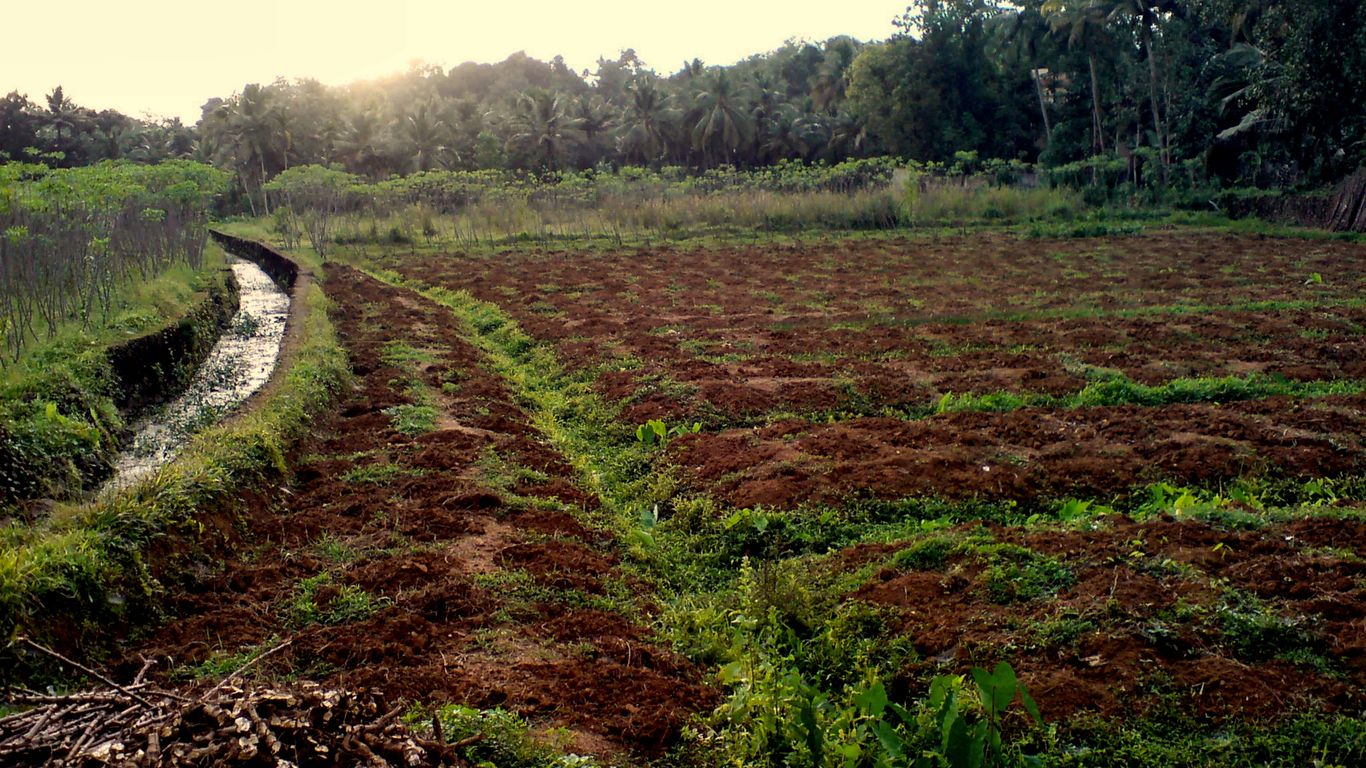
Biostimulants are really starting to get noticed in agriculture, and 2026 looks like a big year for them. Think of them as helpers for plants, not direct food like fertilizers, but things that make plants better at using nutrients, handling stress, and generally growing stronger. They’re made from natural stuff like seaweed, humic acids, and beneficial microbes.
Farmers are looking for ways to get good yields without relying so much on synthetic chemicals, and biostimulants fit right into that. They can help crops deal with tough weather, like dry spells or too much rain, and they also seem to improve the health of the soil over time. It’s a win-win, really.
Here’s why they’re gaining traction:
- Improved Nutrient Uptake: Biostimulants can help plants absorb nutrients that are already in the soil or applied through fertilizers more efficiently. This means you might not need as much fertilizer, saving money and reducing environmental impact.
- Stress Tolerance: Plants face all sorts of challenges – drought, heat, cold, pests. Biostimulants can prime the plant’s natural defense mechanisms, making it more resilient when things get tough.
- Soil Health: Many biostimulants contain microbes or organic compounds that feed beneficial soil organisms. Healthier soil means healthier plants and better long-term farm productivity.
The market for biostimulants is growing fast, with many companies planning to offer more products in the coming year. It’s not just about making plants grow; it’s about making them grow better, more sustainably, and with less reliance on traditional inputs. As we push for more regenerative farming practices, biostimulants are becoming a key tool in the farmer’s toolkit.
The Road Ahead: Practical Innovation for Real Farms
So, as we wrap up our look at the top AgTech startups for 2026, it’s clear the future of farming isn’t just about shiny new gadgets. It’s about making these tools work for real farmers, in real fields, dealing with real challenges like unpredictable weather and rising costs. We’ve seen how biologicals are becoming mainstream, robotics are getting more practical, and AI is acting like a smart assistant for growers. Plus, the way we pay for this tech is changing, making it easier for farmers to get their hands on what they need. It’s not just about inventing things anymore; it’s about making sure those inventions actually help farmers grow food better, more sustainably, and with less risk. The focus is shifting from just having cool tech to actually using it effectively, proving its worth, and making sure it’s accessible to everyone who needs it.
Frequently Asked Questions
What are biologicals in farming and why are they becoming more popular?
Biologicals are like nature’s helpers for crops. Instead of using strong chemicals, they use things like tiny microbes or natural substances to help plants grow, fight off pests, and become healthier. Farmers like them more because they are good for the soil and can help crops grow even when the weather is tough, without harming the environment as much.
How are robots changing farming work?
Robots are starting to do some of the hard and repetitive jobs on farms. Think of machines that can plant seeds very precisely, spray only the weeds, or even pick fruits. This is a big deal because it helps farmers when it’s hard to find people to do the work, and it means tasks can be done more accurately and often at the best time.
What does ‘AI-Driven Advisory’ mean for farmers?
AI, or artificial intelligence, is like a super-smart assistant for farmers. It looks at lots of information, like weather patterns, soil conditions, and how the plants are doing, and then gives farmers advice. This helps them make better decisions about when to water, fertilize, or protect their crops, leading to healthier plants and better harvests.
Why is water and climate resilience technology so important now?
The weather is becoming less predictable, with more heat waves, droughts, and heavy rains. Water and climate resilience tech helps farms deal with these changes. This includes things like smarter ways to water crops, using seeds that can handle heat or dry spells, and systems that help manage water better, ensuring crops can survive even in tough conditions.
How is financing changing how farmers get new technology?
Getting new farming technology can be expensive. Financing innovation means finding new ways for farmers to pay for these tools. Instead of buying everything upfront, farmers might rent equipment, pay based on how well their crops do, or use special plans that make it easier to afford advanced tech. This helps more farmers use the latest tools without taking on too much financial risk.
What is precision agriculture?
Precision agriculture is about farming smarter, not harder. It uses technology like GPS, sensors, and data analysis to treat different parts of a field in slightly different ways. For example, it might give water or fertilizer only where it’s needed, or spray pesticides only on specific weeds. This saves resources, reduces waste, and helps crops grow better.