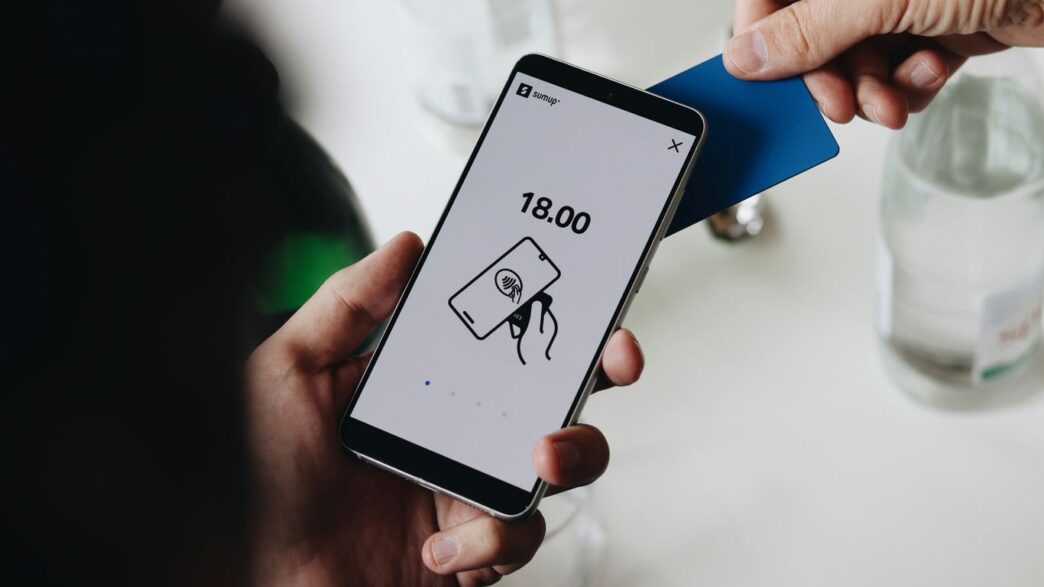
The world of mobile payments is changing fast, and some really interesting companies are leading the way. We’re seeing new tech pop up all the time that makes paying with our phones easier and more secure. From banks trying to keep up to big tech players making moves, it’s a busy space. Let’s look at what’s happening with these mobile payments technology companies and what it means for all of us.
Key Takeaways
- Digital payments are growing a lot, and people are using them more, even after the pandemic. Digital wallets are becoming super common.
- Banks are trying to stay important by offering new digital services and secure digital wallets to keep customers close.
- Companies like Apple are opening up their tech, and others like PayPal are changing how they work to offer more than just payments, becoming bigger commerce platforms.
- Making payments easy is important, but keeping customer information safe is a big deal too. New ways of checking who’s paying help with this.
- We’re going to see more ways to include everyone in financial services, new ways of doing business, and even a focus on being kinder to the planet with payments.
The Evolving Landscape Of Mobile Payments Technology Companies
The world of mobile payments is nearly unrecognizable compared to a decade ago. Every year brings something new—and it really jumped after the pandemic. Now, we’re seeing everything from established banks to tech disruptors fighting for a piece of the action. Let’s break down what’s happening:
Digital Payments Market Growth And Projections
It’s hard to ignore the numbers—mobile wallets are taking over. According to recent forecasts, global transaction values with these wallets are on track to pass $25 trillion by 2027, which is almost half of all e-commerce and point-of-sale purchases.
| Year | Projected Global Mobile Wallet Transactions ($ Trillion) | % of All e-Commerce/POS Sales |
|---|---|---|
| 2023 | 15 | 35% |
| 2025 | 20 | 42% |
| 2027 | 25 | 49% |
The takeaway? If you’re in payments and you’re not prioritizing digital, you’re falling behind.
Consumer Behavior Shifts Post-Pandemic
A lot changed when the pandemic hit. What felt like overnight, cash and even cards seemed less appealing. Here’s what stands out about how people are paying now:
- Contactless payments went from “nice to have” to “must-have.”
- People expect to use their phones for almost everything, from groceries to rent.
- Trust in digital wallets actually rose as folks saw how easy and safe they can be.
Now, even smaller merchants want to accept mobile payments to hang onto their customers.
The Rise Of Digital Wallets
A bunch of tech giants made digital wallets impossible to ignore. Apple, Google, and Samsung are the big names, but plenty of upstarts are joining the party. Here’s why digital wallets are becoming the standard:
- They’re faster than swiping a card or entering payment info online.
- Security measures (think face ID, biometrics, and even one-time tokens) make users feel safe.
- Rewards, offers, and even budgeting features are built right in, making them more than just a way to pay.
Traditional banks are feeling the pressure to catch up as digital-first competitors set the bar for speed and convenience. The next few years? It’s going to be a race to see who can deliver payments that are effortless, secure, and maybe even a little fun.
Financial Institutions Embracing Digital Transformation
Digital change isn’t just a buzzword for banks these days—it’s their new normal. Let’s break down how financial institutions (FIs) are not only keeping up, but sometimes even surprising us with new ways to make managing money easier, faster, and more connected than ever.
Staying At The Heart Of Customer Digital Lives
Financial institutions want far more than just a spot in your wallet. They aim to be at the core of how you handle money every single day. It’s surprising how often folks interact with their banks—on average, it’s more than twice a day for payment stuff alone. For banks, this means:
- Each tap, transfer, or balance check is a chance to build trust and loyalty.
- People want banks that “get” their habits, like spending insights or reminders.
- The digital experience has to work for everyone, whether it’s a high schooler with their first checking account or a retiree paying bills on a tablet.
Banks that manage to stick with customers from paycheck to purchase, and even to big life moments, can stay relevant no matter what shiny new app comes around.
Innovating With Secure Digital Wallet Solutions
Digital wallets are taking over, but not all are built the same. Financial institutions are betting that if they’re going to stay close to customers, they need wallets that go beyond just holding cards. The new models focus on:
- Managing different payment options all in one place
- Tools for organizing budgets and spending categories
- Features that show personal finance trends—kind of like having a bank nerd in your pocket
- Security front and center, with fast logins but strong data protection
Here’s a quick table showing what new digital wallets from FIs often include:
| Feature | What It Does |
|---|---|
| Multi-method Payments | Connects cards, bank accounts, and gift cards |
| Spending Insights | Tracks and analyzes purchases |
| Secure Authentication | Biometric logins, two-factor IDs |
| Personalized Offers | Deals matched to your behavior and interests |
The New Role Of Banks In Digital Payments
Banks aren’t just safe-keeping your money anymore. They see themselves as helpers for life’s bigger money questions and, honestly, it makes sense. Here’s what’s changing:
- People want to use payments for more than just buying stuff—think tracking carbon footprints or investing while buying coffee.
- There’s a demand for tools that help folks link spending to their personal beliefs, like eco-friendly payment options.
- The best digital banking feels invisible—instant balance checks, one-click checkouts, and cards loaded to wallets in a flash.
When banks lean into these shifts and combine them with simple, secure apps, they’re no longer just old-school places that hold your cash. Instead, they’re active guides in the digital world, working behind the scenes to help you spend smarter without even breaking your stride.
Key Players Driving Innovation In Mobile Payments
The mobile payments world is really moving fast, and a few companies are making big waves. It’s not just about making payments easier, but also about how these companies are changing the game for everyone involved, from banks to us regular folks.
Apple’s NFC Capabilities Expansion
Apple has made a pretty significant move recently. They announced they’re going to let other apps use their NFC (Near Field Communication) tech for payments. This is a big deal because, up until now, Apple’s NFC was mostly just for Apple Pay. Now, with this change, especially after some pressure from the European Commission, other digital wallets and financial apps will be able to tap into this. Think about it: this opens up a lot of new possibilities for banks and other payment providers to create their own payment experiences right on your iPhone. It’s a move that could really shake things up and give consumers more choices.
Giesecke+Devrient’s Security and Convenience Solutions
When we talk about security and making things easy, Giesecke+Devrient (G+D) is a name that keeps coming up. They’re working with financial institutions to build out digital payment solutions that are both safe and simple to use. They offer ways for banks to put tokenization into their apps. This means when you use your phone to pay for something, your actual card number isn’t being shared. Instead, a unique token is used, which is way more secure. G+D also helps banks give customers more control over their payment cards right from their mobile banking app. You can manage tokens, activate digital cards instantly, and generally have a much smoother experience. They’re focused on making sure that as payments go digital, they stay protected and convenient for everyone.
PayPal’s Evolution Into A Commerce Platform
PayPal isn’t just about sending money to friends anymore. They’ve really grown into something much bigger – a whole commerce platform. They’re looking beyond just processing transactions. Now, they’re integrating more services that help businesses sell and customers buy, all in one place. This includes things like ‘buy now, pay later’ options and other financial tools that make shopping easier. They’re trying to be involved in more parts of the shopping journey, not just the final checkout step. This expansion shows how companies are thinking about the whole ecosystem of buying and selling online.
Strategic Shifts For Leading Mobile Payments Technology Companies
Mobile payments are no longer just about sending money or tapping your phone to buy coffee. The big companies in this space – like PayPal, Apple, and others – are rewriting the script. Instead of standing still, they’re rebuilding what it means to manage and move money in a digital world. Let’s break down how these leaders are changing things up.
PayPal 2.0: Beyond Payments To Commerce
PayPal isn’t just sitting back and being the safe way to pay online. Now, under CEO Alex Chriss, PayPal’s working to become a total commerce engine. Some of the changes aren’t small – they’re taking their massive platform and making it useful to both stores and shoppers, not just as a payment method, but as a one-stop shop for transactions, offers, and financial management. Big moves include:
- Moving from a simple “Pay” button to offering budgeting tools, shopping discounts, and loyalty perks directly inside the wallet.
- Tightening up tools for stores to help them attract and keep customers, with better analytics and marketing tied to transactions.
- Expanding from online-only to in-person, with partnerships (like Verifone) letting people use PayPal in physical stores, too.
PayPal isn’t just watching competitors like Stripe and Apple Pay – they’re trying to set the pace for what comes next.
Ubiquitous Acceptance And Personalized Experiences
Today, it’s not enough to just be available online. For mobile payments to win, people need to use the same service everywhere: online, in shops, in apps, and even in emerging channels like subscriptions or automated purchases. Leaders are focused on key shifts:
- Building networks and partnerships so customers can use their mobile payment app anywhere, anytime.
- Using the huge datasets these apps collect to make each person’s experience feel unique – think smart spending suggestions, instant coupons, or remembering your favorite stores.
- Making the wallet smarter, not just safer – giving users quick access to rewards, cashback, and the best way to pay for each transaction.
Here’s a quick look at how companies are chasing greater acceptance:
| Provider | E-Commerce | In-Store Payments | Integrated Offers |
|---|---|---|---|
| PayPal | Yes | Growing | Yes |
| Apple Pay | Yes | Yes | Limited |
| Google Pay | Yes | Yes | Yes |
Dynamic Wallets And Value Integration
Gone are the old days where a wallet was just a way to pay. Now, digital wallets are about creating value. Companies are stuffing in as much as they can to keep users opening their app, not just when it’s time to pay, but every day. They’re putting together:
- Digital rewards programs and cashbacks that choose the best offer for you instantly, so there’s always an incentive to use the wallet.
- Funding options: letting people pay with cards, bank accounts, or even new things like digital currencies, all from the same spot.
- Instant access to new features – think investing, buy-now-pay-later, crypto, or even partnerships with other banks for special deals and experiences.
The short version? Mobile payment companies aren’t just reacting; they’re pushing the industry forward fast. The goal is clear: boost convenience, make payments everywhere, and add value in ways that keep users hooked beyond the payment itself.
Balancing Security And Convenience In Digital Transactions
As more people turn to mobile payments, finding the right mix of security and speed is a big challenge for banks, fintechs, and other companies. People want a quick, easy payment experience but also expect their personal info and dollars to be safe. It can feel like a tug of war: how do you lock things down without making customers jump through too many hoops?
Robust Protection For Customer Data
Fraud is a growing problem in digital payments. With more transactions happening in real time and the rise of digital assets, scammers get creative fast. Companies now have to keep an eye on these risks every single day. Older adults aren’t the only ones getting tricked; young people, too, are falling for scams like fake job offers and phishing links. Here’s what companies are doing today:
- Constant monitoring for strange or suspicious activity
- Regular updates to security systems for new threats
- Quick customer alerts if anything out of the ordinary pops up
Lots of companies also partner up with organizations and government to fight payment fraud together—one company alone can’t catch everything.
Contextual Authentication For Frictionless Banking
No one likes getting locked out of their own bank account because they forgot their password—again. Contextual authentication tries to solve this by looking at your usual habits. For example, it might check what device you use most, where transactions usually happen, and the normal size of your purchases. If you’re buying coffee at your regular spot, login is simple. But if there’s a big, weird charge halfway across the world, it might ask for extra proof just in case.
Some common ways to make this work:
- Biometrics (like fingerprints or face recognition)
- One-time passcodes via text or app
- Checking device and location info
Banks want to keep the process simple for the customer but tough on the bad guys. That way, regular customers rarely notice the security working in the background.
Tokenization For Secure Contactless Payments
Contactless payments—tapping your phone or card—are everywhere now. But there’s always the fear: what if someone intercepts your card info? Tokenization helps by replacing real card numbers with random codes (tokens). If someone steals the token, it’s useless on its own.
Here’s what tokenization changes for the better:
| Traditional Card Payment | Tokenized Payment |
|---|---|
| Real card numbers stored | Fake token replaces card |
| Wider risk in data breaches | Limited, isolated risk |
| Harder for customer to control | More control via mobile app |
A lot of modern banking apps let you see and even manage these tokens. You can suspend them, revoke them, or add new cards to different mobile wallets, all without waiting for a bank employee. It puts more control in the hands of everyday users.
Bottom line? Finding the sweet spot between airtight security and easy, quick payments is what today’s top companies are aiming for. As digital payments keep growing, we’ll see even more focus on safety—sometimes in ways most of us won’t even notice.
Future Trends In Mobile Payments Technology
The way we pay for things is always changing, and it’s not slowing down anytime soon. We’re seeing some really interesting developments that are going to shape how we handle money on our phones.
Accessibility and Inclusivity in Fintech
One big area is making sure everyone can use these payment tools, no matter their situation. This means designing apps that are easy for people with disabilities to use, like offering voice commands or larger text options. It also means thinking about people who might not have a traditional bank account or a fancy smartphone. We’re starting to see more services that work with basic phones or offer ways to pay without needing a constant internet connection. The goal is to bring more people into the digital economy, not leave them behind.
Novel and Disruptive Business Models
Get ready for some new ways of doing things. Think about "buy now, pay later" services, which are already popular, but they’re just the start. We’re also seeing ideas like "earned wage access," where people can get a portion of their paycheck before payday. On the investment side, imagine apps that let you put your spare change into different investment portfolios automatically. It’s all about making financial services more flexible and available when people need them, often in ways that weren’t possible before.
Sustainability in Payment Solutions
This might sound a bit out there, but even payments can be more eco-friendly. Companies are starting to look at the environmental impact of their operations. This could mean using less energy for data centers or finding ways to reduce the physical materials used in payment cards. Some are even exploring how payment systems can encourage greener behavior, perhaps by offering rewards for sustainable purchases. It’s a growing area where technology meets environmental consciousness.
The Road Ahead for Mobile Payments
So, what does all this mean for the future of paying with our phones? It’s clear that things are changing fast. Companies are working hard to make payments easier and more secure, whether you’re shopping online or in a store. We’re seeing new ideas pop up all the time, like ways to make payments more personal or even more eco-friendly. It’s not just about the technology itself, but how it fits into our lives. Financial institutions have a big role to play in all of this, making sure they keep up with what customers want. It’s going to be interesting to see how these innovations continue to shape how we handle our money every day.
Frequently Asked Questions
What are mobile payments and how do they work?
Mobile payments let you pay for things using your smartphone or tablet instead of cash or cards. You can use apps like Apple Pay, Google Pay, or PayPal to make purchases online or in stores by tapping your phone or scanning a code.
Why are digital wallets becoming so popular?
Digital wallets are easy to use and make payments faster. They also keep your card details safe and let you pay without touching cash or handing over your card. Many people like them because they work for shopping online, in stores, and even for sending money to friends.
How are banks changing with mobile payments?
Banks are adding more digital tools, like mobile apps and digital wallets, to keep up with what customers want. They are also making payments safer and easier, so people can quickly manage their money and pay for things on the go.
Is it safe to use mobile payment apps?
Yes, mobile payment apps use strong security features like passwords, fingerprint or face ID, and tokenization. Tokenization means your real card number isn’t shared when you pay, which helps keep your information safe.
What is tokenization in mobile payments?
Tokenization is a way to protect your card details. Instead of using your real card number, the app creates a special code, or ‘token,’ for each payment. This makes it much harder for anyone to steal your card info.
What does the future look like for mobile payments?
Mobile payments will keep growing and getting better. More people will be able to use them, even in places without banks. New features, like rewards and eco-friendly options, will make paying even easier and more fun.