The 2026 Great Lakes Crop Summit brought together a lot of smart people to talk about farming. From new ways to grow corn to keeping soil healthy, there was a lot to learn. It was a good chance for everyone involved in agriculture to share ideas and find out what’s new.
Key Takeaways
- Farmers are looking at new ways to manage crops, like using different nitrogen strategies and understanding when to replant. The great lakes crop summit covered a lot of this.
- Soil health is a big deal. Awards were given to farmers doing great work with regenerative agriculture, showing that healthy soil can mean better crops and a healthier environment.
- New technology is changing how we farm. This includes things like precision sampling for soil and even virtual fencing for grazing animals.
- Dealing with crop problems like ear rot and pests is always a challenge. The summit shared information on managing these issues using different methods.
- The dairy industry is also seeing a lot of changes, with a focus on new technology, sustainability, and making sure workers are well-supported.
Great Lakes Crop Summit Highlights
The 2026 Great Lakes Crop Summit kicked off with a focus on the future and celebrating those making a difference. The event brought together farmers, researchers, and industry folks to talk about what’s next for agriculture in the region.
Keynote Address: Farming for the Future
The summit’s opening keynote, delivered by Monte Bottens, a fifth-generation Illinois farmer and entrepreneur, set the stage for the discussions to come. He shared insights on how innovation and forward-thinking practices are shaping the agricultural landscape. The address touched on the importance of adapting to changing markets and environmental conditions, emphasizing that success in farming today requires a blend of tradition and new ideas.
Award Ceremony: Honoring Soil Health Heroes
A significant part of the opening day was the recognition of outstanding contributions to soil health. The Nature Conservancy in Michigan presented its "Soil Health Hero" awards to three farms. These awards highlight farmers who are leading the way in regenerative agriculture.
- Zach Cook (Big Rapids): Received the Conservation Newcomer Award for recently adopting conservation practices.
- Sklarczyk Seed Farm (Johannesburg): Honored with the Conservation Innovation Award for trying new or experimental conservation methods.
- Tom Hess (Vassar): Given the Conservation Legacy Award for consistently applying soil health practices for over five years.
These farmers were chosen by a committee based on peer nominations, recognizing their efforts in reducing tillage, using cover crops, and managing nutrients wisely. Their work not only improves farm productivity but also protects natural resources.
Networking Opportunities for Industry Professionals
Beyond the formal sessions, the summit provided ample time for networking. Attendees had chances to connect with peers, experts, and innovators during breaks, receptions, and meals. These interactions are key for sharing practical advice and building collaborations. For those in the dairy industry, specific sessions were offered in Spanish, focusing on leadership, reproduction, and herd health, making the event more accessible to a wider range of farm teams.
Advancements in Agronomic Practices
This section of the Great Lakes Crop Summit really dug into the nitty-gritty of how we farm, focusing on making things work better and smarter. It wasn’t just about theory; it was about practical, on-the-ground changes.
Corn Hybrid Research and Nitrogen Strategies
We got a look at some interesting research comparing different types of corn hybrids – the short ones versus the tall ones. Dr. Dan Quinn from Purdue shared findings from studies that looked at how these hybrids perform with different amounts of nitrogen and how close they’re planted. It seems like there’s a lot to consider when picking the right hybrid and figuring out the best nitrogen plan for your fields. The goal is to find that sweet spot where you get good yields without wasting money or resources.
Revising Replant Recommendations for Ohio Crops
Spring planting is always a gamble, right? Sometimes you have to replant. Ohio State Extension specialists Laura Lindsey and Osler Ortez talked about updating the advice on when and how to replant corn and soybeans in Ohio. They’ve been looking at data over several years to make sure the recommendations make sense for today’s farming conditions. It’s all about giving farmers the best information when those tough decisions need to be made.
Precision Soil Sampling and Management Zones
With fertilizer prices being what they are, knowing exactly what’s in your soil and where is super important. Dr. Simer Virk from Auburn University discussed how to get the most out of soil sampling. He talked about different ways to sample, like grid sampling and zone sampling, and how accurate they are. The idea is to understand the differences within a field so you can manage it better and use your inputs more wisely. It’s about being precise and not just treating the whole field the same way.
Sustainable Farming Innovations
This year’s Great Lakes Crop Summit really dug into how we can farm smarter and kinder to the planet. It wasn’t just talk; there were some solid examples of what’s working right now.
Regenerative Agriculture and Soil Health
We heard a lot about making our soil healthier, which makes sense. Healthy soil means better crops and less worry about the weather. Zach Cook, who got the Conservation Newcomer Award, is doing just that on his sandy soil farm. He’s using no-till and cover crops, which he also feeds to his cattle. The manure from the cattle then goes back on the fields. He figures it’s an investment that pays off by making the soil better and giving him more ways to make money from the farm. It’s all about making things work efficiently.
Tom Hess, who won the Conservation Legacy Award, has been doing no-till and cover crops for years. He showed how his farm handled a huge rainstorm with hardly any runoff. He’s also added areas for pollinators and grass waterways. It sounds like a lot of work, but he says it’s not hurting his bottom line. The goal is to leave the soil in better shape than he found it.
Hydroponic Seed Potato Production Efficiency
Then there was Sklarczyk Seed Farm, picking up the Conservation Innovation Award. They’re growing seed potatoes using hydroponics, and the results are pretty amazing. Ben Sklarczyk mentioned they used to get maybe two to five potatoes per plant. Now, with hydroponics, they’re pulling in 25 to 35 potatoes from each plant. That’s a huge jump!
This method is apparently making them way more efficient with their space, fertilizer, and water. Alison Sklarczyk stressed how important sustainability is, especially since they live right there on the farm. They want to take care of the land and water while still being cost-effective. It’s a good example of using new tech to be more sustainable.
Water Conservation in Agricultural Systems
Water use came up quite a bit, especially with the hydroponics example. But it wasn’t just about that. The general theme was finding ways to use less water without sacrificing yield. This ties right back into soil health, too. Healthier soil holds water better, meaning you might not need to irrigate as much. It’s a win-win for the farm and the environment. The summit really highlighted that being efficient with resources like water and soil is key for the future of farming in the Great Lakes region.
Addressing Crop Challenges
This year’s Great Lakes Crop Summit really dug into some of the tough issues farmers are facing. It wasn’t all about new tech; a good chunk of the talks focused on dealing with the problems that pop up year after year, and some new ones too.
Gibberella Ear Rot and Vomitoxin Management
One big topic was Gibberella ear rot, and more importantly, the vomitoxin (DON) it can cause in corn. Nobody wants that in their harvest. The summit shared updates on how to predict and manage these risks better. It sounds like they’re getting smarter about spotting the conditions that lead to it and what steps farmers can take to lessen the impact. It’s not a simple fix, but knowing the latest strategies can make a real difference when harvest time rolls around.
Biological Nitrogen Product Efficacy
There was a lot of talk about those newer biological nitrogen products. You see them advertised everywhere, promising big things. Dr. Nicole Fiorellino from the University of Maryland presented some on-farm data from the last few years. Her findings suggest that while these products might work in some places, their effectiveness can be pretty limited. She really stressed the importance of local testing before farmers invest heavily in them. It seems like what works in one field or region might not do much in another. So, don’t just take the claims at face value; look for local results.
Integrated Pest Management for Slugs
Slugs are a pain, especially in no-till and cover crop systems, which are great for soil health but can sometimes create a good home for these slimy pests. Dr. John Tooker from Penn State talked about integrated pest management (IPM) for slugs. The good news is that using cover crops and encouraging natural predators can really help. It’s not just about spraying chemicals; it’s about creating a system where nature helps keep the slug population in check. Combining these natural methods with other IPM strategies seems to be the way to go for managing them effectively.
Forage and Grazing Conference Insights
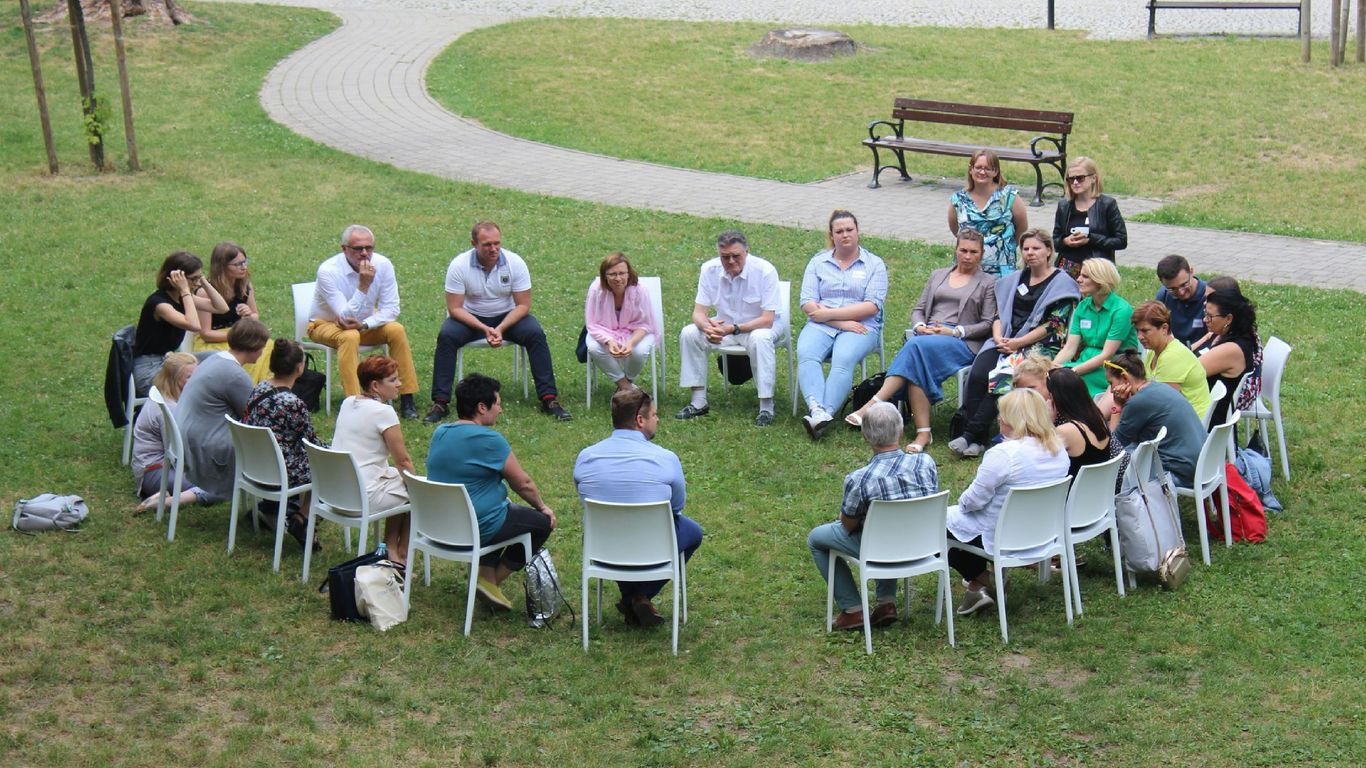
This year’s Great Lakes Forage and Grazing Conference, happening March 19th, is really focusing on the practical side of making money with forages and grazing. It’s a big deal for anyone growing forage, managing pastures, or just interested in how these systems work. The keynote speakers, Ben and Denise Bartlett, are sharing their own story, ‘How Grass Bought the Farm.’ Sounds like they’ve got some real-world experience to pass on, which is always better than just theory, right?
They’re also having a Forage Spokesperson Contest where farmers explain how their forage setups help their operations. It’s a neat way to hear directly from people on the ground. After lunch, there’s a look back at how forage practices have changed over the last 45 years, which should be interesting to see how far things have come.
Here’s a peek at what else is on the agenda:
- Profitability Through Sound Forage Practices: This is the main theme, so expect lots of talk about making your operation more financially sound using smart forage and grazing methods.
- Lessons from Grazing Experience: Hearing directly from farmers like the Bartletts about what works and what doesn’t is invaluable. They’ll cover practical tips learned over years of managing livestock on pasture.
- Virtual Fencing Technology in Grazing Management: This is a hot topic. They’ll be discussing how new tech, like virtual fences, can help manage grazing areas more effectively. It’s not just about the tech itself, but how it fits into making your grazing system work better and potentially save on labor.
It seems like the conference is aiming to give attendees solid, actionable advice. The focus on profitability and practical experience makes this a must-attend for anyone serious about forage and grazing.
Dairy Industry Innovations
The dairy sector is always changing, and the 2026 Great Lakes Crop Summit really dug into what’s new. We’re talking about big shifts in how dairy farms operate, from the tech they use to how they think about the market and taking care of their workers.
Technological Advancements in Dairy Farming
Technology is making a huge difference on dairy farms. Think automated milking systems that can milk cows whenever they need it, reducing stress on the animals and freeing up staff time. There’s also a lot of focus on data. Sensors on cows can track everything from their temperature to how much they’re moving, giving farmers early warnings about health issues. Barns are getting smarter too, with climate control systems that adjust automatically to keep the cows comfortable. These tools aren’t just about making things easier; they’re about improving animal health and farm efficiency.
Sustainability and Market Trends in Dairy
Sustainability is a big word in dairy right now. Farmers are looking for ways to reduce their environmental footprint, like managing manure better to cut down on greenhouse gases and using water more wisely. There’s also a growing interest in what consumers want. More people are asking for dairy products that are produced in a way that’s good for the planet and good for the animals. This means farms are exploring different feed options and ways to use resources more efficiently to meet these market demands.
Workforce Strategies and Animal Welfare
Finding and keeping good staff is a challenge for many farms, and the summit addressed this head-on. Discussions included ways to improve training, create better work environments, and even explore options like the TN visa program for bringing in skilled workers from Canada and Mexico. Alongside this, animal welfare continues to be a top priority. This involves not just meeting basic needs but actively creating conditions that promote the cows’ well-being, which in turn can lead to better productivity and a healthier herd.
Looking Ahead After the Summit
So, the Great Lakes Crop Summit wrapped up, and it was a pretty packed few days. We heard about new ways to manage crops, like dealing with mold in corn and whether those new biological fertilizers actually work. It wasn’t all just talk, either; they gave out awards to farmers doing great work with soil health, which is pretty cool. It seems like everyone’s trying to figure out how to farm smarter, use less, and still make a good living, all while taking better care of the land. It’s clear there’s a lot going on in farming right now, and events like this help bring people together to share what they’re learning.
Frequently Asked Questions
What is the main goal of the Great Lakes Crop Summit?
The summit aims to help farmers learn new ways to increase their profits by doing more with less, focusing on the latest information and resources for the region’s farming community.
What kind of awards are given out at the summit?
Awards like the ‘Soil Health Heroes’ are presented to recognize farmers who are doing great work in areas like conservation, using new farming methods, and continuing good practices for many years.
Are there sessions specifically for the dairy industry?
Yes, there are special sessions dedicated to dairy farming, covering new technologies, how to be sustainable, market trends, and important topics like animal welfare and workforce strategies. Some sessions are even offered in Spanish.
What new farming techniques will be discussed?
Discussions will cover advanced topics such as new ways to grow corn with different nitrogen strategies, how to use precision soil sampling to manage fields better, and the science behind new biological products for farming.
How can farmers learn about managing crop problems?
The summit will provide updates on dealing with issues like ear rot and toxins in corn, understanding the real benefits of biological nitrogen products, and using integrated pest management to handle pests like slugs.
What can attendees expect from the Forage and Grazing Conference part of the summit?
This section focuses on making money through good forage and grazing practices. You can hear real-life stories from farmers, learn about the latest research, and explore new technologies like virtual fencing for managing livestock.