Bayer Crop Sciences is making some big moves in farming. They’ve got a whole bunch of new ideas and products coming out over the next ten years. It’s all about helping farmers grow more food, but in ways that are better for the planet. Think new seeds, smarter ways to protect crops, and even using digital tools to make farming more precise. They’re really focused on making farming more sustainable and productive for everyone.
Key Takeaways
- Bayer Crop Sciences is introducing 10 major new products in the next decade, aiming for significant sales growth and farmer support.
- The company is heavily invested in regenerative agriculture, planning to implement these practices on millions of acres globally.
- Innovations include advanced systems for corn and soybeans, like the Preceon Smart Corn System, and new traits for better crop protection.
- Bayer is developing new solutions for rice and wheat, such as a direct-seeded rice system and hybrid wheat, to boost global food security.
- The company is embracing biologicals and digital farming tools, using AI and platforms like Climate FieldView to improve farming efficiency and decision-making.
Bayer Crop Sciences’ Commitment to Regenerative Agriculture
Bayer Crop Sciences is really putting its money where its mouth is when it comes to regenerative agriculture. It’s not just a buzzword for them; it’s a core part of their strategy moving forward. They’re looking at farming in a way that not only produces more food but also actively helps the environment. Think better soil health, more resilient crops, and even helping to fight climate change by storing carbon in the ground. It’s a big shift, and they’re tackling it from a few different angles.
Annual Portfolio Refresh for Environmental Adaptation
Every year, Bayer updates its lineup of seeds and crop protection products. This isn’t just about releasing something new for the sake of it. They’re specifically looking at how to help farmers deal with changing weather patterns and environmental stresses. This means introducing a bunch of new seed varieties and crop protection formulas annually. They aim to roll out around 400 to 500 different seed hybrids and varieties each year, plus about 90 to 100 new crop protection formulations over the next decade. It’s like giving farmers a fresh toolkit every year to handle whatever Mother Nature throws at them.
New Product Development for Next-Generation Solutions
Beyond the annual refresh, Bayer is investing heavily in developing entirely new technologies. This includes creating next-generation seeds with advanced traits and brand-new crop protection solutions. The goal here is to create products that have real blockbuster potential, meaning they could significantly impact farming practices and farmer profitability. They’re building on what they already know works well but pushing the boundaries to create solutions for the future of farming.
Strategic Collaborations for Accelerated Innovation
Bayer knows it can’t do it all alone. That’s why they’re actively partnering with other companies and research institutions. These collaborations are key to bringing new ideas to market faster. They’re working with experts in areas like gene editing and biological solutions, which are areas that complement Bayer’s own research. By teaming up, they can speed up the development and rollout of innovative products, making sure farmers get access to the latest advancements sooner rather than later.
Advancements in Corn and Soybean Production
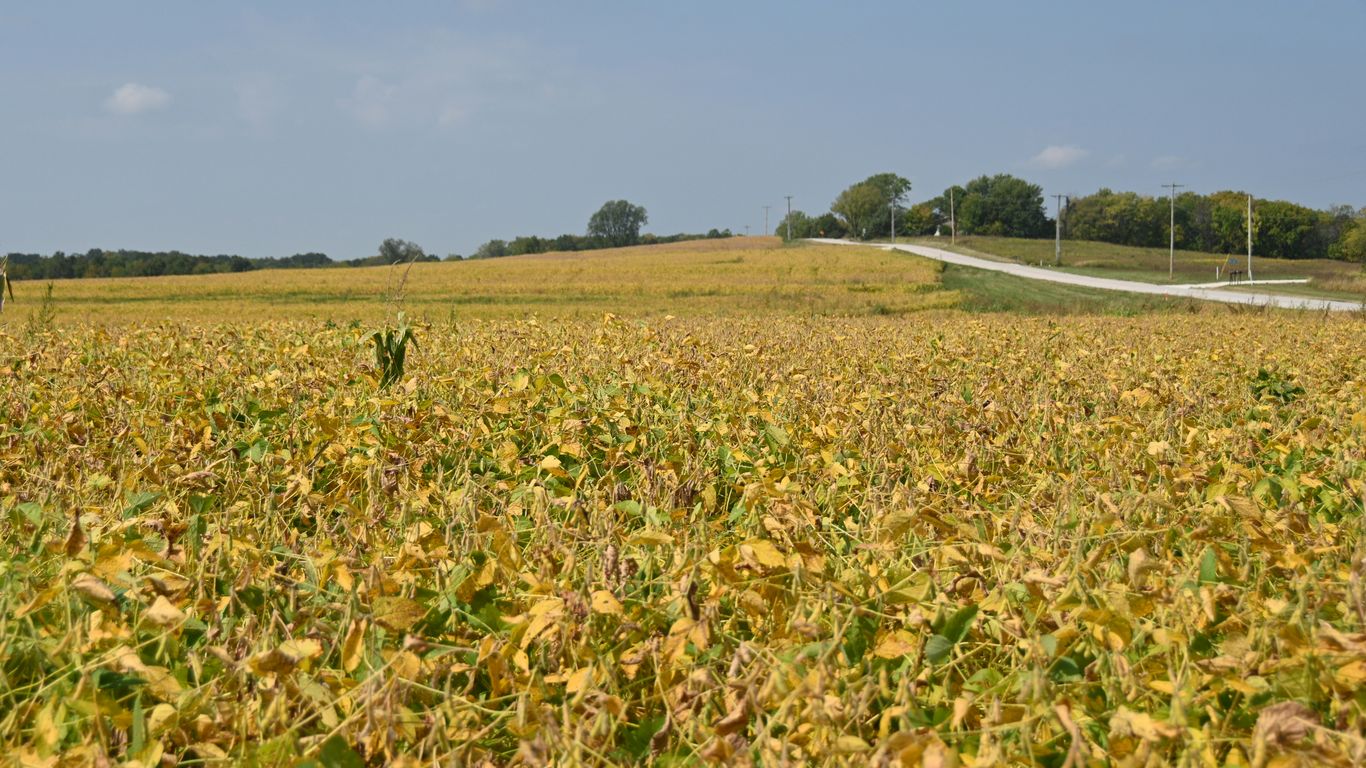
When it comes to corn and soybeans, Bayer Crop Sciences is really pushing the envelope. They’ve got this thing called the Preceon Smart Corn System, which sounds pretty neat. The idea is to help corn crops stand up better, especially when the weather gets rough, like strong winds. This system is designed to protect the plants and, hopefully, lead to bigger harvests. They’re aiming for a biotech version to be ready around 2027. On top of that, they’re working on new ways to fight off insects that target corn, with the potential for some serious sales if it all pans out.
For soybeans, Bayer is already a big player, offering systems that help farmers get more out of their fields while keeping the quality high. These systems combine ways to deal with pests and make the soybeans resistant to certain herbicides. They’re not stopping there, though. New traits are in the works that will give soybeans even more ways to fend off problems. It’s all about making sure farmers have the best tools to grow these important crops.
Here’s a quick look at what they’re focusing on:
- Preceon Smart Corn System: Aims to improve crop resilience against environmental stresses and boost yields.
- Next-Generation Insect Control Traits: Developing advanced genetic traits to protect corn from damaging insects.
- Leading Soybean Systems: Continuously improving soybean varieties with enhanced pest resistance and herbicide tolerance for better productivity and quality.
Transforming Rice and Wheat Cultivation
Rice and wheat are staples for so many people around the world, and Bayer is looking at some pretty interesting ways to make growing them better. They’ve got this direct-seeded rice system that’s been rolling out, and it’s a big deal for sustainability. Basically, it means farmers can plant rice seeds directly into the soil instead of using the old transplanting method. This cuts down a lot on water usage, which is huge, especially in areas where water is scarce. Plus, it reduces the amount of greenhouse gases released and means less back-breaking labor for farmers. Bayer is aiming to get this system onto millions of acres in India by 2030.
Then there’s the work they’re doing with hybrid wheat. This isn’t just about tweaking existing varieties; it’s about developing entirely new types of wheat that can produce more and do so more reliably. They’re partnering with companies like RAGT on this. The goal here is to really boost production and help make sure there’s enough food for everyone, globally. We’re talking about the potential for these new hybrid varieties to start showing up by the end of this decade. It’s a complex process, but the payoff for food security could be massive.
Here’s a quick look at what these initiatives aim to achieve:
- Direct-Seeded Rice System:
- Reduced water consumption
- Lower greenhouse gas emissions
- Less manual labor required
- Hybrid Wheat Development:
- Increased yield potential
- Improved crop resilience
- Contribution to global food security
CropKey: Next-Generation Crop Protection Solutions
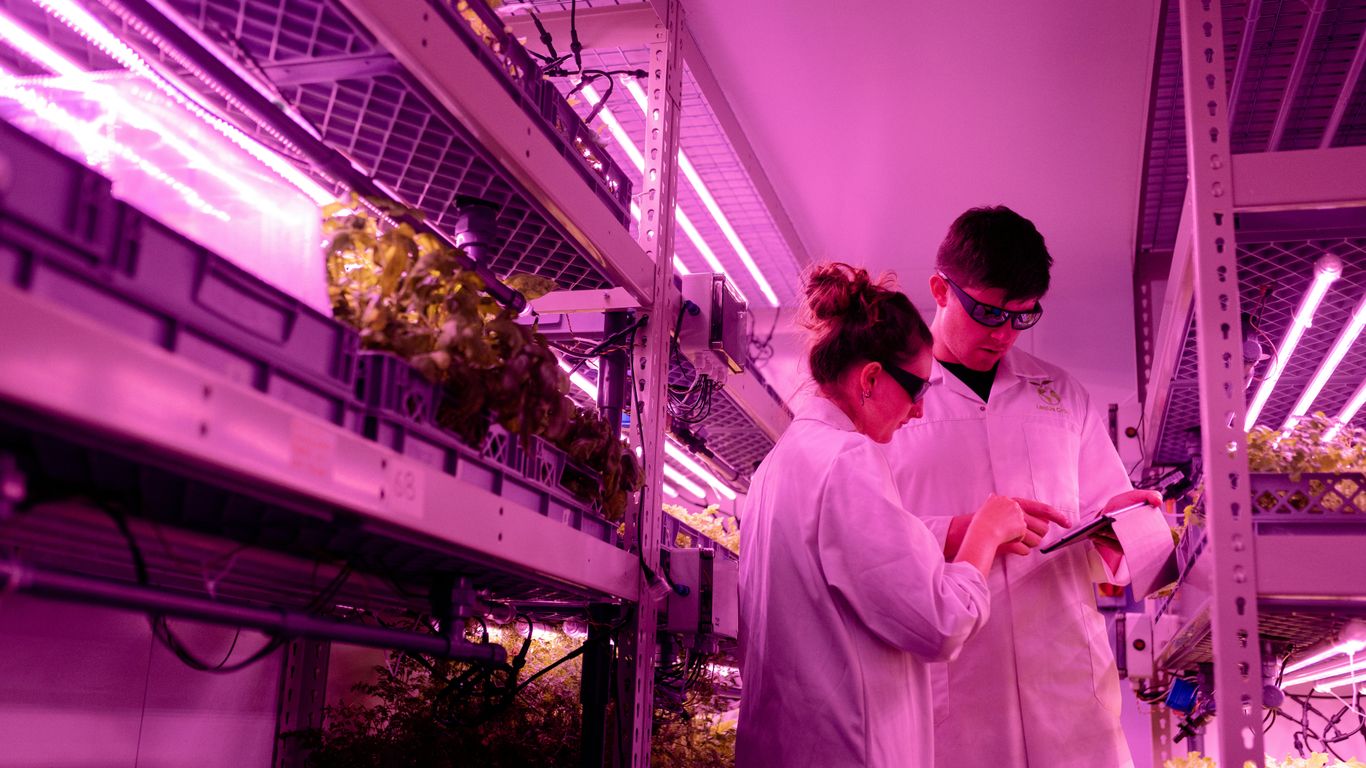
Bayer’s CropKey initiative is all about creating new ways to protect crops, and it’s pretty neat how they’re going about it. Instead of just mixing chemicals and hoping for the best, they’re using computer smarts to design molecules that fit just right onto the proteins that cause problems for weeds, fungi, or bugs. Think of it like designing a key to fit a very specific lock. This virtual screening and computer modeling approach means they can be more precise and hopefully develop products that work better and are safer.
Innovative Chemistry Through Virtual Screening
This is the core of CropKey. They’re not just guessing; they’re using advanced computing to figure out what molecules will do the job. It’s a bit like having a super-powered lab where they can test millions of possibilities without actually making them in the real world first. This speeds things up and helps them find solutions that might have been missed otherwise.
Icafolin: A New Post-Emergent Herbicide
One of the first fruits of this labor is Icafolin, a new herbicide that you apply after the weeds have already popped up. It’s expected to hit the market around 2028 and could bring in a good chunk of change, maybe over 750 million euros in sales. This means farmers will have another tool to manage tough weeds that pop up during the growing season.
Broad-Spectrum Fungicide and Insecticide Development
But it’s not just about herbicides. Bayer is also working on new ways to fight off fungi and insects. They’ve got a broad-spectrum fungicide in the works, which sounds like it could tackle a wide range of fungal diseases. Plus, there’s a new insecticide called Plenexos, slated for a 2025 release. Having these new options is important because pests and diseases can adapt, so we need new defenses to keep crops healthy and yields up.
Embracing Biologicals and Digital Farming
It’s pretty wild how much farming is changing, right? Bayer is really leaning into two big areas: biologicals and digital tools. Think of biologicals as nature’s own pest and disease fighters, but developed in a lab. They’re partnering up with some smart companies, like Ginkgo Bioworks and Kimitec, to speed things up. This means they can bring products like Ibisio, which helps control birds, to market faster. It’s all about finding more natural ways to protect crops.
Then there’s the digital side of things. They’re using artificial intelligence, or AI, to make farming smarter. This isn’t just about fancy gadgets; it’s about giving farmers better information to make decisions. Climate FieldView is a big part of this, acting like a central hub for all sorts of farm data. Farmers can use it to see what’s happening in their fields in real-time and figure out the best way to plant, water, and protect their crops. It’s like having a super-smart assistant for your farm.
Here’s a quick look at how these areas are shaping up:
- Biologicals R&D: Bayer is teaming up with other innovators to get new biological products developed and out the door quicker.
- AI in Precision Ag: Using AI helps make farming more precise, meaning less waste and better results.
- Climate FieldView: This platform pulls together data to help farmers make smarter choices about their fields.
It’s a big shift from just using chemicals. They’re looking at how nature and technology can work together to make farming more efficient and maybe even a bit kinder to the planet.
Bayer’s Blockbuster Product Strategy
Bayer has laid out a pretty ambitious plan, aiming to roll out ten major new products over the next decade. They’re calling these ‘blockbusters,’ and each one is expected to bring in more than 500 million euros. That’s a lot of zeroes! The whole idea is to help farmers grow more food, more efficiently, and do it in a way that’s better for the planet.
Ten Blockbuster Products Over the Next Decade
This isn’t just a vague goal; Bayer has a clear target. They want these ten products to really make a difference. Think of it like a lineup of star players, each with a specific role in improving how we grow crops. The sales projections are pretty significant, too, with a potential peak sales figure that’s quite unprecedented in the farming world. It shows they’re serious about investing in new ideas.
Enhancing Farmer Productivity and Market Growth
At its core, this strategy is about giving farmers the tools they need to succeed. Better yields, healthier crops, and more resilient farming practices all contribute to a farmer’s bottom line. But it’s not just about individual farms; it’s about growing the whole agricultural market. By introducing these advanced solutions, Bayer hopes to open up new opportunities and drive overall growth in the sector.
Scaling Regenerative Agriculture Globally
One of the biggest pieces of this puzzle is their commitment to regenerative agriculture. They’re aiming to get these practices onto more than 400 million acres worldwide by the middle of the next decade. What does that mean? It’s all about farming in a way that actually improves the land – things like boosting soil health, using water more wisely, and even helping to reduce greenhouse gases. It’s a big undertaking, but they see it as key to both long-term sustainability and market expansion.
Looking Ahead
So, Bayer Crop Sciences is really pushing forward with some big plans. They’re talking about bringing out a bunch of new products over the next ten years, aiming for some serious sales numbers with each one. It’s all about helping farmers grow more food, but also doing it in a way that’s better for the planet, like improving soil health and cutting down on emissions. They’re working with other companies and using new tech, like gene editing and digital tools, to make this happen faster. It seems like they’re trying to set a new direction for farming, focusing on both getting more crops out of the ground and taking better care of the environment at the same time.
Frequently Asked Questions
What is Bayer Crop Sciences doing to help the environment?
Bayer Crop Sciences is working on making farming better for the planet. They are developing new seeds and ways to protect crops that help farmers deal with changing weather. They also want to make farming practices that improve the soil and reduce harm to the environment, which they call regenerative agriculture.
How is Bayer improving corn and soybean farming?
For corn, Bayer has a new system called Preceon Smart Corn that helps crops stand up better in strong winds and bad weather, leading to more crops being harvested. They are also creating new ways to protect corn from bugs. For soybeans, they have advanced systems that help grow more and better-quality beans by protecting them from pests and weeds.
What new things is Bayer doing for rice and wheat?
Bayer has created a new way to grow rice that uses less water and less work, called direct-seeded rice. They are also working on developing hybrid wheat, which means creating new types of wheat that can help feed more people around the world and grow well in different places.
What is CropKey?
CropKey is Bayer’s new approach to creating products that protect crops from weeds, bugs, and diseases. They use computers to help design these products, making them work better. One new product is a weed killer called Icafolin, and they are also developing new ways to fight fungi and insects.
How is Bayer using technology and natural solutions?
Bayer is exploring natural solutions, like using helpful microbes instead of chemicals, by working with other companies. They are also using smart technology and artificial intelligence (AI) to help farmers know exactly where and when to apply water, fertilizer, or pest control. Their Climate FieldView tool helps farmers make better decisions for their fields.
What are Bayer’s big plans for the future?
Bayer plans to release 10 major new products over the next 10 years. These products are expected to be very successful and help farmers grow more food. They also want to help farmers use regenerative agriculture practices on a huge amount of land worldwide, making farming more sustainable and productive.