
Growing food indoors using greenhouses is changing how we get our produce. It’s not just about keeping plants warm anymore. We’re seeing a lot of cool new tech that helps us grow more food, use less water and energy, and even grow things that didn’t used to grow well indoors. This shift in greenhouse horticulture is a big deal for making agriculture more sustainable and reliable, especially as the world’s population grows and climate gets more unpredictable. Let’s look at some of the ways greenhouse horticulture is stepping up.
Key Takeaways
- Smart climate control systems, better lighting, and advanced water management are making greenhouse horticulture more efficient.
- Using renewable energy and improving heating and cooling methods are key to making greenhouses more sustainable.
- Modern greenhouses are focusing on saving water through high-tech irrigation and recycling systems.
- New technologies are allowing a wider variety of crops to be grown year-round in controlled environments.
- Data from sensors and imaging, along with automation and robotics, are streamlining operations and improving crop yields in greenhouse horticulture.
Advancements in Greenhouse Horticulture Technology
Greenhouse technology has really changed how we grow plants. It’s all about creating the perfect environment, no matter what’s happening outside. Think of it as giving plants their own custom-built home where everything is just right for them to thrive. This shift is a big deal for making agriculture more sustainable and reliable.
Smart Climate Control Systems
Keeping the temperature and humidity dialed in is super important. Modern greenhouses use smart systems that can automatically adjust heating, cooling, and ventilation. These systems often use sensors to constantly check conditions and make tiny changes to keep things stable. This precise control means plants get exactly what they need, when they need it, leading to healthier growth and better yields. You can even monitor and adjust settings remotely, which is pretty handy.
Optimized Lighting Solutions
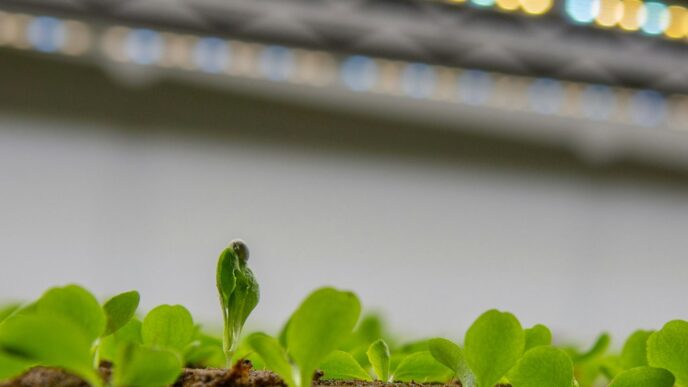
Light is food for plants, right? In greenhouses, we can control that. When there isn’t enough natural sunlight, especially during shorter days or cloudy spells, artificial lights come into play. We’re talking about LED lights now, which are way more energy-efficient than older types. They can be set to specific light spectrums that plants respond to best, encouraging everything from leafy growth to flowering. It’s not just about adding light, though; sometimes, you need to manage too much sun. Screens or special coatings can diffuse harsh sunlight, preventing plants from getting stressed or burned.
Advanced Water and Nutrient Management
Water and nutrients are delivered with incredible accuracy these days. Instead of just flooding the soil, systems like drip irrigation deliver water and dissolved nutrients directly to the plant roots. This is way more efficient, cutting down on waste. Sensors can tell growers exactly how much water the plants need and when. Some systems even recycle and purify water, making the whole process much more sustainable. It’s about giving each plant just the right amount of food and drink, precisely where it’s needed.
Sustainable Energy Practices in Greenhouse Cultivation
Renewable Energy Integration
Lots of greenhouses are starting to use solar panels. It makes sense, right? Instead of relying on the usual power grid, which often means burning fossil fuels, they’re tapping into the sun. This cuts down on pollution and makes the whole operation greener. Some places are even looking into wind power or geothermal systems, depending on what makes sense for their location. It’s all about reducing that carbon footprint and moving towards cleaner energy.
Energy-Efficient Heating and Cooling
Keeping a greenhouse at the right temperature all year round uses a lot of energy, especially for heating. One way growers are tackling this is by using better insulation. Think double-layered walls or special films that trap heat inside. They’re also looking at smarter heating systems, like hydronic heating that uses pipes underground. For cooling, it’s about smart ventilation and shading systems that block out excess sun when it gets too hot. Some greenhouses even use energy screens that can be pulled shut at night to keep the warmth in. It’s a constant balancing act to keep things just right without wasting power.
Smart Energy Management Strategies
This is where technology really comes into play. Growers are using sensors and computer systems to monitor everything – temperature, humidity, light levels – and then adjusting the heating, cooling, and lighting automatically. This means the systems only run when they need to, saving a ton of energy. They’re also looking at things like using LED lights, which use way less electricity than older types of bulbs, and timing those lights to be on only when the plants really need them. Some are even exploring ways to store energy, like using batteries, so they can use power from solar panels even when the sun isn’t shining. It’s about being clever with how energy is used, making sure every bit counts.
Water Conservation in Modern Greenhouse Horticulture
Water is a precious resource, and in greenhouse farming, using it wisely is a big deal. We’re not just talking about giving plants a drink; it’s about making sure every drop counts. Modern greenhouses are getting really smart about this, moving away from just watering and hoping for the best.
High-Tech Irrigation Systems
Forget about sprinklers that just blast water everywhere. Today’s greenhouses use systems that are way more precise. Think drip irrigation, where water is delivered right to the plant’s roots, or micro-irrigation that uses tiny emitters. These methods mean less water is lost to evaporation or runoff. Some systems even adjust watering based on what the plants actually need, using sensors to check soil moisture. It’s like giving each plant its own personal water bottle, but way more efficient.
Water Recycling and Purification
What happens to the water that doesn’t get used by the plants? In the past, it might have just drained away. Now, many greenhouses are set up to collect this runoff. This water is then put through purification systems, like reverse osmosis, to clean it up. Once it’s clean, it can be used again for irrigation. This creates a closed-loop system, significantly cutting down on the need for fresh water. It’s a bit like having your own water treatment plant right there on site.
Rainwater Harvesting Techniques
Another smart way to save water is by collecting rainwater. Greenhouses can be fitted with systems that capture rain that falls on their roofs or in designated collection areas. This collected water can then be stored and used for irrigation, further reducing reliance on municipal water sources. It’s a simple idea, but when you’re dealing with large greenhouse operations, the amount of water you can collect can be substantial. This approach not only conserves water but also reduces the strain on local water supplies.
Here’s a quick look at how these systems work together:
- Collection: Gathering excess irrigation water and rainwater.
- Filtration: Removing debris and impurities.
- Purification: Using methods like reverse osmosis to make water safe for reuse.
- Storage: Holding treated water for future irrigation needs.
- Redistribution: Delivering water efficiently to plants via advanced irrigation methods.
Expanding the Spectrum of Horticultural Crops
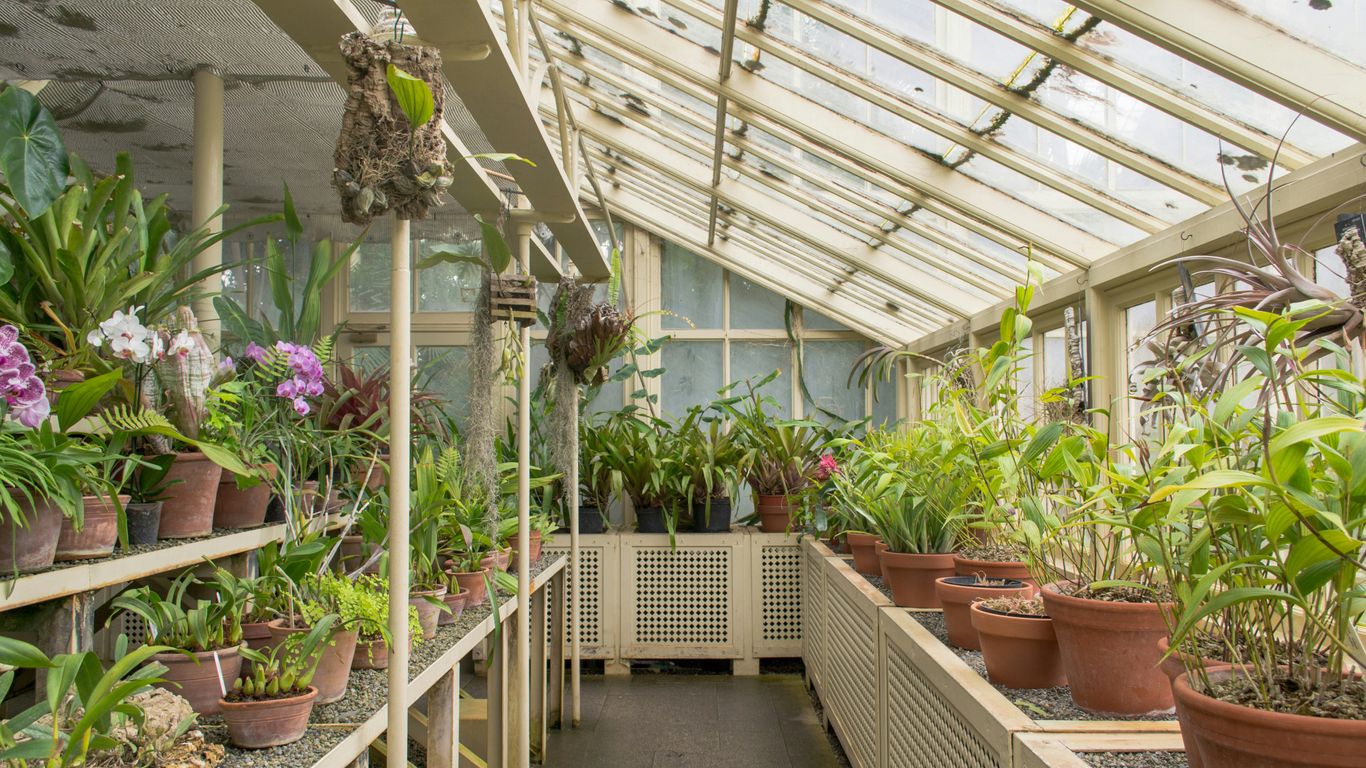
Remember when greenhouses were mostly for, like, tomatoes and maybe some fancy flowers? Well, things have changed. A lot. Thanks to all the tech we’ve been talking about, we’re not just growing more of the same stuff; we’re growing a whole lot of different stuff, and doing it year-round. It’s pretty wild how much this is changing what we can get from our farms.
Controlled Environment Agriculture Innovations
Controlled Environment Agriculture, or CEA, is the big umbrella term for this. It means we’re basically creating a perfect little world inside the greenhouse. We can tweak the temperature, humidity, light, and even the air composition. This level of control means we can grow things that might not normally survive in our local climate, or things that are super sensitive. Think about it: we can grow tropical fruits in colder regions, or delicate medicinal herbs that need very specific conditions. This ability to precisely manage the growing environment is what allows us to push the boundaries of what’s possible in horticulture. It’s not just about yield anymore; it’s about variety and accessibility.
Substrate-Based Cultivation
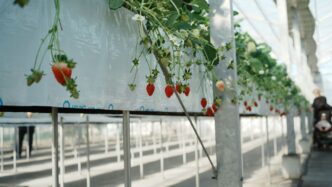
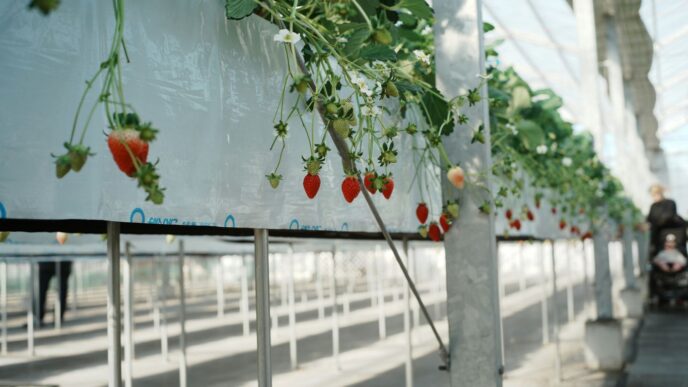
Forget just dirt. Modern greenhouses often use soilless growing media, called substrates. Things like rockwool, coco coir, or even perlite are common. Why is this a big deal? For starters, it gives you total control over the root zone. You can deliver exactly the right amount of water and nutrients without worrying about soil compaction or drainage issues. Plus, it’s cleaner and can help prevent soil-borne diseases. We’re seeing great results with crops like strawberries, which used to be tricky to grow consistently in greenhouses. Now, with the right substrate and nutrient mix, growers are getting high-quality fruit with great size, even in places where they wouldn’t normally thrive.
Year-Round Crop Production
This is a game-changer, honestly. Before, you were pretty much stuck with whatever grew during the local growing season. Now, with advanced lighting and climate control, we can keep things going no matter what’s happening outside. That means fresh produce is available when we want it, not just when nature allows. It also helps stabilize prices and supply chains, which is a big win for everyone. Imagine having local strawberries in December, or fresh greens available every single week of the year. It’s not science fiction anymore; it’s happening now, thanks to these greenhouse innovations.
Data-Driven Crop Management in Greenhouses
Gone are the days when growing crops in a greenhouse was all about gut feelings and experience alone. Today, we’re seeing a huge shift towards using actual data to make smart decisions about our plants. It’s like giving your crops a check-up, but instead of a doctor, you have sensors and software.
Plant Sensor Integration
Think of plant sensors as tiny health monitors for your plants. They can track things like how much water is flowing through the plant’s system or the temperature of its leaves. This information is super useful because it tells you exactly what the plant needs, right now. This real-time feedback allows growers to respond proactively to plant stress before it becomes a visible problem. Instead of guessing if a plant is thirsty, a sensor can tell you. It’s all about precision.
Imaging Systems for Early Detection
Beyond just basic sensors, we’ve got imaging systems now. These use special cameras, like multispectral ones, that can see things our eyes can’t. They can spot the very first signs of a disease or nutrient deficiency, often when the plant still looks perfectly fine to us. This early warning system means you can tackle problems when they’re small and easier to manage, often using less intense treatments. It’s like having a super-powered magnifying glass for your entire crop.
Crop Modeling for Yield Prediction
This is where things get really interesting. We can now use computer models that take all the data from sensors, imaging, and environmental controls, and then predict how the crop will grow and how much it will produce. These models help growers:
- Plan harvesting schedules more accurately.
- Figure out the best times to apply nutrients or water for maximum benefit.
- Identify potential issues that might affect yield weeks in advance.
It’s a bit like having a crystal ball for your greenhouse, but it’s based on solid science and data, not magic. This helps reduce waste and makes the whole operation much more efficient.
Automation and Robotics in Greenhouse Operations
Greenhouse operations are getting a serious upgrade thanks to automation and robotics. Think about all the repetitive tasks involved in growing plants – planting seeds, moving trays, picking ripe produce. These used to take up a ton of human hours, and honestly, it’s tough, demanding work. But now, robots and automated systems are stepping in to handle a lot of that.
Automated Seeding and Transplanting
This is a big one for efficiency. Instead of people carefully placing each tiny seed or seedling, machines can do it with incredible precision. They can handle delicate seeds and young plants without damaging them, and they do it at a speed that’s hard for humans to match. This means less labor cost and more consistent planting, which is great for getting crops started right.
Robotic Harvesting Systems
Harvesting is often the most labor-intensive part of greenhouse farming. Robots are being developed that can identify ripe fruits or vegetables using sensors and cameras. They can then gently pick the produce, just like a human would, but without getting tired. This is especially helpful for crops that need to be picked at just the right moment, like tomatoes or strawberries. These systems help ensure consistent quality and reduce spoilage.
Autonomous Material Transport
Moving supplies, harvested crops, and other materials around a large greenhouse can be a real chore. Autonomous mobile platforms, essentially small robots on wheels, are now being used for this. They can follow pre-programmed routes or navigate dynamically to deliver what’s needed where it’s needed. This frees up workers to focus on more skilled tasks and keeps the workflow moving smoothly. It’s like having a little robotic helper zipping around the greenhouse all day.
Looking Ahead
So, it’s pretty clear that greenhouses are changing how we grow food, and for the better. We’re seeing all sorts of cool tech pop up, from smart sensors that keep an eye on everything to lighting that helps plants grow even when it’s dark outside. This isn’t just about getting more food; it’s about doing it smarter, using less water and energy, and cutting down on waste. As we keep figuring out new ways to grow things in these controlled spots, we’re getting closer to having fresh, healthy food available all year round, no matter the weather. It really feels like we’re on the right track for a more sustainable way to feed everyone.
Frequently Asked Questions
What is a smart greenhouse?
A smart greenhouse uses technology like sensors and computers to automatically control things like temperature, light, and water. This helps plants grow better all year round and saves resources.
How do greenhouses help the environment?
Greenhouses can be more eco-friendly by using less water, using renewable energy like solar power, and reducing the need for long-distance transportation of food because they can grow crops locally.
Can greenhouses grow any type of plant?
Greenhouses are becoming capable of growing a much wider variety of plants than before, including fruits, vegetables, and even medicinal herbs, thanks to advanced technology that creates perfect growing conditions.
Why is water conservation important in greenhouses?
Saving water is key because it’s a precious resource. Modern greenhouses use smart watering systems that give plants just the right amount of water and often recycle used water to reduce waste.
How does technology help manage crops in a greenhouse?
Sensors and cameras inside the greenhouse can watch plants closely, checking their health and growth. This information helps farmers know exactly what the plants need, like more water or light, to grow their best.
Are robots used in greenhouses?
Yes, robots are starting to help with tasks like planting seeds, moving plants, and even picking ripe fruits. This makes greenhouse work faster and more efficient.