The 2025 Great Lakes Crop Summit brought together a lot of smart people to talk about farming. We covered new ways to grow crops, how we get them to other countries, and how to be kinder to the environment. It was a busy event, and there’s a lot to think about for the future of agriculture in the region.
Key Takeaways
- New technology like drones is changing how farmers scout fields and apply treatments. This can help with efficiency and precision.
- Getting crops to market is still a challenge. Issues like container shortages and how trade policies affect shipping are big concerns for exporters.
- Protecting the Great Lakes is a major focus. Farmers are looking at ways to reduce fertilizer runoff and improve water quality through better farming methods.
- There’s a growing demand for specific types of crops. Organic soybeans and specialty grains, especially in Asian markets, present new opportunities.
- Good transportation is vital. Making sure ports are maintained and shipping is reliable is key to getting Great Lakes crops to the world.
Innovations in Crop Management and Technology
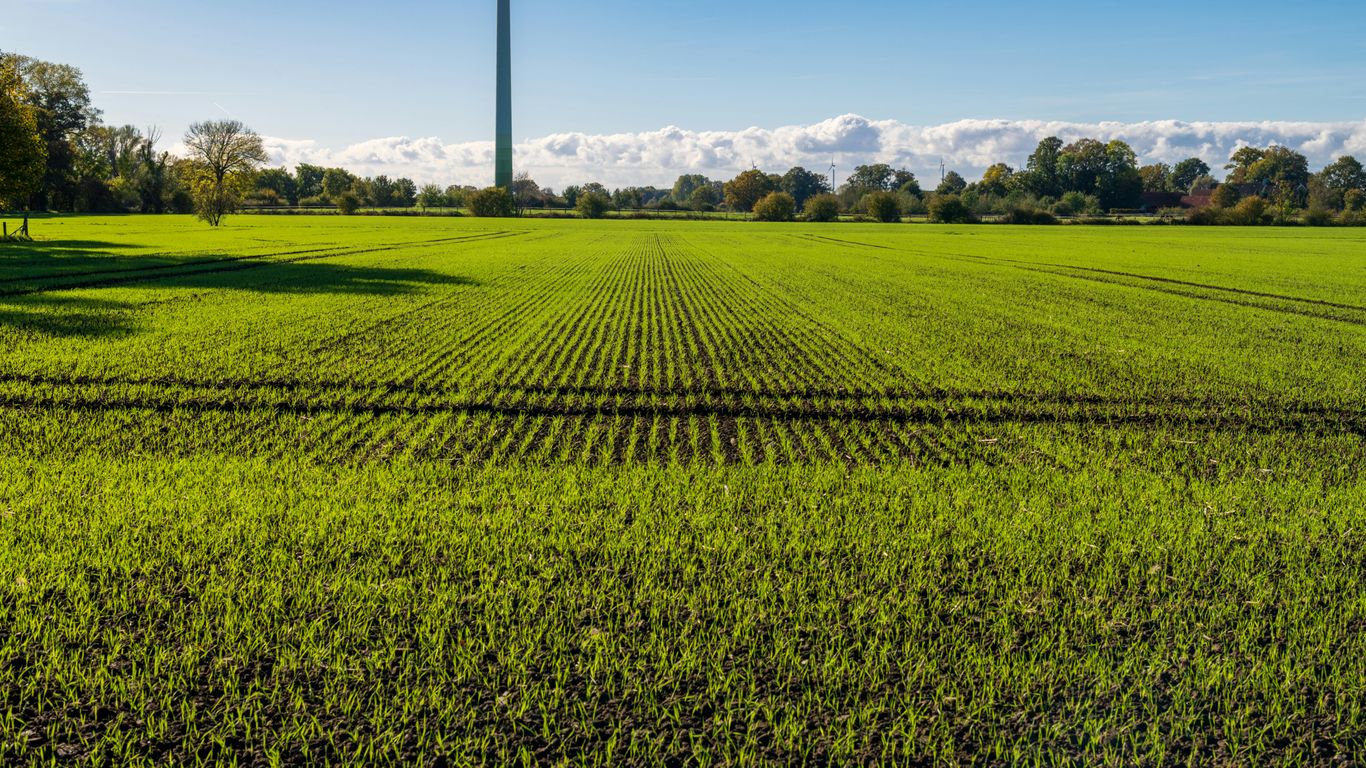
This year’s Great Lakes Crop Summit really highlighted how much farming is changing, especially when it comes to using new tech. It feels like every year there’s something new that promises to make things easier or more productive.
Leveraging Drones for Field Scouting and Spraying
Drones, or Unmanned Aerial Systems (UAS) as the tech folks call them, are becoming a pretty common sight over fields. They’re not just for hobbyists anymore. Farmers and agronomists are using them to get a bird’s-eye view of their crops, spotting problems like pests or nutrient deficiencies way faster than walking the fields. This ability to quickly assess field conditions is a game-changer for timely interventions. They can also be equipped for targeted spraying, which means less chemical use and less waste. It’s all about getting the right treatment to the right spot, exactly when it’s needed.
Impact of Late Planting Dates on IP Soybean Supply
We talked a lot about how planting dates, especially when they get pushed back by weather, can really mess with the supply of Identity-Preserved (IP) soybeans. IP soybeans are those grown for specific traits or markets, and they need careful management. When planting is delayed, it can affect the quality and quantity of the crop, which then impacts the contracts farmers have with buyers. This can create a ripple effect through the supply chain, making it harder to meet demand for these specialized beans.
Advancements in Crop Modeling and Land Use Sustainability
Crop modeling is getting seriously sophisticated. Researchers are using big data and advanced computer programs to predict how crops will perform under different conditions, including climate change. This helps farmers make smarter decisions about what to plant and where. It also ties into land use sustainability. Some studies suggest that by better understanding field variability and using precision agriculture, farmers might be able to reduce the amount of land they need to farm while still producing enough food. This could mean taking some acres out of production and letting them return to a more natural state, which is good for the environment.
Here are some of the key points discussed:
- Predictive Power: Crop models are improving predictions for yield and resource needs.
- Resource Efficiency: Technology helps apply inputs like fertilizer and water more precisely.
- Land Use Optimization: Better data can lead to smarter decisions about which land to farm and which to rest.
- Climate Adaptation: Models help farmers prepare for and respond to changing weather patterns.
Navigating Global Trade and Supply Chain Dynamics
This section of the 2025 Great Lakes Crop Summit really dug into the nitty-gritty of getting our crops from the farm to tables around the world. It’s not just about growing good food; it’s about making sure it gets there efficiently and without a hitch.
Addressing Container Shortages and Shipping Trends
We heard a lot about the ongoing headaches with getting enough shipping containers and how ships are moving. It’s a complex puzzle, and frankly, it’s been a bumpy ride for a while now. The availability and cost of shipping containers continue to be a major factor influencing export timelines and prices. Things like port congestion and the general flow of goods globally really mess with the system. It’s not just a simple matter of putting grain on a boat anymore; there are so many moving parts.
Here’s a look at some of the issues discussed:
- Container Imbalance: Containers often end up in the wrong places, leading to shortages where they’re needed most for exports.
- Port Delays: Ships waiting to unload or load can cause ripple effects throughout the entire shipping network.
- Rising Costs: When demand for shipping is high and supply is tight, prices naturally go up, impacting the bottom line for farmers and exporters.
Impact of Trade Wars on Grain Transportation
Trade disputes and tariffs have a real, tangible effect on how our grain moves. When trade relationships get strained, it can disrupt established routes and create uncertainty. This means we might see shifts in where our grain is going and how it gets there. Sometimes, new routes have to be found, or existing ones become more expensive or less reliable due to political factors. It’s a constant balancing act.
Opportunities in Asian Specialty Grain Markets
On a more positive note, there’s a lot of interest in what we grow here, especially specialty grains, in Asian markets. These markets are growing, and there’s a demand for high-quality, specific types of grains. Building relationships and understanding the unique needs of these buyers is key. It’s about more than just bulk commodities; it’s about meeting specific market demands and creating value through specialized crops. This could mean big things for producers who are looking to diversify or tap into new export avenues.
Sustainability and Environmental Stewardship
Mitigating Fertilizer Runoff into the Great Lakes
It’s a big topic, right? We all know that fertilizer getting into the Great Lakes isn’t good. It causes all sorts of problems, like algae blooms that choke out other life. The summit talked a lot about how farmers are trying to fix this. One idea is using less fertilizer in the first place, but doing it smarter. Think about applying it only when and where the plants really need it. This can save farmers money too, which is always a plus.
The Role of Agriculture in Great Lakes Water Quality
Our farms are right there, next to the lakes, so what happens on the land definitely affects the water. It’s not just about fertilizer, either. Soil erosion is another big one. When soil washes away, it carries nutrients and sediment with it. Researchers are looking at ways to keep that soil in place, like planting cover crops after the main harvest or changing how fields are tilled. This helps keep the soil healthy and the water cleaner. It’s a balancing act, for sure, trying to grow food while also protecting this huge natural resource.
Promoting Sustainable Farming Practices
There’s a real push for farming that’s good for the long haul. This means thinking about the environment, but also about making sure farms can keep running profitably. Some farmers are looking at retiring less productive land, which sounds counterintuitive, but it can actually make the rest of the farm more efficient and less prone to runoff. Others are exploring new technologies that use data to pinpoint exactly where nutrients are needed, cutting down on waste. It’s about working with nature, not against it, and finding methods that benefit everyone.
Market Trends and Export Opportunities
Looking ahead to 2025, the agricultural export landscape is showing some interesting shifts. We’re seeing a steady climb in demand for certain types of grains, especially in Asian markets. It’s not just about bulk commodities anymore; there’s a growing interest in specialty and identity-preserved (IP) grains.
Growth in Organic Soybean Markets
The organic soybean market is definitely one to watch. Consumers are more aware of where their food comes from and how it’s grown. This means more demand for soybeans produced without synthetic pesticides or fertilizers. This trend is likely to continue, offering good opportunities for farmers who are already using or looking to adopt organic practices.
Protein Demand in Asian Markets by 2025
Asia’s growing middle class means a bigger appetite for protein. This translates directly into increased demand for soybeans, a key source of protein for both human food and animal feed. Countries like the Philippines, Thailand, Vietnam, and Indonesia are showing particular interest. We’re seeing more virtual trade events connecting U.S. IP suppliers with buyers in these regions, which is a positive sign for future trade.
Strengthening the Identity-Preserved Grains Industry
The focus on identity-preserved (IP) grains is also getting stronger. This means keeping track of a grain’s specific traits, like non-GMO status or specific protein content, from the farm all the way to the consumer. This is especially important for specialty grains destined for markets in North Asia, including Japan and Korea. Building and maintaining trust in the IP supply chain is key to meeting these specialized market needs.
Policy and Infrastructure for Agricultural Exports
Advocating for Harbor Maintenance Trust Fund Utilization
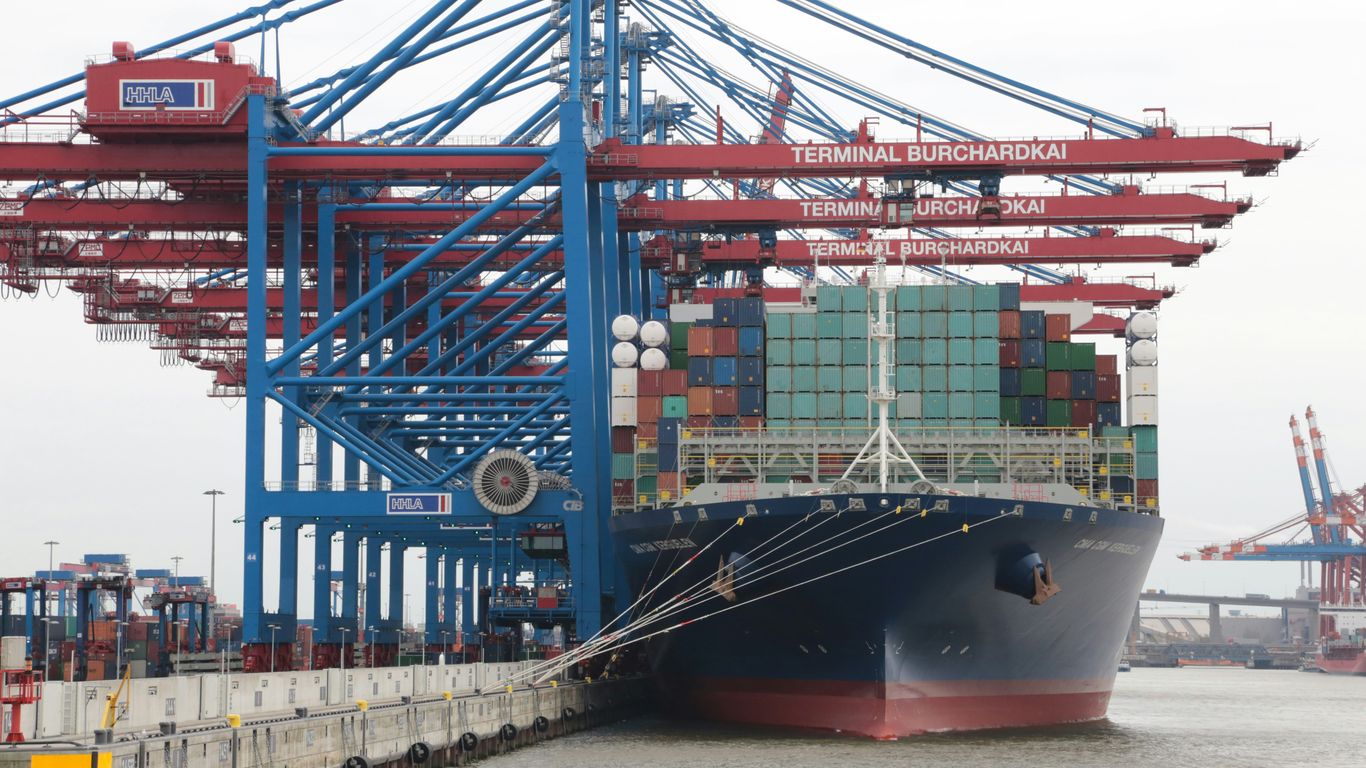
When we talk about getting our crops from the farm to folks around the world, the ports are a pretty big deal. You know, those places where ships load up? There’s this thing called the Harbor Maintenance Trust Fund, and it’s supposed to be used for keeping our harbors and shipping channels in good shape. But honestly, a lot of that money doesn’t always get used for what it’s intended for. It’s like having a savings account for your car’s maintenance, but then using the money for something else entirely. For agriculture, this means our ports might not be as efficient as they could be, leading to delays and higher costs for getting our grain and other products out. We need to make sure that the funds collected are actually spent on maintaining and improving the infrastructure that helps our exports move.
Improving Container Turn-Around Times at Ports
Speaking of ports, have you ever seen those massive container ships? They carry a ton of stuff. The problem is, sometimes it takes way too long for those containers to get unloaded, inspected, and then reloaded onto another ship or truck. This is what they call ‘turn-around time.’ When it’s slow, it gums up the whole system. Think about it like a busy highway during rush hour – everything grinds to a halt. For us farmers, this can mean our products sit around longer than they should, potentially affecting quality, and it definitely adds to the cost of shipping. We saw this issue pop up quite a bit recently, especially with global shipping getting all topsy-turvy.
The Importance of Reliable Transportation Infrastructure
Ultimately, all of this boils down to having good transportation. It’s not just about the ports, though. We need solid roads, functioning rail lines, and efficient waterways to get our crops to those ports in the first place. If any part of that chain is weak, the whole export process suffers. It’s like trying to build a sturdy house with a shaky foundation – it’s just not going to hold up.
Here are a few things that really matter for keeping things moving:
- Upkeep of Waterways: Dredging rivers and keeping channels clear is vital for barge traffic, which is a big way we move bulk grains.
- Rail Network Efficiency: Making sure rail lines are well-maintained and that there are enough available railcars helps get products to market without major delays.
- Road Conditions: Good quality roads are necessary for trucks to transport goods from farms to processing facilities and then to ports.
When these systems work well, it makes a huge difference for everyone involved, from the farmer to the final buyer.
Wrapping Up: What’s Next for Great Lakes Agriculture?
So, after all the talks and discussions at the 2025 Great Lakes Crop Summit, it’s pretty clear that things are always changing in farming. We heard a lot about new tech, like drones, and how important it is to keep our water clean, especially with stuff like fertilizer runoff being a big deal. Plus, getting our crops from the farm to people who want them, whether that’s across the country or overseas, is still a huge puzzle with shipping and trade being so up and down. It feels like farmers have to be ready for anything, from weird weather to new market demands. The summit really showed that staying connected and sharing what we learn is the best way to handle whatever comes next for growing food in the Great Lakes region.
Frequently Asked Questions
How are drones being used in farming today?
Farmers are using drones to check on their fields more easily. They can fly over the crops to see how they’re growing and if there are any problems. Drones can also be used to spray things like fertilizer or bug spray exactly where it’s needed, which is more efficient.
What happens if farmers plant crops late in the season?
Planting crops later than usual can sometimes affect the supply of special types of soybeans, called ‘IP soybeans.’ This is because the growing conditions might not be as good, and it could mean there are fewer of these specific soybeans available for sale.
Why is fertilizer runoff a problem for the Great Lakes?
When fertilizer from farms washes into the Great Lakes, it can cause problems like harmful algae blooms. These blooms can make the water unsafe to drink, as happened in Toledo, Ohio. It’s important for farmers to find ways to keep fertilizer on their fields.
What are some new trends in growing grains?
There’s a growing interest in organic soybeans, meaning they are grown without certain chemicals. Also, countries in Asia are looking for more protein sources, which could mean more demand for grains like soybeans. Making sure grains are grown and handled in special ways (identity-preserved) is also becoming more important.
How can we make shipping farm products easier?
Getting farm products to other countries involves shipping, and sometimes there aren’t enough shipping containers or ships available. Making sure ports are well-maintained and that containers can be loaded and unloaded quickly helps make shipping smoother and more reliable for farmers.
What’s the big deal about trade wars and grain transport?
Trade wars, where countries put extra taxes on imported goods, can make it harder and more expensive to move grains between countries. This affects how much farmers can sell and where they can sell it, causing uncertainty in the transportation of these important food items.